Sight word recognition Normal Reading Worksheets for Ages 6-9
10 filtered results
-
From - To
Enhance your child's reading skills with our Sight Word Recognition Normal Reading Worksheets designed for ages 6-9. These printable worksheets provide engaging activities that help young learners identify and recognize sight words, crucial for building reading fluency and comprehension. Our collection features a variety of fun exercises, including matching, fill-in-the-blank, and tracing, all tailored to meet the developmental needs of early readers. Perfect for homeschooling or supplementary learning, these worksheets encourage independent practice while making reading enjoyable. Foster a love for literacy in your child with these effective and interactive resources that support their journey to becoming confident readers!
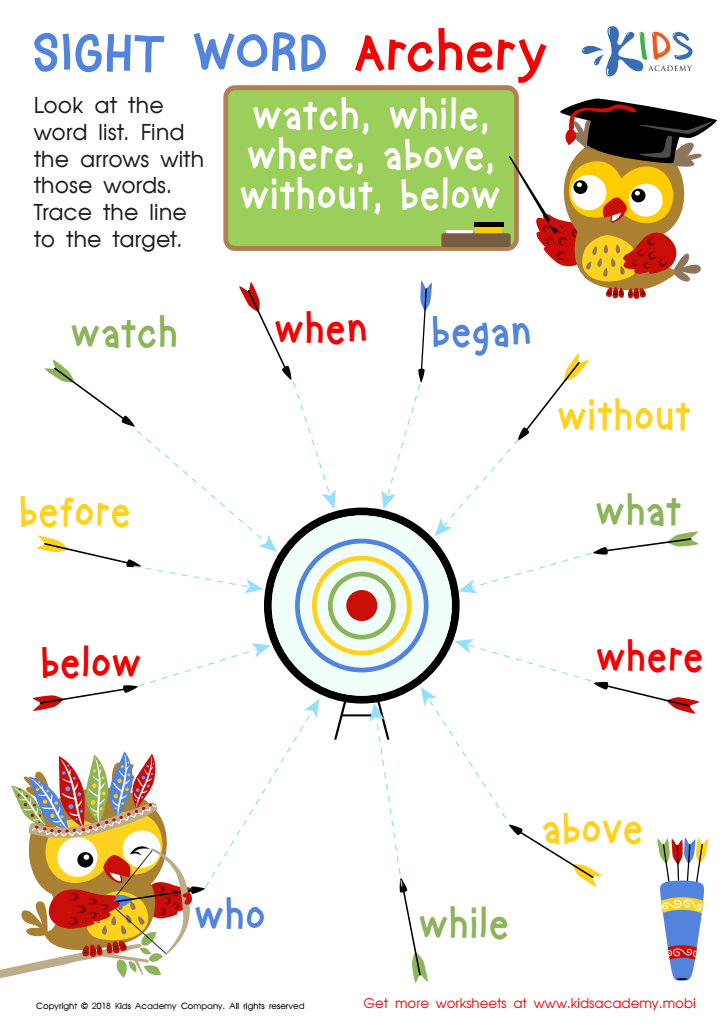
Sight Word Archery Worksheet
 Assign to My Students
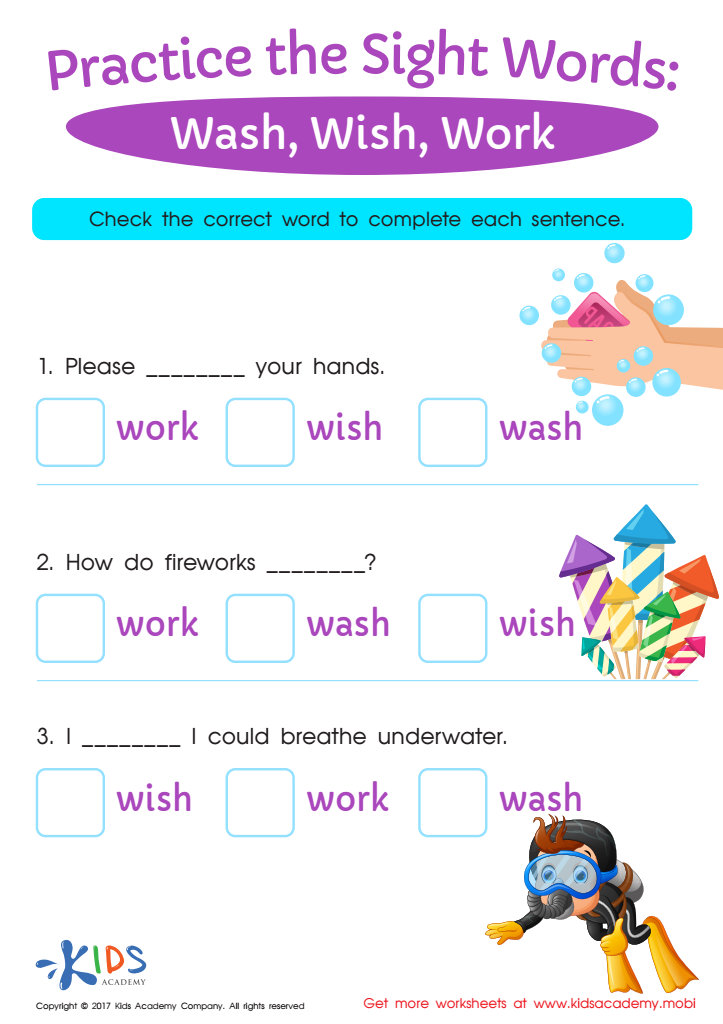
Wash, Wish, Work Sight Words Worksheet
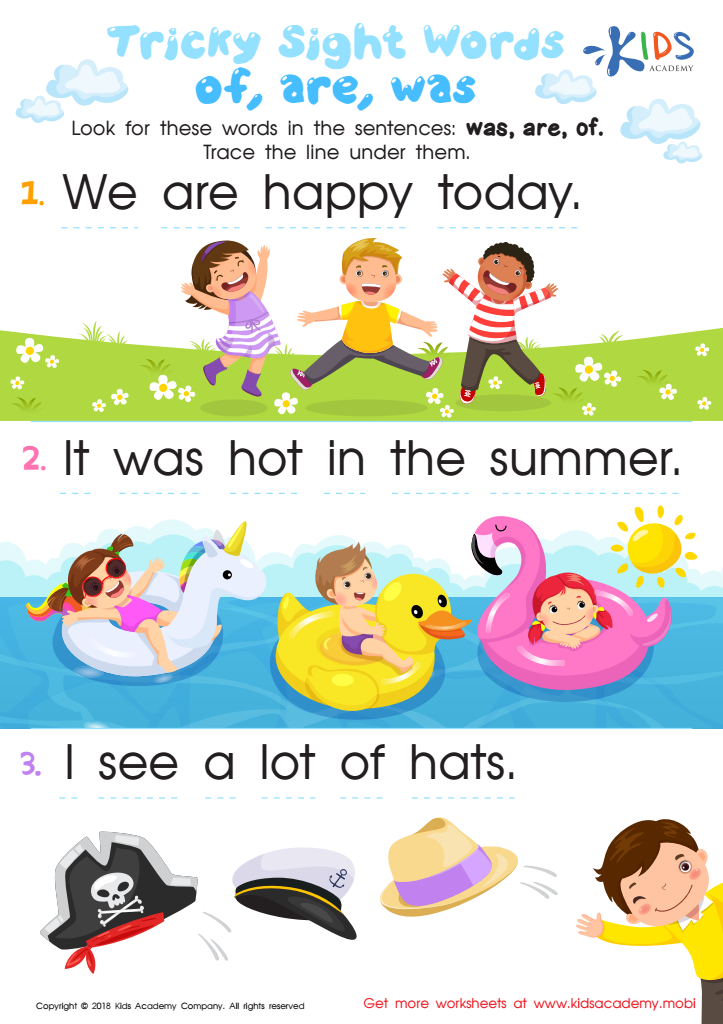
Tricky Sight Words Worksheet
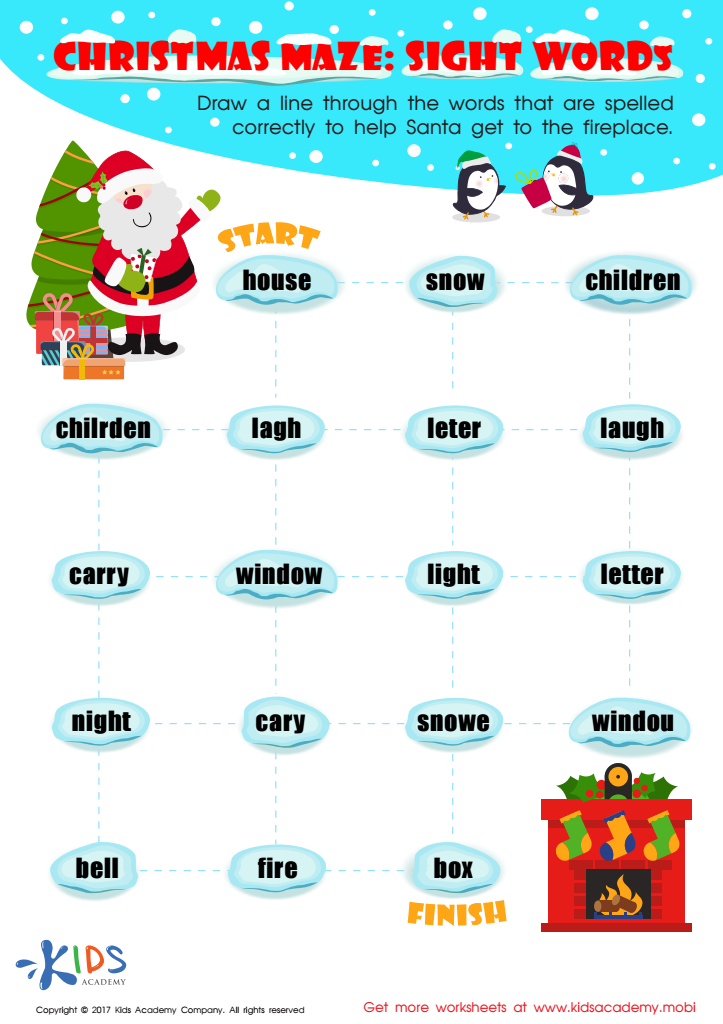
Sight Words Christmas Maze Printable
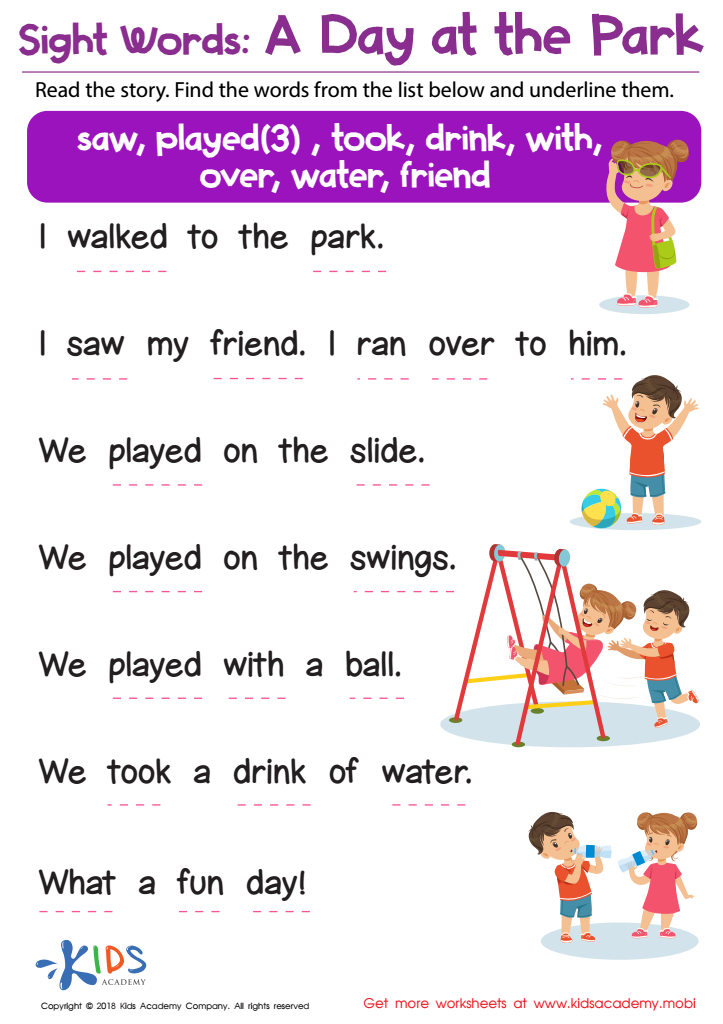
Sight Words: A Day at the Park Worksheet
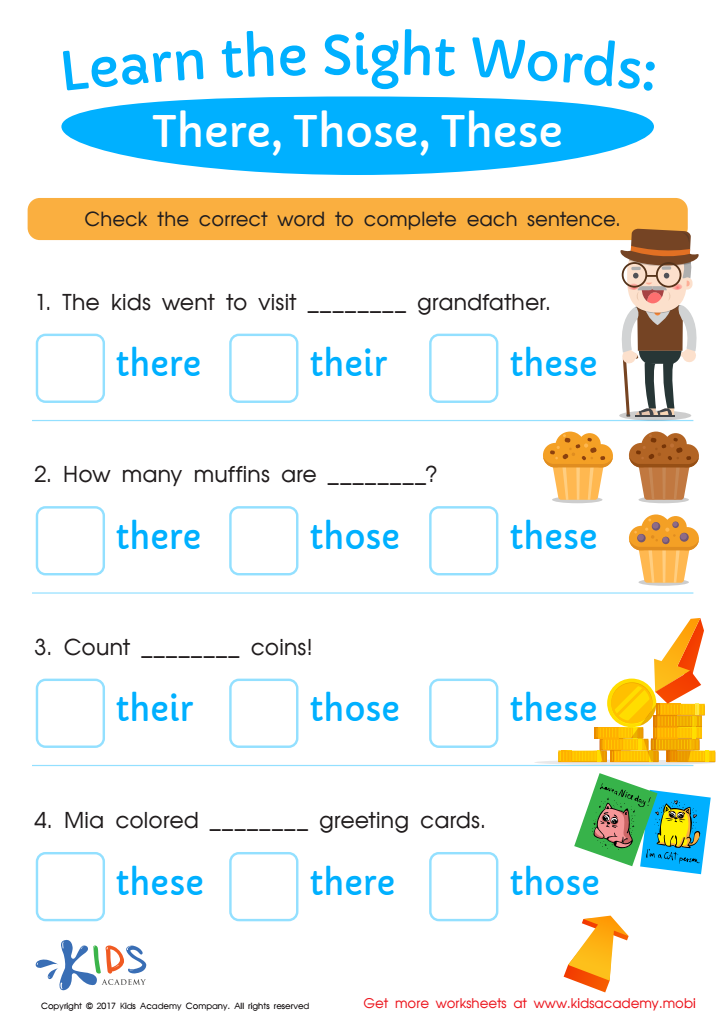
There, Those and These Sight Words Worksheet
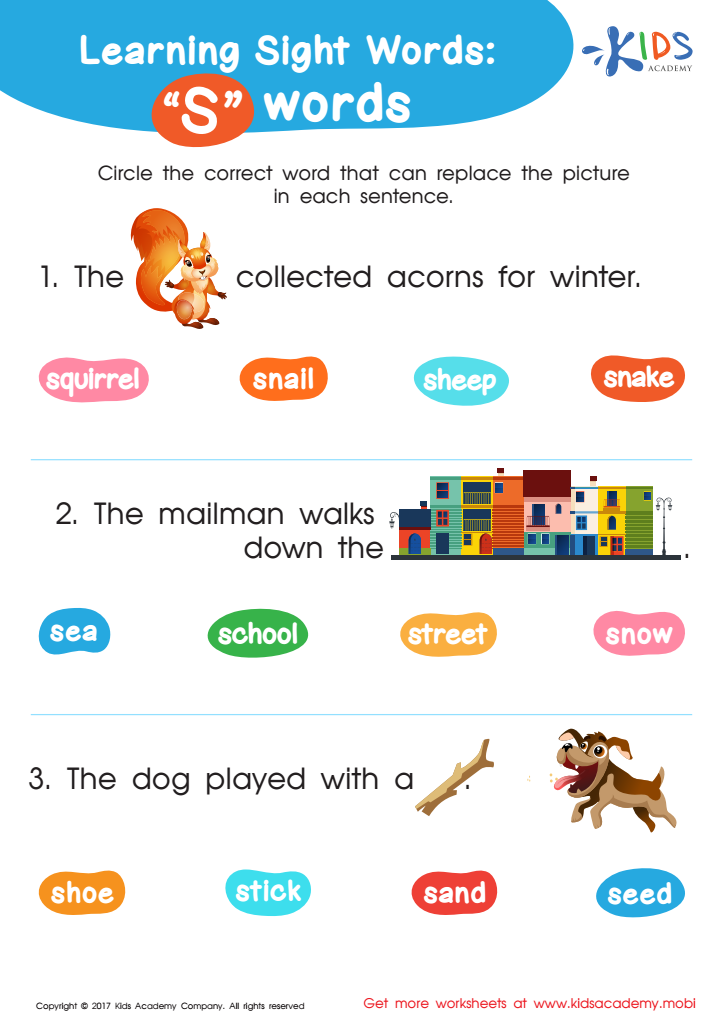
S Words Sight Words Worksheet
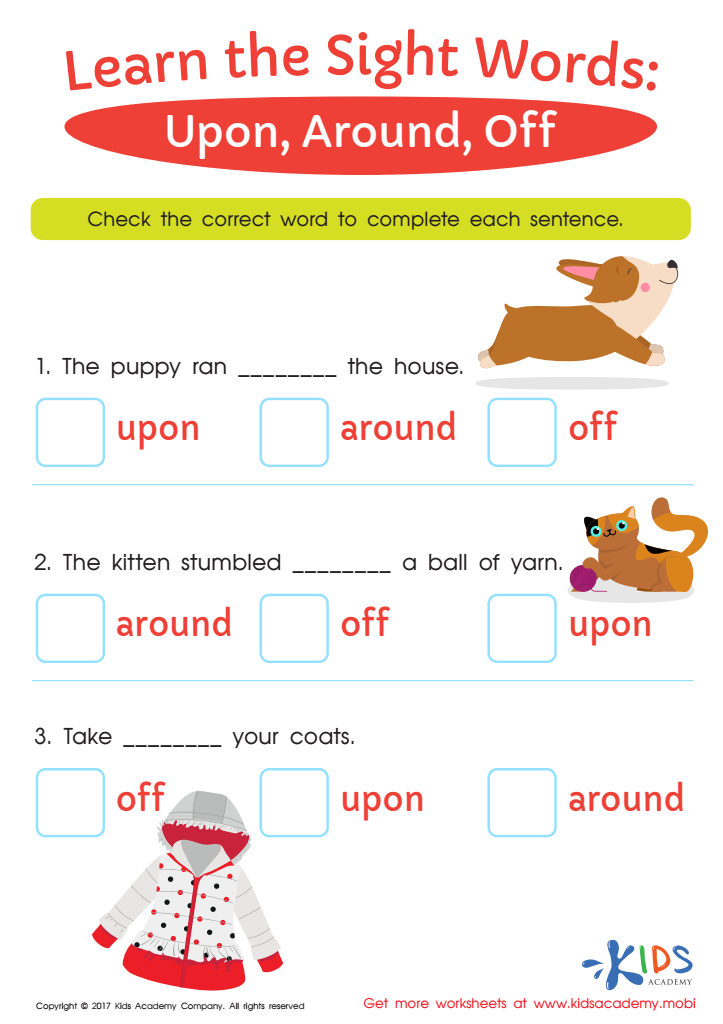
Upon, Around, Off Sight Words Worksheet
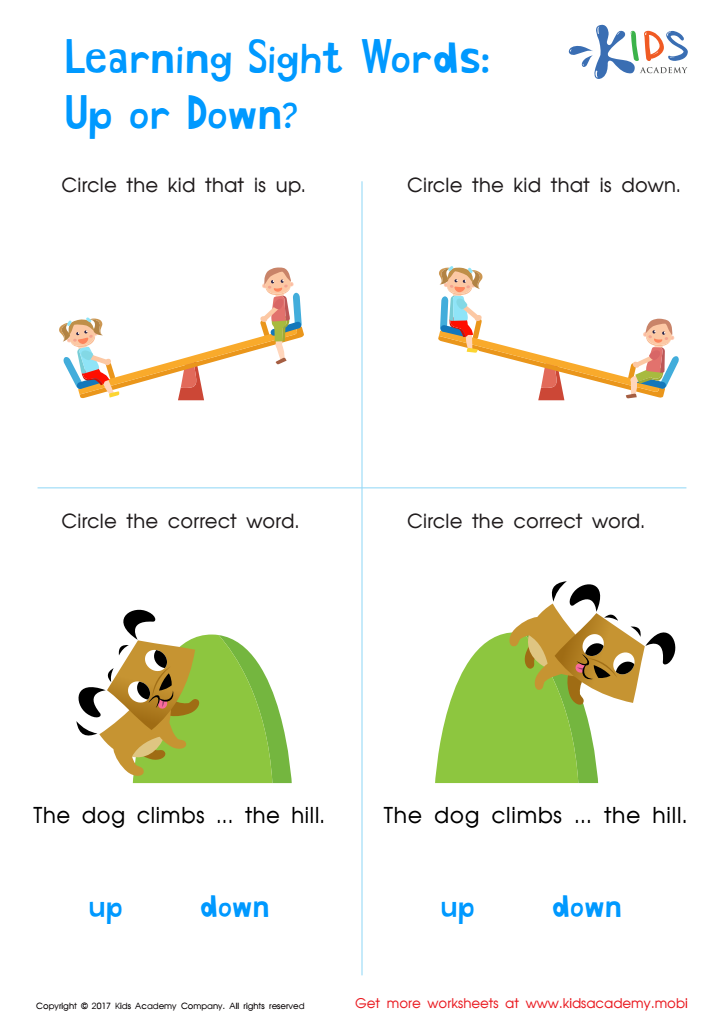
Up or Down Printable Sight Words Worksheet
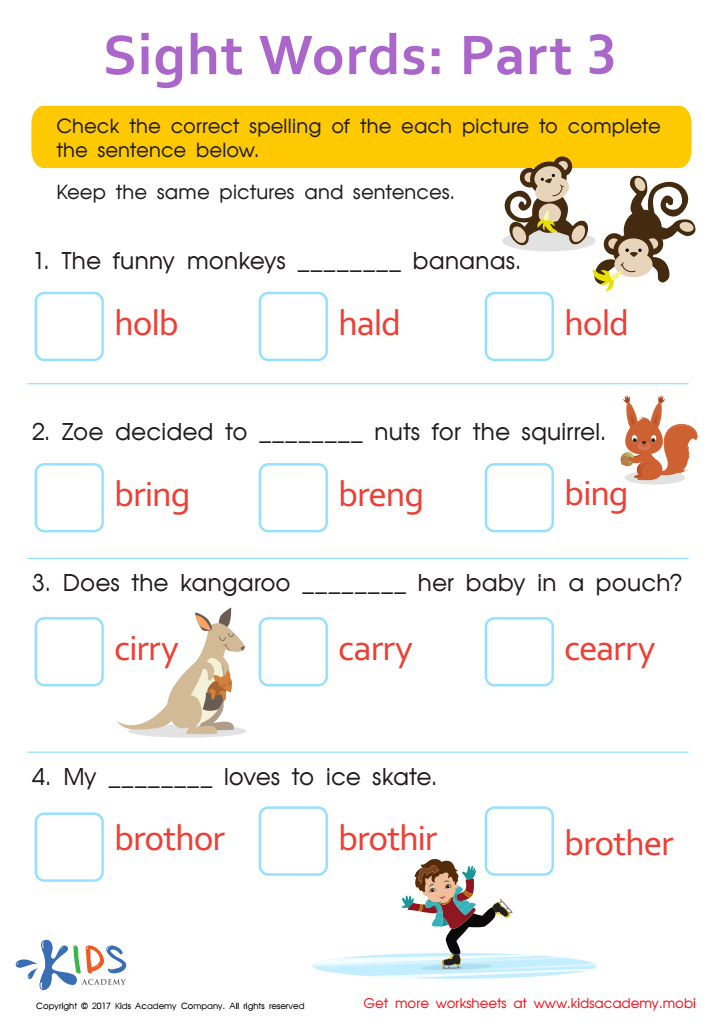
Hold, Bring, Carry, Brother Sight Words Worksheet








Sight word recognition is crucial for children aged 6-9 as it serves as a foundation for successful reading. At this age, learners are transitioning from learning to read to reading to learn. Sight words, or high-frequency words that children can recognize instantly, play a significant role in developing fluency and comprehension.
When children master sight words, they gain confidence, allowing them to read more complex texts with ease. This not only enhances their reading speed but also fosters a love for reading, as they can engage with books that interest them without constantly decoding each word. Thus, recognizing these words becomes paramount for encouraging independent reading and critical thinking.
Parents and teachers should care about sight word recognition because it directly impacts a child’s academic success. Struggling with sight words can hinder a child's overall literacy skills, leading to frustration and disengagement. Furthermore, early intervention can mitigate these challenges, leading to better outcomes in later grades. By prioritizing sight word recognition, adults ensure that children build essential reading skills that extend well beyond the classroom, facilitating lifelong learning and a passion for literature. Investing time in this area supports cognitive development and equips children for future academic challenges.








