Understanding context Normal Reading Comprehension Worksheets for Ages 6-9
5 filtered results
-
From - To
Discover our "Understanding Context Normal Reading Comprehension Worksheets" tailored for children ages 6-9. These engaging worksheets help young learners enhance their reading skills by encouraging them to comprehend written texts within various contexts. Our carefully designed activities support children in identifying key details, interpreting meanings, and making connections to improve their overall reading proficiency. By fostering critical thinking and analysis, these worksheets empower kids to develop a deeper understanding of stories and informational texts. Ideal for home or classroom use, our resources are perfect for enhancing literacy skills while making learning enjoyable. Start your child's reading journey today!
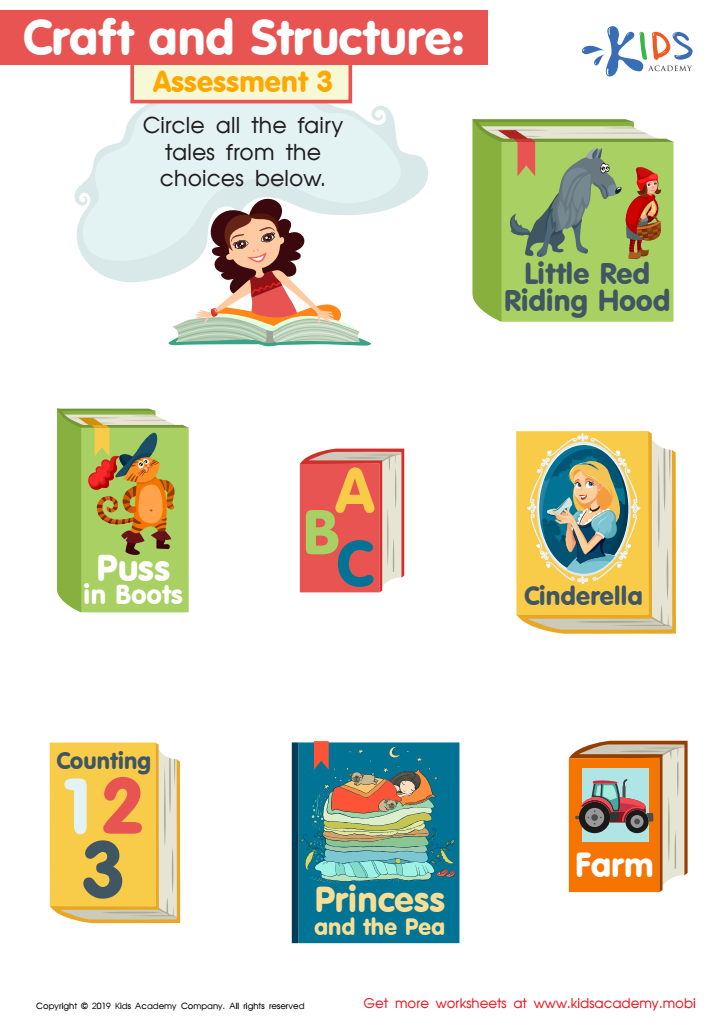
Craft and Structure: Assessment 3 Worksheet
 Assign to My Students
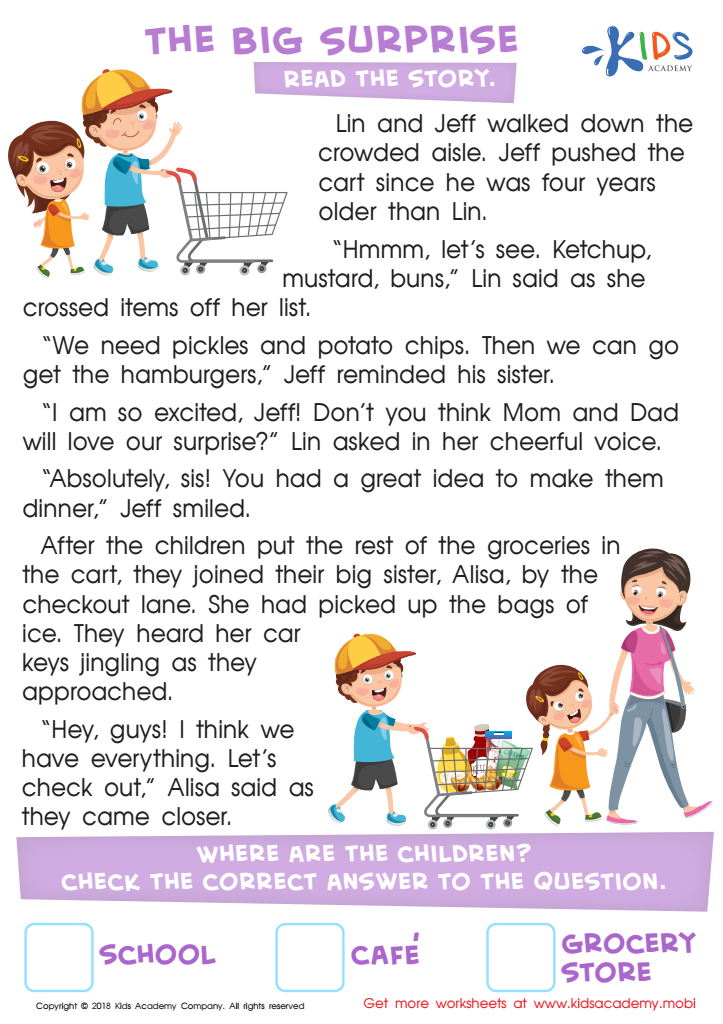
The Big Surprise Worksheet
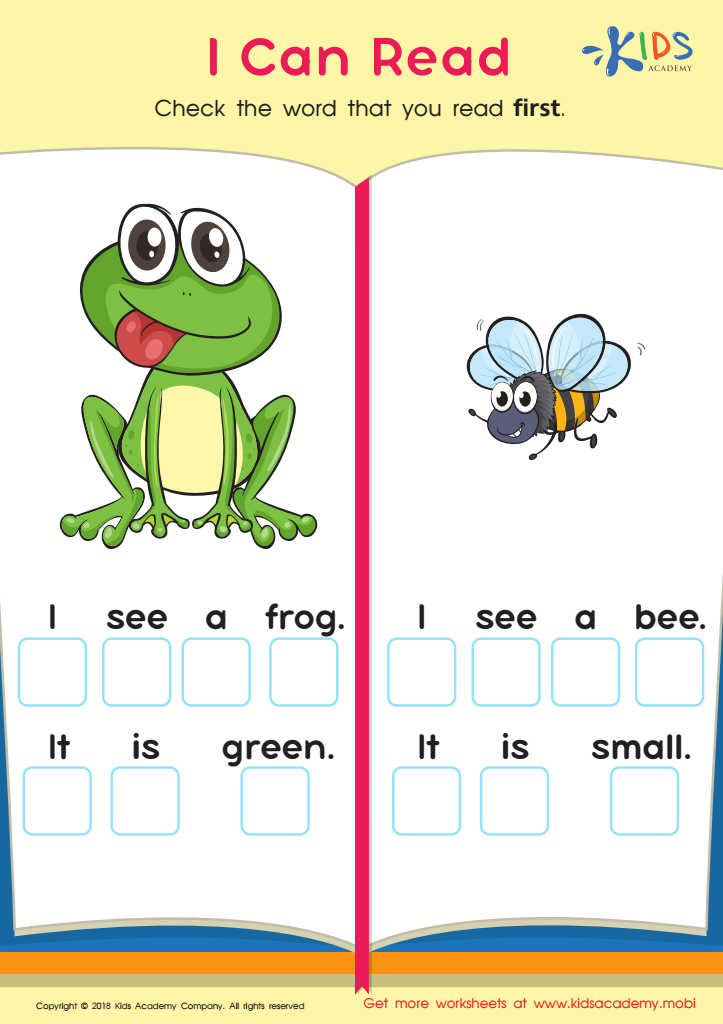
I Can Read Worksheet
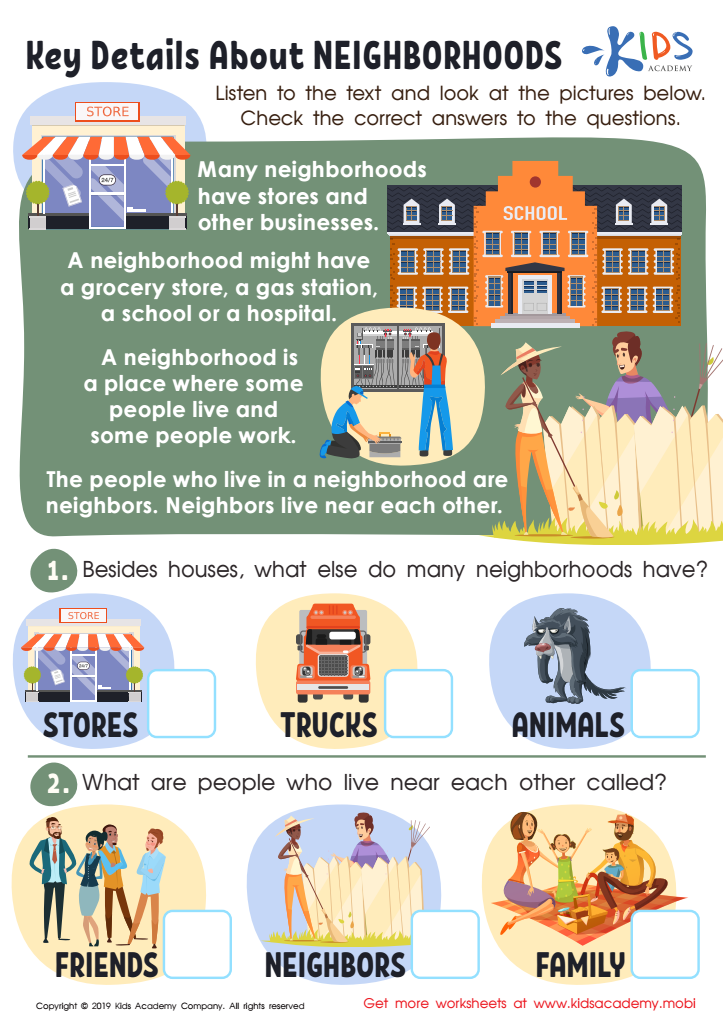
Key Details Neighborhoods Worksheet
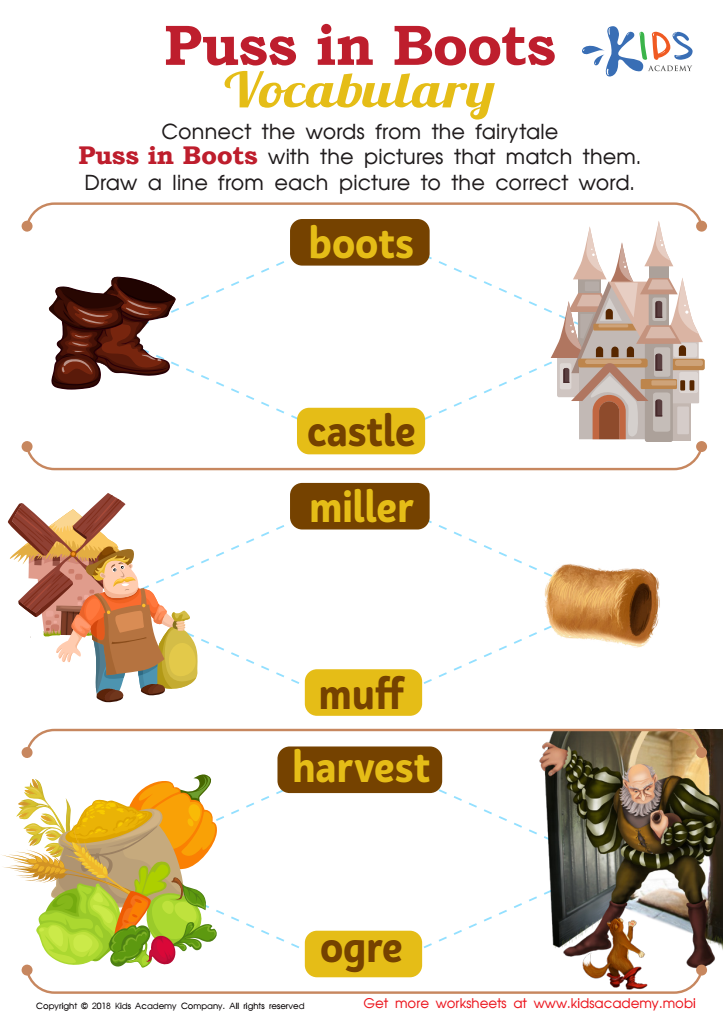
Puss in Boots Vocabulary Worksheet




.jpg)



Understanding the context in normal reading comprehension is crucial for children aged 6-9, as it lays the foundation for their overall literacy development. At this age, children are transitioning from learning to read to reading to learn. Comprehending context helps them make sense of the text, connecting what they read to their own experiences, emotions, and knowledge. By grasping the context, young readers can better understand the plot, characters, and themes, leading to deeper engagement and motivation.
For parents and teachers, fostering an understanding of context can enhance vocabulary development. Context clues often indicate the meaning of unfamiliar words, enabling children to expand their language skills organically. Additionally, understanding context helps cultivate critical thinking skills. Children learn to ask questions and make predictions about what might happen next, enriching their analytical abilities.
Moreover, discussions about context can enhance communication between parents and teachers, ensuring a unified approach to literacy. Engaging children in conversations about the stories they read promotes a love for literature and strengthens family bonds. Ultimately, embracing context in reading instruction will empower children with lifelong skills, impacting their academic pursuits and cognitive growth in years to come.








