Reading comprehension Normal Reading Comprehension Worksheets for Ages 6-9
114 filtered results
-
From - To
Enhance your child's reading skills with our engaging Normal Reading Comprehension Worksheets designed for ages 6-9. These worksheets offer a variety of interactive exercises focused on improving understanding of texts, vocabulary, and critical thinking. Each activity invites young readers to explore stories, answer questions, and connect ideas, fostering a love for reading while reinforcing essential skills. Our materials are tailored to support different learning styles, making them perfect for both classroom use and home practice. Whether your child is a budding reader or needs a confidence boost, our worksheets are the ideal tool for developing strong reading comprehension abilities.
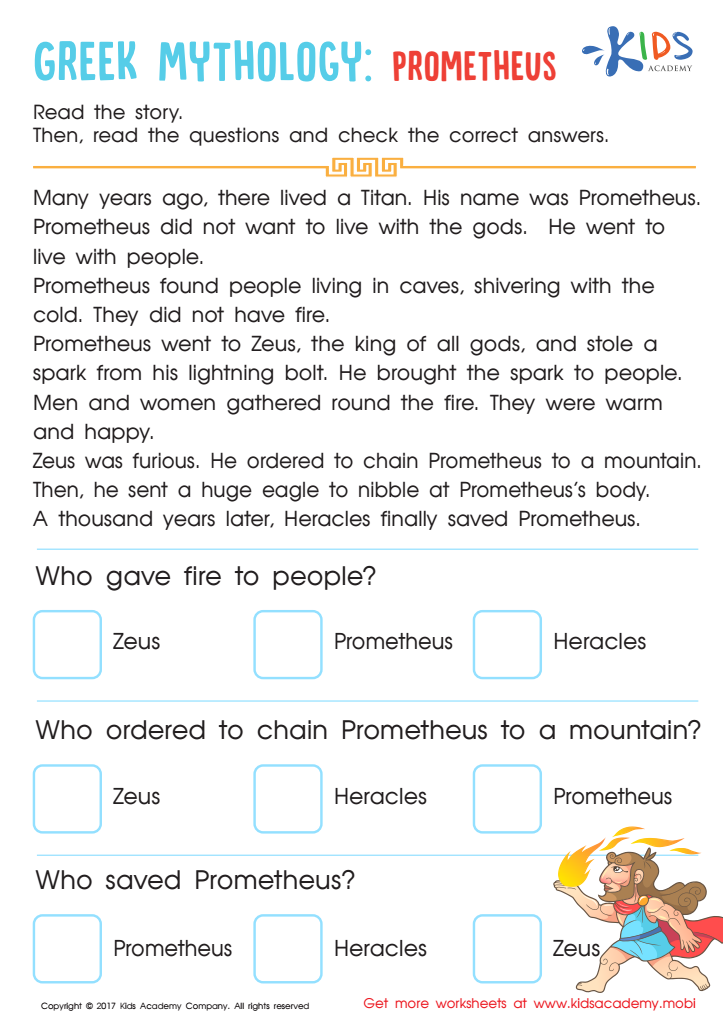
Prometheus Story Worksheet
 Assign to My Students
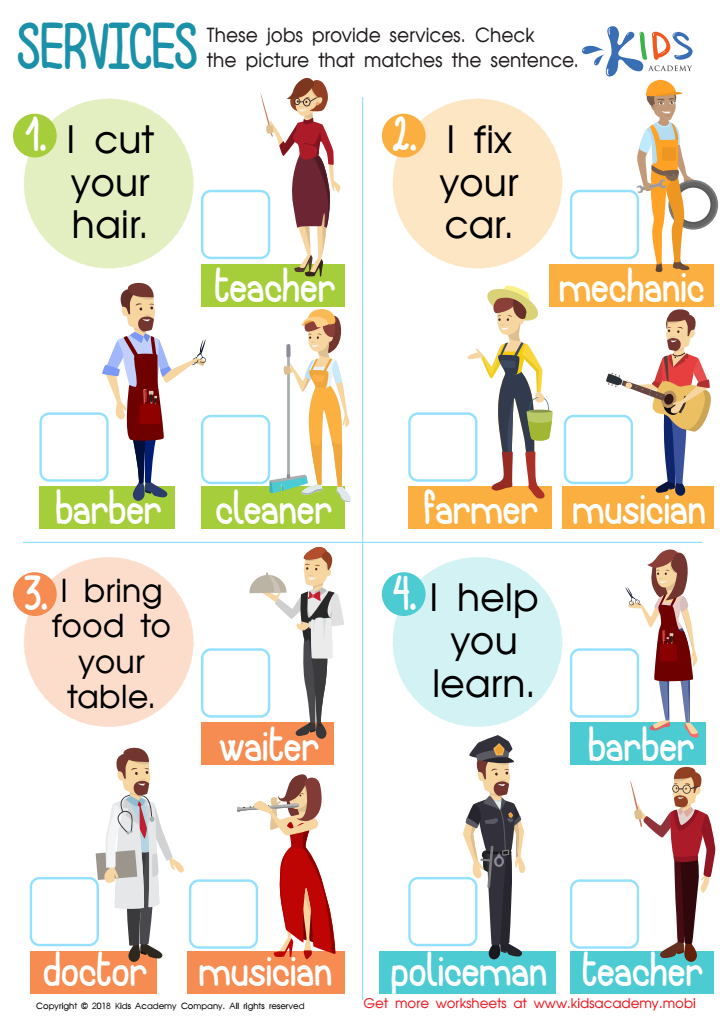
Services Worksheet
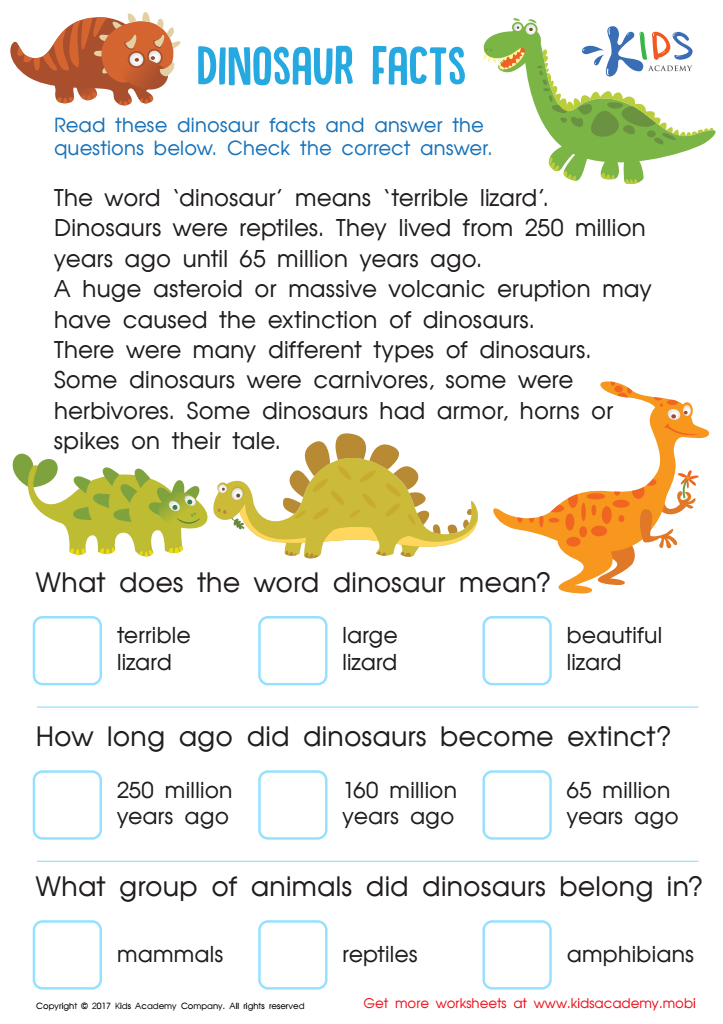
Dinosaur Facts Worksheet
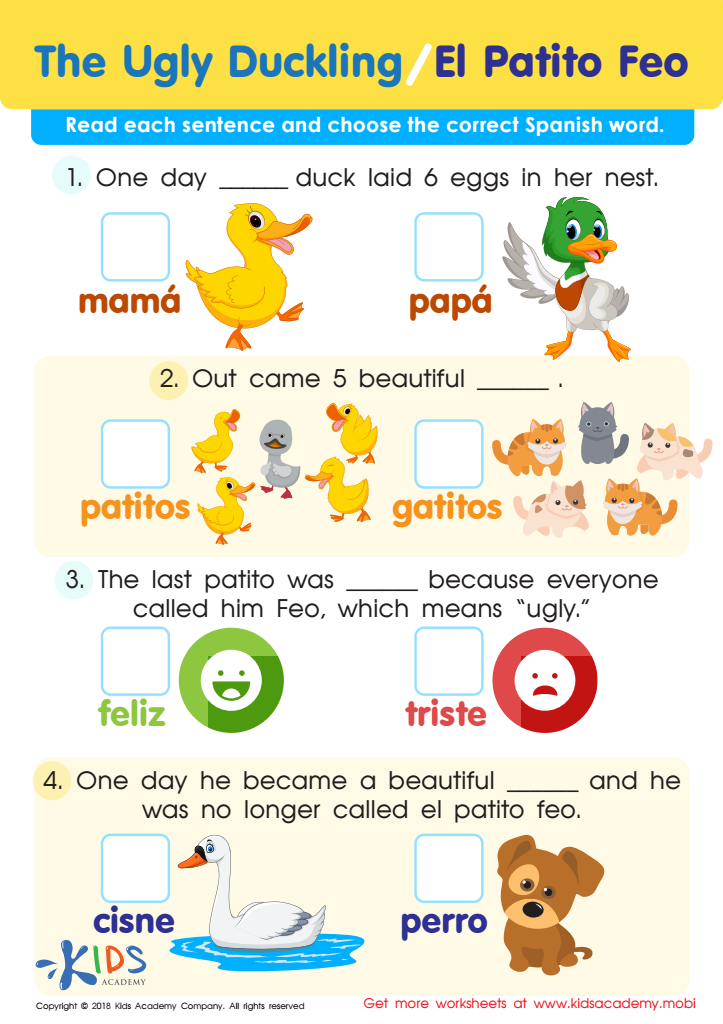
The Ugly Duckling / El Patito Feo Worksheet
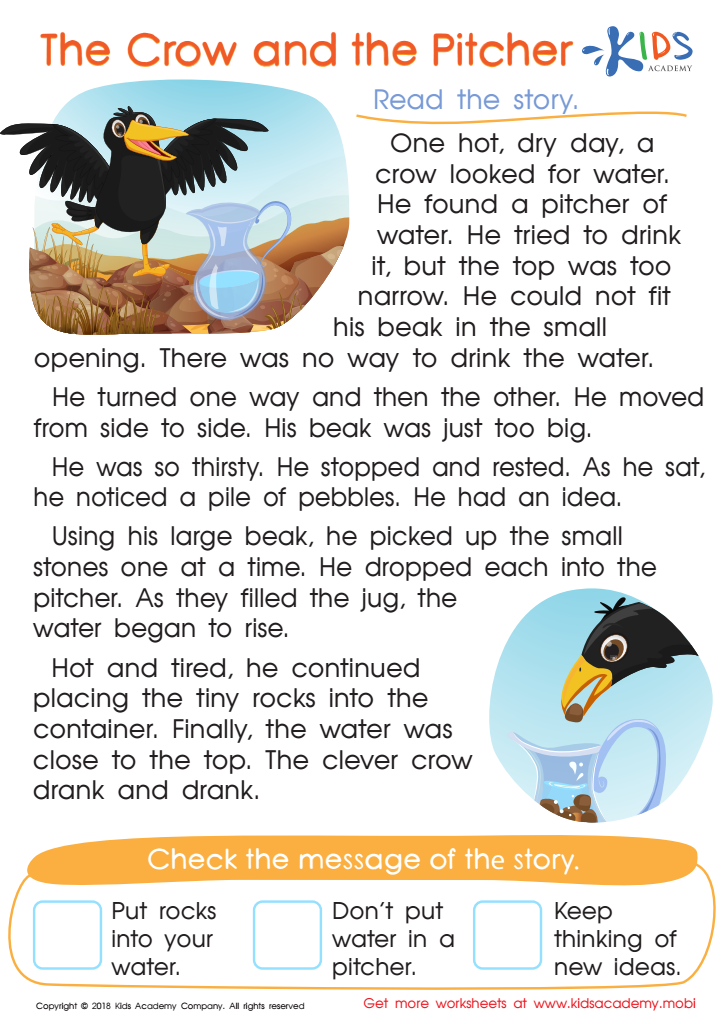
The Crow and the Pitcher Worksheet
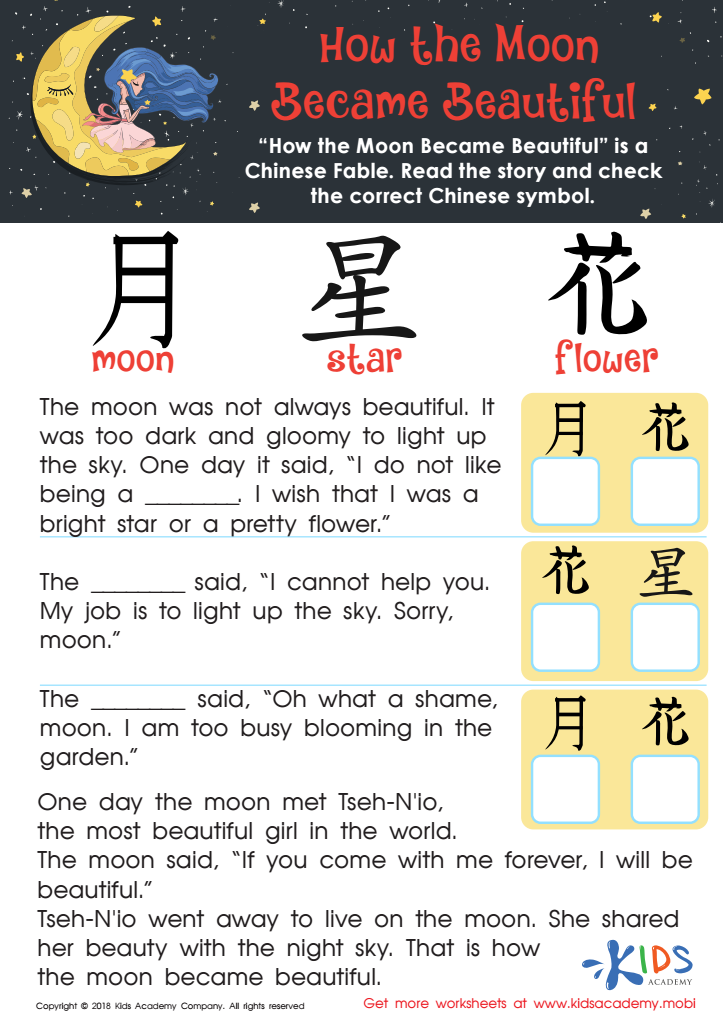
How the Moon Became Beautiful Worksheet
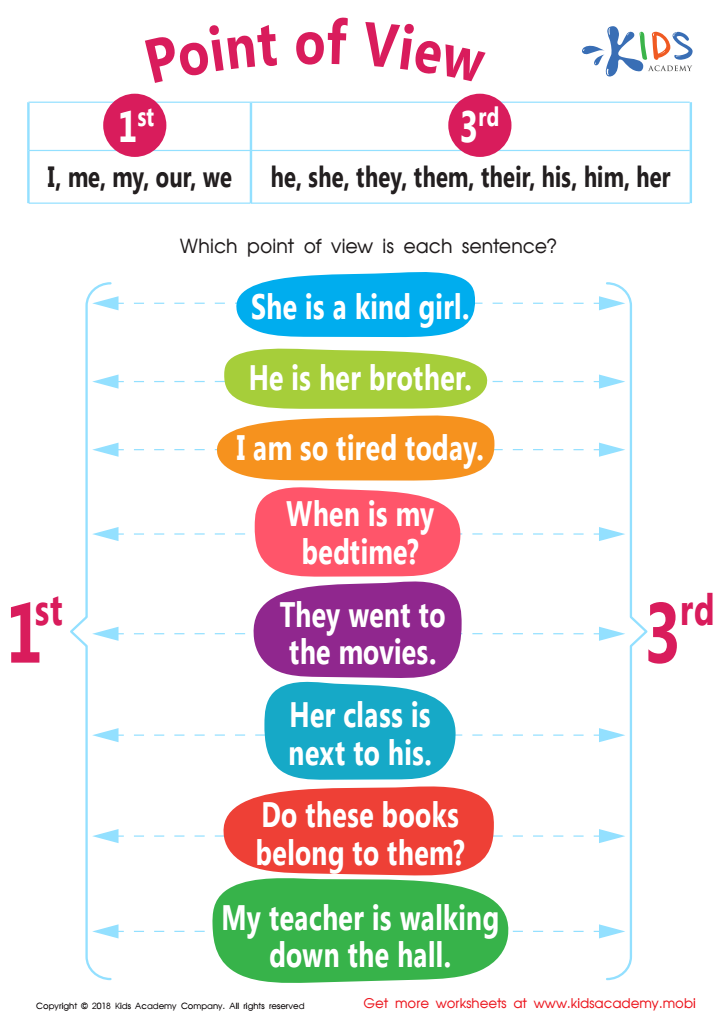
Point of View Worksheet
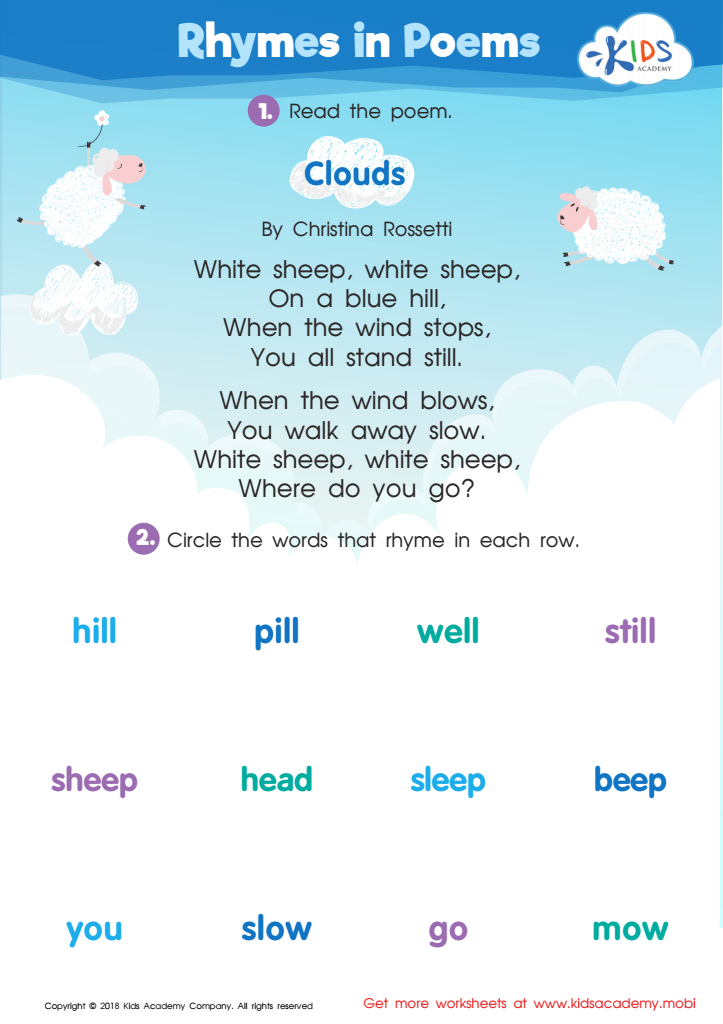
Rhymes in Poems Worksheet
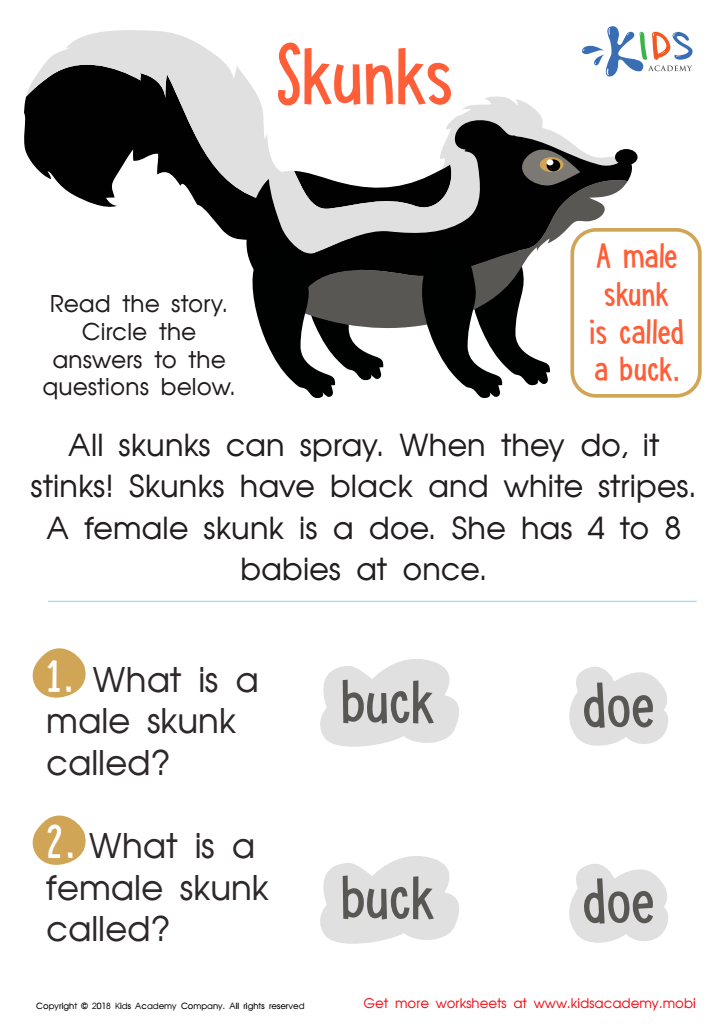
Skunks Worksheet
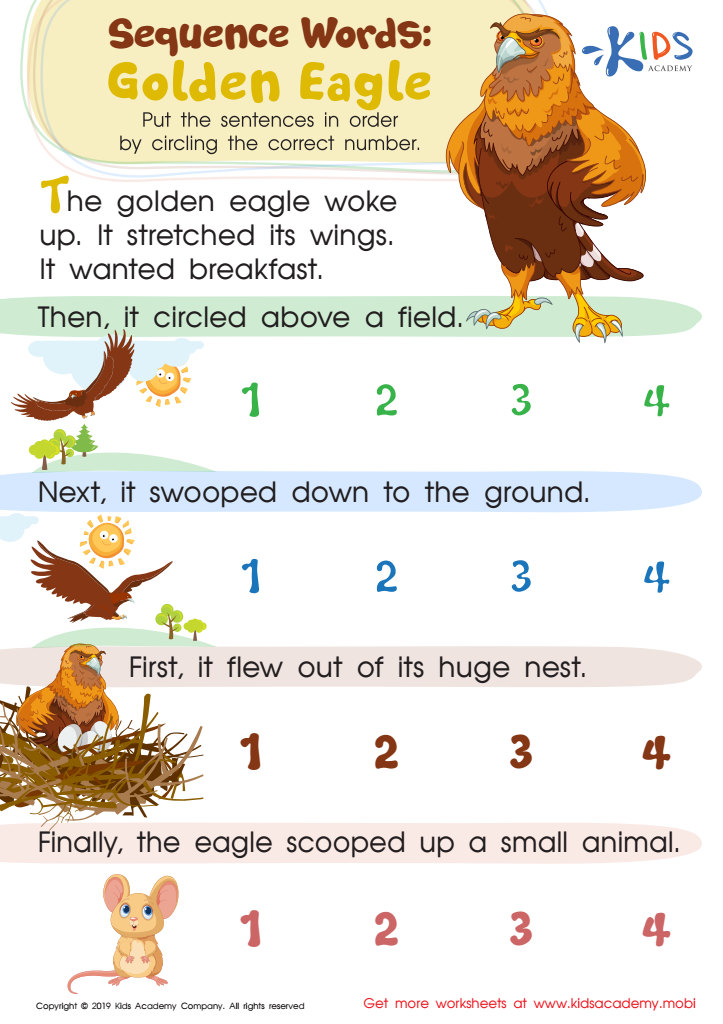
Sequence Word Eagle Worksheet
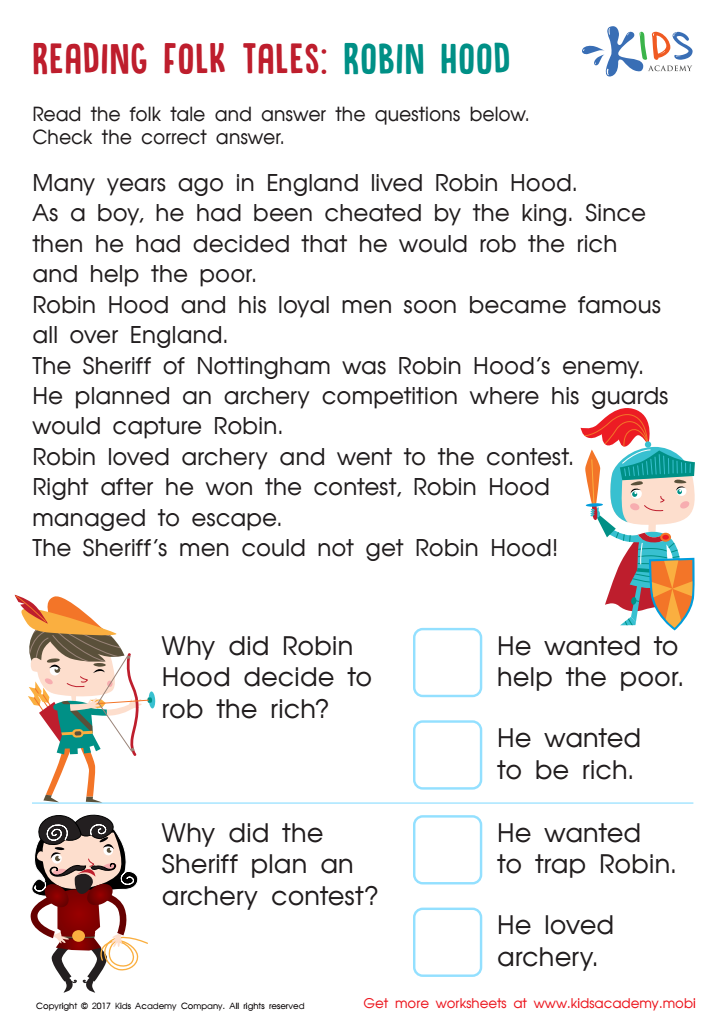
Robin Hood Folktale Worksheet
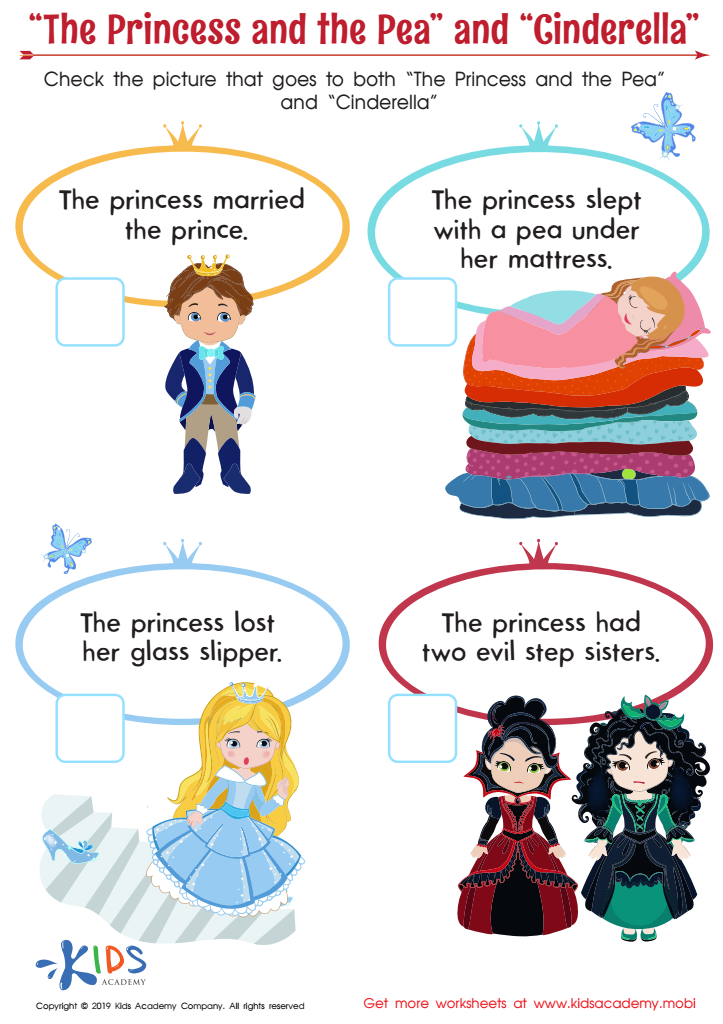
“The Princess and the Pea” and “Cinderella” Worksheet
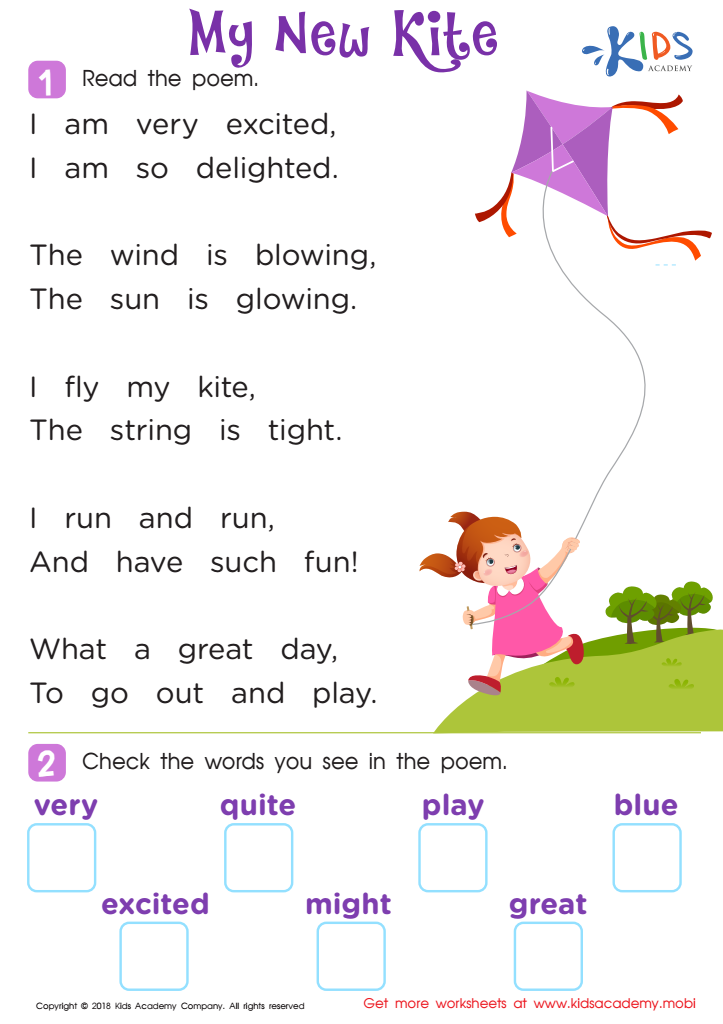
Poem: My New Kite Worksheet
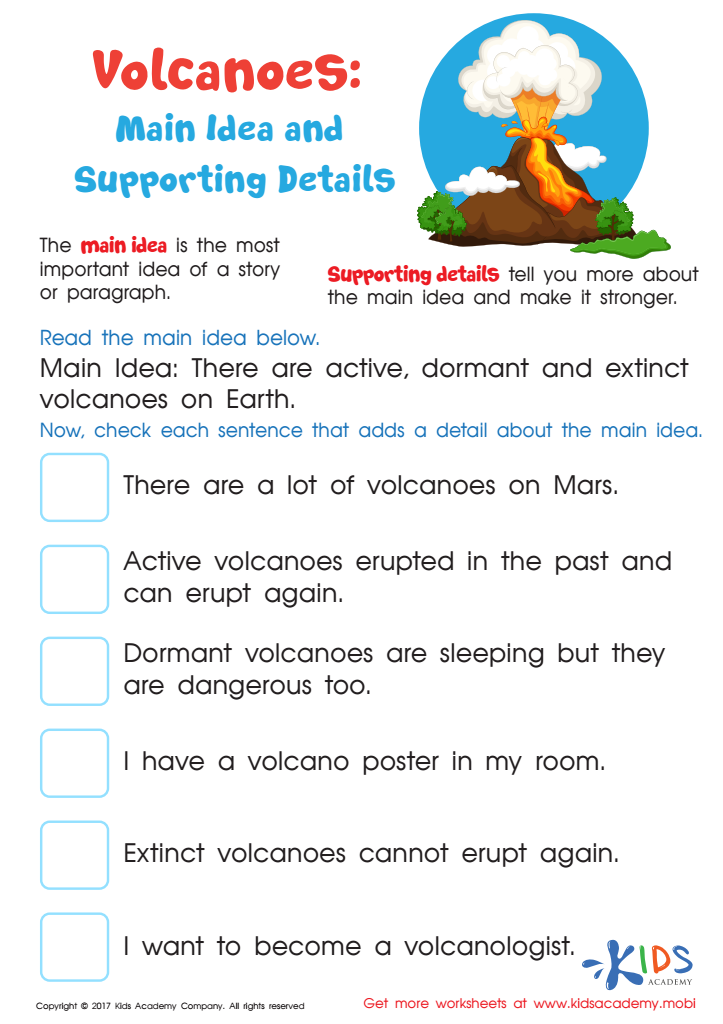
Volcano Facts Worksheet
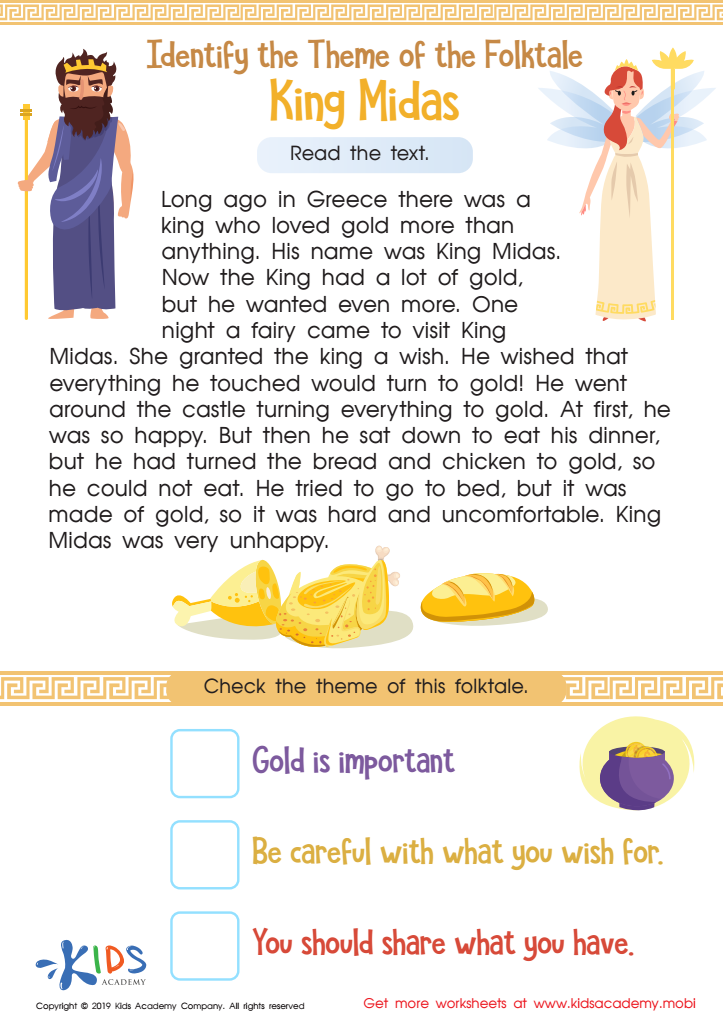
King Midas Worksheet
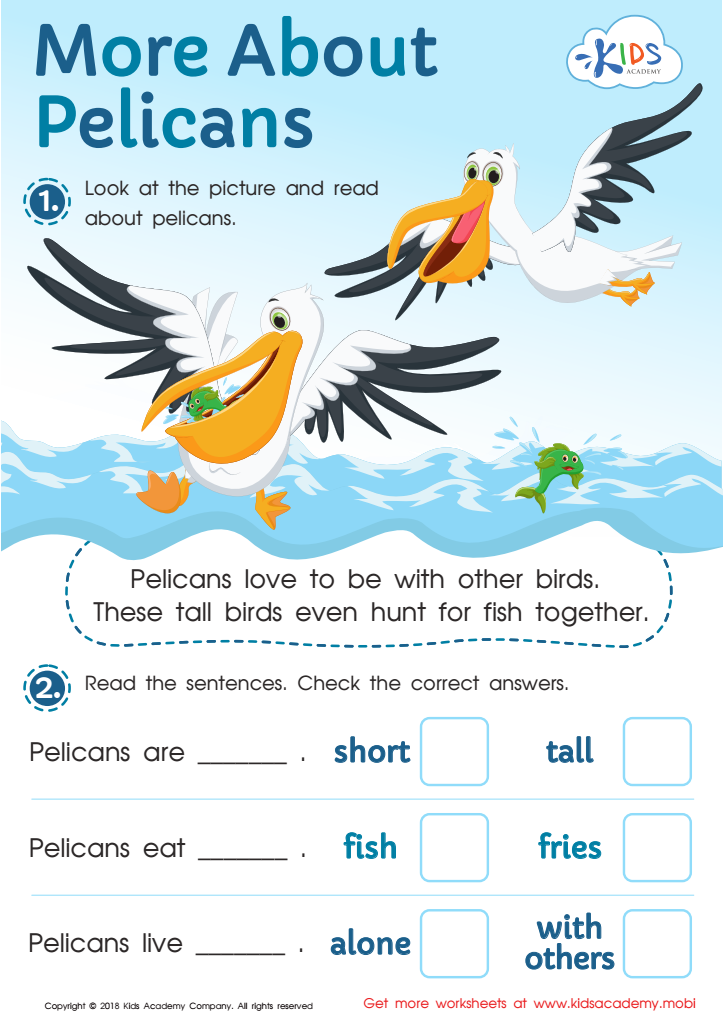
More About Pelicans Worksheet
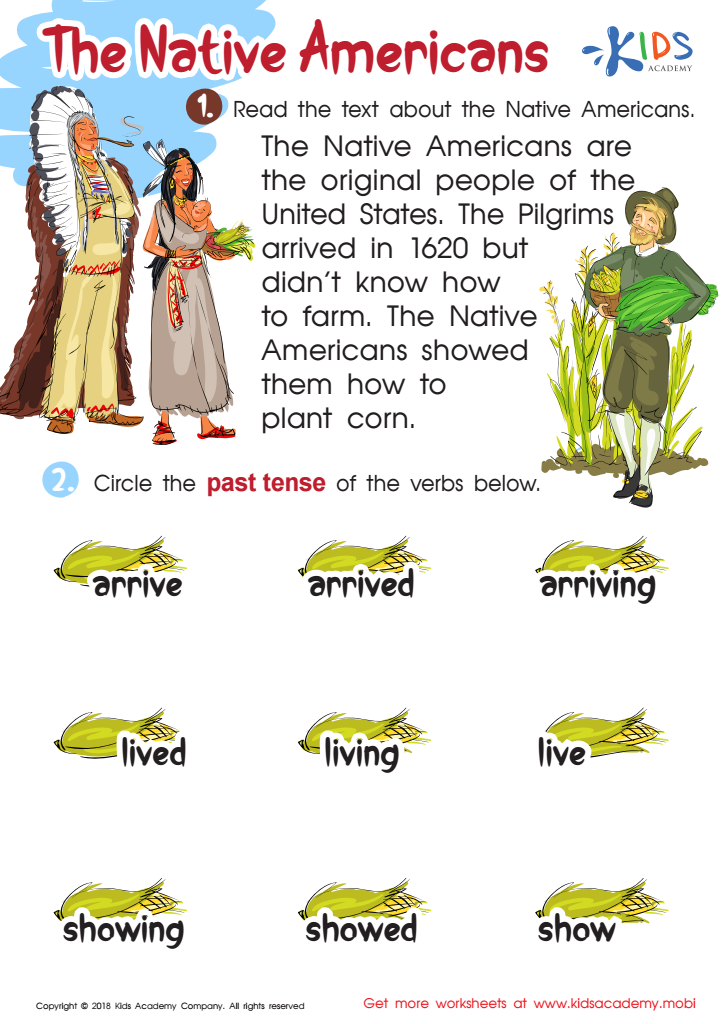
The Native Americans Worksheet
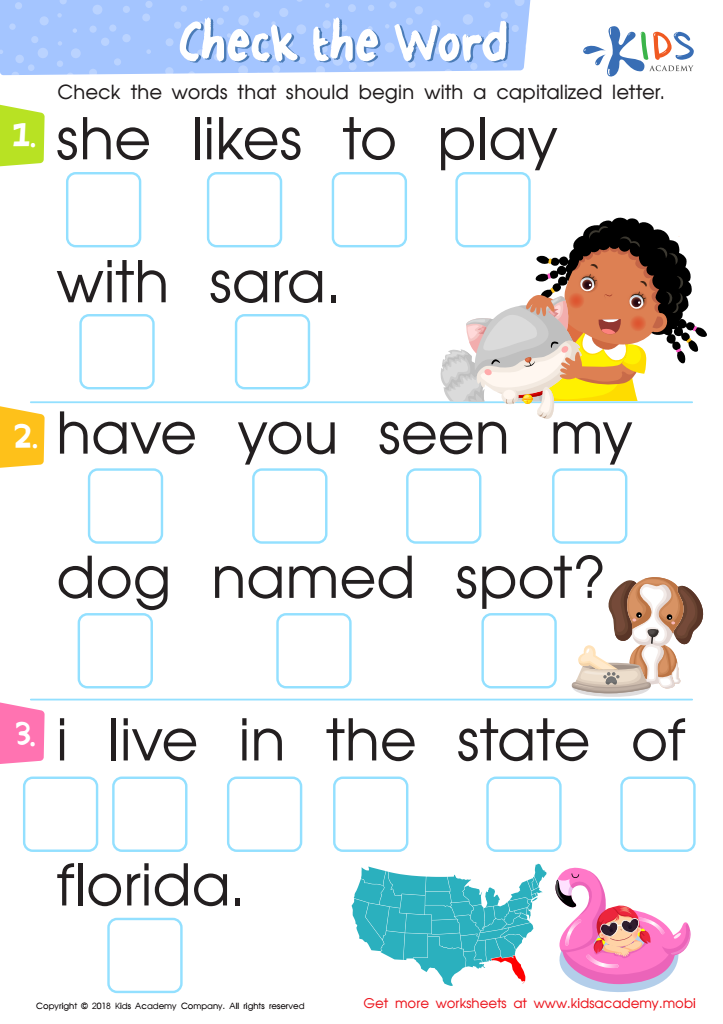
Check the Word Worksheet
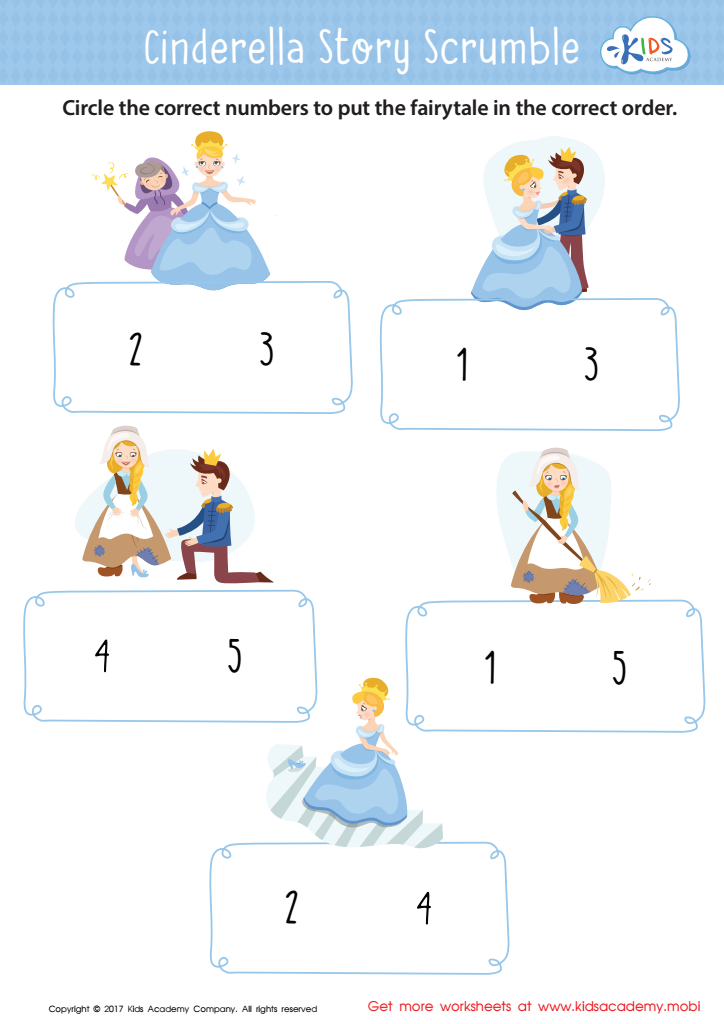
Cinderella Story Sequencing Worksheet
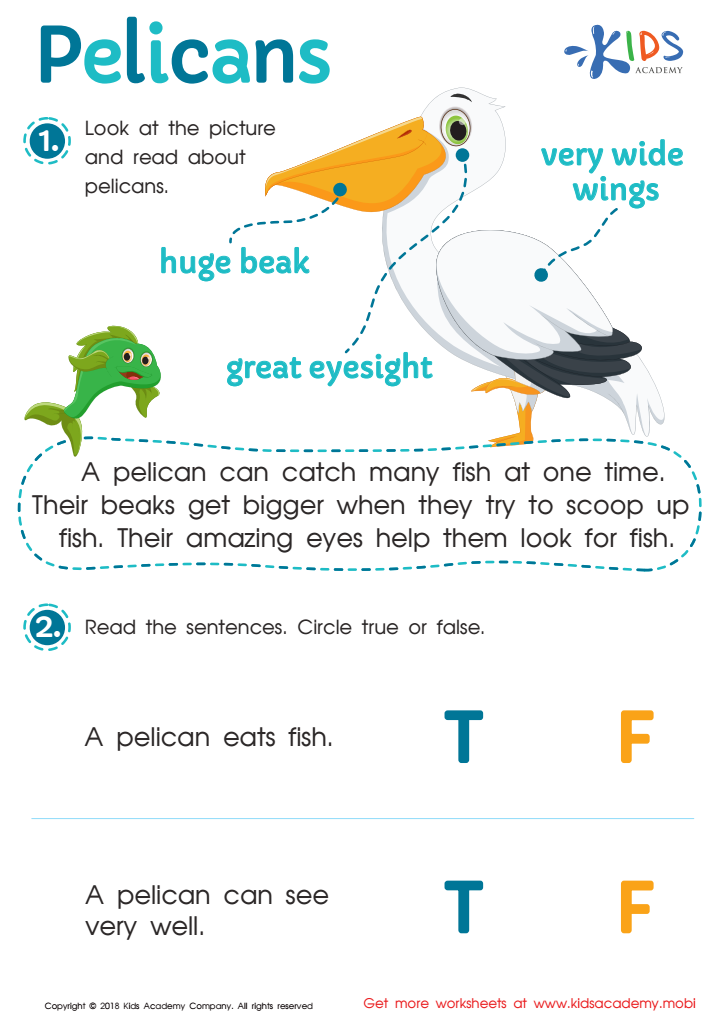
Pelicans Worksheet
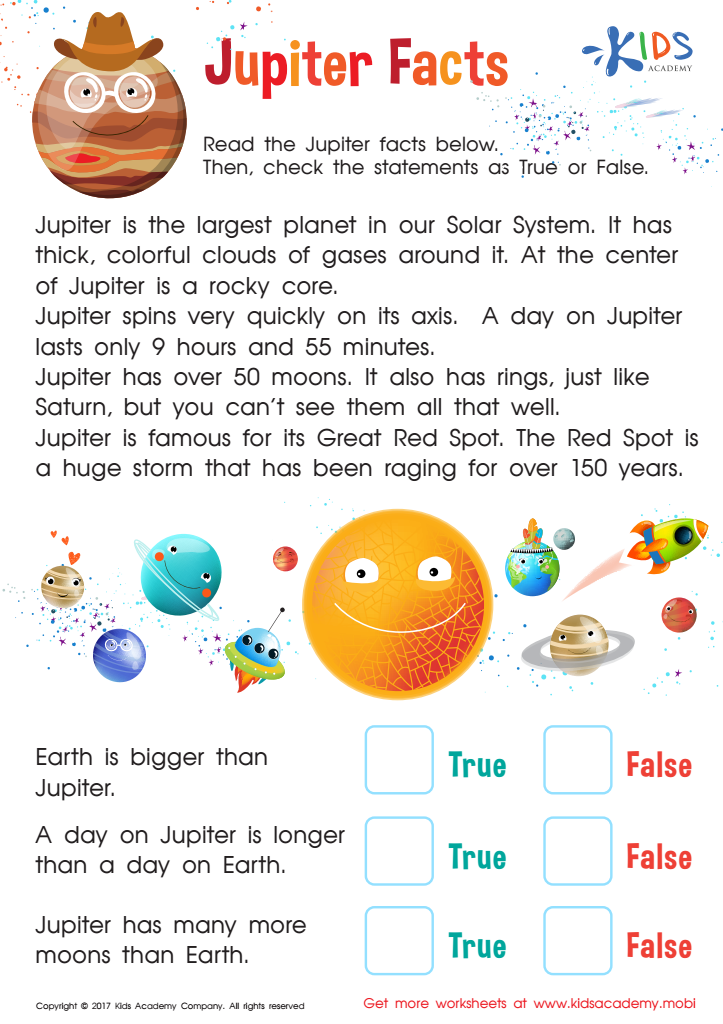
Jupiter Facts Worksheet
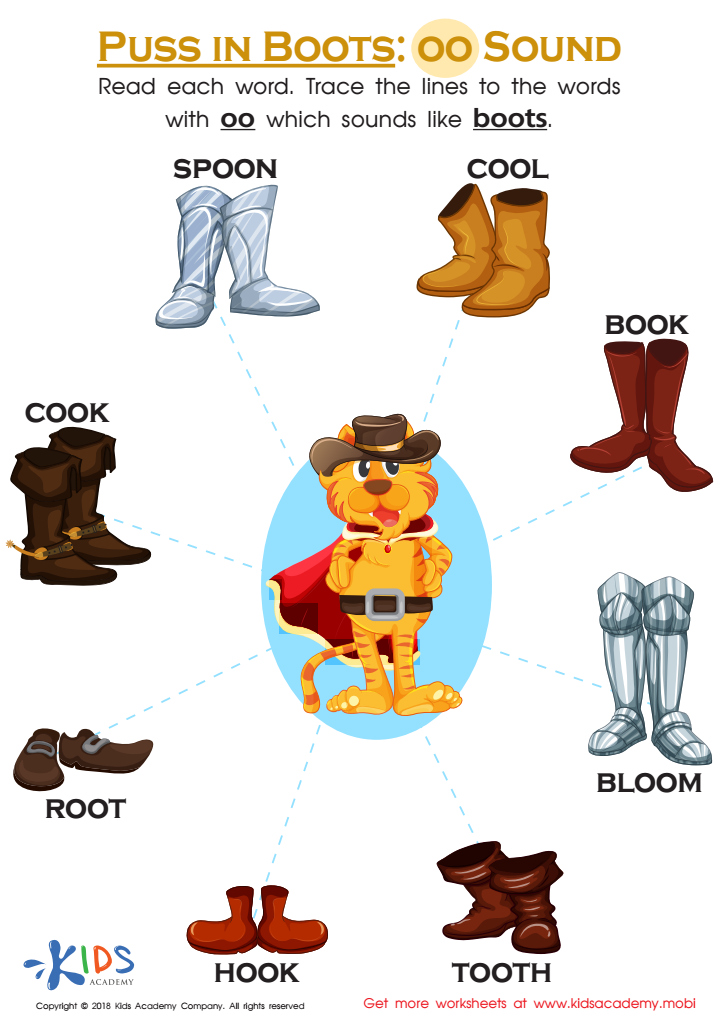
Puss in Boots: OO Sound Worksheet
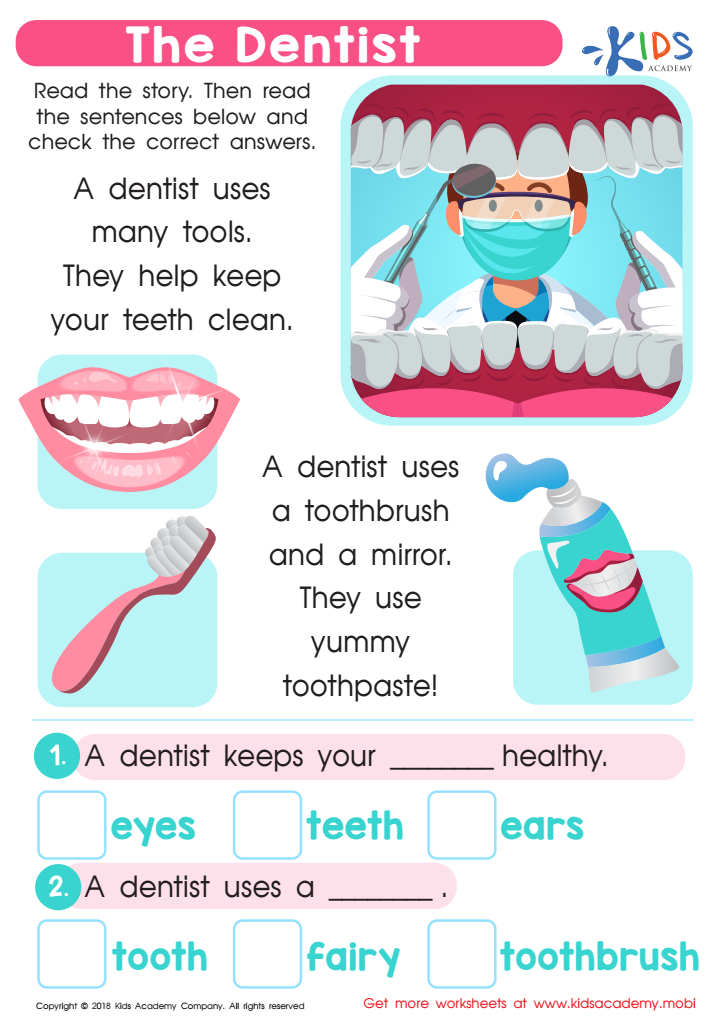
The Dentist Worksheet
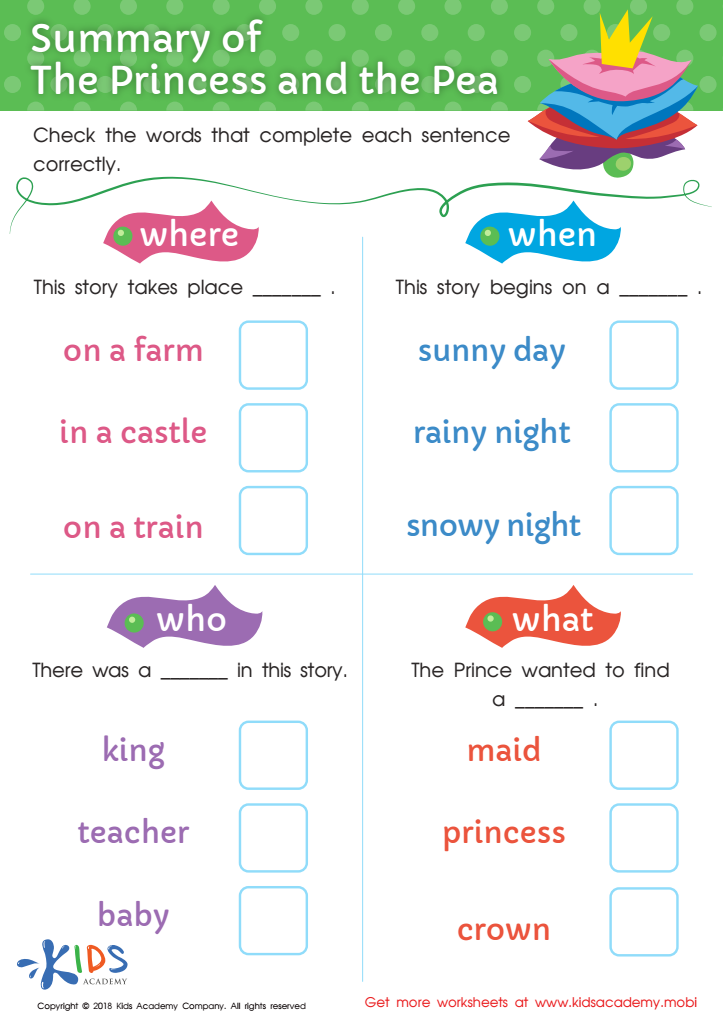
The Summary of the Princess and the Pea Worksheet








Reading comprehension is a foundational skill that significantly impacts a child's academic success and overall development, especially for ages 6-9. During these formative years, children are transitioning from learning to read to reading to learn. A robust understanding of comprehension means that children can not only decode words but also grasp meaning, infer context, and engage critically with texts.
Parents and teachers should prioritize reading comprehension for several reasons. First, it lays the groundwork for future learning; children who excel in comprehension are better prepared for complex subjects later on. Second, good comprehension skills enhance vocabulary and language development, promoting effective communication.
Additionally, developing strong comprehension abilities can foster a lifelong love of reading, encouraging curiosity and creativity. Children adept at understanding what they read tend to perform better in assessments and classroom discussions, leading to increased confidence and motivation.
Moreover, the social and emotional aspects of comprehension—like empathy and perspective-taking—are critical at this age, as students learn to relate to characters and scenarios. Therefore, nurturing reading comprehension during these pivotal years is essential for well-rounded, cognitively and emotionally intelligent children. Through targeted strategies and practice, parents and teachers can help children unlock the full potential of reading.








