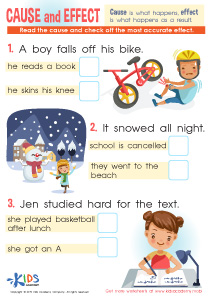
Logical Reasoning Normal Reading Non-Fiction Worksheets for Ages 6-9
3 filtered results
-
From - To
Introducing our engaging Logical Reasoning Normal Reading Non-Fiction Worksheets for ages 6-9! These expertly designed worksheets help young learners develop critical thinking and reasoning skills while enjoying captivating non-fiction texts. Each worksheet encourages students to analyze information, draw conclusions, and solve problems in a fun, accessible way. By integrating logical reasoning exercises with rich reading material, your child will strengthen their comprehension and analytical abilities. Perfect for classrooms and home learning, our resources support early education goals. Foster a love for learning and enhance essential skills with our thoughtfully crafted worksheets, tailored specifically for inquisitive minds aged 6 to 9.
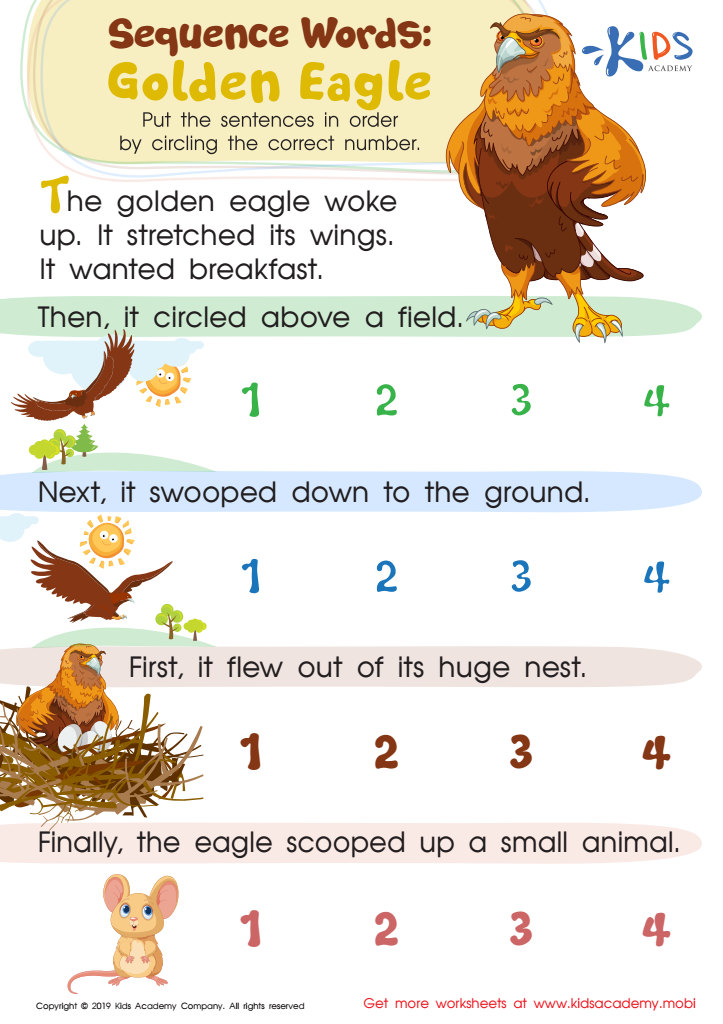
Sequence Word Eagle Worksheet
 Assign to My Students
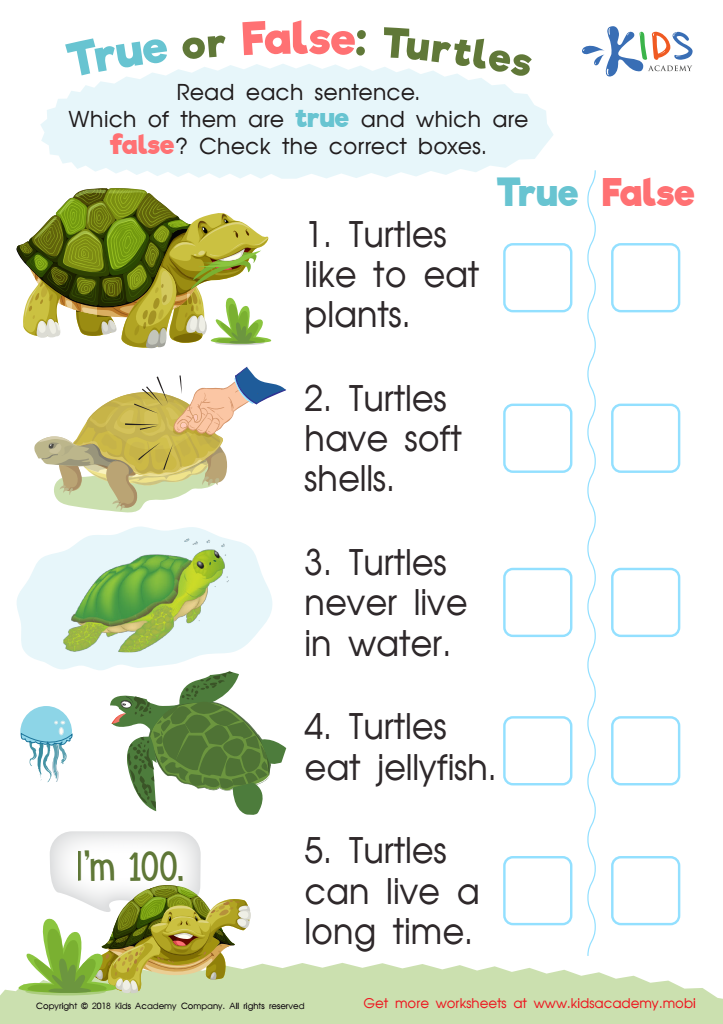
True or False: Turtles Worksheet
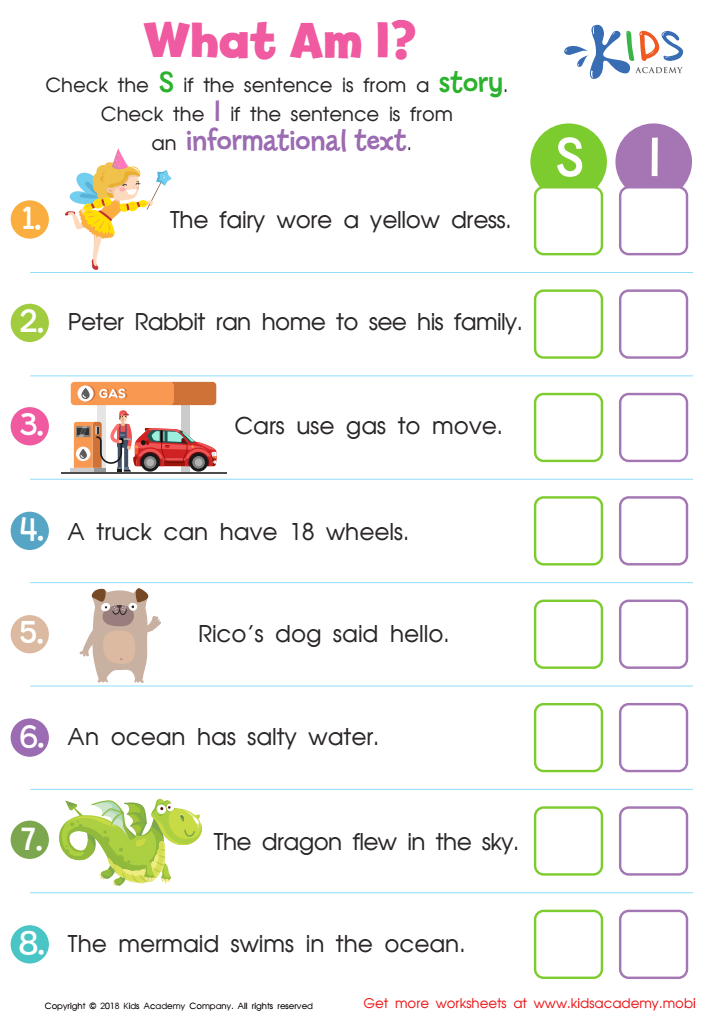
What Am I? Worksheet








Parents and teachers should care about Logical Reasoning Non-Fiction reading materials for children aged 6-9 because these resources play a pivotal role in developing critical thinking skills. At this age, children are naturally curious and eager to learn about the world around them. Non-fiction texts provide them with factual information and insights about various subjects, fostering curiosity and promoting informed understanding.
Logical reasoning skills are essential for problem-solving and decision-making. Engaging with non-fiction texts can enhance children's ability to analyze information, draw conclusions, and recognize patterns. This genre encourages them to ask questions, make predictions, and connect ideas, thereby building a strong foundation for future analytical skills.
Moreover, reading non-fiction helps strengthen vocabulary and comprehension abilities. Children are exposed to new terminology and concepts that expand their linguistic skills, preparing them for more complex texts as they grow. By choosing logical reasoning non-fiction, parents and teachers can support children’s cognitive development, instill a love for reading, and equip them to navigate the increasingly complex world around them.
Ultimately, fostering logical reasoning through engaging non-fiction can help nurture enthusiastic learners who are better prepared for academic success and real-world challenges.