Animal Classification Normal Animals Worksheets for Ages 6-9
6 filtered results
-
From - To
Discover our engaging "Animal Classification Worksheets" designed specifically for children ages 6-9. These vibrant, printable resources make learning about normal animals exciting and fun! Young learners will explore various animal categories, such as mammals, birds, reptiles, and more, while developing crucial scientific skills. The worksheets feature interactive activities that encourage critical thinking, observation, and creativity, making it easy for kids to grasp essential concepts in the natural world. With a variety of exercises, including matching, sorting, and drawing, these worksheets ensure a well-rounded educational experience. Bring the wonders of animal classification into your home or classroom today!
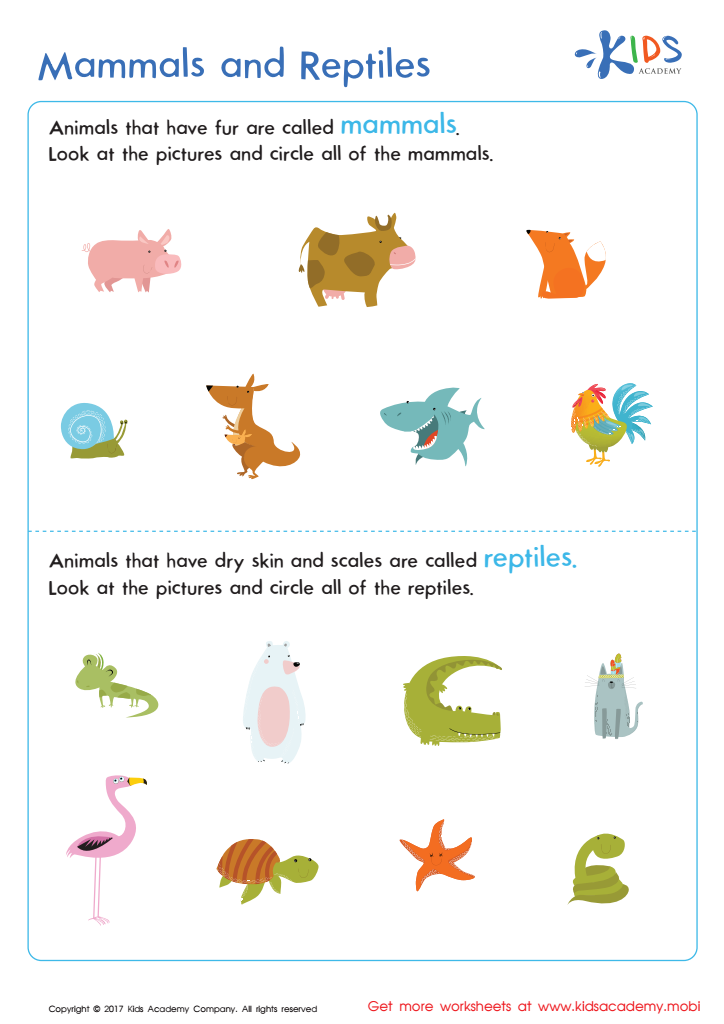
Mammals and Reptiles Worksheet
 Assign to My Students
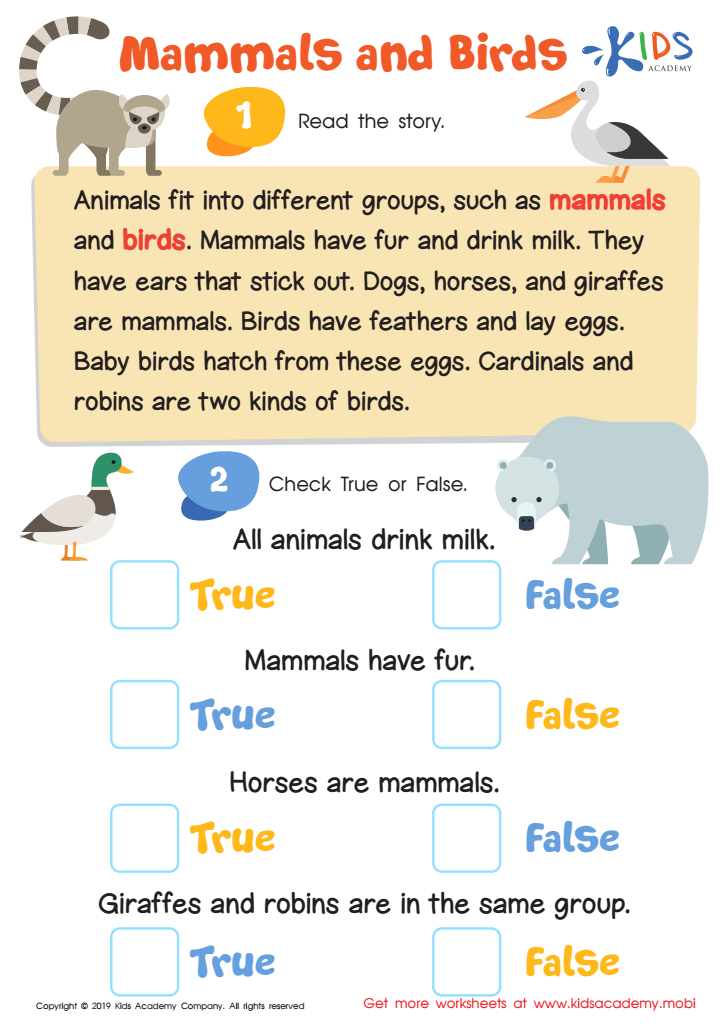
Mammals and Birds Worksheet
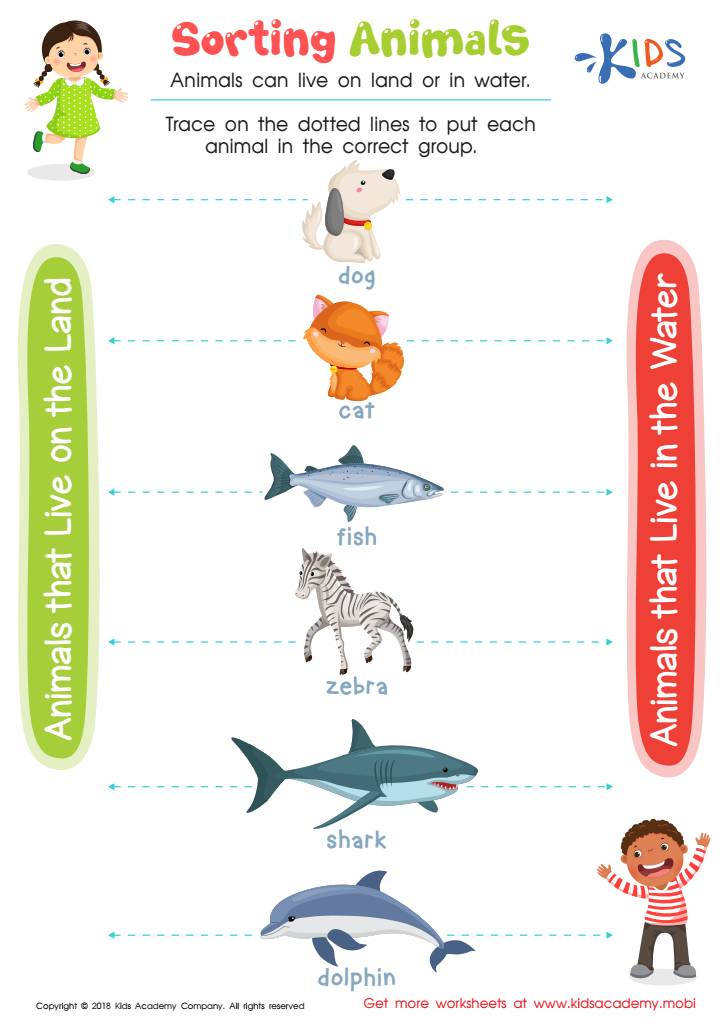
Sorting Animals Worksheet
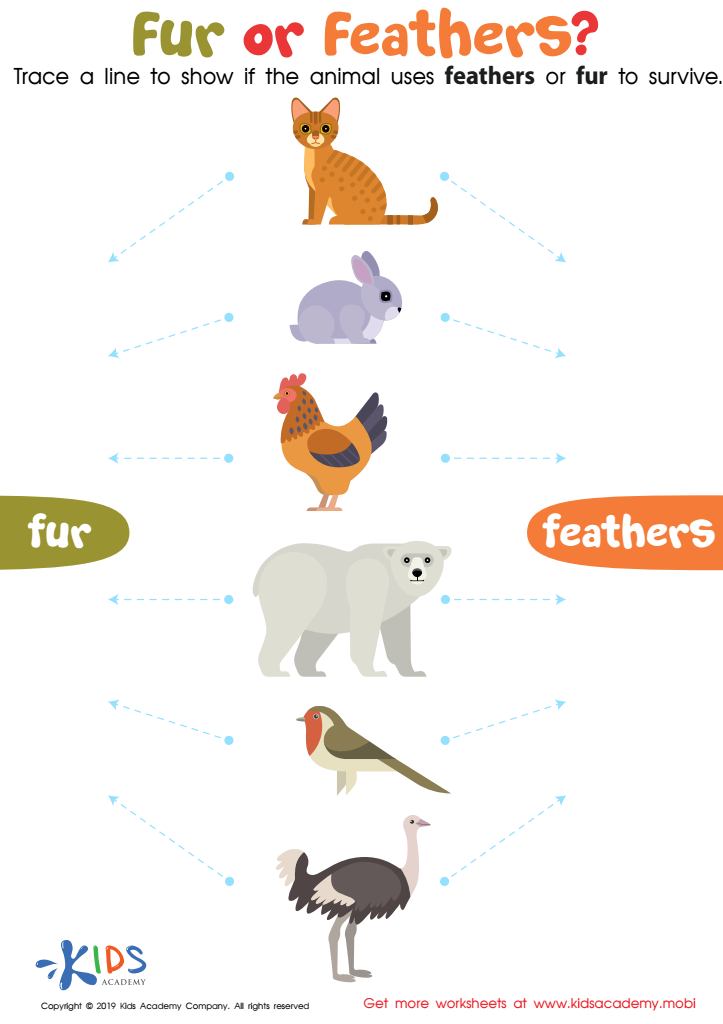
Fur or Feathers? Worksheet
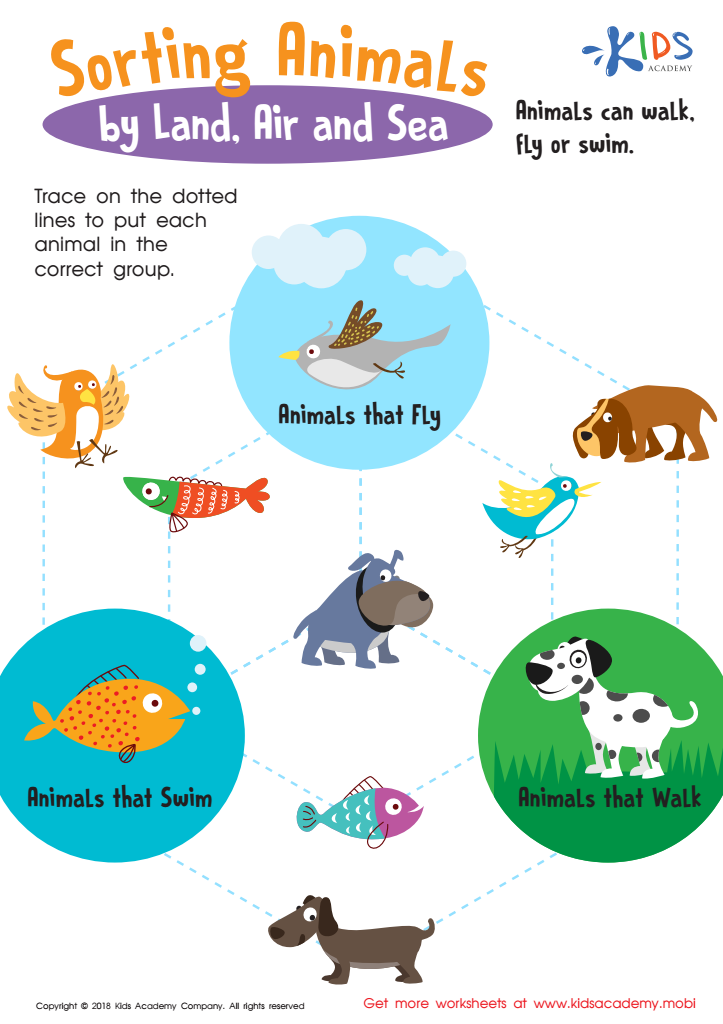
Sorting Animals by Land, Air and Sea Worksheet
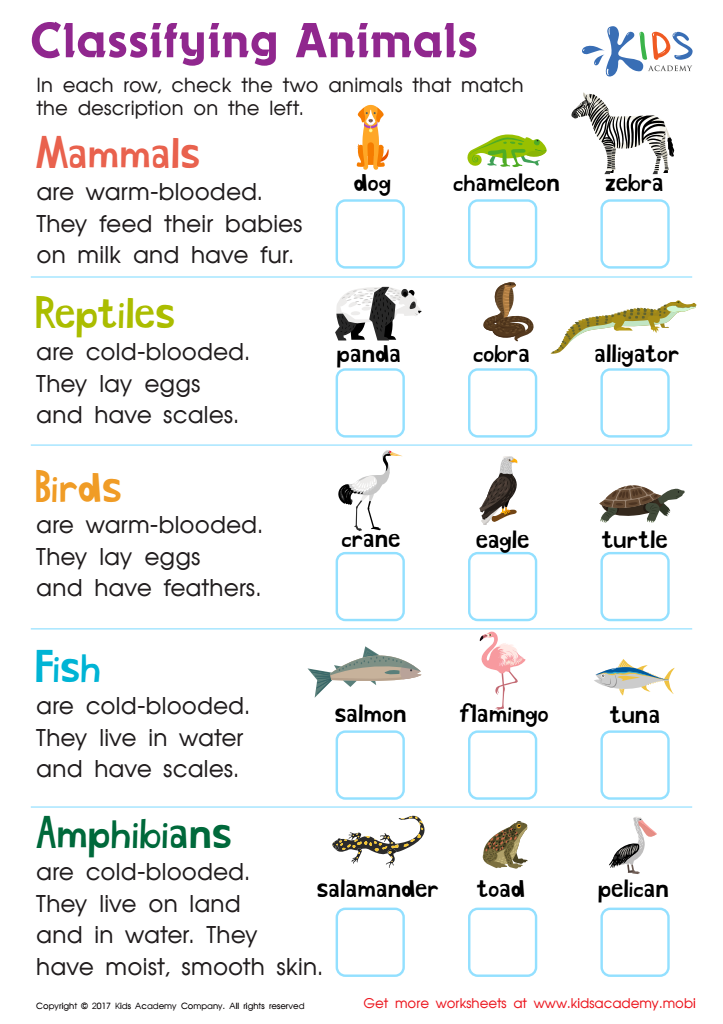
Classifying Animals Worksheet




%20(1).jpg)



Animal classification is a fundamental topic for children aged 6-9, and understanding it offers numerous benefits for both parents and teachers. One primary reason to care about this subject is that it helps children to make sense of the natural world. By learning about different animal categories—such as mammals, birds, reptiles, amphibians, and fish—children can better understand the characteristics and behaviors that define each group. This creates a solid foundation for scientific thinking and inquiry.
Furthermore, animal classification encourages observational skills and critical thinking. Engaging children in activities like sorting animals fosters curiosity and nurtures an appreciation for biodiversity. When kids learn to recognize the similarities and differences between species, they become more aware of the environment and the importance of conservation.
Moreover, animal classification can ignite a passion for learning about biology and ecology that may inspire future career choices. For parents and teachers, promoting knowledge in this area cultivates a child’s empathy towards all living beings and nurtures a sense of responsibility for our planet. Overall, animal classification enriches educational experiences, fosters cognitive growth, and instills important values related to nature and science.








