Categorization skills Normal Science Worksheets for Ages 6-9
4 filtered results
-
From - To
Enhance your child's learning experience with our "Categorization Skills Normal Science Worksheets" designed specifically for ages 6-9. These engaging worksheets foster critical thinking and help young learners classify objects, concepts, and living things. By completing various activities, children will develop essential cognitive skills that influence their ability to sort and categorize effectively. Each worksheet features colorful illustrations and relatable themes that make science fun and easy to understand. Perfect for at-home learning or classroom use, these worksheets encourage independent exploration while reinforcing essential science knowledge. Boost your child’s confidence and skills in science with our thoughtfully crafted categorization worksheets today!
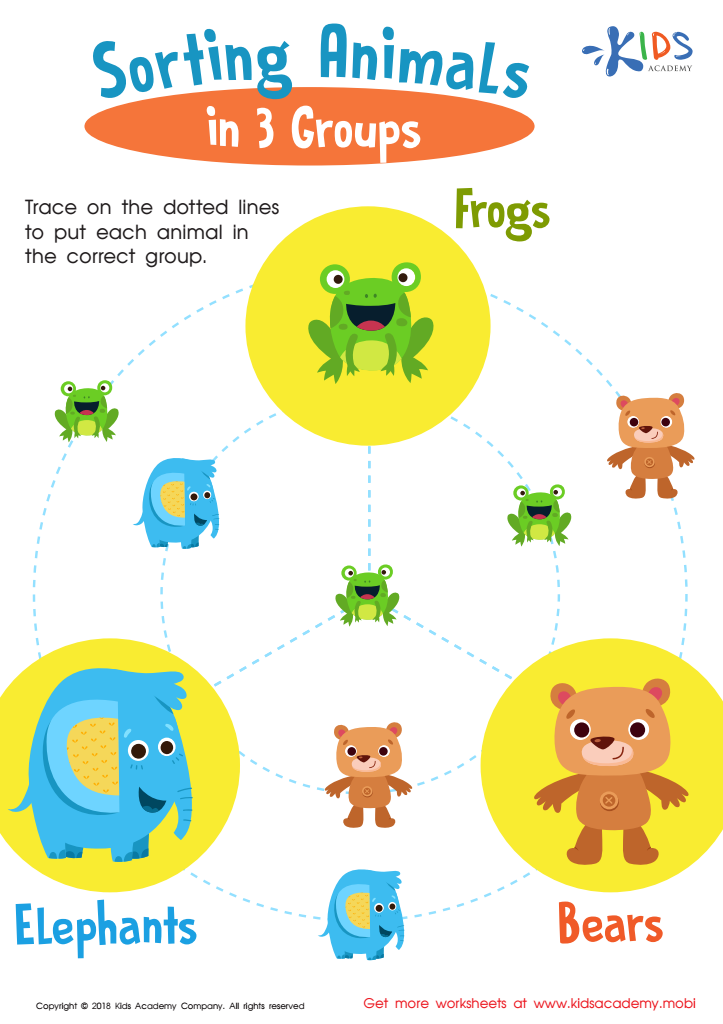
Sorting Animals in 3 Groups Worksheet
 Assign to My Students
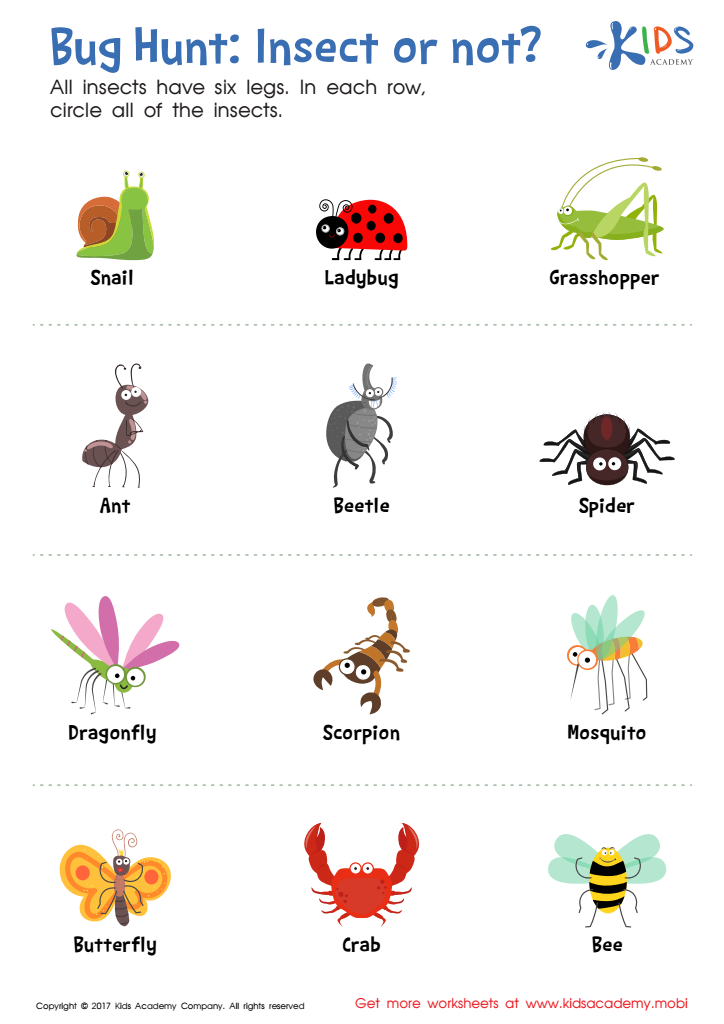
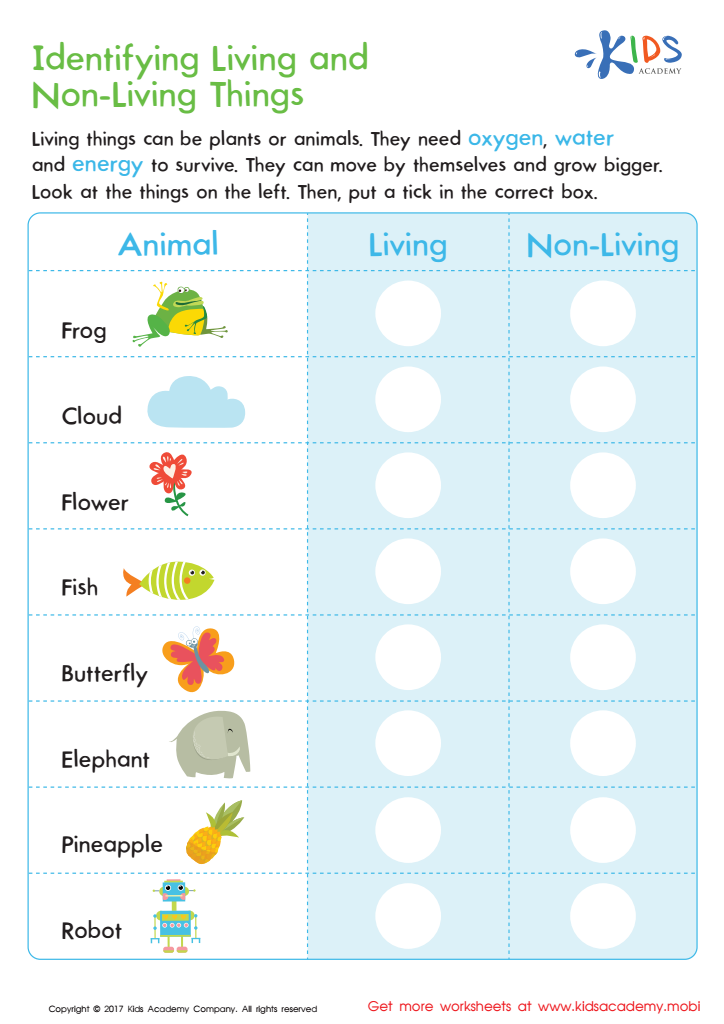
Identifying Living or Non–living Worksheet
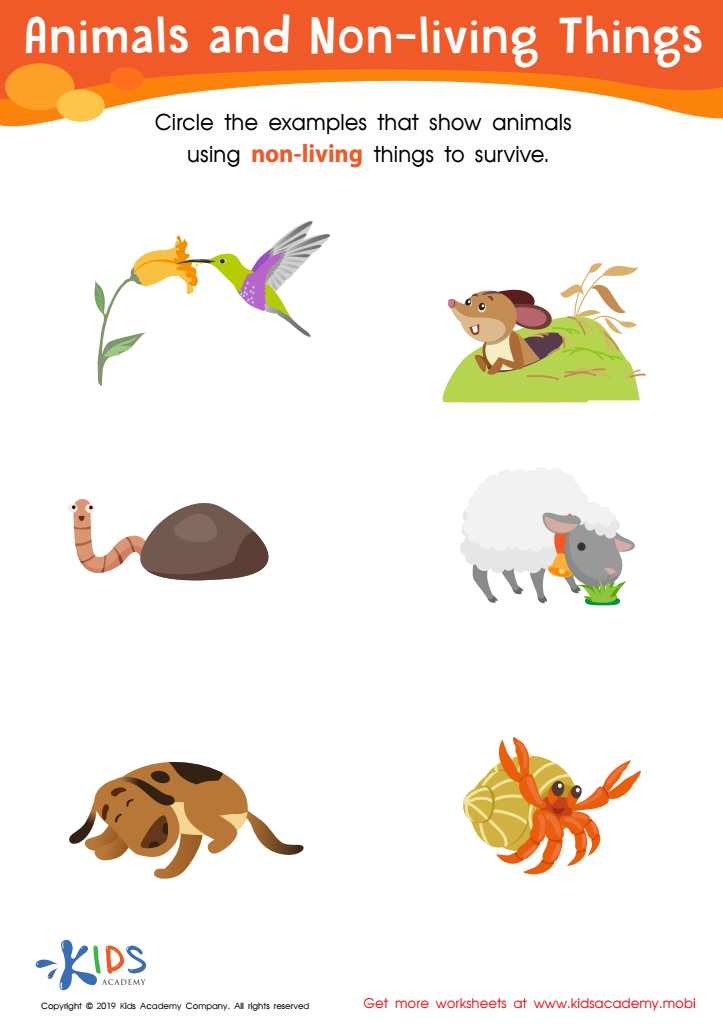
Animals and Non-Living Things Worksheet


.jpg)



Categorization skills in early childhood, particularly ages 6-9, are essential for cognitive development and learning. During this stage, children are naturally inclined to classify and group information as they explore their environments. Parents and teachers should care about normalization science in this context because it aids kids in understanding and organizing their world, which is foundational for more complex skills.
Categorization allows children to make sense of new concepts by relating them to familiar experiences. It enhances critical thinking, as students decide what fits into different categories and recognize similarities and differences. This foundational skill influences areas such as language development, mathematics, and scientific reasoning.
Moreover, strong categorization skills can improve problem-solving abilities and boost confidence as children learn to classify based on their knowledge. In a collaborative learning environment, such as a classroom, these skills foster communication and cooperation, as students work together on projects or share ideas. By nurturing these abilities, parents and teachers can significantly bolster a child’s academic success and resilience, helping them develop into independent thinkers and active learners prepared for future challenges. Investing in categorization education is investing in a child’s long-term growth and adaptability in a rapidly changing world.







