Developing critical thinking Normal Science Worksheets for Ages 6-9
3 filtered results
-
From - To
Enhance your child's critical thinking skills with our engaging Normal Science Worksheets designed specifically for ages 6-9. These worksheets encourage young learners to explore, analyze, and inquire about the world around them. Featuring age-appropriate activities and thought-provoking questions, students will develop essential reasoning skills while enjoying hands-on science exploration. Topics include problem-solving, observation, and decision-making, making learning both fun and effective. Perfect for classroom use or at-home learning, these worksheets foster curiosity and creativity. Equip your child with the critical thinking tools they need for future academic success. Discover a world of science learning today!
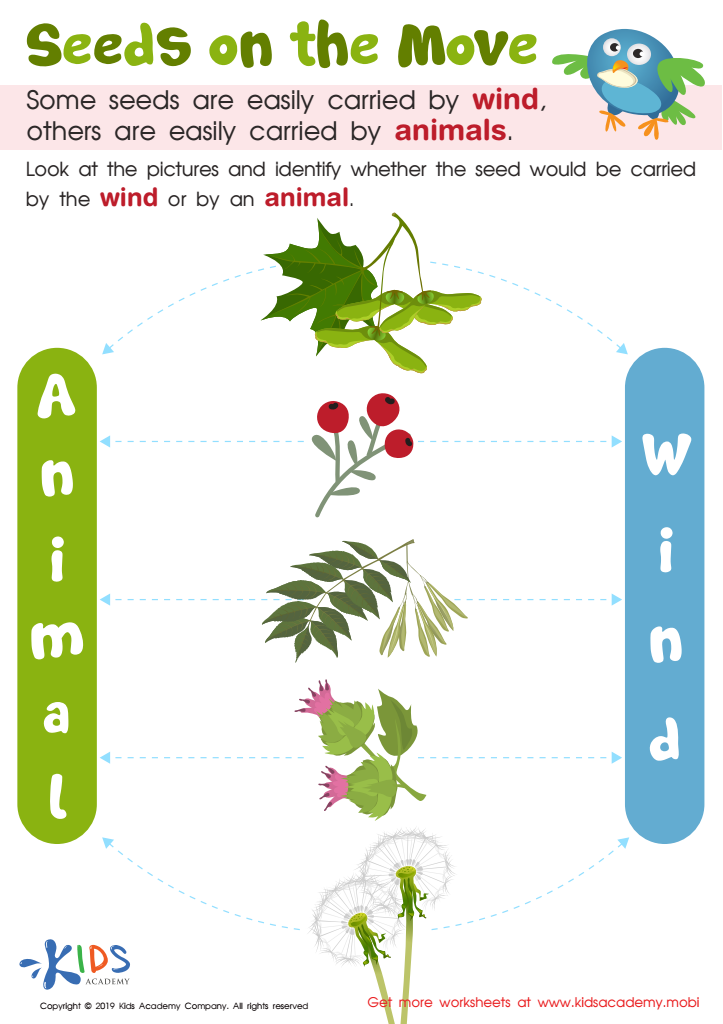
Seeds on the Move Worksheet
 Assign to My Students
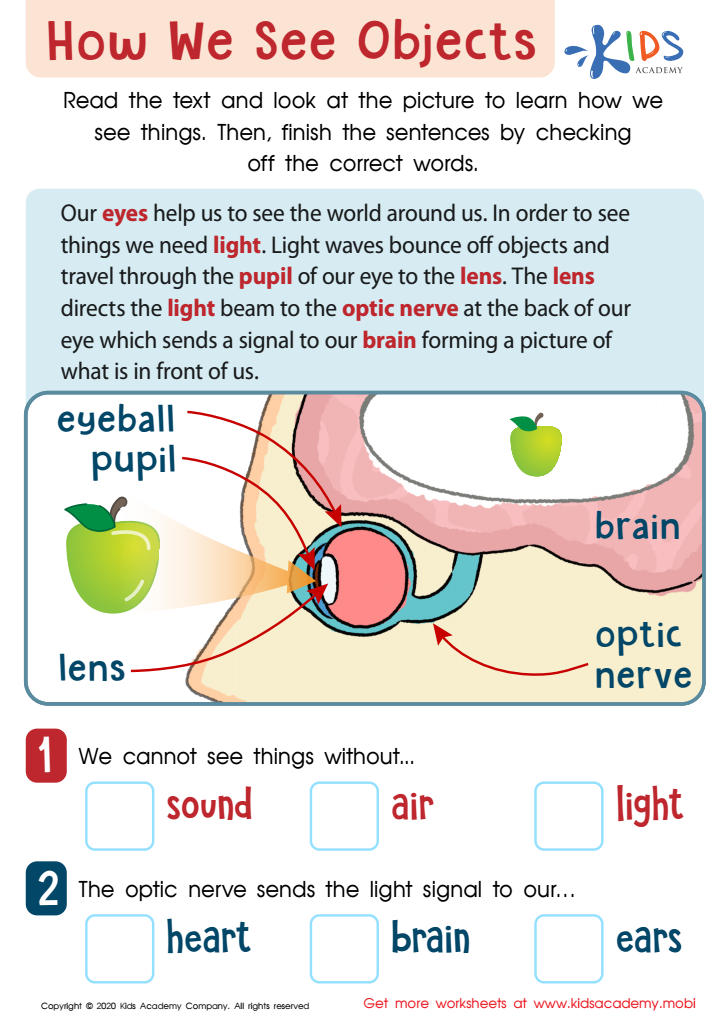
How We See Objects Worksheet
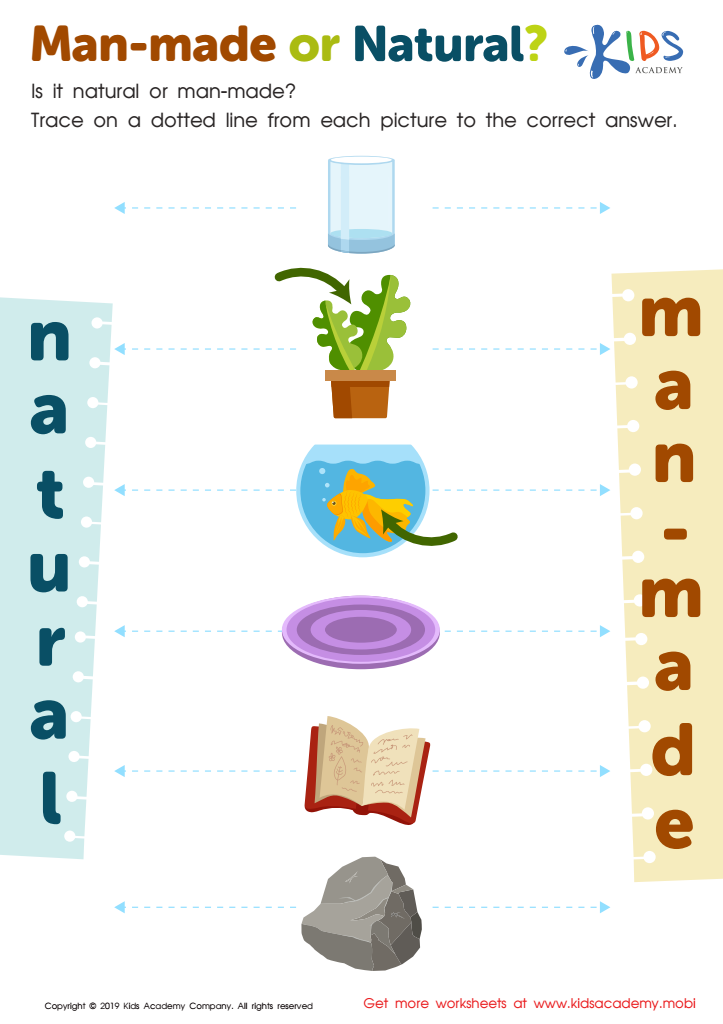
Man-Made or Natural? Worksheet








Developing critical thinking in young children, especially in the realm of science, is crucial for several reasons. Firstly, it equips children with the ability to analyze information logically and make informed decisions. At ages 6-9, children are naturally curious, and normal science concepts—like understanding plants, animals, and the weather—can ignite that curiosity and foster a love for learning. By encouraging critical thinking within these areas, parents and teachers help children develop problem-solving skills that are essential for navigating everyday challenges.
Furthermore, critical thinking lays the foundation for scientific literacy. In an age where misinformation is rampant, teaching young children to ask questions, evaluate sources, and draw conclusions becomes essential. Science is not just about memorizing facts; it is about exploring, experimenting, and understanding the world around us.
Additionally, fostering critical thinking enhances a child's ability to communicate their ideas effectively and collaborate with peers, two skills vital for personal and academic success. Ultimately, by nurturing critical thinking through normal science, parents and teachers empower children to become inquisitive, independent thinkers who are prepared for a rapidly changing world. Investing in their critical thinking skills now will benefit them academically and in life.







