Knowledge application Normal Science Worksheets for Ages 6-9
5 filtered results
-
From - To
Discover engaging Knowledge Application Normal Science Worksheets designed for children ages 6-9. Our worksheets encourage young learners to explore scientific concepts through fun and interactive activities. These resources help build critical thinking and problem-solving skills as kids apply their knowledge to real-world scenarios. Covering topics like Earth science, biology, and simple physics, each worksheet is tailored to foster curiosity and a deeper understanding of the natural world. Perfect for classroom use or at-home learning, these worksheets provide a solid foundation for your child’s scientific education. Inspire a love for science early on with our specially crafted printable resources!
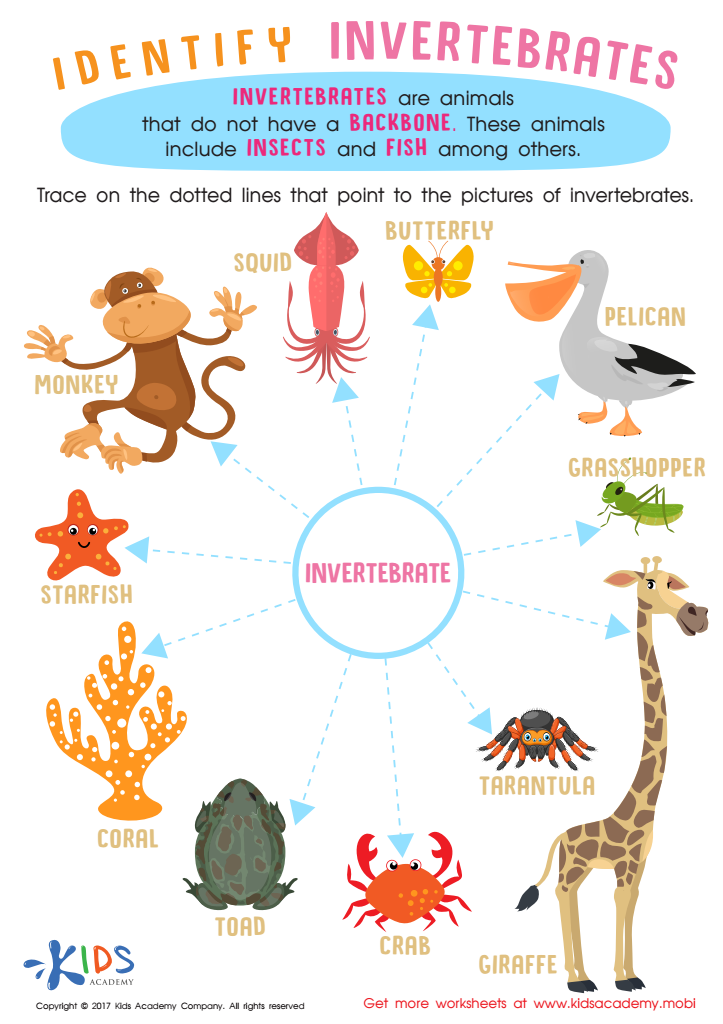
Invertebrates Worksheet for Grade 3
 Assign to My Students
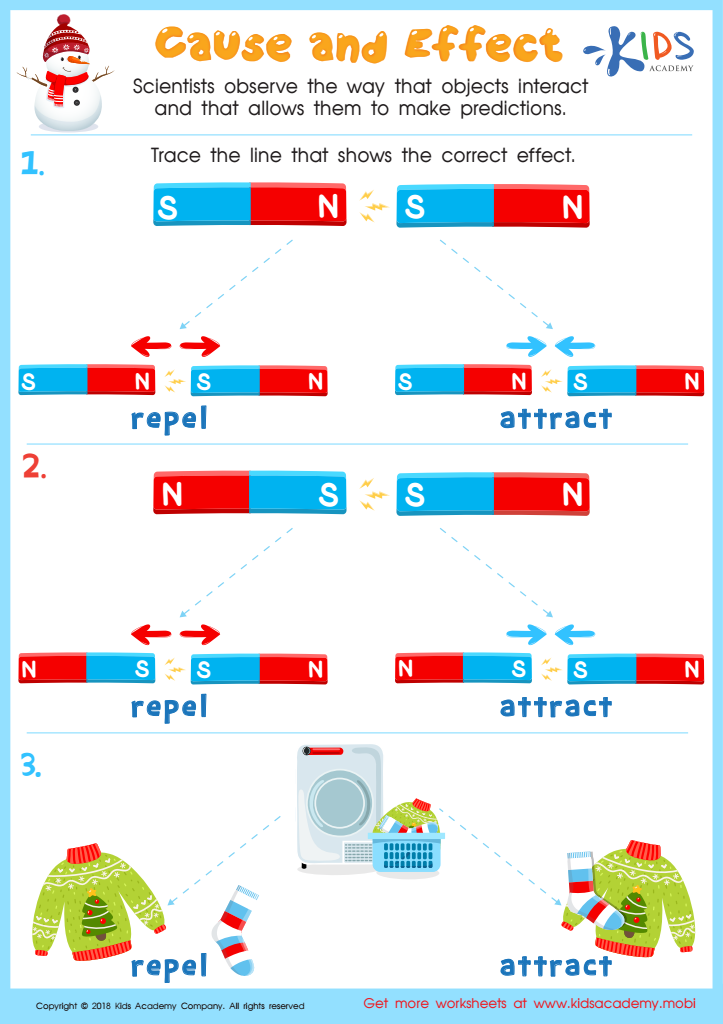
Repel and Attract Magnet Worksheet
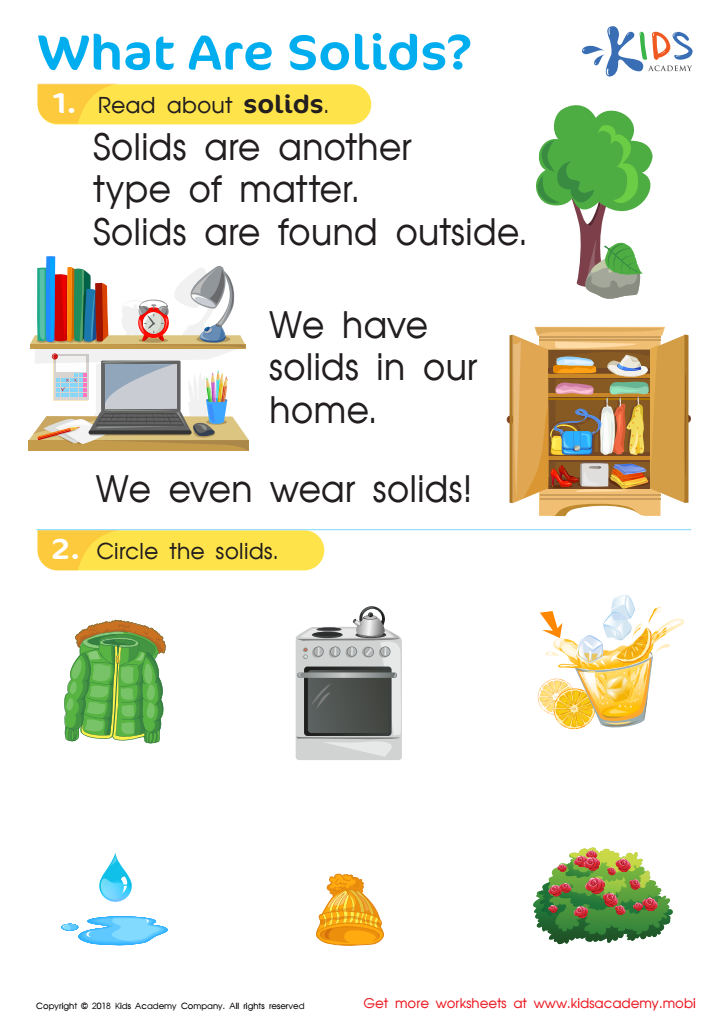
What Are Solids? Worksheet
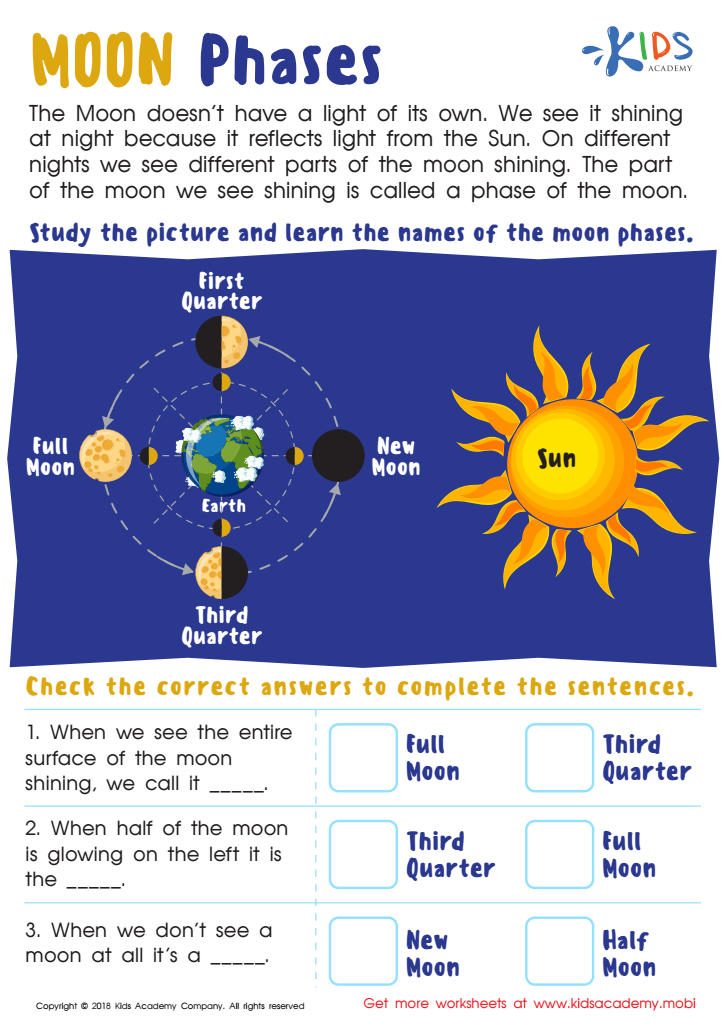
Moon Phases Worksheet
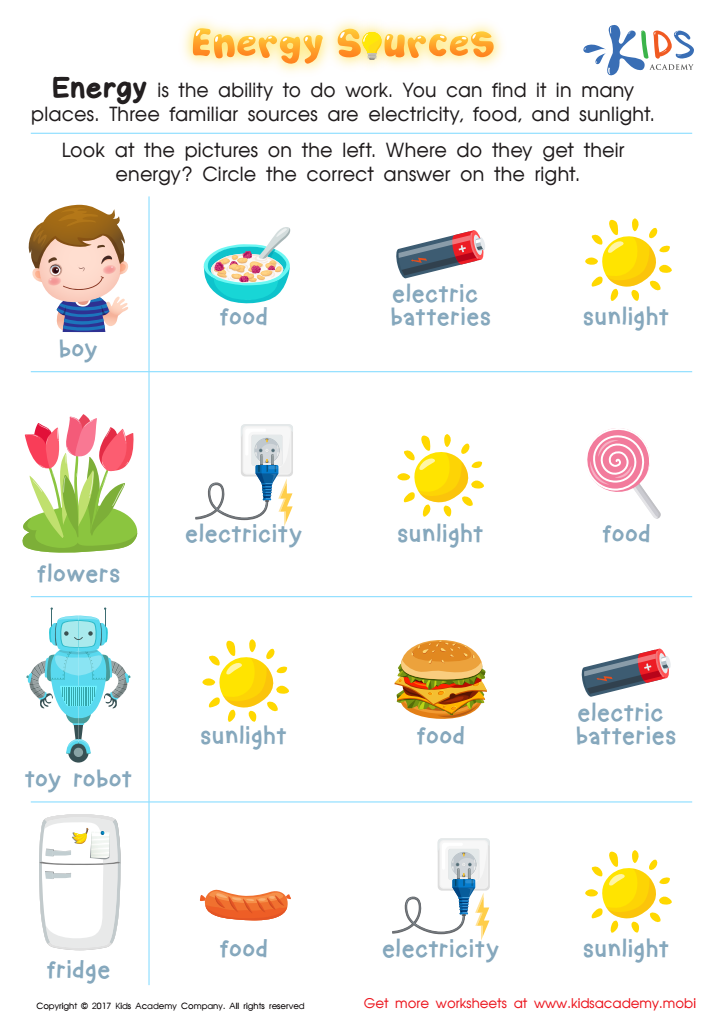
Energy Sources Printable






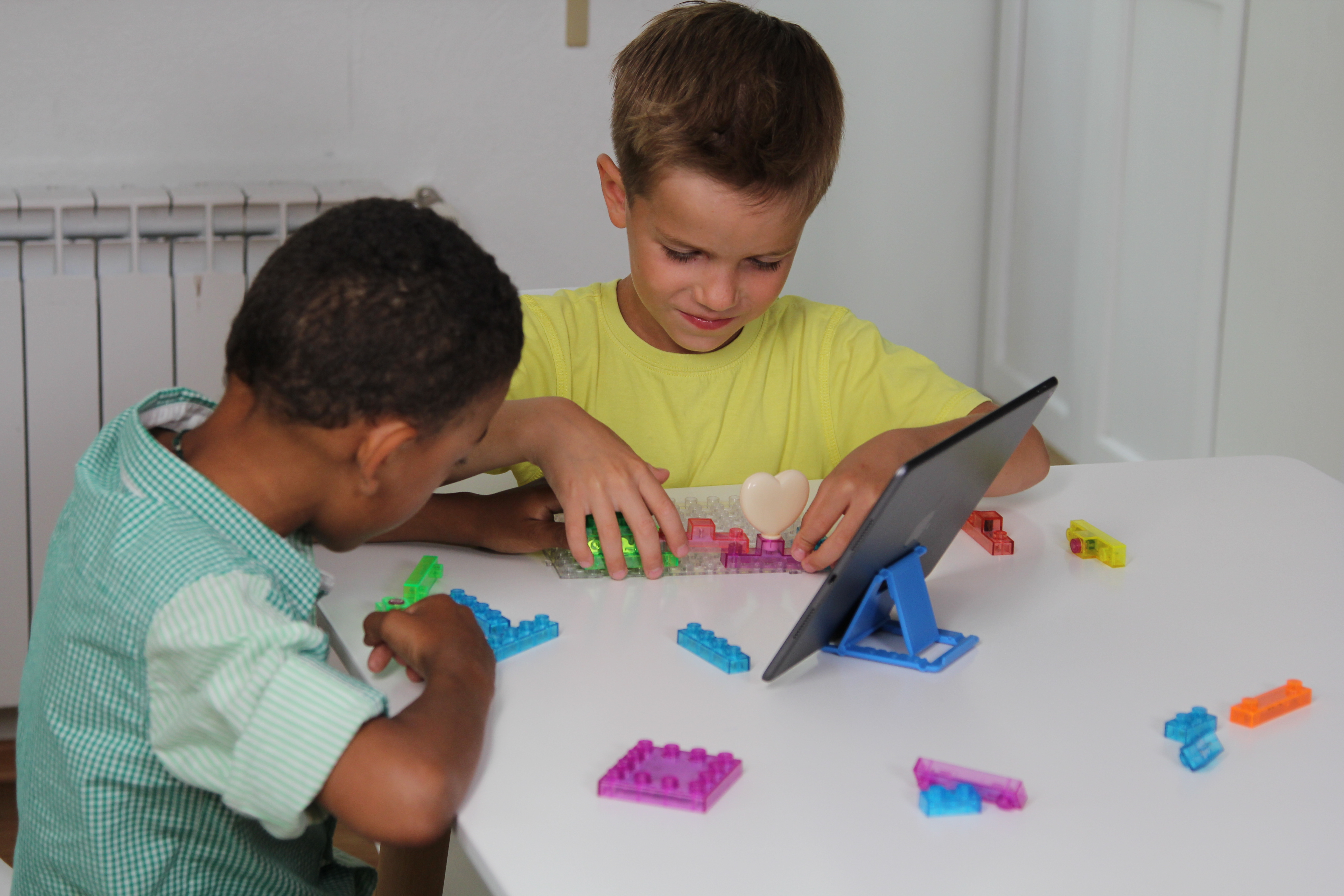

Knowledge application in Normal Science for children aged 6-9 is vital for several reasons. First, this phase of early education is crucial for fostering curiosity and critical thinking. At this age, children are naturally inquisitive and eager to explore the world around them. When parents and teachers encourage scientific knowledge application, they help children develop essential problem-solving skills and promote a deeper understanding of scientific concepts.
Moreover, early exposure to hands-on experimentation allows children to connect theoretical knowledge with real-world applications. This active learning approach cultivates a sense of agency and empowers students to ask questions, investigate, and arrive at conclusions independently. Such engagement not only enhances cognitive development but also builds confidence in their abilities as young scientists.
Furthermore, Normal Science encourages collaboration and communication among peers, vital skills for success in life. By working on projects together, children learn to share ideas, listen to others, and negotiate solutions, laying the groundwork for social development.
Ultimately, when parents and teachers prioritize knowledge application in science, they equip children with foundational skills that extend beyond the classroom, fostering a lifelong love for learning and inquiry. This investment in early education directly contributes to shaping informed, innovative citizens of the future.







