Problem-Solving Skills Normal Physical Science Worksheets for Ages 6-9
3 filtered results
-
From - To
Unlock your child's potential with our engaging Problem-Solving Skills Normal Physical Science Worksheets designed for ages 6-9! These carefully crafted worksheets make learning fun while helping children develop critical thinking and logical reasoning abilities. Covering essential concepts in physical science, our resources encourage exploration and inquiry, fostering an early love for science. Each worksheet is age-appropriate, featuring vibrant illustrations and interactive activities that captivate young minds. As students tackle various challenges, they'll enhance their problem-solving skills and build confidence. Ideal for classroom use or homeschooling, these worksheets are perfect for nurturing curious minds in a playful and supportive learning environment.
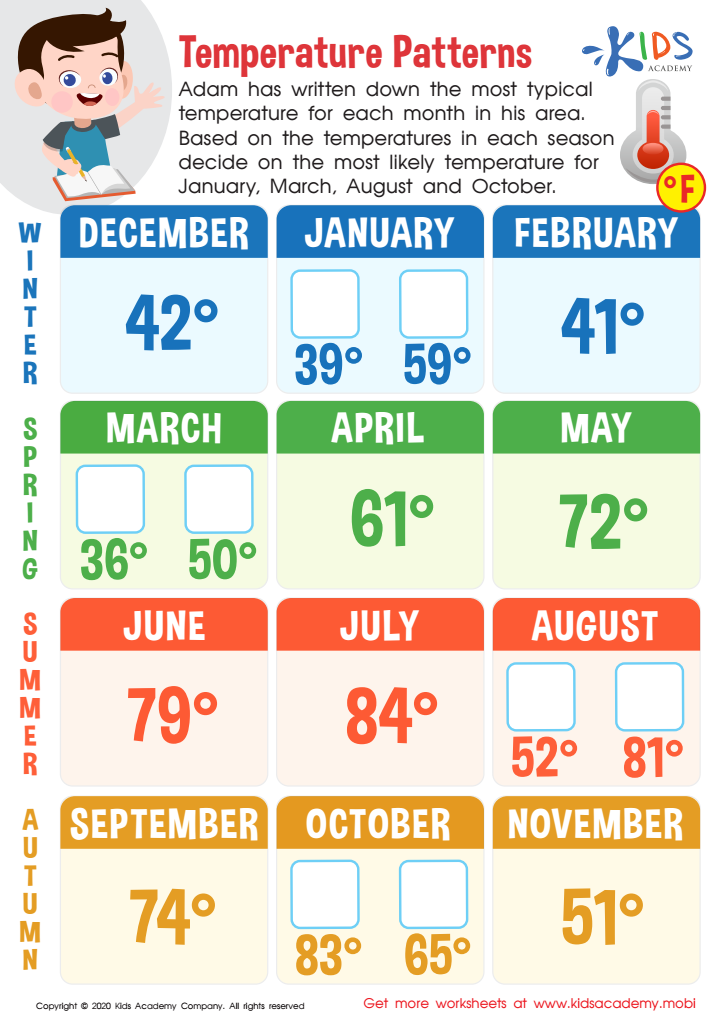
Temperature Patterns Worksheet
 Assign to My Students
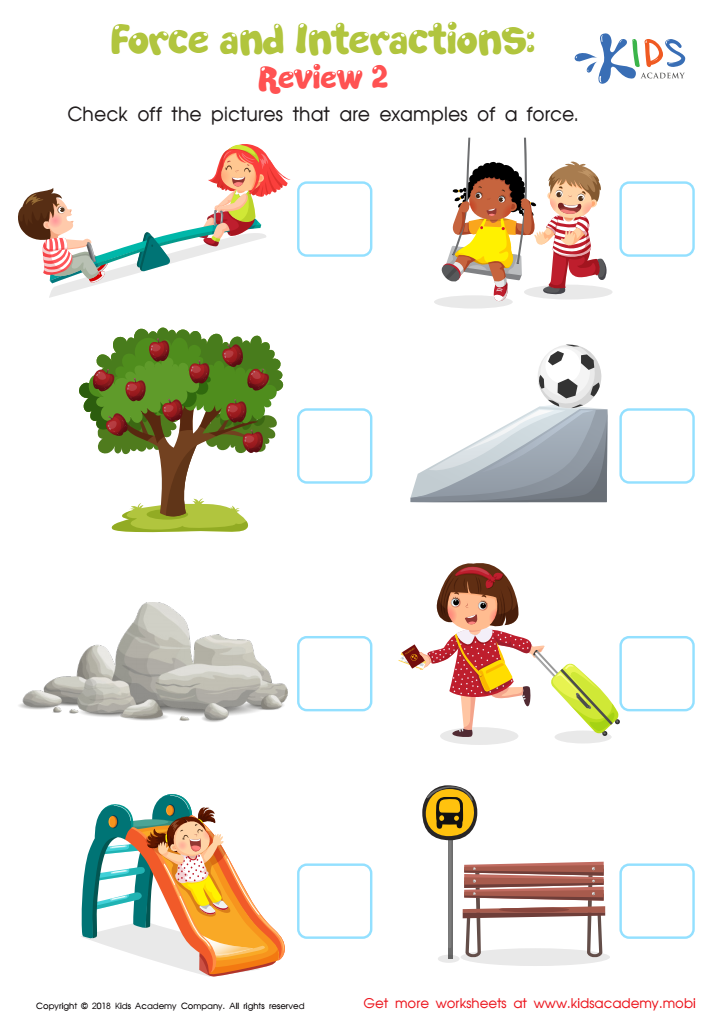
Force and Interactions: Review 2 Worksheet
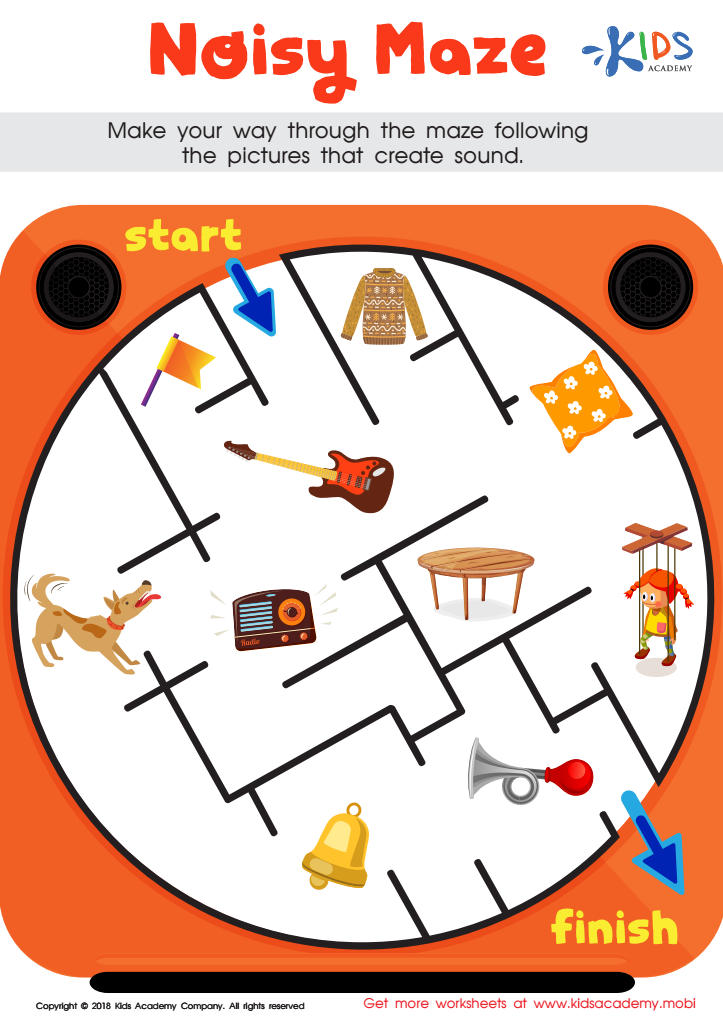
Noisy Maze Worksheet







.jpg)
Parents and teachers should prioritize problem-solving skills in Normal Physical Science for children aged 6-9 because these skills form the foundation for critical thinking, creativity, and resilience. At this developmental stage, children are naturally curious and eager to explore the world around them. Encouraging them to engage with physical science concepts fosters that curiosity and helps them learn how to observe, hypothesize, experiment, and analyze results.
Problem-solving in physical science involves hands-on activities that teach kids to ask questions, seek solutions, and evaluate outcomes. This active engagement not only deepens their understanding of scientific principles but also equips them with transferable skills like logical reasoning and collaboration—important tools for lifelong learning.
Moreover, as they face scientific challenges, children develop persistence and learn that failure can be part of the learning process. This mindset instills confidence and motivates them to tackle more complex problems in the future.
By integrating problem-solving within the physical science curriculum, both parents and teachers nurture well-rounded individuals capable of thinking critically about their environment. In a world that increasingly values innovation and adaptability, fostering these early skills sets children on a path toward success in both academic and real-world scenarios.







