Critical thinking skills Normal Plants and Animals Worksheets for Ages 6-9
3 filtered results
-
From - To
Enhance your child’s critical thinking skills with our expertly designed "Normal Plants and Animals Worksheets" for ages 6-9. These engaging, printable worksheets encourage young learners to explore the fascinating world of plants and animals through stimulating activities that sharpen reasoning and analytical abilities. Each worksheet is carefully crafted to foster observational skills, logical thinking, and problem-solving capabilities. Whether it's comparing plant parts or understanding animal habitats, these educational resources provide a solid foundation in science while making learning fun and interactive. Perfect for both classroom and at-home education, our worksheets are designed to inspire curiosity and a love for nature.
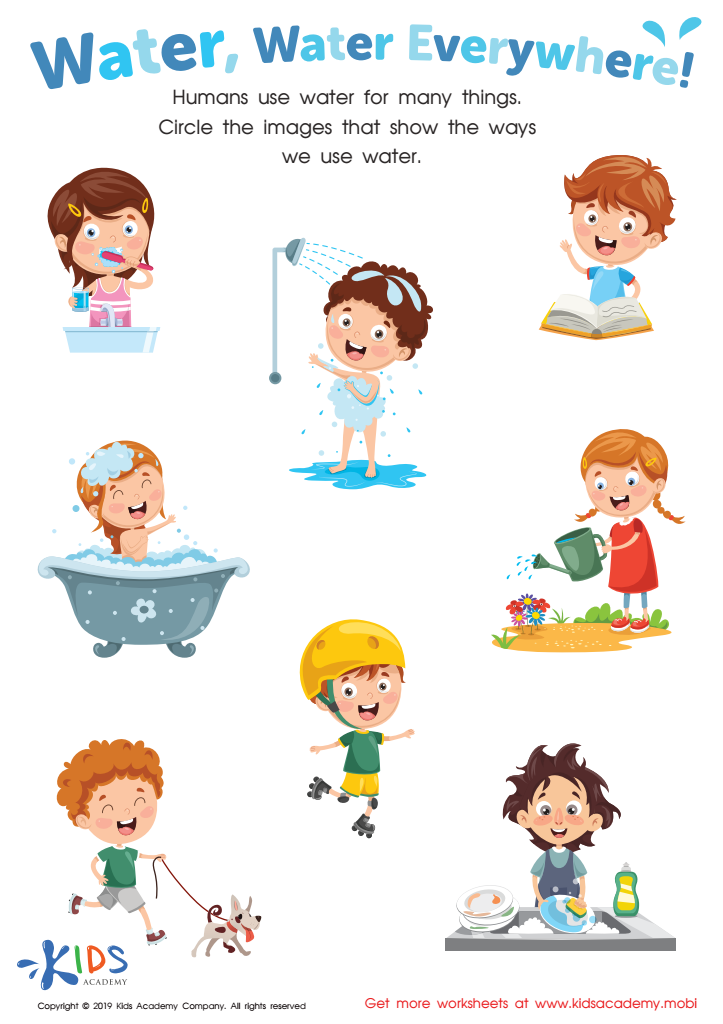
Water, Water Everywhere! Worksheet
 Assign to My Students


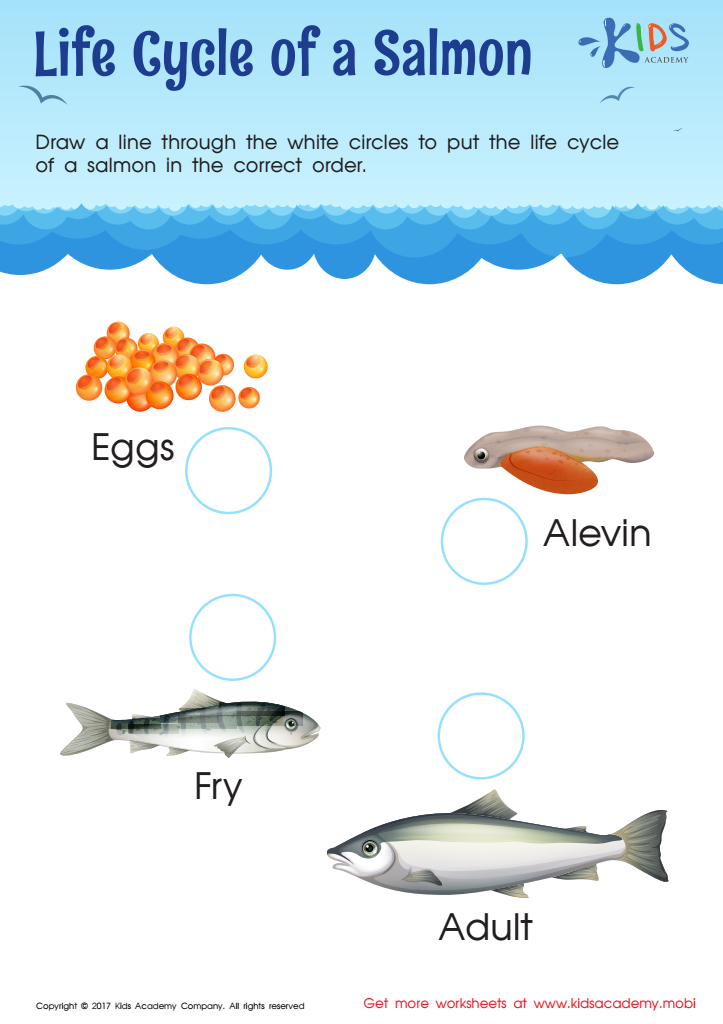
Cycle Of Salmon Worksheet
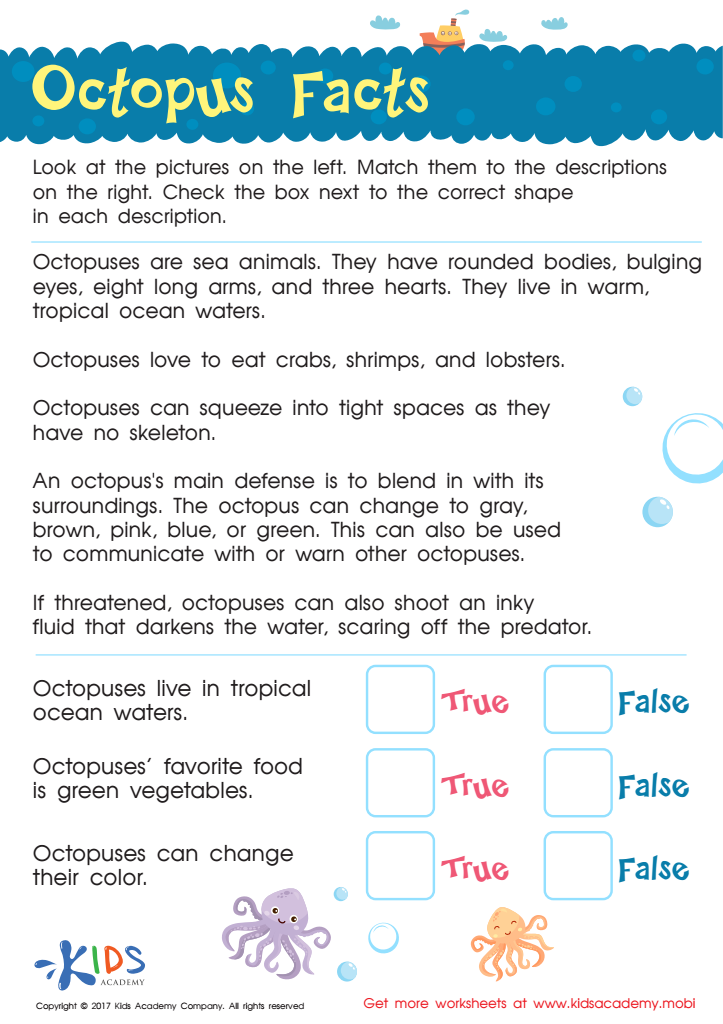
Octopus Facts Worksheet For Kids








Critical thinking skills are essential for children aged 6-9 as they lay the foundation for lifelong learning and problem-solving abilities. At this developmental stage, young learners are naturally curious about the world around them. Encouraging critical thinking helps them make sense of the information they encounter, fostering more profound understanding and retention of knowledge. It equips them to question, analyze, and form their own opinions, which boosts their confidence and autonomy. This level of empowerment in early education can significantly influence their future academic success and everyday decision-making.
Understanding normal plants and animals further complements this critical thinking development. As children observe and learn about their environment, they begin to ask questions about how these living things grow, survive, and interact with their surroundings. This exploration promotes an appreciation for science and nature, critical parts of a well-rounded education. Hands-on activities, such as growing a plant or observing local wildlife, stimulate curiosity and provide practical, relatable experiences that are instrumental in grounding abstract concepts.
Overall, nurturing critical thinking skills and an understanding of plants and animals prepares children to be thoughtful, informed, and empathetic individuals. It also lays an educational groundwork, making complex subjects more accessible and engaging as they progress through their schooling years.







