Environmental awareness Normal Plants and Animals Worksheets for Ages 6-9
4 filtered results
-
From - To
Introduce young learners to the wonders of nature with our "Environmental Awareness Normal Plants and Animals Worksheets" tailored for ages 6-9. These engaging worksheets are designed to develop respect for nature while enhancing observational skills. Children explore various plant and animal life through fun activities, learning how to identify different species and understand their roles in the ecosystem. Perfect for teachers and parents, these printables provide a foundation in science and environmental stewardship, encouraging a lifelong appreciation and responsibility for Mother Earth. Spark curiosity and inspire young minds with these expertly crafted educational resources.
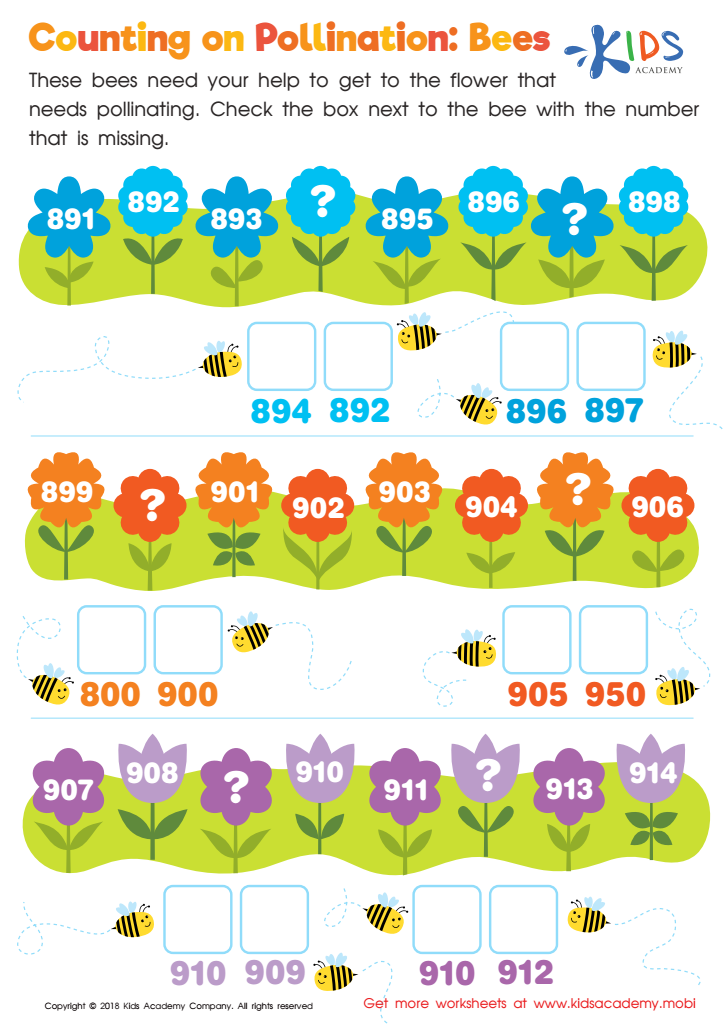
Counting on Pollination: Bees Worksheet
 Assign to My Students











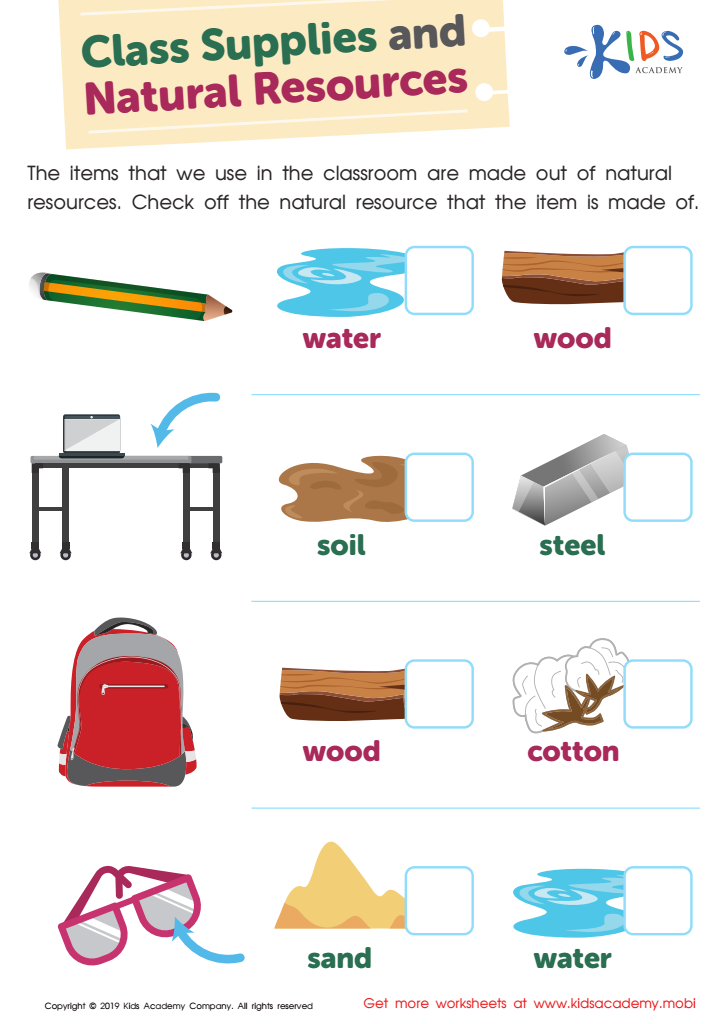
Class Supplies and Natural Resources Worksheet
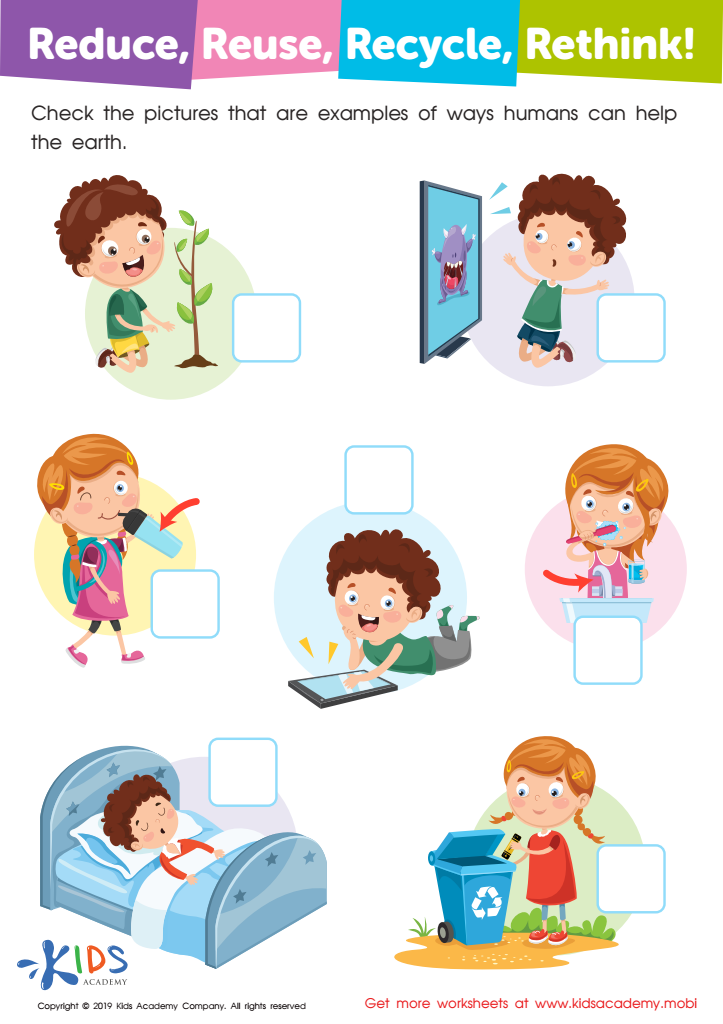
Reduce, Reuse, Recycle, Rethink Worksheet
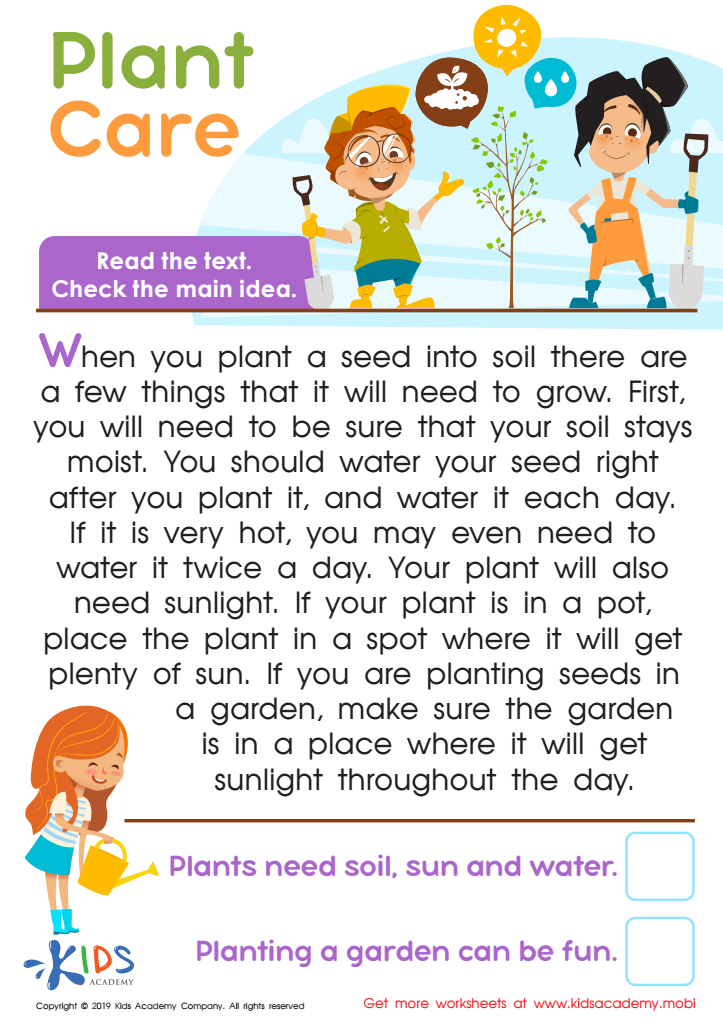
Plant Care Worksheet


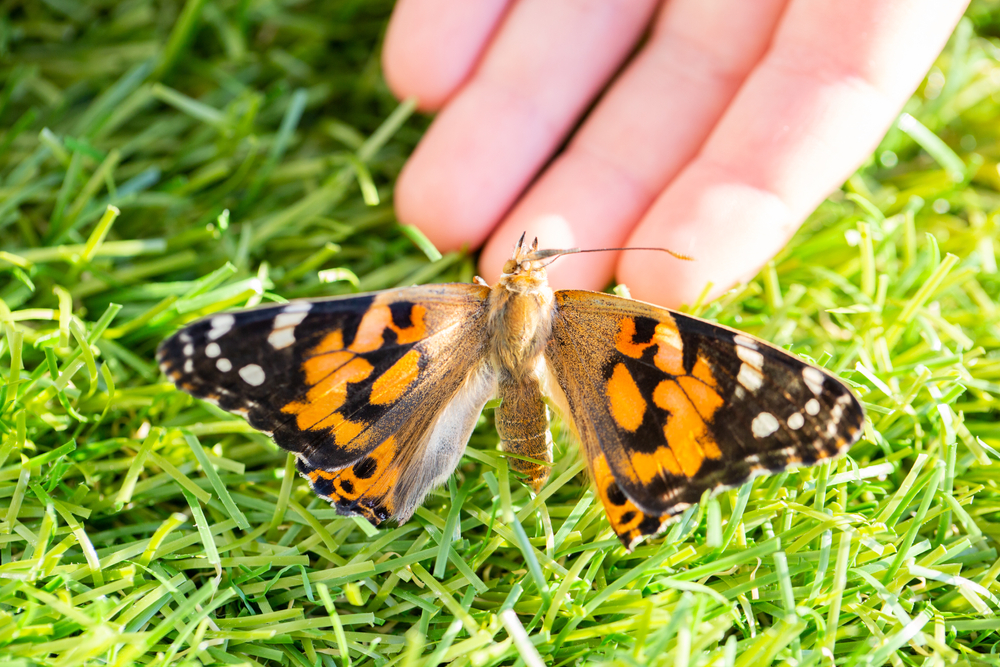



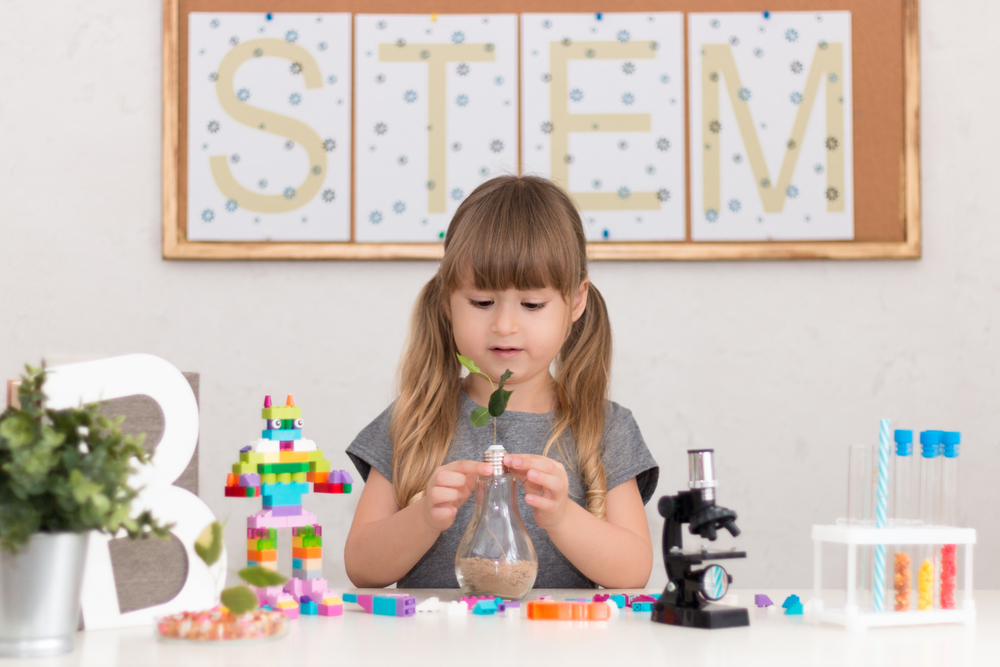

Parents and teachers play a crucial role in fostering environmental awareness among children aged 6-9 because these formative years are when foundational attitudes and values are established. Teaching kids about normal plants and animals helps them appreciate and respect the natural world, which is essential for fostering a sense of stewardship and responsibility.
First, understanding local flora and fauna makes nature relatable and real, turning abstract concepts into tangible learning experiences. This kind of hands-on learning is crucial at a young age, as it helps children develop observation and critical thinking skills. For example, knowing how a plant grows or how animals find food offers practical insights into life sciences and interdependence in ecosystems.
Second, cultivating an awareness of the environment encourages children to act responsibly. Whether it’s protecting animal habitats or conserving water, these habits formed early can lead to lifelong sustainable behaviors.
Moreover, environmental awareness can improve overall well-being. Interacting with nature has been shown to reduce stress and promote physical activity, instilling a lifetime of healthy habits.
Therefore, instilling environmental consciousness at a young age not only equips children with important knowledge and skills but also fosters a deeper respect and care for our planet, creating thoughtful, informed future citizens.







