Geographic Understanding Normal Social Studies Worksheets for Ages 6-9
3 filtered results
-
From - To
Explore our engaging Geographic Understanding worksheets designed specifically for ages 6-9. These interactive social studies resources help young learners grasp essential geographical concepts through fun activities and exercises. Students will enhance their spatial awareness, map reading skills, and understanding of landforms and regions. Our worksheets encourage critical thinking while making geography relatable and enjoyable. Perfect for both classroom and home learning, they are crafted to support diverse learning styles. With colorful illustrations and age-appropriate content, parents and teachers can foster curiosity about the world. Start your child’s journey into geography with our delightful and informative worksheets today!
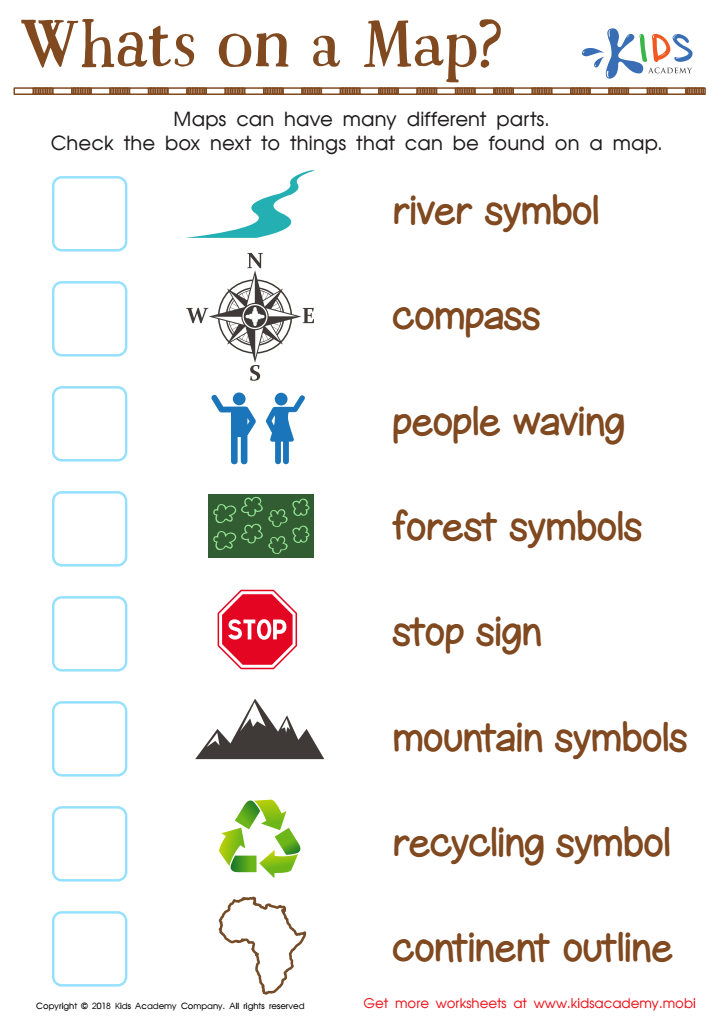
Whats on a Map? Worksheet
 Assign to My Students
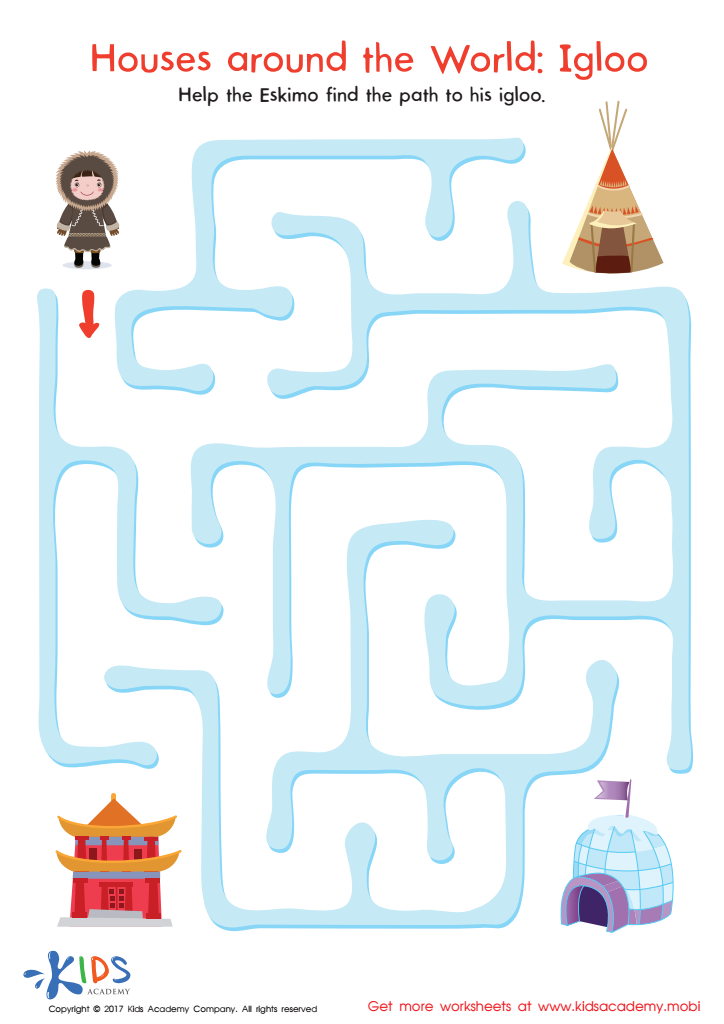
Houses Around the World: Igloo Printable
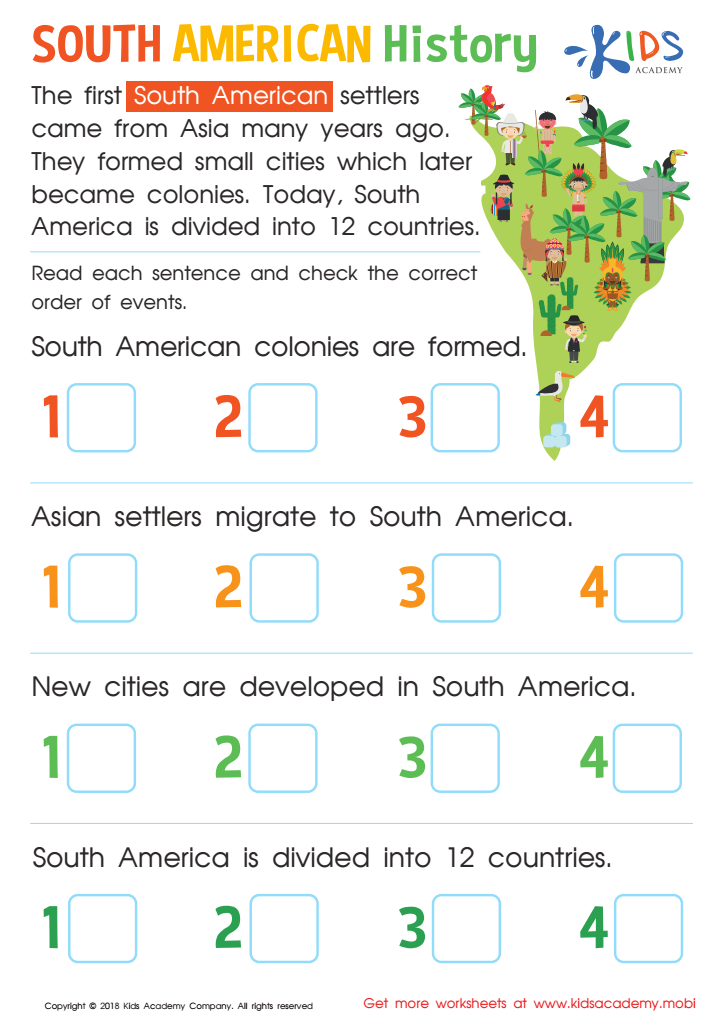
South American History Worksheet







Parents and teachers should prioritize Geographic Understanding in social studies for children aged 6-9 because it lays the fundamental groundwork for their comprehension of the world. At this age, children are naturally curious about their surroundings and eager to explore concepts of space, place, and community. Teaching geographical concepts fosters essential skills, including map reading, spatial thinking, and cultural awareness.
Having a solid geographical understanding helps children make connections between local and global contexts, enhancing their ability to recognize diversity and environmental issues. Such knowledge ultimately cultivates empathy and respect for other cultures and perspectives. For example, learning about different regions can inspire discussions on climate, economics, and human connections, realities that affect everyone.
Moreover, Geographic Understanding contributes to critical thinking skills. By exploring human interactions with the environment, children learn problem-solving techniques related to sustainability and community planning. As they grow, these foundational skills encourage informed citizenship and active participation in society.
In summary, an early emphasis on Geographic Understanding equips children with vital knowledge and skills, fostering their ability to navigate, engage with, and positively impact their world. This investment is crucial in nurturing well-rounded, informed individuals capable of contributing thoughtfully to their communities.








