Visual recognition Normal Social Studies Worksheets for Ages 6-9
4 filtered results
-
From - To
Introduce kids to the fascinating world of history and society with our "Visual Recognition Normal Social Studies Worksheets for ages 6-9." Designed to captivate young minds, these worksheets leverage engaging visuals to make learning fun and effective. By identifying symbols, landmarks, and cultural artifacts, children enhance their visual recognition skills while discovering important social studies concepts. Our carefully crafted worksheets not only support critical thinking and observation but also align with educational standards to ensure academic growth. Ideal for classroom or at-home learning, these resources provide a perfect blend of education and enjoyment, fostering curiosity and foundational knowledge in every young learner.
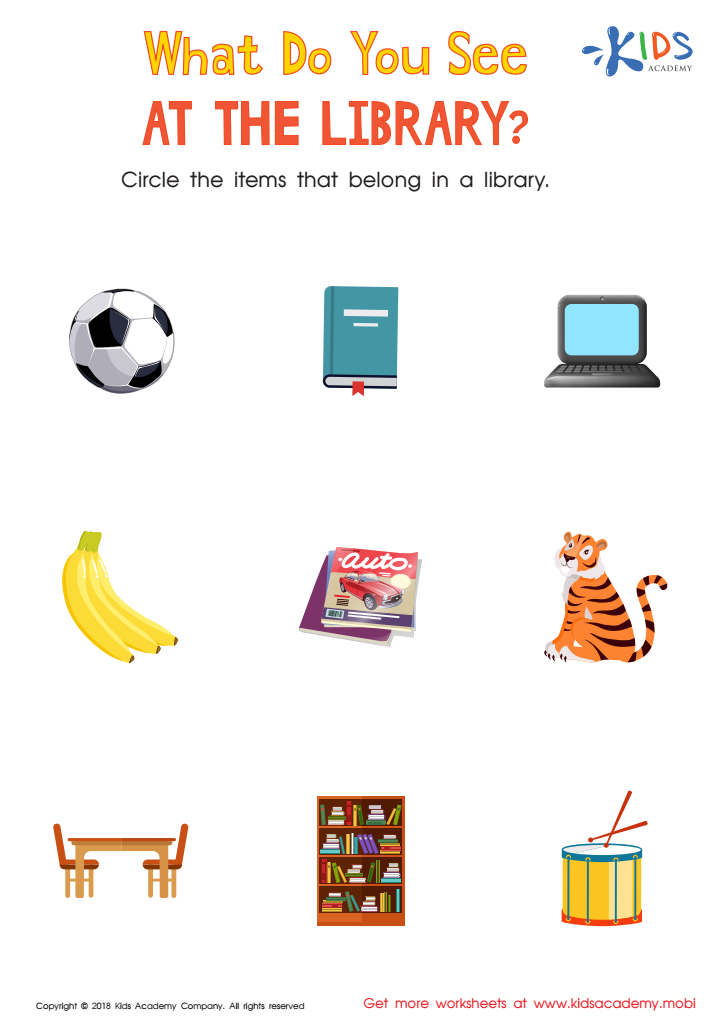
What Do you See at the Library? Worksheet
 Assign to My Students
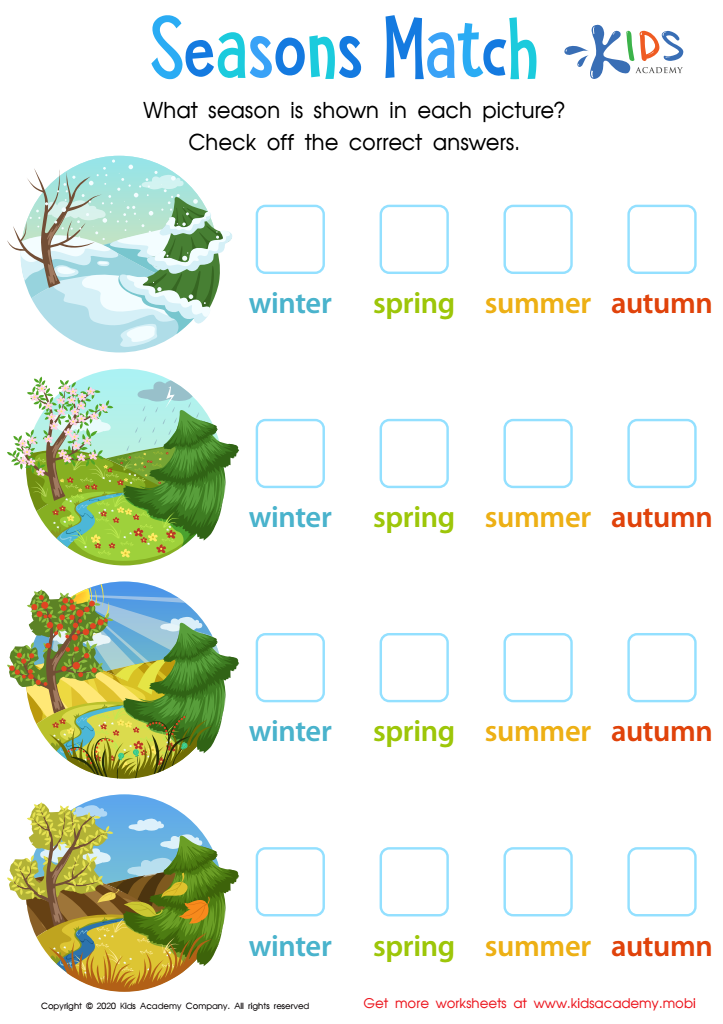
Seasons Match Worksheet
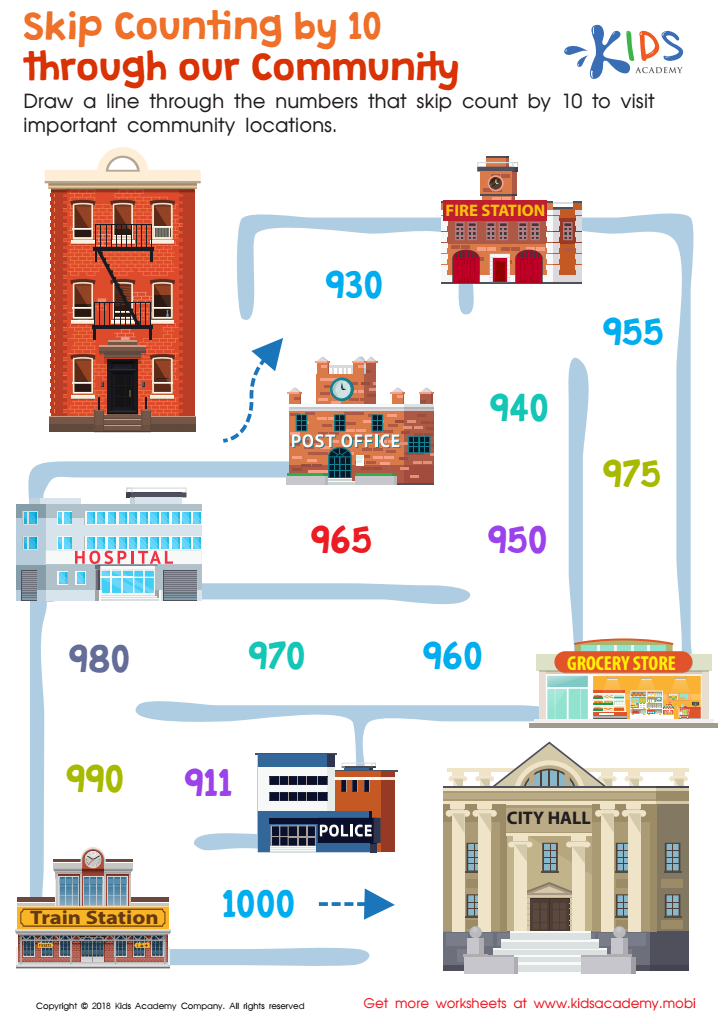
Skip Counting by 10 Through Our Community Worksheet
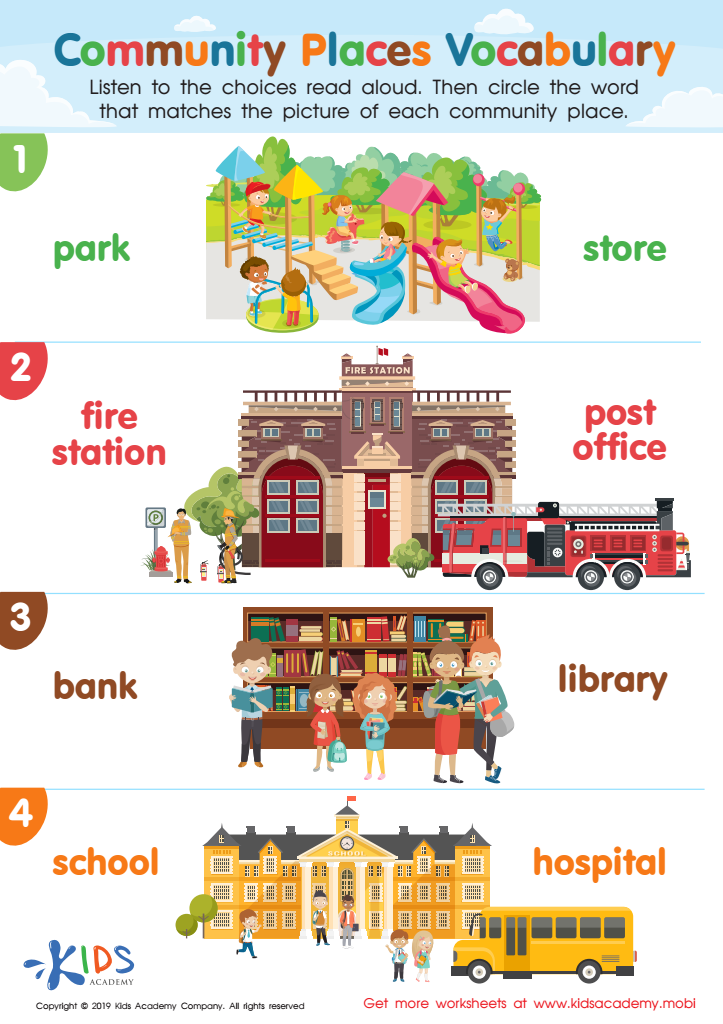
Community Places Vocabulary Worksheet








Visual recognition within the realm of normal social studies for children aged 6-9 is crucial for their holistic development. This foundational stage is when children begin to make sense of the world around them, and visual cues play a significant role in enhancing their understanding and retention of information. By incorporating images, maps, symbols, and other visual aids in social studies, we help children better grasp abstract concepts, historical events, and cultural contexts.
Firstly, visual recognition aids memory retention. Young learners are more likely to remember content that is visually engaging and interactive. For instance, a colorful map not only teaches geography but also aids in memorizing locations through visual association. Secondly, visuals make complex information accessible. Children at this age have varying reading and comprehension skills, and pictures can bridge gaps, allowing all students to participate actively.
Additionally, visual aids foster critical thinking and analysis. They encourage students to observe, compare, and contrast different social phenomena. This can spark discussions in the classroom about community, diversity, and history, promoting empathy and broader social understanding.
For parents and teachers, emphasizing visual recognition in social studies is about more than academic success. It’s about equipping children with the skills needed to interpret and navigate an increasingly visual world, fostering inclusive education, and encouraging lifelong learning.








