Contextual understanding Normal Grammar Worksheets for Ages 6-9
4 filtered results
Difficulty Level
Grade
Age
-
From - To
Subject
Activity
Standards
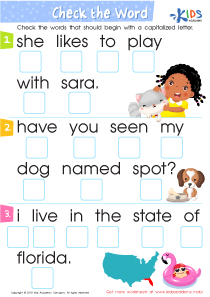
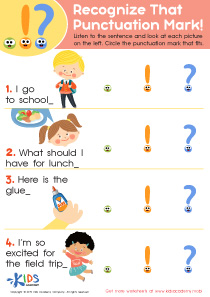
Discover our "Contextual Understanding Normal Grammar Worksheets" designed for children aged 6-9. These engaging worksheets help young learners master grammar concepts through context-driven activities. By connecting grammar to real-life situations, kids enhance their comprehension and application skills in writing. Each worksheet provides a variety of exercises that encourage critical thinking and creativity, while making learning fun and interactive. Perfect for classroom or at-home use, our resources empower students to build strong grammar foundations and improve their overall language skills. Explore our worksheets today to support your child's educational journey and foster a love for learning!
Favorites
With answer key
Interactive
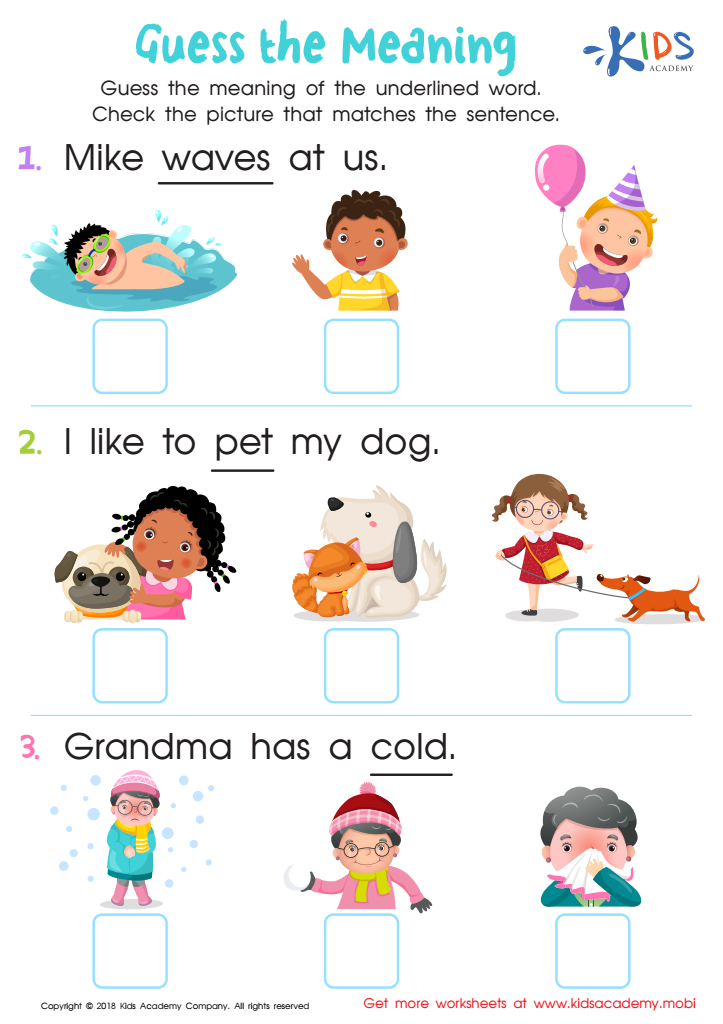
Guess the Meaning Worksheet
Help your child learn the meanings of words in different contexts by using this colourful, free worksheet. What is the meaning of the underlined words in each sentence? Look at the images and pick the one that accurately describes the word's context.
 Assign to My Students
Guess the Meaning Worksheet
Worksheet
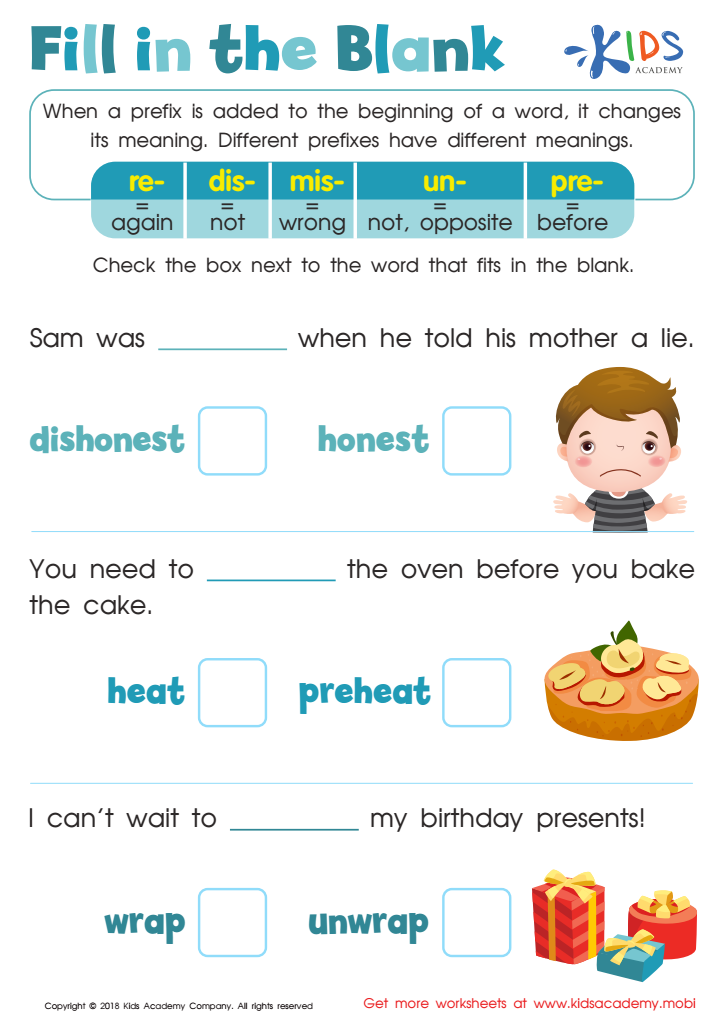
Reading: Fill in the Blank Worksheet
Students can practice understanding the meaning of common prefixes with this worksheet. They read sentences and pick the correct word with the appropriate prefix to complete it. Downloadable and a great addition to reading and vocabulary resources, this helps improve comprehension with mastery of the skill!
Reading: Fill in the Blank Worksheet
Worksheet
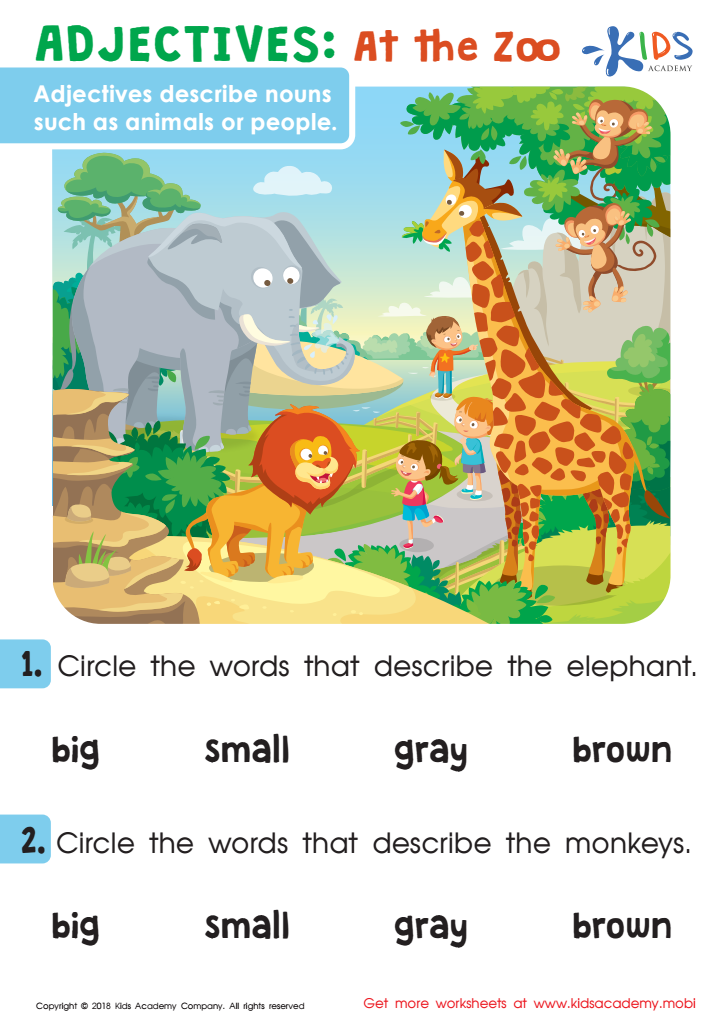
Adjectives: At The Zoo Worksheet
Take your kids to the zoo and ask them about their favorite activities and animals. This worksheet is a great way for kids to learn about adjectives. Explain that adjectives describe nouns like people or animals (e.g. big, tall, dark). Look at the printout with your kids and help them circle words that describe the animals in the picture.
Adjectives: At The Zoo Worksheet
Worksheet
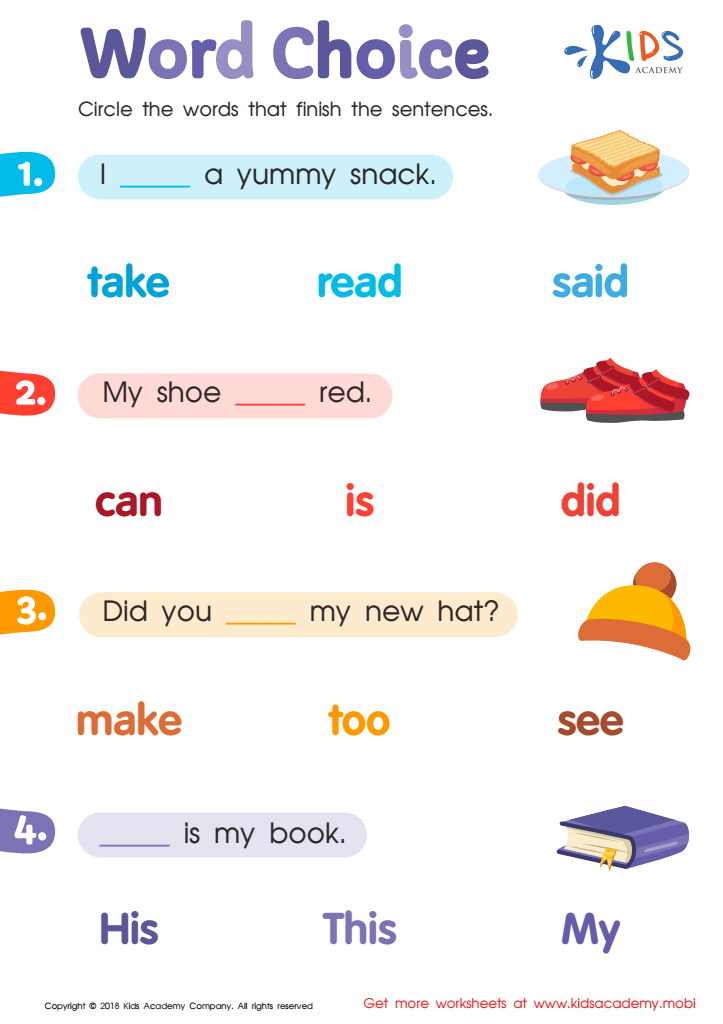
Word Choice Worksheet
This worksheet can help your children become better readers. By now, you should have an idea of their reading level. Read the incomplete sentences aloud and point to the missing piece. Have your students pick the correct word they think best fits the sentence out of the options given.
Word Choice Worksheet
Worksheet
Join Kids Academy for Free
Who is primarily going to use this learning content?


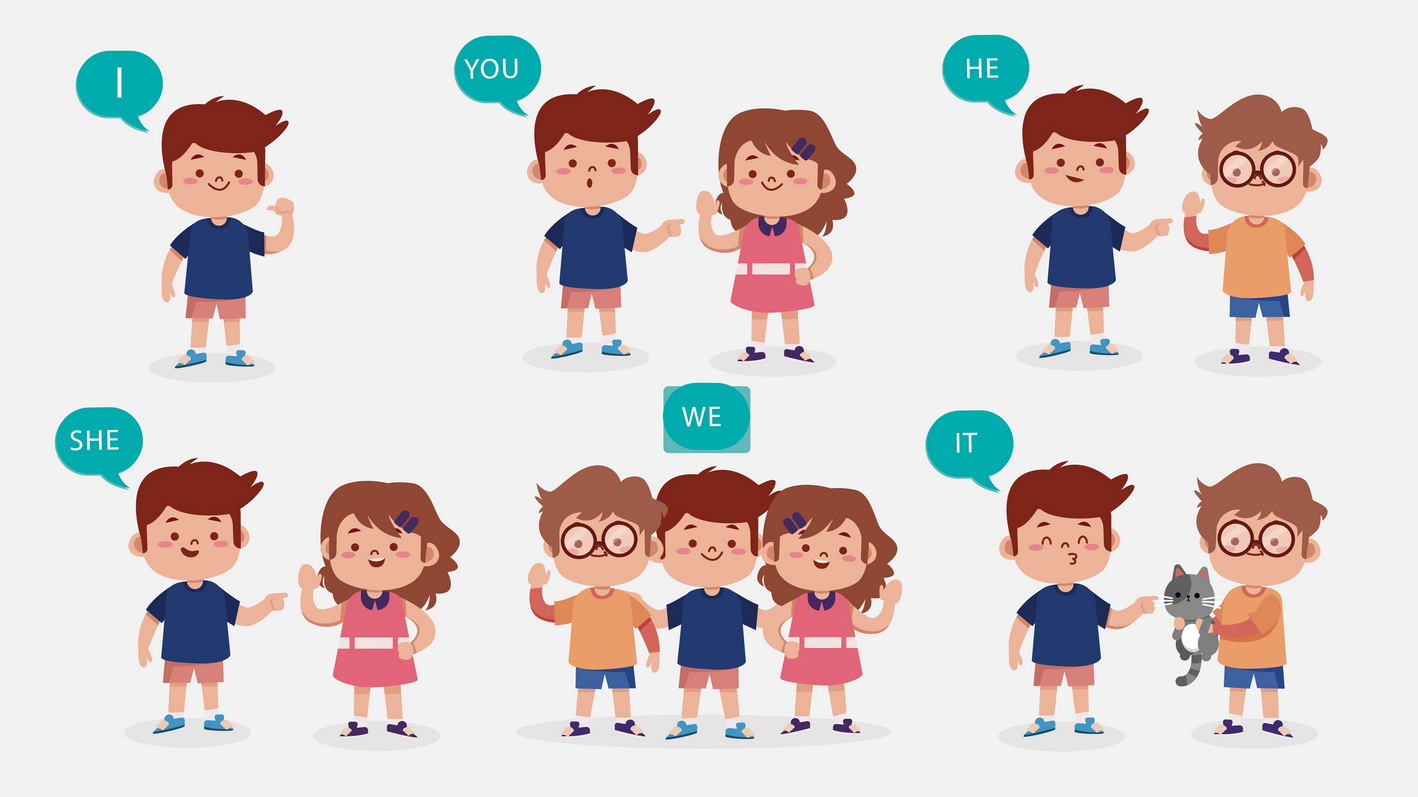


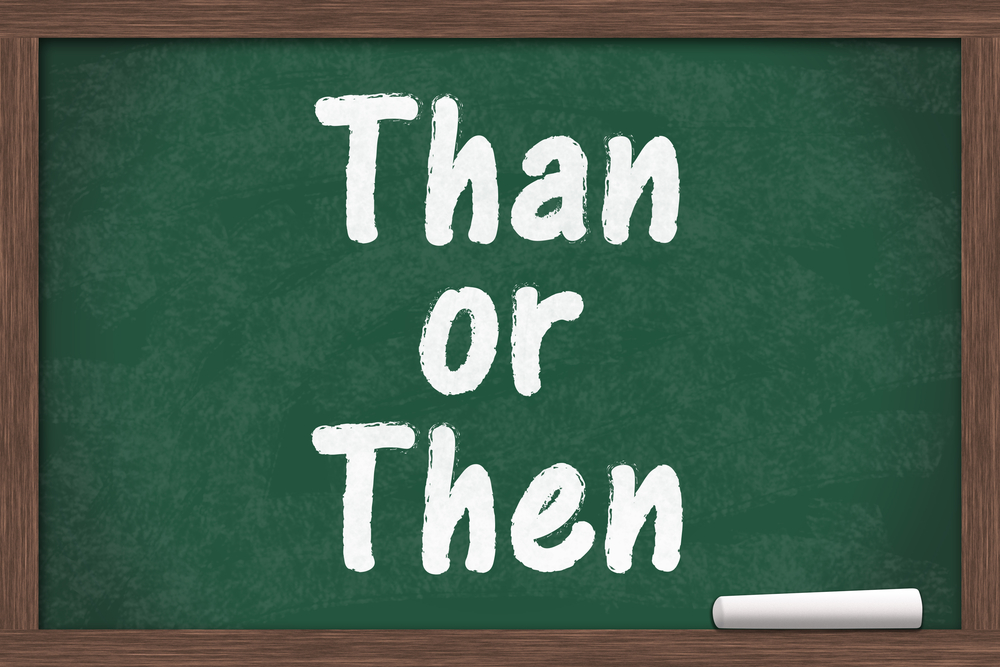
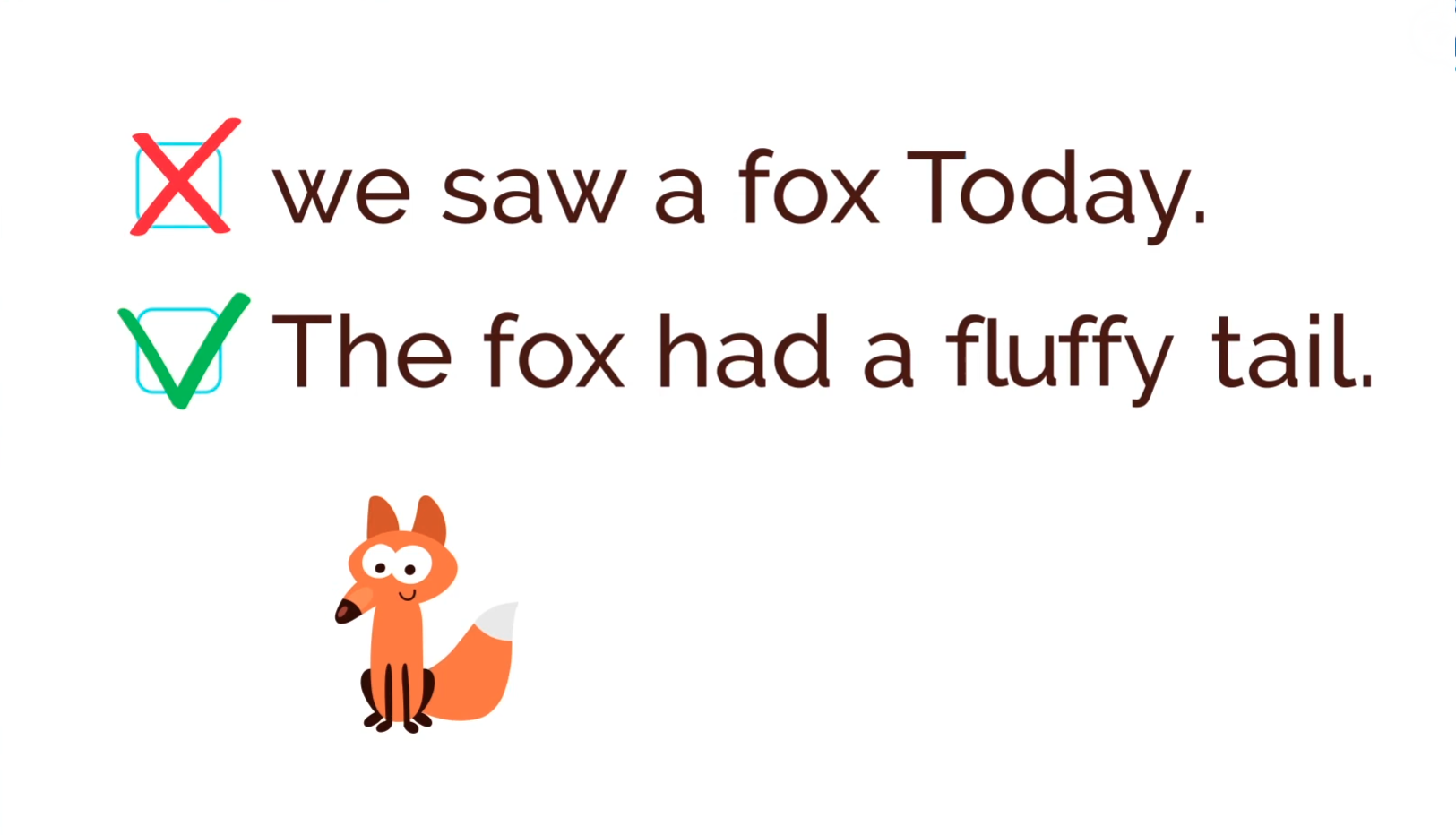

Contextual understanding and normative grammar are crucial for children aged 6-9 as they form the backbone of effective communication skills. During these formative years, children begin to articulate their thoughts and emotions more fluently. Understanding the context of language helps them grasp nuances, engage in conversations meaningfully, and enhances their reading comprehension. When children learn grammar within context, rather than as isolated rules, they can better understand how language works in real-life situations.
For teachers and parents, fostering this understanding equips children with the tools they need to express themselves clearly. Normative grammar provides a framework, while contextual learning promotes adaptability in diverse communication scenarios. A child who recognizes the intended meaning or tone behind words is not just an effective speaker but also a thoughtful listener.
Furthermore, these skills lay a solid foundation for academic success. Children with a strong grasp of contextual understanding and grammar are better prepared to tackle writing assignments and collaborative projects as they advance in their education. Engaging with children through relevant discussions and reading diverse texts can encourage them to apply these skills practically, reinforcing their importance and enhancing their overall literacy development. Ultimately, nurturing these abilities empowers children to become confident, articulate individuals.