Alphabet Recognition Normal ABC Letters Worksheets for 6-Year-Olds
19 filtered results
-
From - To
Boost your child's learning with our engaging Alphabet Recognition worksheets, designed specifically for 6-year-olds. These printable activities help young learners master normal ABC letters, enhancing their phonetic awareness and letter identification skills. Featuring colorful visuals and fun exercises, our worksheets provide a perfect balance of education and entertainment, keeping your child's attention while building foundational literacy skills. Each activity is tailored to cater to the developmental needs of early learners, making it easier for them to recognize and differentiate letters. Help your child build confidence in their reading journey with these thoughtfully crafted worksheets—an essential tool for all kindergarten classrooms!
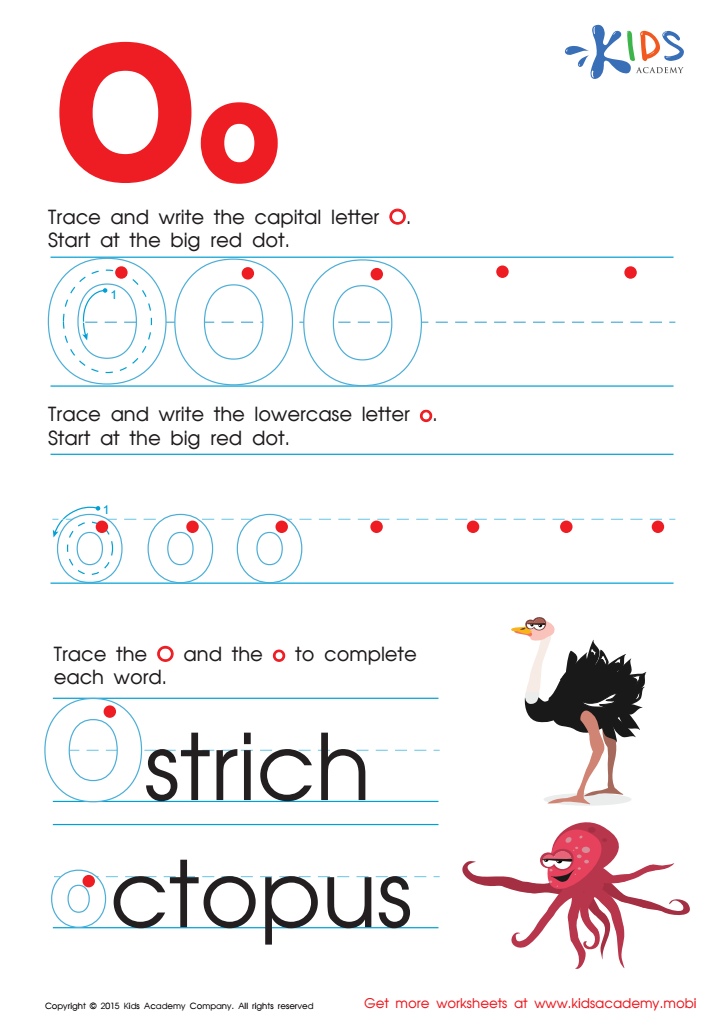
Letter O Tracing Page




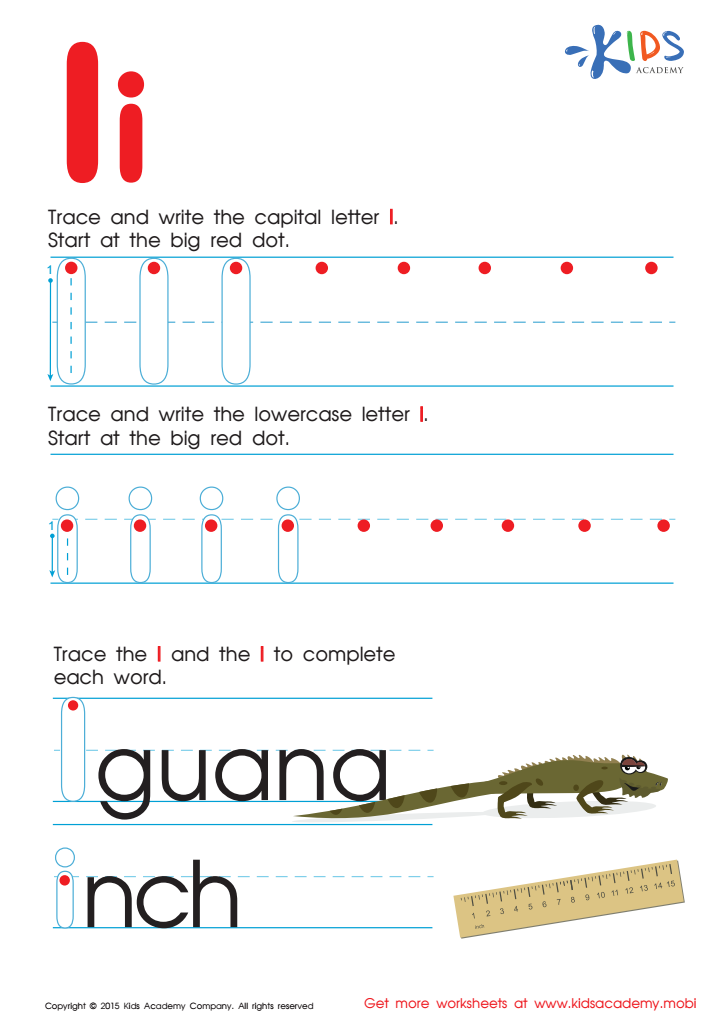
Letter I Tracing Page
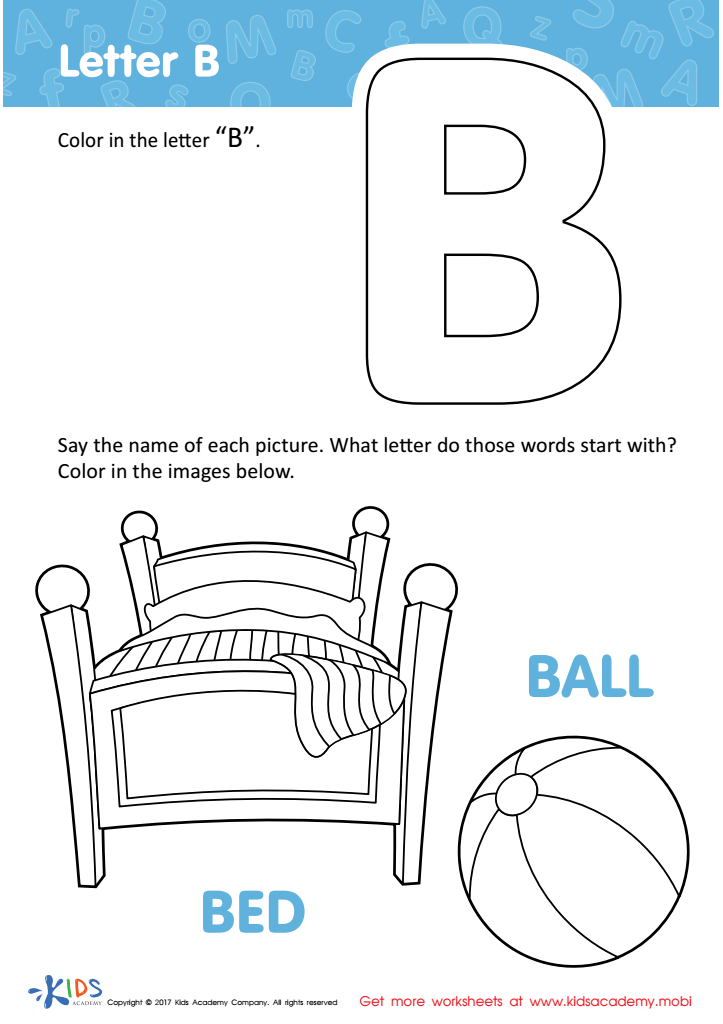
Letter B Coloring Sheet
 Assign to My Students
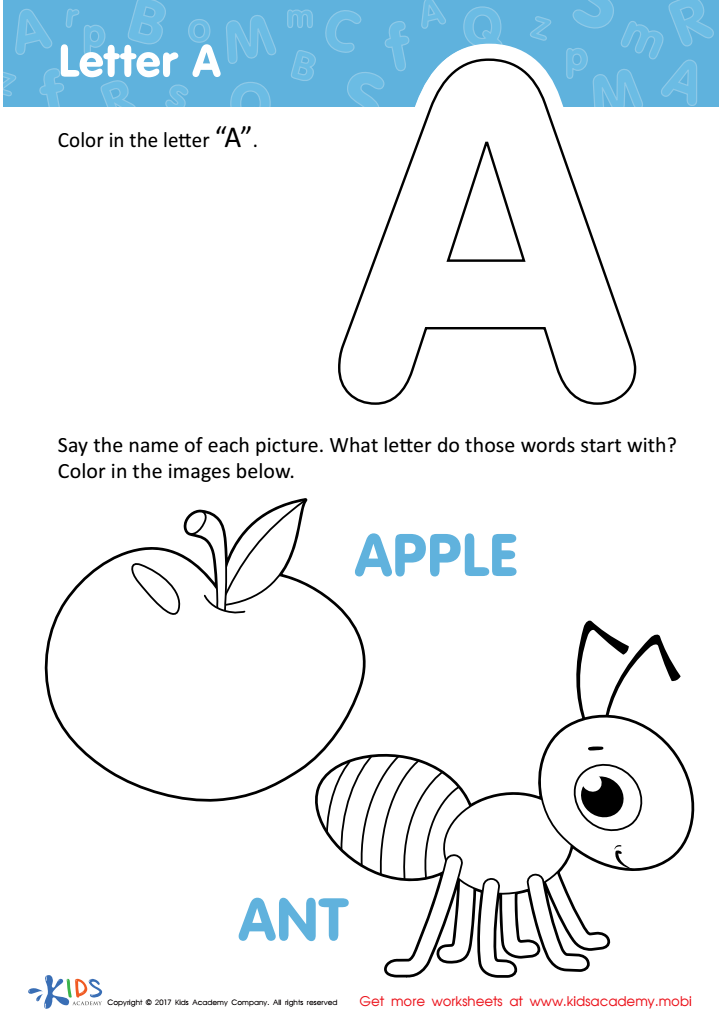
Letter A Coloring Sheet
Assign to My Students
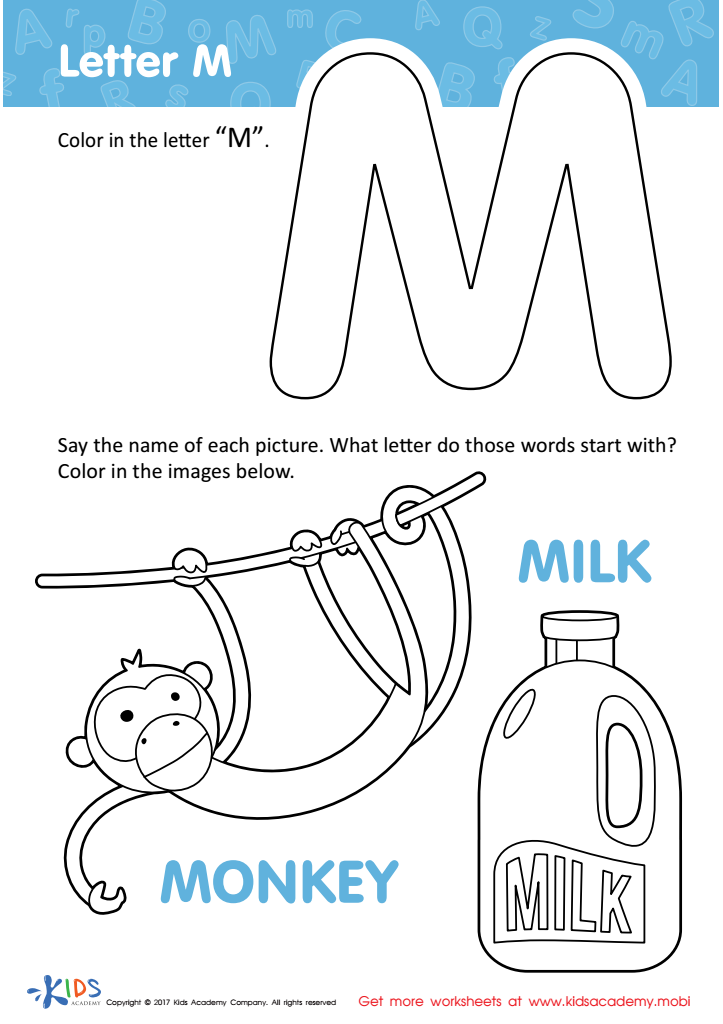
Letter M Coloring Sheet
Assign to My Students
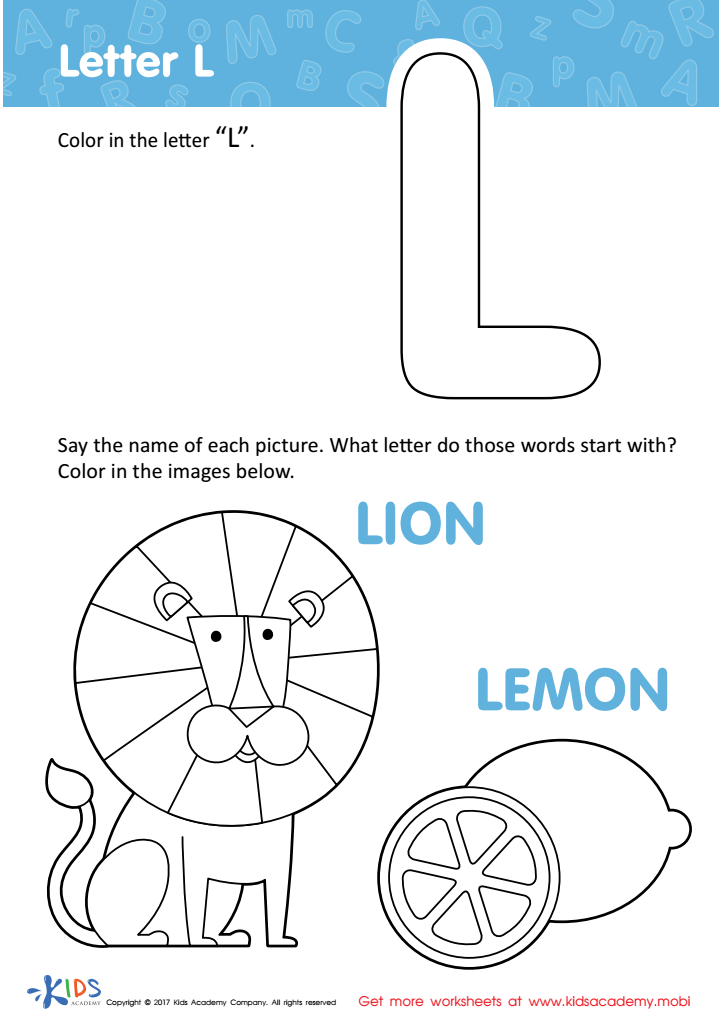
Letter L Coloring Sheet
Assign to My Students
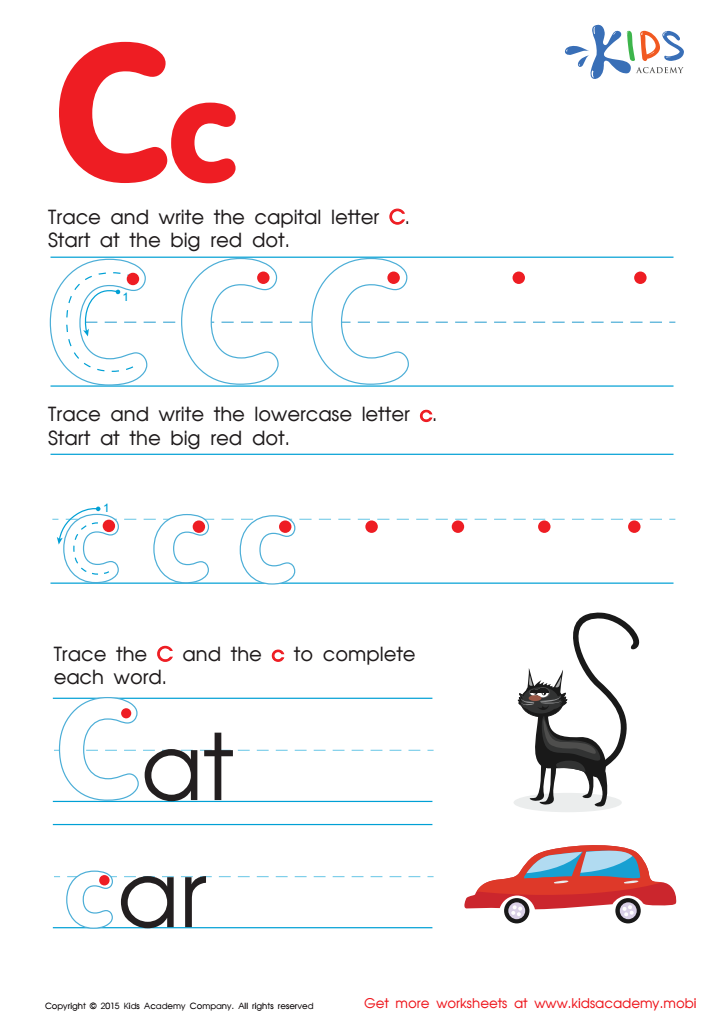
Letter C Tracing Page
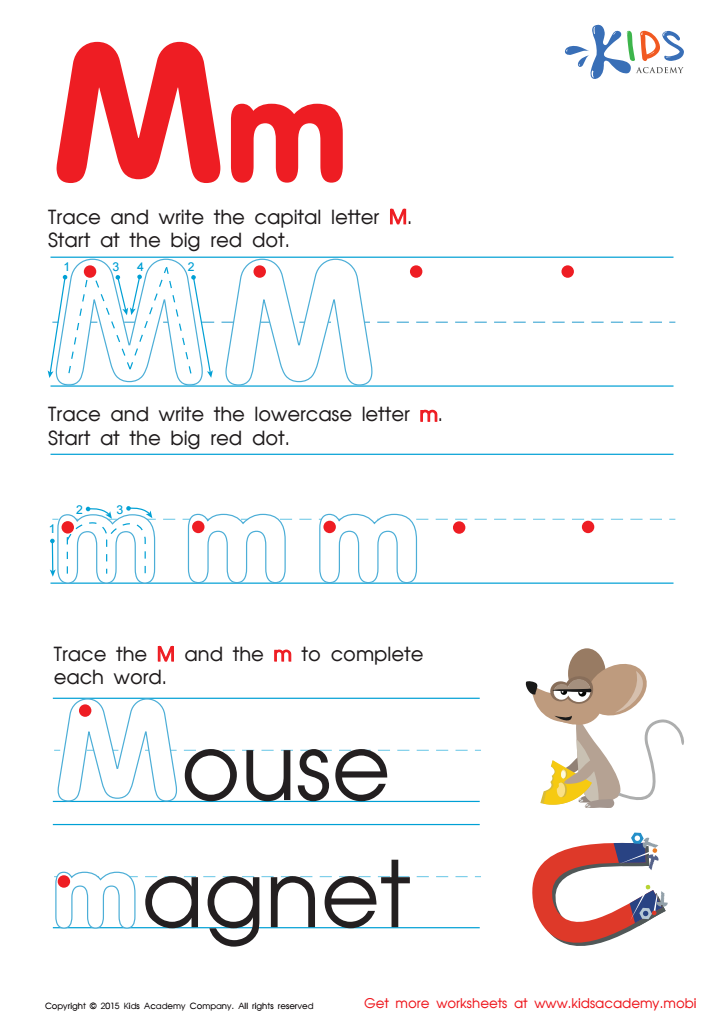
Letter M Tracing Page
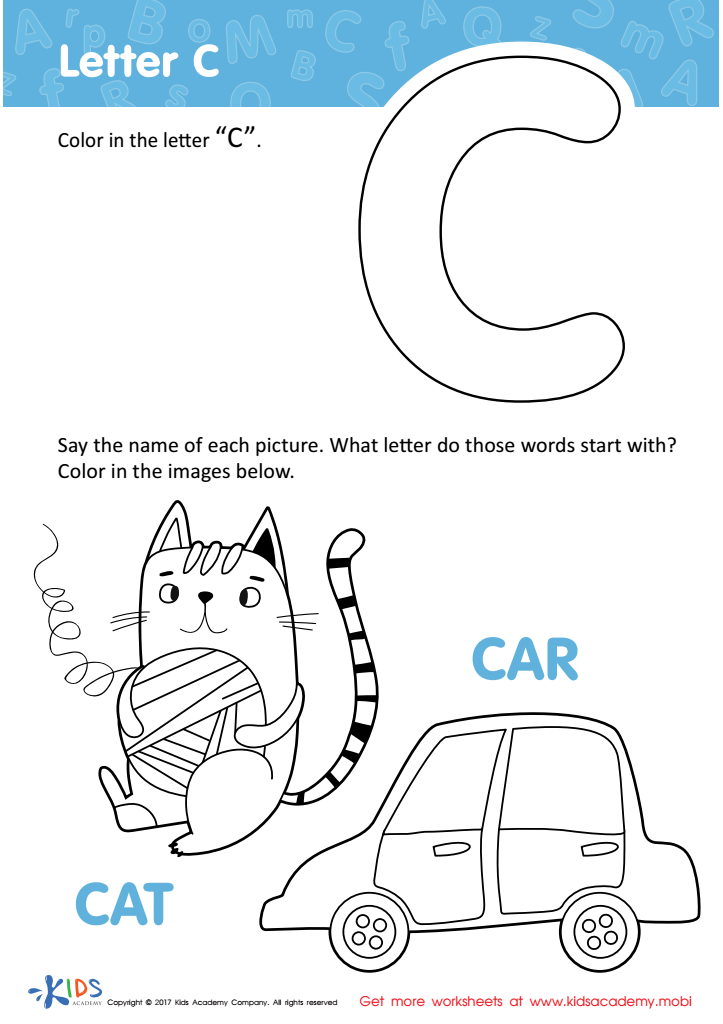
Letter C Coloring Sheet
Assign to My Students
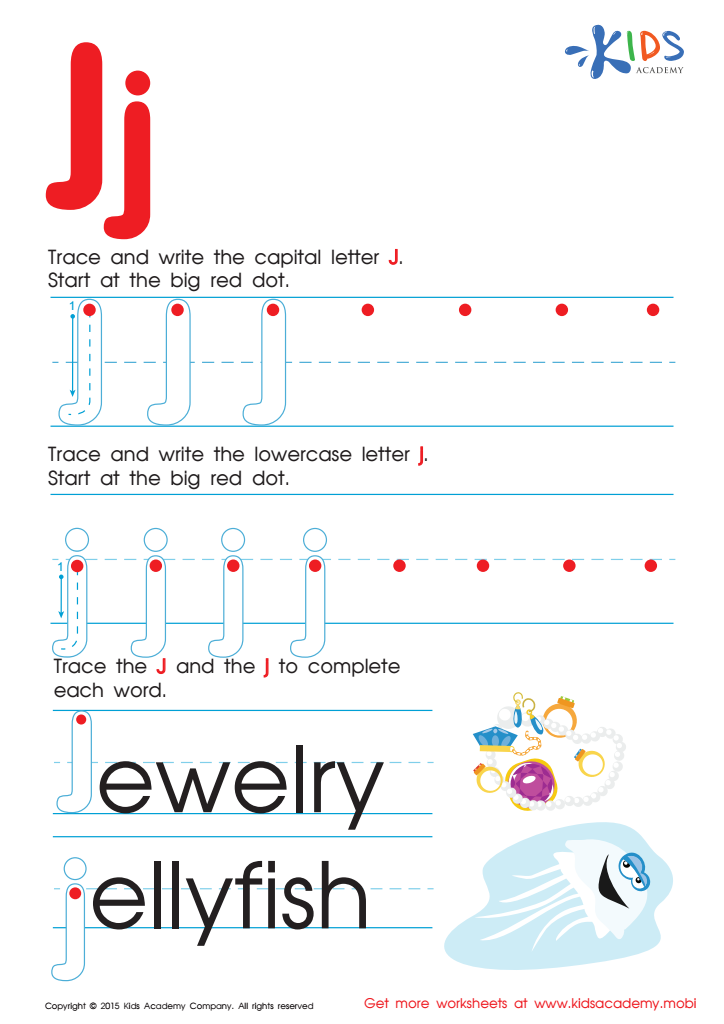
Letter J Tracing Page
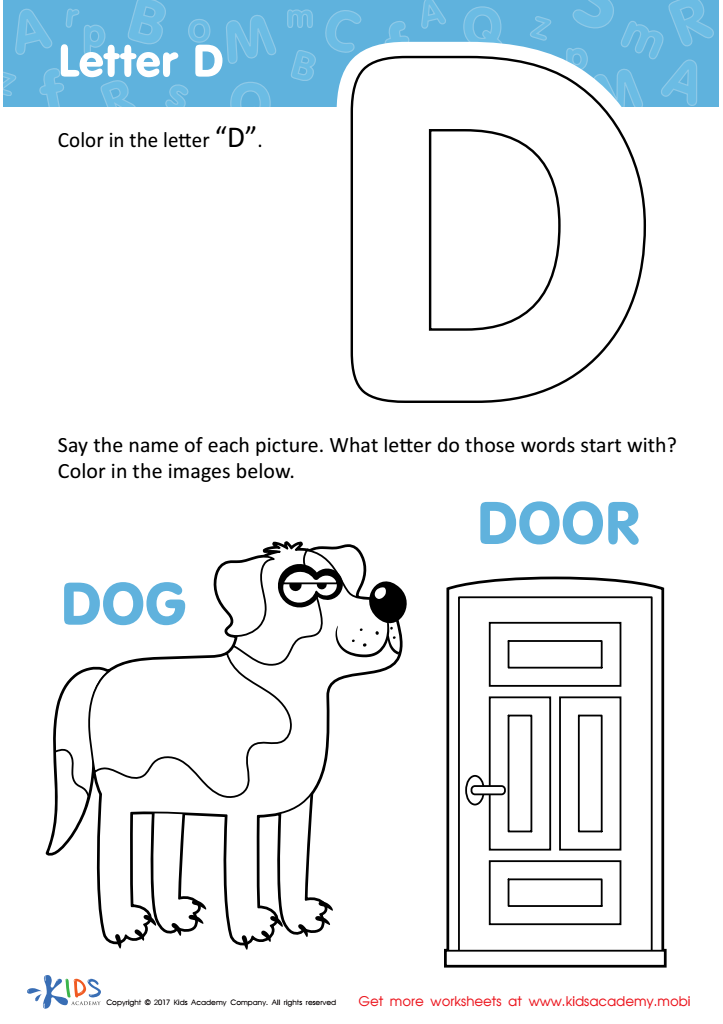
Letter D Coloring Sheet
Assign to My Students
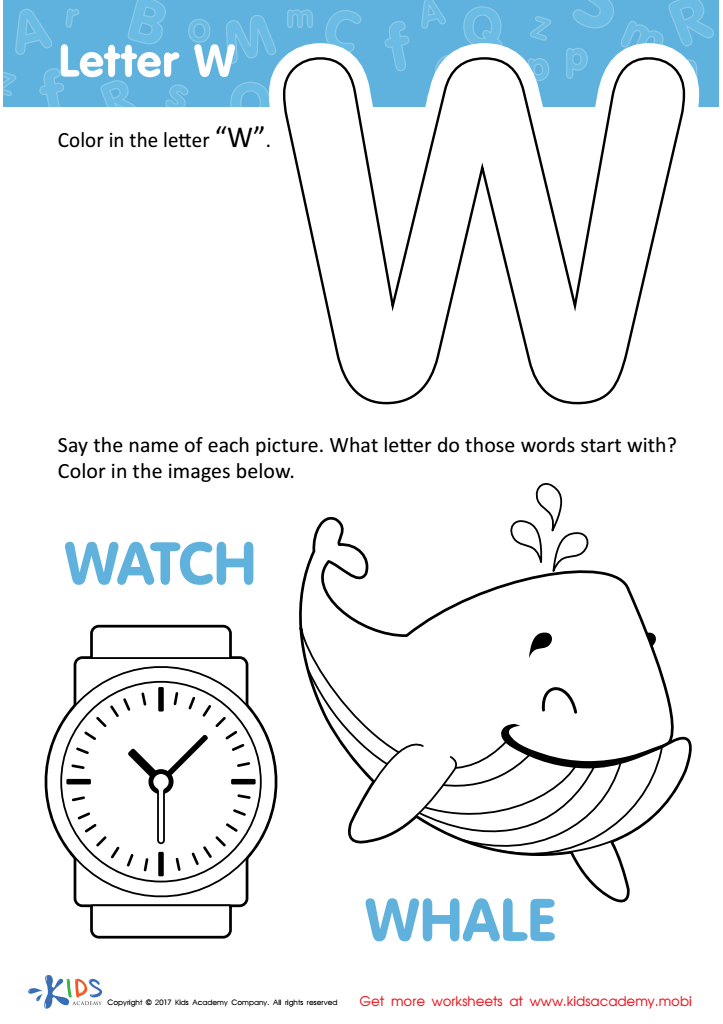
Letter W Coloring Sheet
Assign to My Students
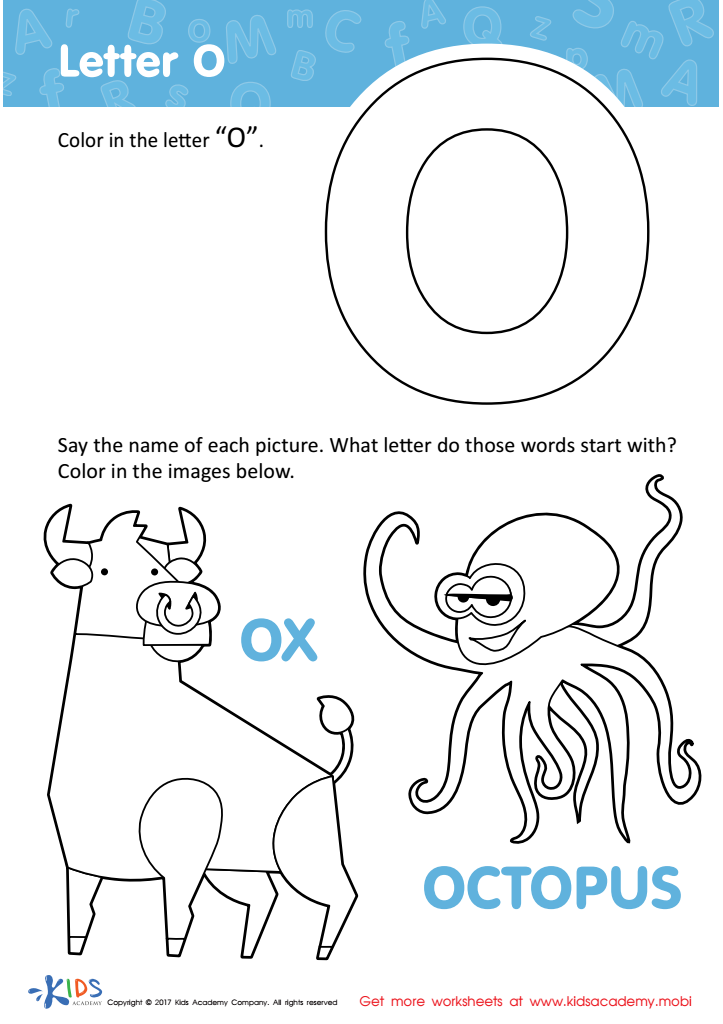
Letter O Coloring Sheet
Assign to My Students
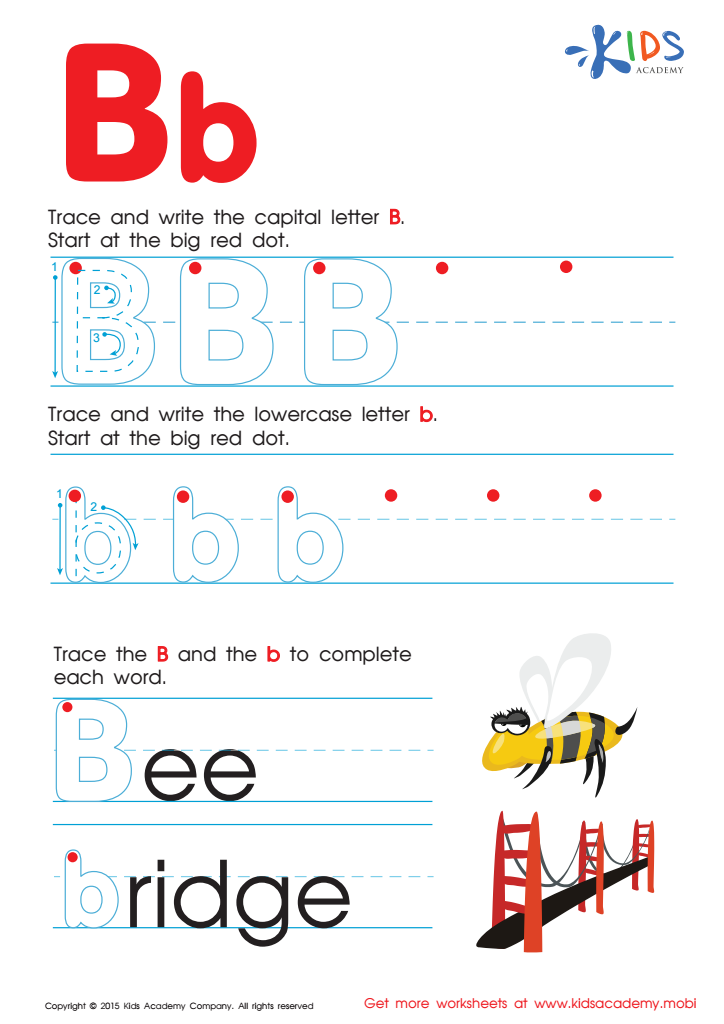
Letter B Tracing Page
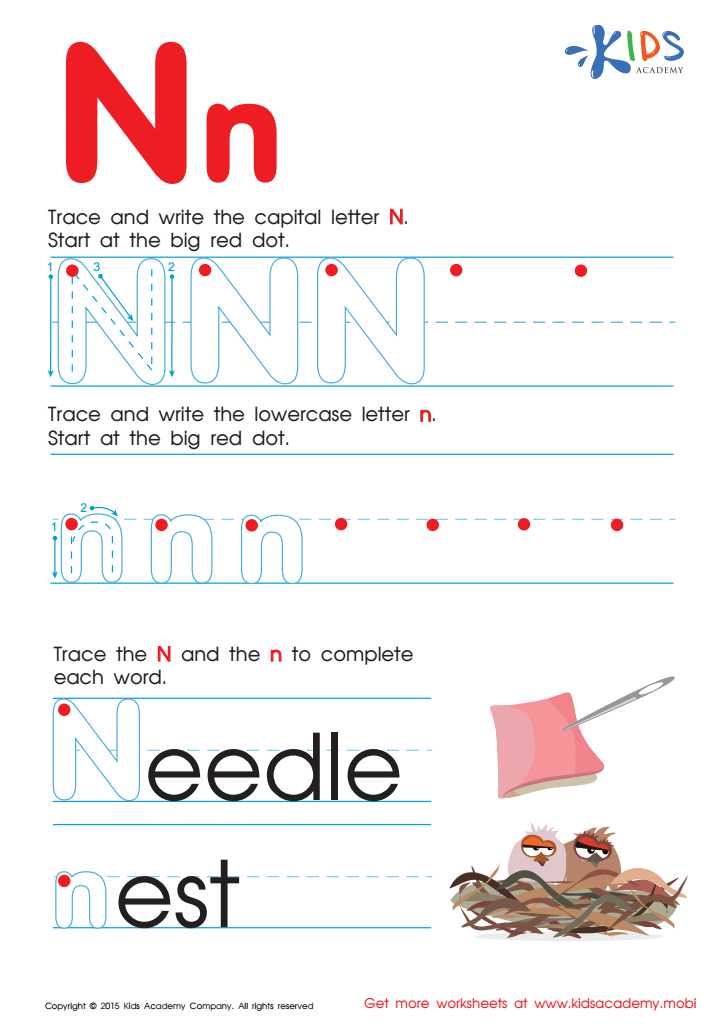
Letter N Tracing Page
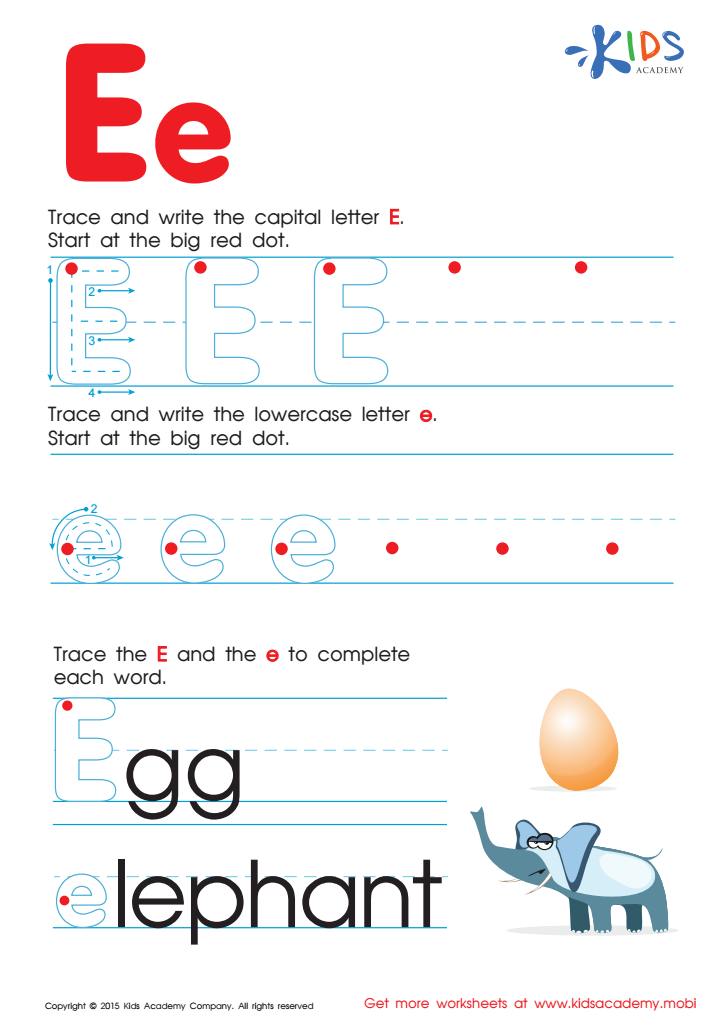
Letter E Tracing Page
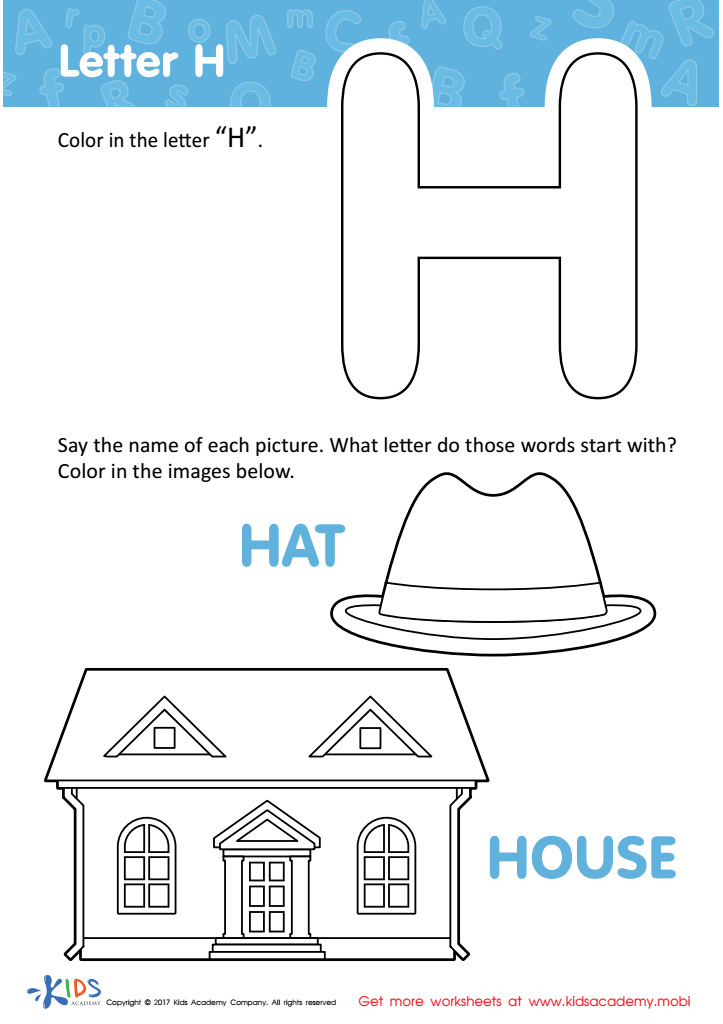
Letter H Coloring Sheet
Assign to My Students
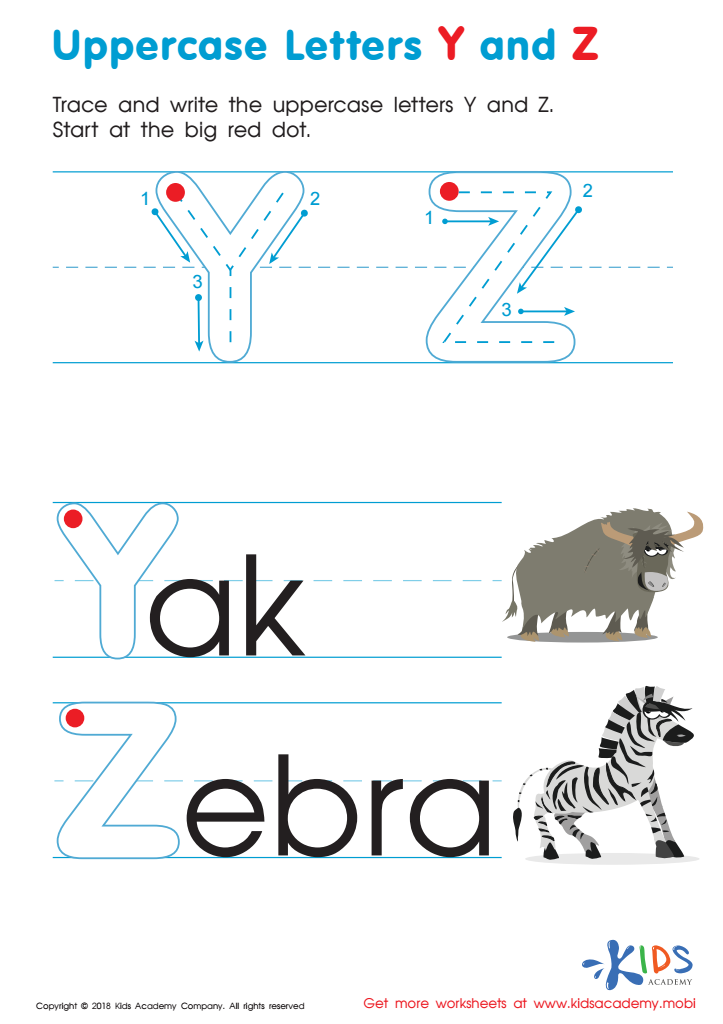
Uppercase Letters Y Z Worksheet
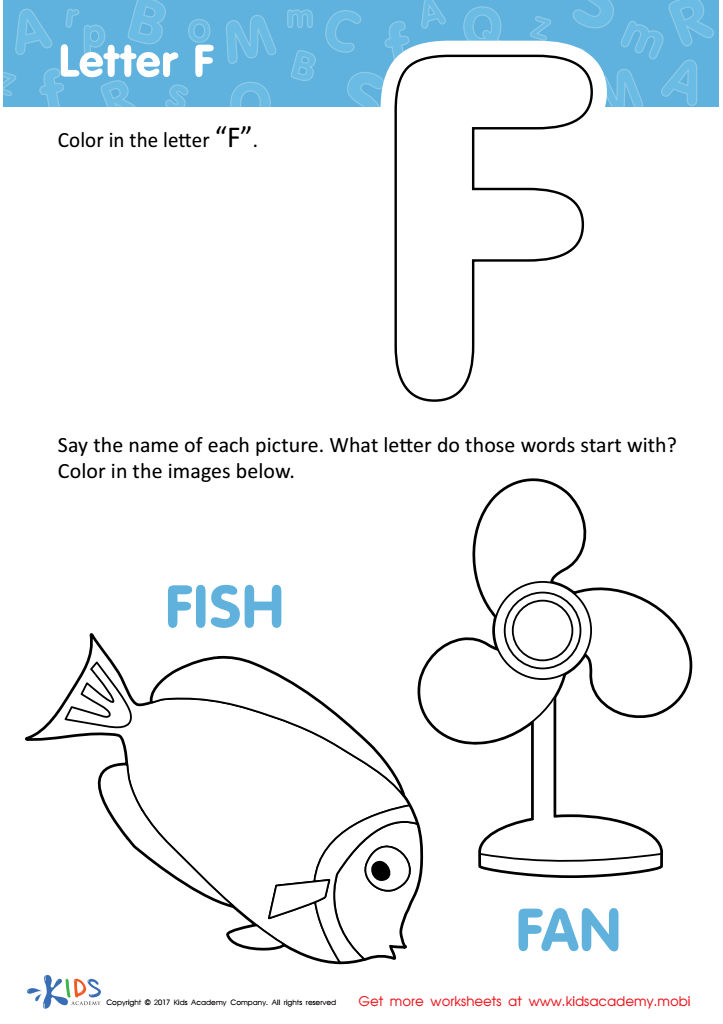
Letter F Coloring Sheet
Assign to My Students






Alphabet recognition is crucial for 6-year-olds as it forms the foundation for literacy development. At this stage, children are typically learning to read and write, and understanding normal ABC letters is essential for decoding words, developing vocabulary, and effective communication.
Parents and teachers who prioritize alphabet recognition provide children with the necessary skills to succeed academically. Familiarity with letters leads to better spelling, improved reading fluency, and enhanced comprehension. Moreover, recognizing letters helps children develop critical thinking skills as they start to connect sounds to letters, fostering phonemic awareness.
Additionally, letters often represent more than just symbols; they can spark children’s imagination and creativity through storytelling and writing exercises. Furthermore, for children who struggle with recognition, early intervention can prevent learning gaps and boost confidence.
Encouraging playful and engaging activities like alphabet games, songs, and interactive reading not only enhances letter recognition but also makes the learning experience enjoyable. Ultimately, equipping children with solid alphabetic foundations will empower them for future success, helping cultivate lifelong learners. Thus, both parents and teachers play a vital role in ensuring children master this essential skill during this critical stage of development.







