Alphabet tracing Normal Alphabet Worksheets for 6-Year-Olds
5 filtered results
-
From - To
Introduce your 6-year-old to the wonders of writing with our Alphabet Tracing Normal Alphabet Worksheets! Designed to build essential early literacy skills, these engaging, printable worksheets guide children in tracing both uppercase and lowercase letters. Perfect for developing fine motor skills, hand-eye coordination, and letter recognition, each sheet features clear, easy-to-follow instructions and fun illustrations to keep little learners motivated. Our professionally crafted materials ensure your child’s learning journey is enriching and enjoyable. Ignite their love for writing with Kids Academy's user-friendly and educational alphabet tracing worksheets today!
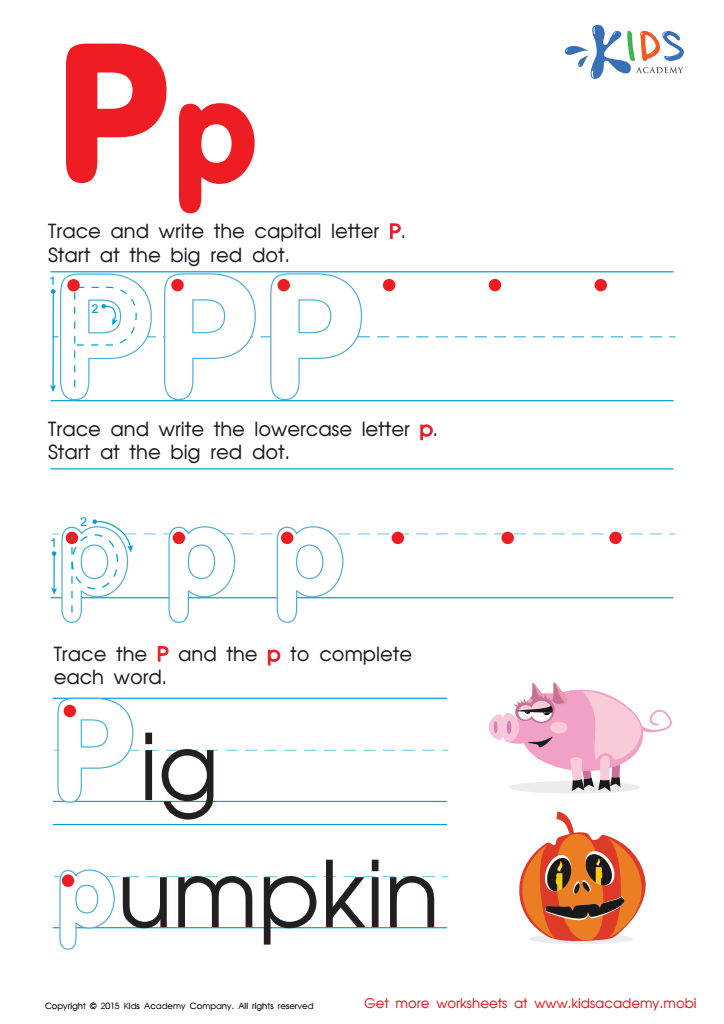
Letter P Tracing Page
 Assign to My Students
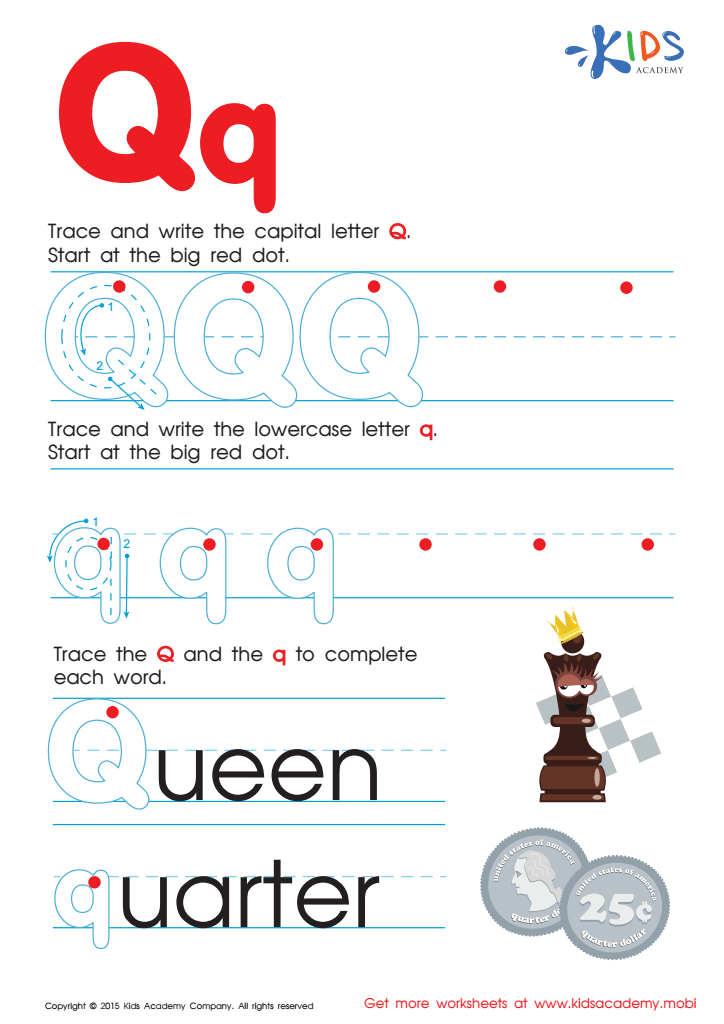
Letter Q Tracing Page
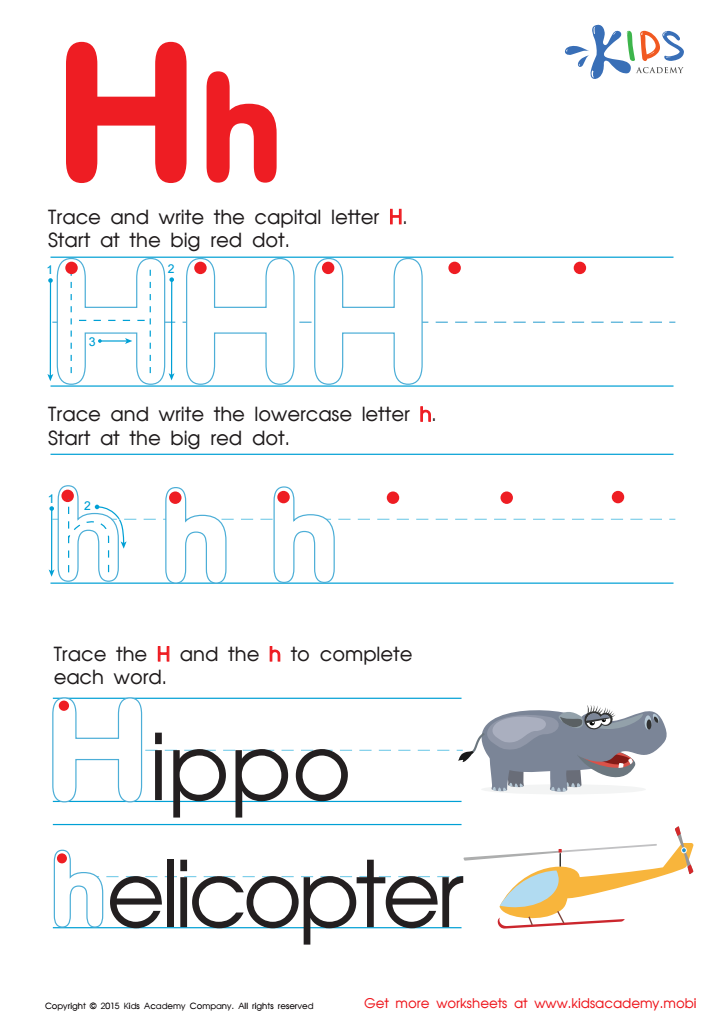
Letter H Tracing Page
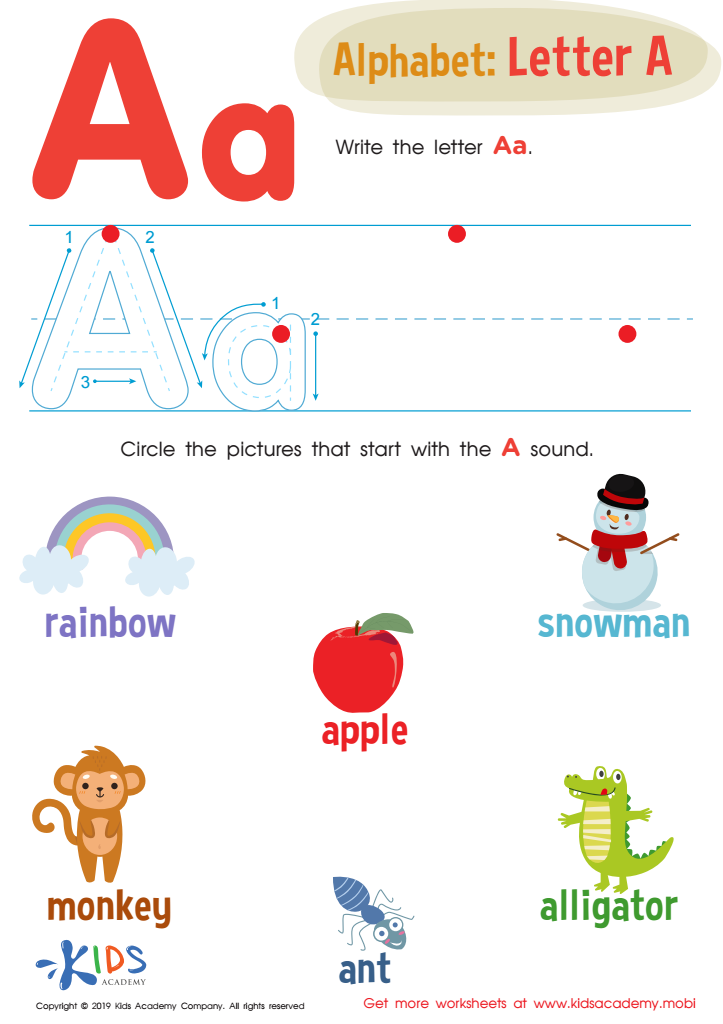
Letter A Tracing Worksheet
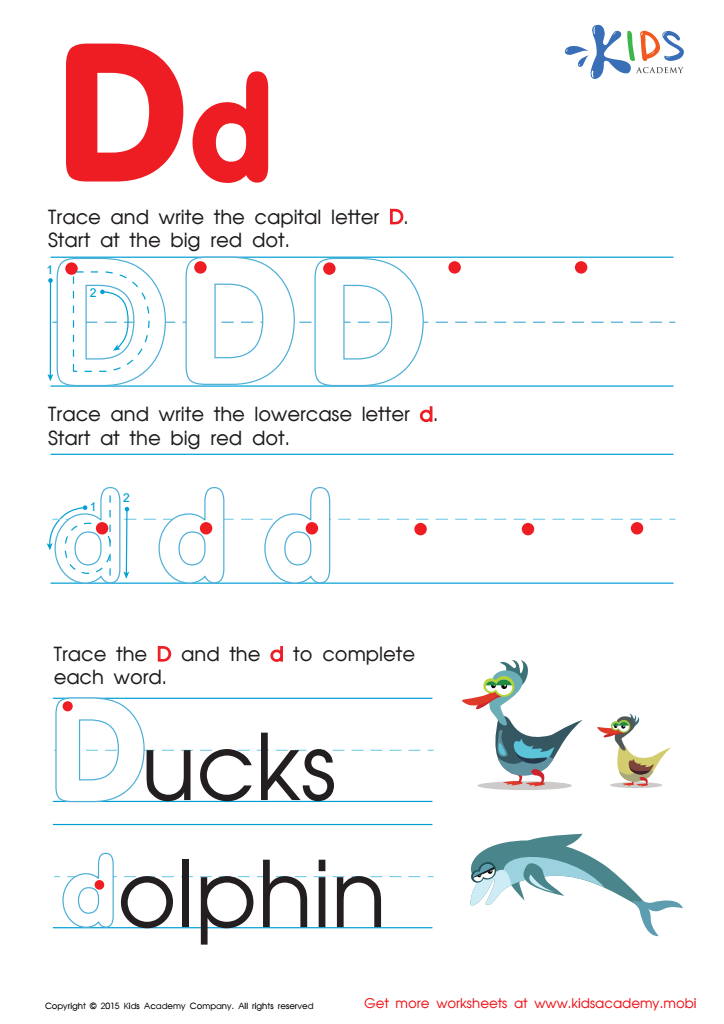
Letter D Tracing Page








Parents and teachers should care about alphabet tracing for 6-year-olds because it is foundational to their literacy and cognitive development. At this age, children are in a critical period for learning to read and write. Tracing the alphabet helps them become familiar with the shapes and forms of each letter, which is essential for recognizing and writing them independently.
Firstly, alphabet tracing enhances fine motor skills. It requires control and coordination of the small muscles in their hands, which is vital for writing and other tasks like using utensils or tying shoelaces. Secondly, it builds hand-eye coordination as children must focus on following the lines with accuracy.
Moreover, alphabet tracing reinforces letter knowledge and provides a tactile experience that aids memory retention. This can support phonics learning, where recognizing letters and their sounds is crucial for reading success. Continuity in practicing tracing also instills discipline, patience, and attention to detail—skills that benefit overall academic performance.
For parents and teachers, encouraging alphabet tracing nurtures an engaging learning environment. It is an opportunity to spend quality time with children, offering encouragement and celebrating progress, thereby boosting their confidence and interest in learning. In sum, alphabet tracing sets a strong literacy foundation, promotes motor skill development, and creates positive educational experiences for young learners.







