Phonics practice Normal Alphabet Worksheets for 6-Year-Olds
12 filtered results
-
From - To
Discover fun and engaging Phonics Practice Normal Alphabet Worksheets designed specifically for 6-year-olds! These worksheets provide a vibrant and interactive way for young learners to develop essential phonics skills while mastering the alphabet. Each activity is tailored to enhance letter recognition, sound association, and early reading abilities, making learning enjoyable and effective. From tracing letters to completing phonetic exercises, children will build confidence in their literacy skills through thoughtful design and age-appropriate challenges. Perfect for both classroom settings and at-home practice, these worksheets will ignite a passion for reading and lay the foundation for future academic success. Start your phonics journey today!
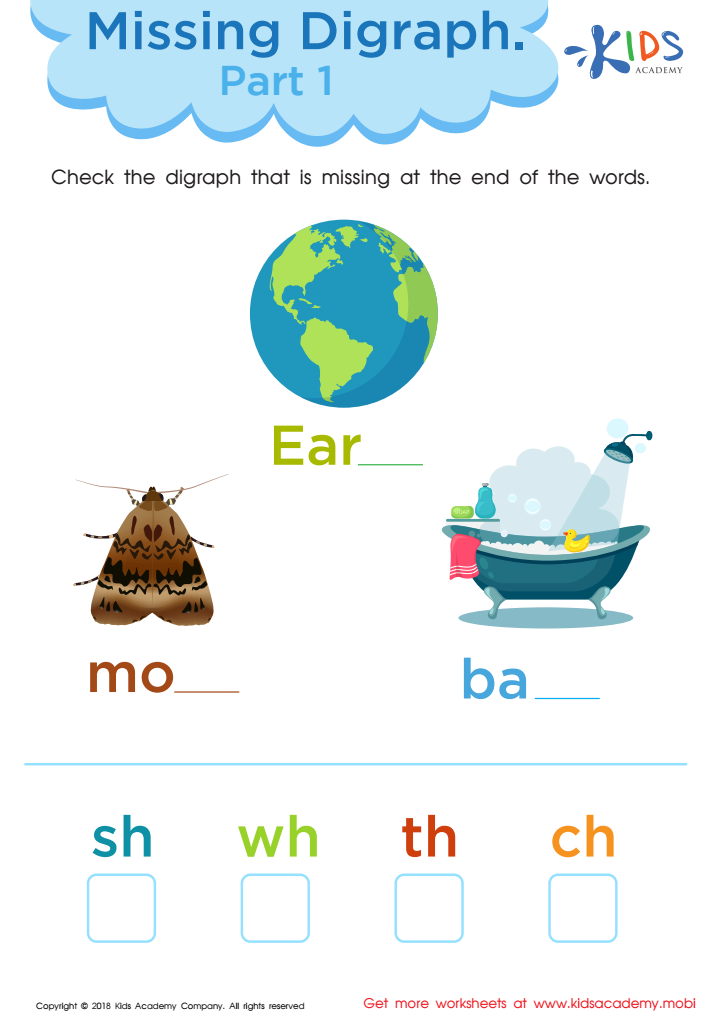
Missing Digraph: Part 1 Worksheet
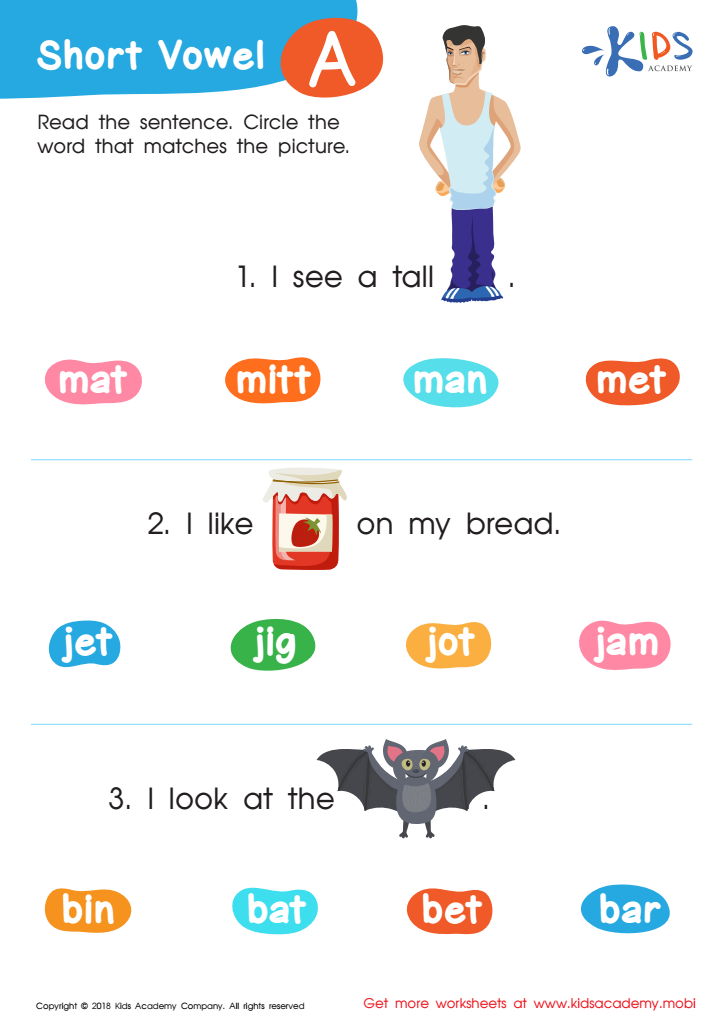
Short Vowel /a/ Worksheet
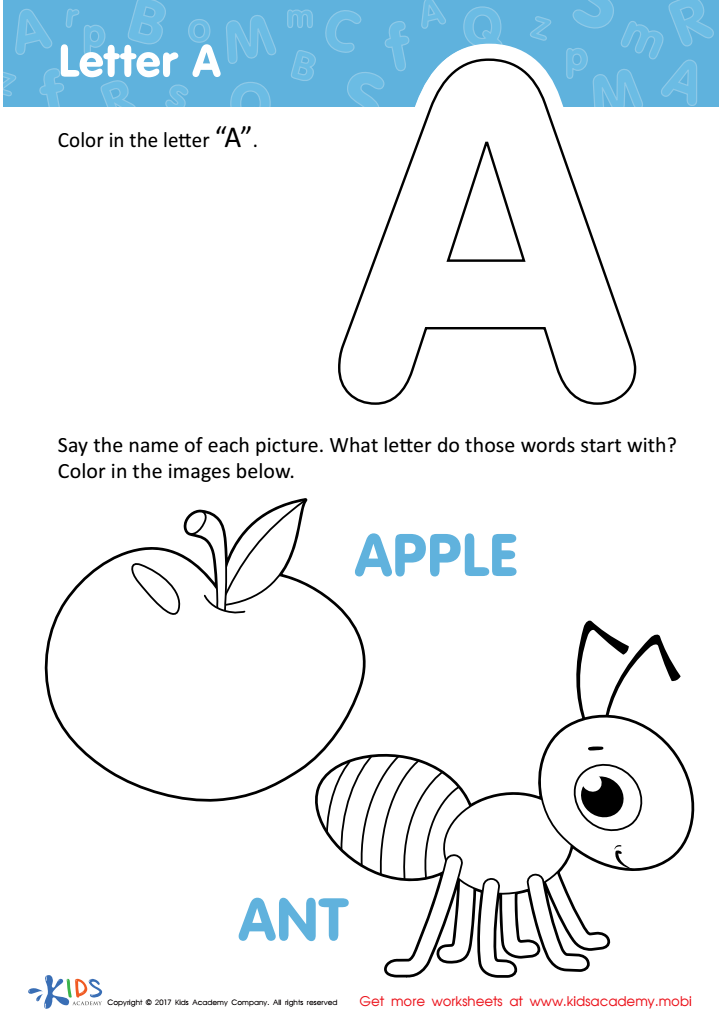
Letter A Coloring Sheet
 Assign to My Students
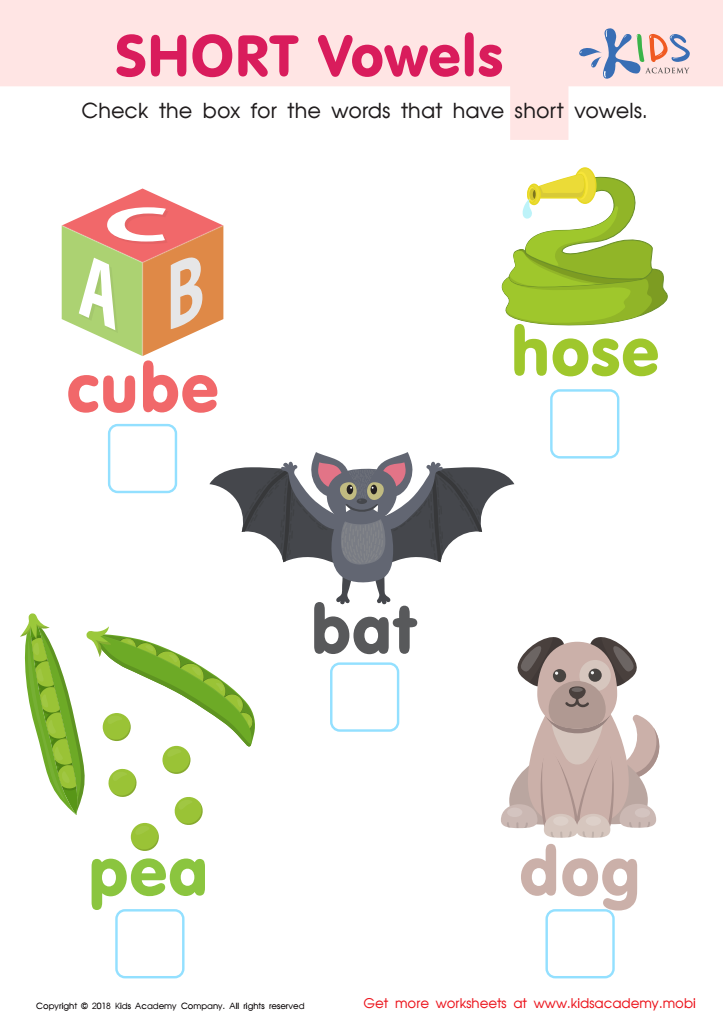
short vowels Worksheet
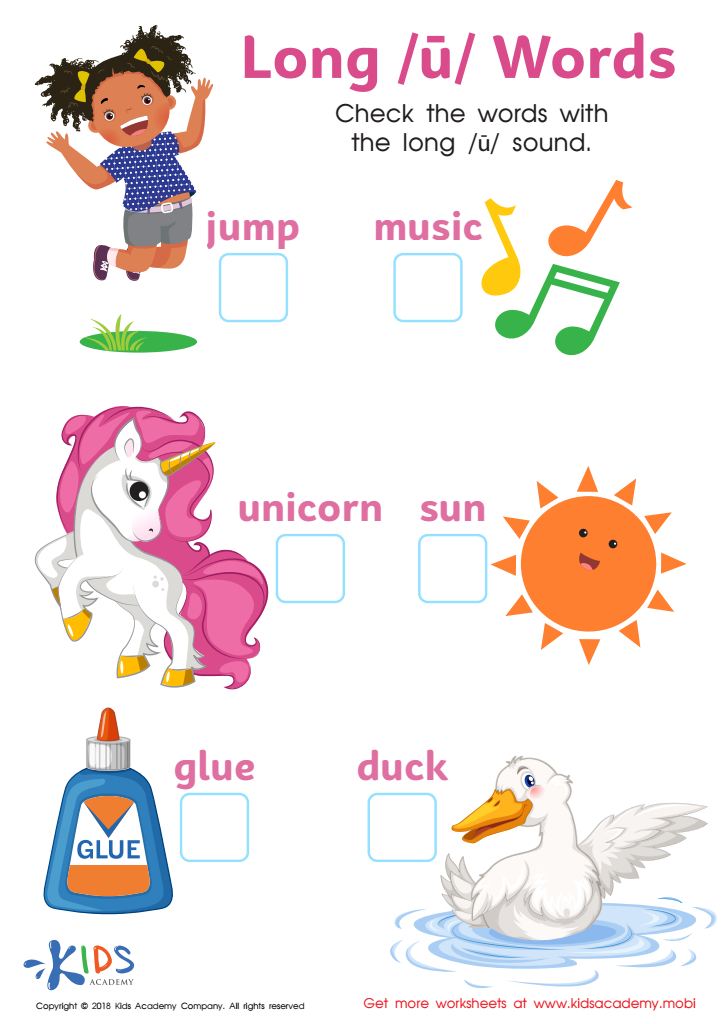
Long U Words Reading Worksheet
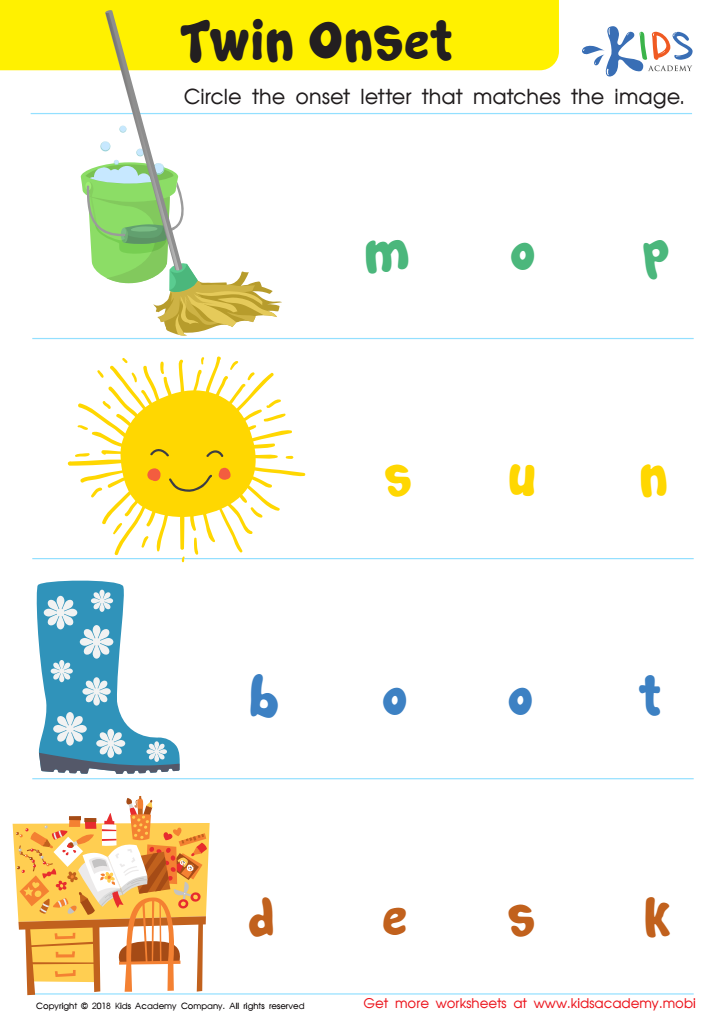
Twin Onset Worksheet
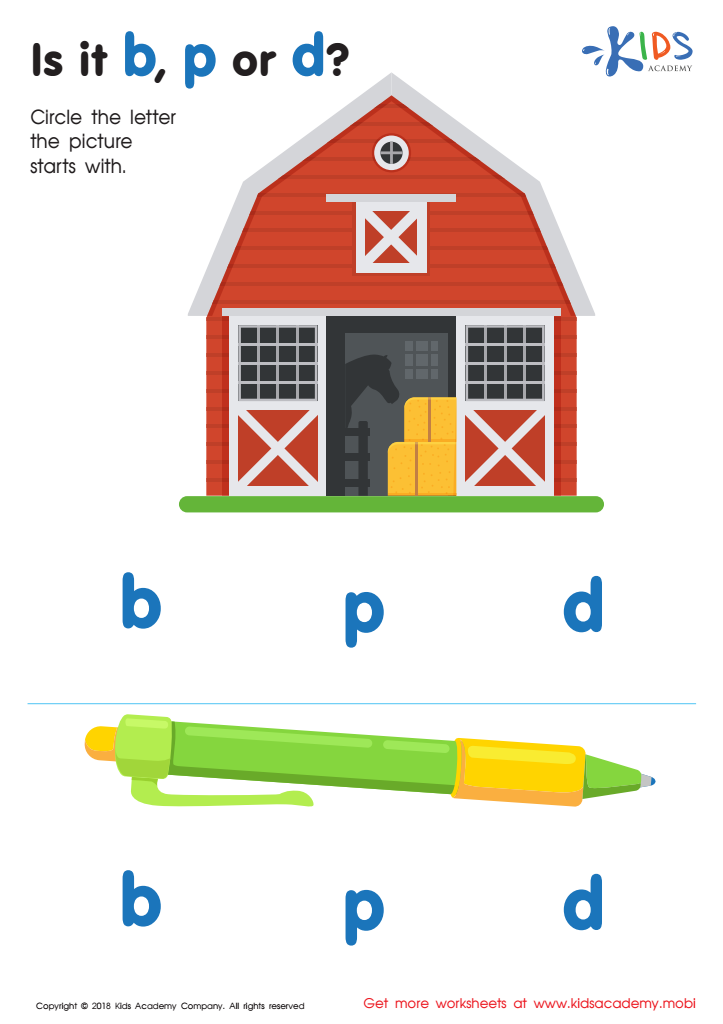
Is it b, p or d? Worksheet
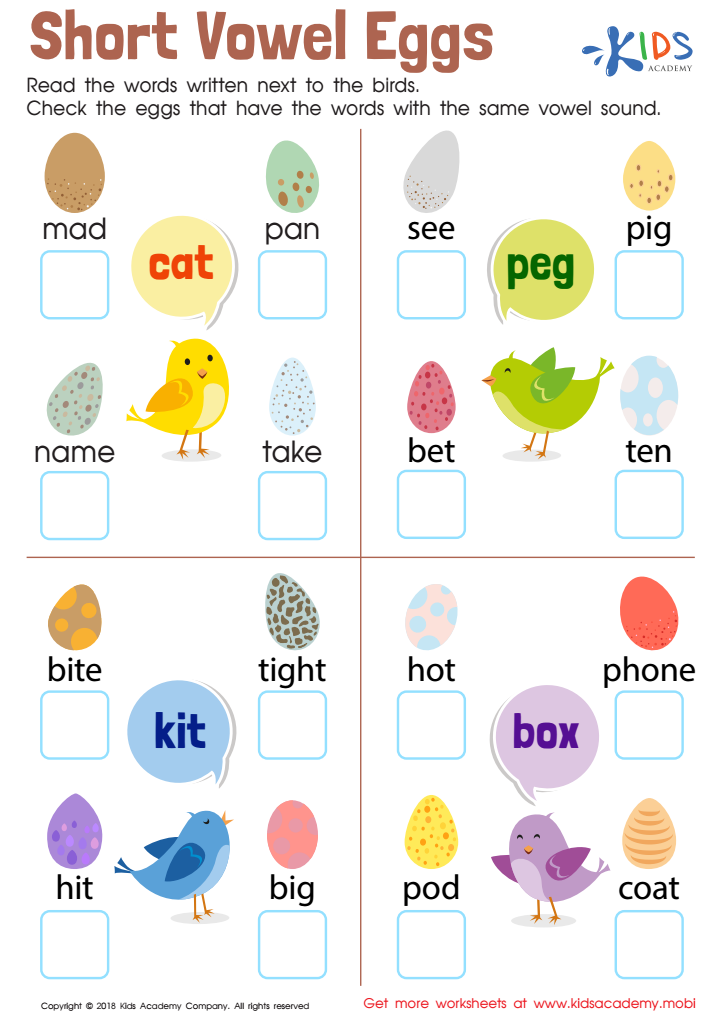
Short Vowel Eggs Worksheet
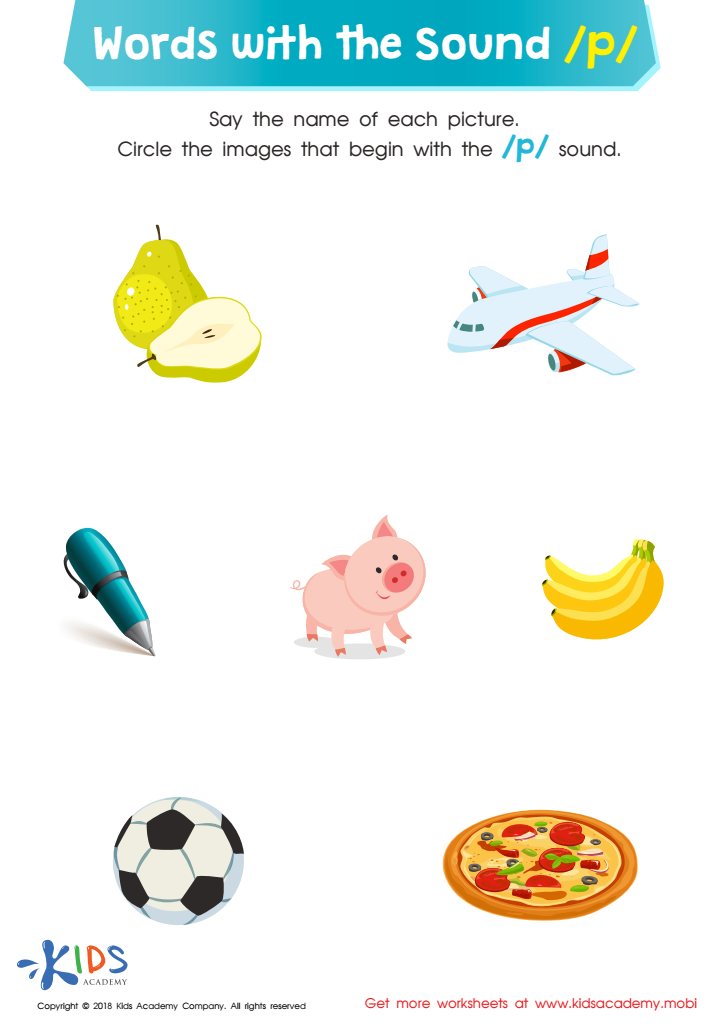
Words with sound p Reading Worksheet
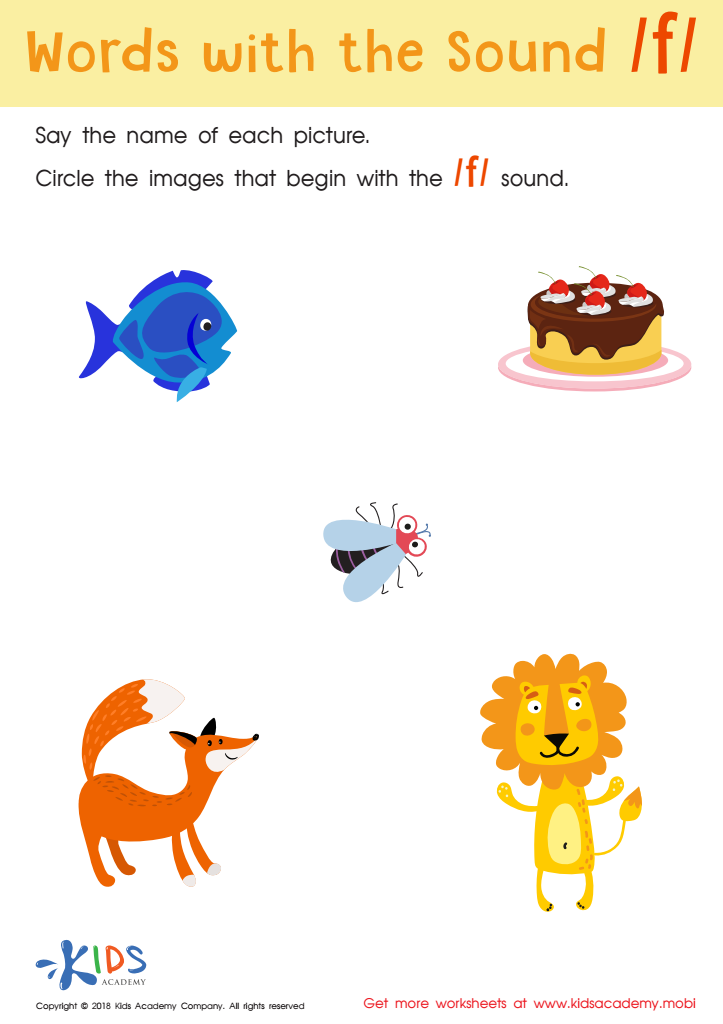
Words with sound f Reading Worksheet
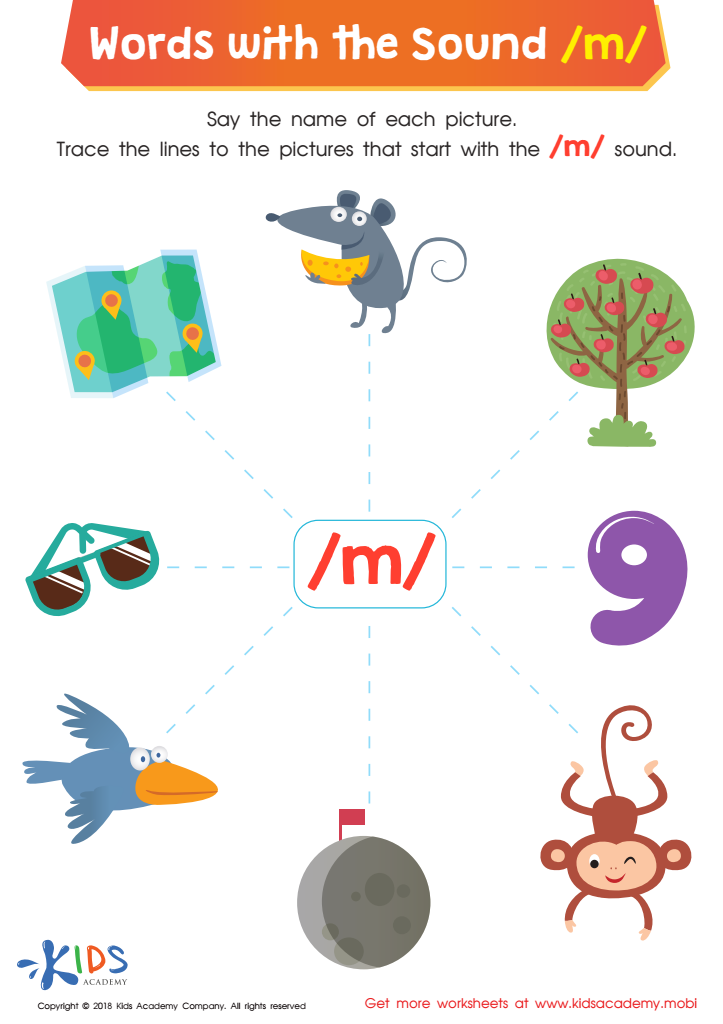
Words with Sound M Reading Worksheet
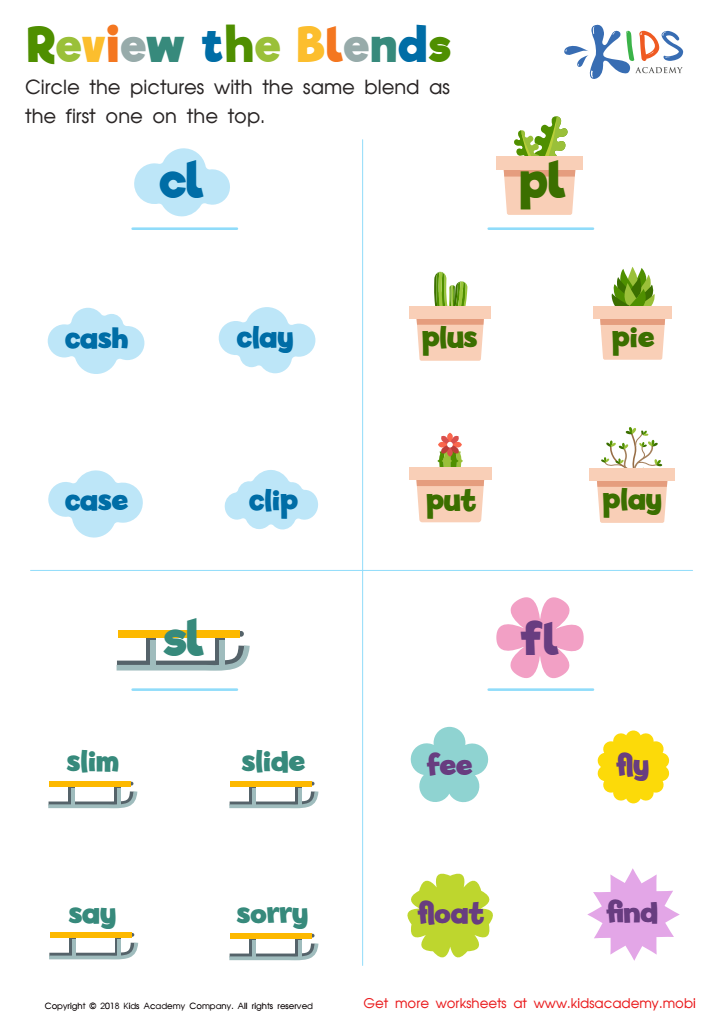
Review the Blends Worksheet







Phonics practice is essential for 6-year-olds as it forms the foundation for reading and writing skills. At this age, children are beginning to decode words, making phonics a crucial part of their literacy development. Understanding the relationship between letters and sounds helps them to recognize words independently, fostering confidence and a love for reading.
Parents and teachers should care about phonics because it enhances a child's cognitive development. Research indicates that strong phonics instruction aids in improving overall language skills, including vocabulary expansion and comprehension. It allows children to better understand the structure of language, which is vital as they progress to more complex texts.
Moreover, consistent phonics practice leads to improved academic performance across subjects. Reading is a skill necessary not just for language arts but also for subjects like math and science, where comprehension of written instructions and problems is critical.
Additionally, early phonics practice can identify learning difficulties early on, allowing for timely intervention. By prioritizing phonics, parents and teachers equip children with the tools necessary for lifelong learning and critical thinking, setting the stage for future educational success. Ultimately, phonics lays the groundwork for literacy, fostering both academic achievement and a passion for reading.







