Reading development Normal Alphabet Worksheets for 6-Year-Olds
4 filtered results
-
From - To
Welcome to our "Reading Development Normal Alphabet Worksheets" designed specifically for 6-year-olds! These engaging worksheets help young learners master the alphabet while strengthening their reading skills. Each worksheet focuses on letter recognition, sound association, and basic phonics, paving the way for confident reading. With colorful illustrations and fun activities, these worksheets keep children motivated and eager to learn. Perfect for both classroom and home use, our resources align with educational standards and cater to varied learning styles. Start your child's reading journey today and watch their literacy skills flourish as they explore the world of letters!
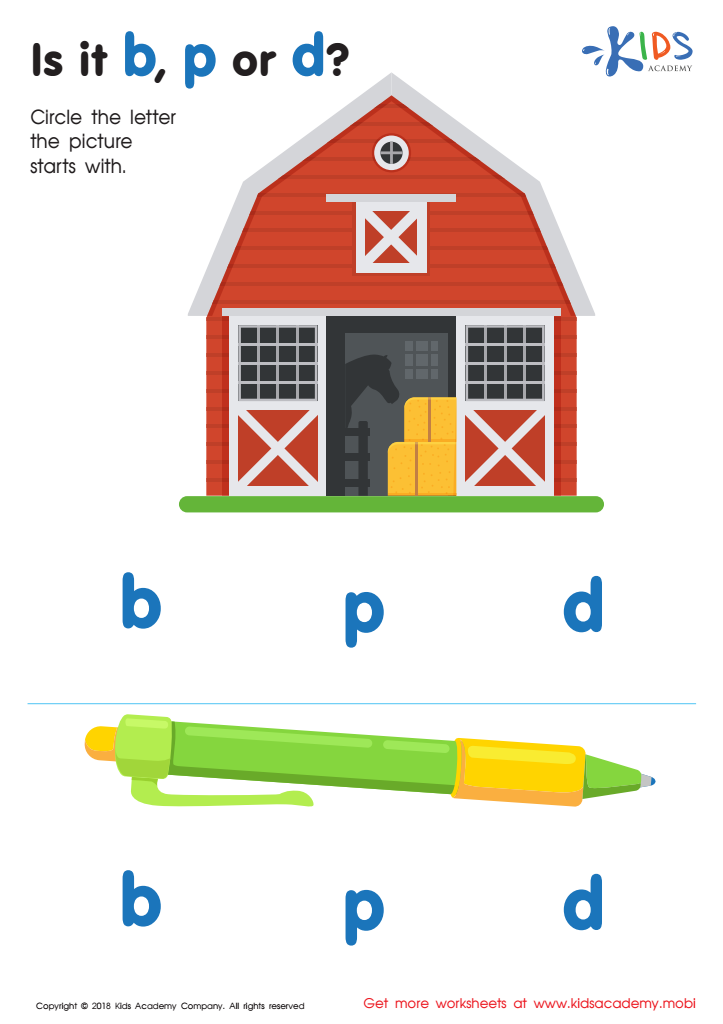
Is it b, p or d? Worksheet
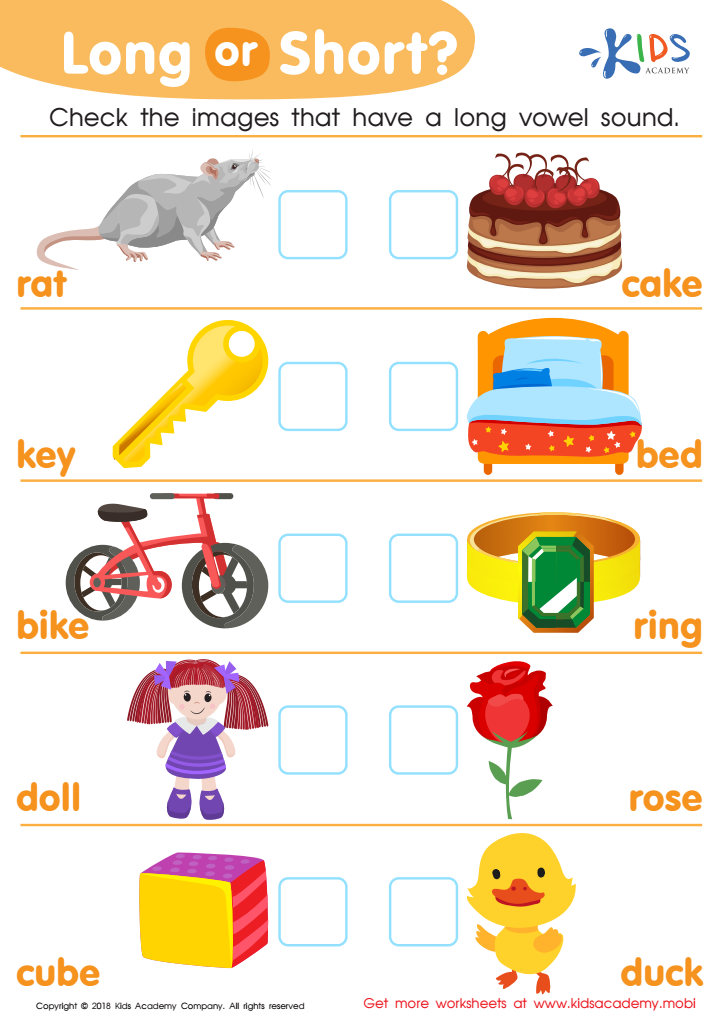
Long or Short Reading Worksheet
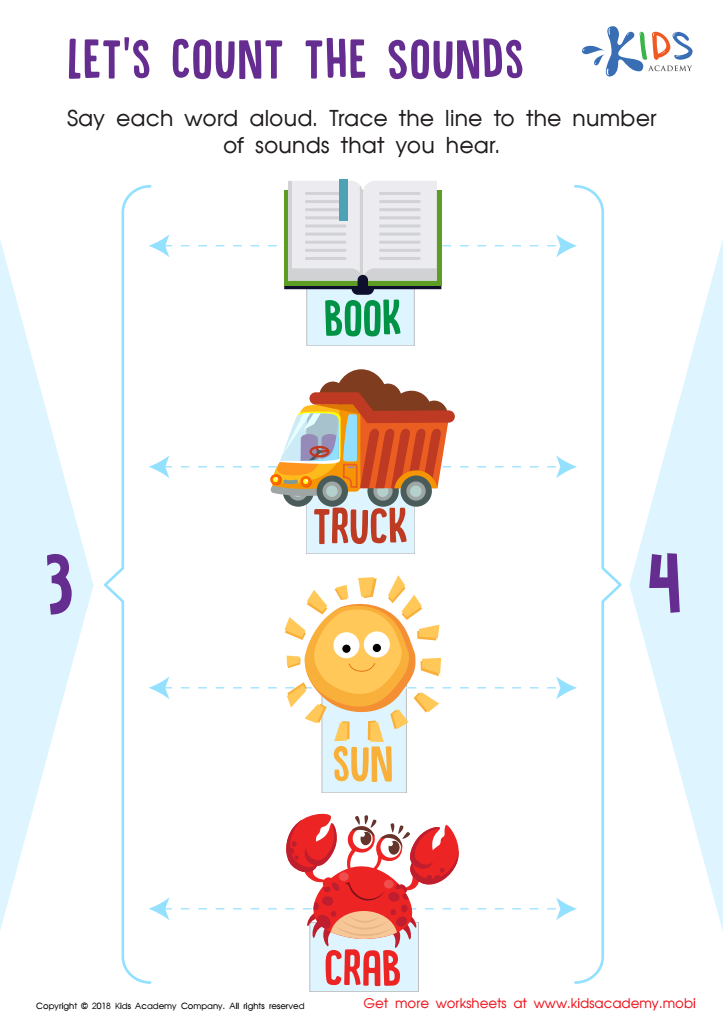
Let's Count the Sounds Worksheet
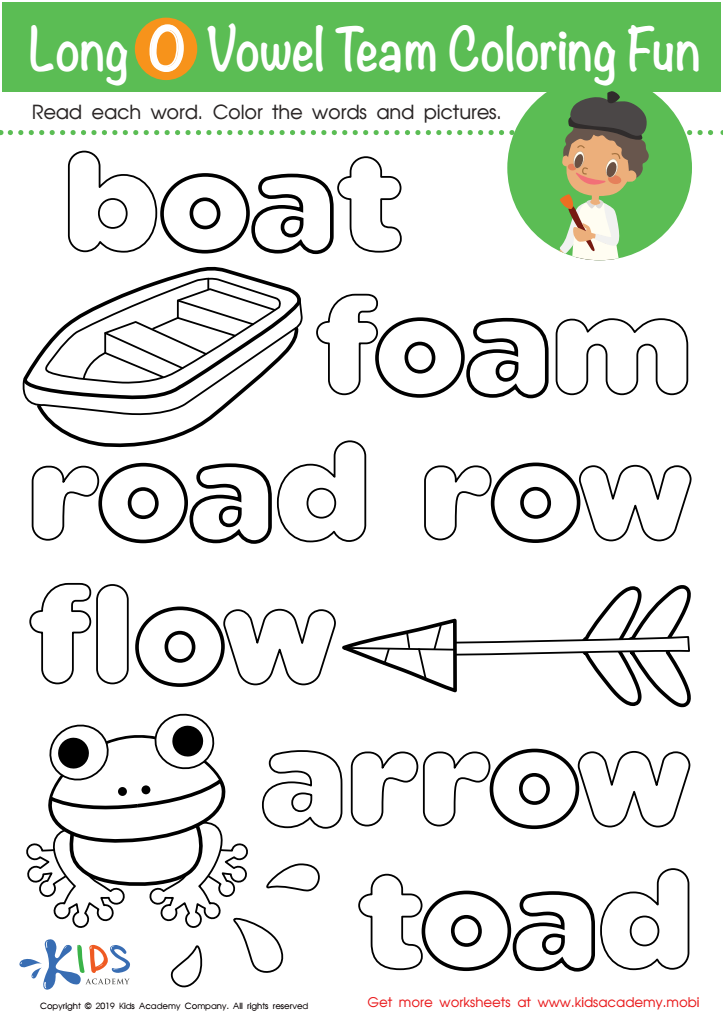
Long O Vowel Team Coloring Worksheet
 Assign to My Students







Reading development at the age of six is crucial for a child's overall academic success and future literacy skills. During this period, children encounter the foundational concepts of reading, including phonemic awareness, vowel sounds, and the relationship between letters and sounds. As they begin to recognize, decode, and comprehend words and sentences, their engagement with text fosters not just literacy but also critical thinking and comprehension skills.
Parents and teachers should care about this development because strong reading skills lead to improved performance across all subjects. Reading influences a child’s ability to understand instructions, engage with class materials, and express themselves both verbally and in writing. Furthermore, children who grasp reading skills early on are more likely to develop a lifelong love for reading, enhancing their creativity and imagination.
In addition, supporting a child's reading journey helps build their confidence and self-esteem. These abilities contribute not just to academic success but also to their social development, as literacy skills enable better communication and interactions with peers. Thus, nurturing reading development in six-year-olds helps set a strong foundation for their entire educational journey and personal growth. Ensuring that parents and educators are actively involved can make a lasting impact on a child's future.







