Sound-letter association Normal Alphabet Worksheets for 6-Year-Olds
3 filtered results
-
From - To
Unlock your child's reading potential with our engaging Sound-Letter Association Normal Alphabet Worksheets designed specifically for 6-year-olds! These interactive worksheets help children connect sounds with their corresponding letters, reinforcing essential early literacy skills. Each worksheet features vibrant illustrations and fun exercises that make learning enjoyable. Perfect for home or classroom use, our resources are tailored to enhance phonemic awareness, spelling, and reading proficiency. Foster a love for reading as kids explore and practice letter sounds in an entertaining way. Give your child a solid foundation in literacy with our expertly crafted worksheets that make learning exciting! Download and transform learning today!
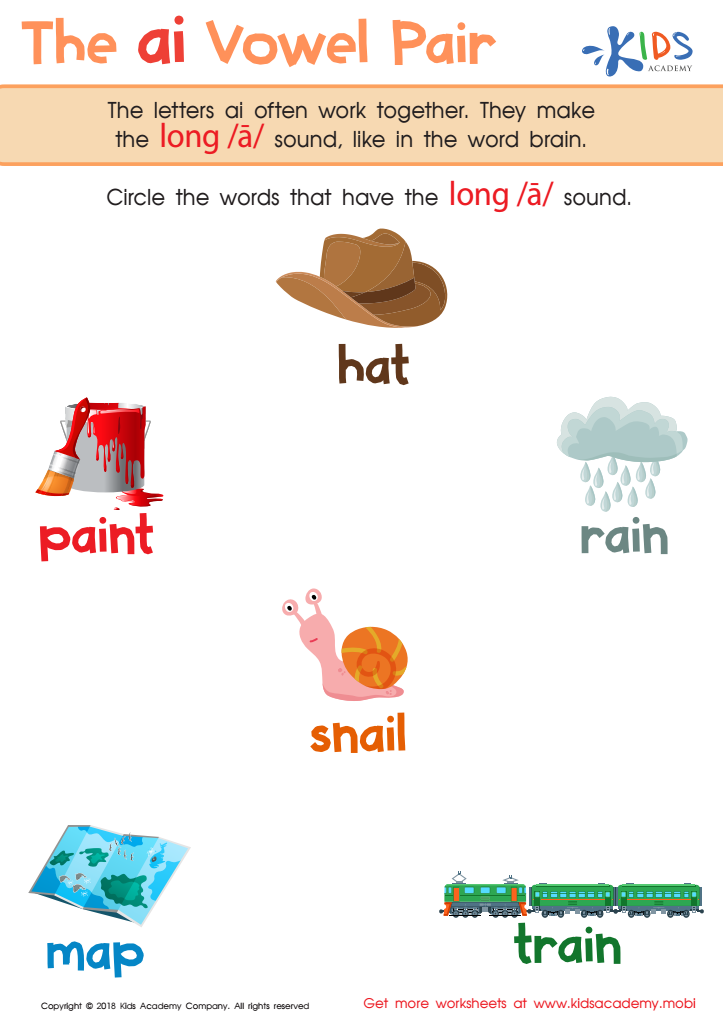
The AI Vowel Pair Worksheet
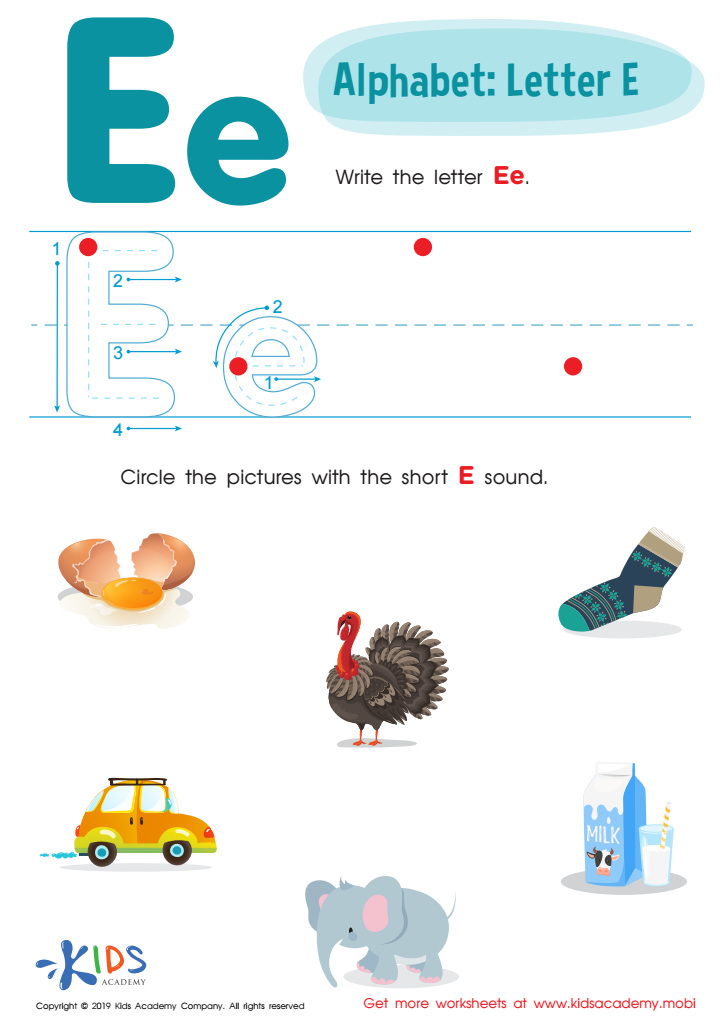
Letter E Tracing Worksheet
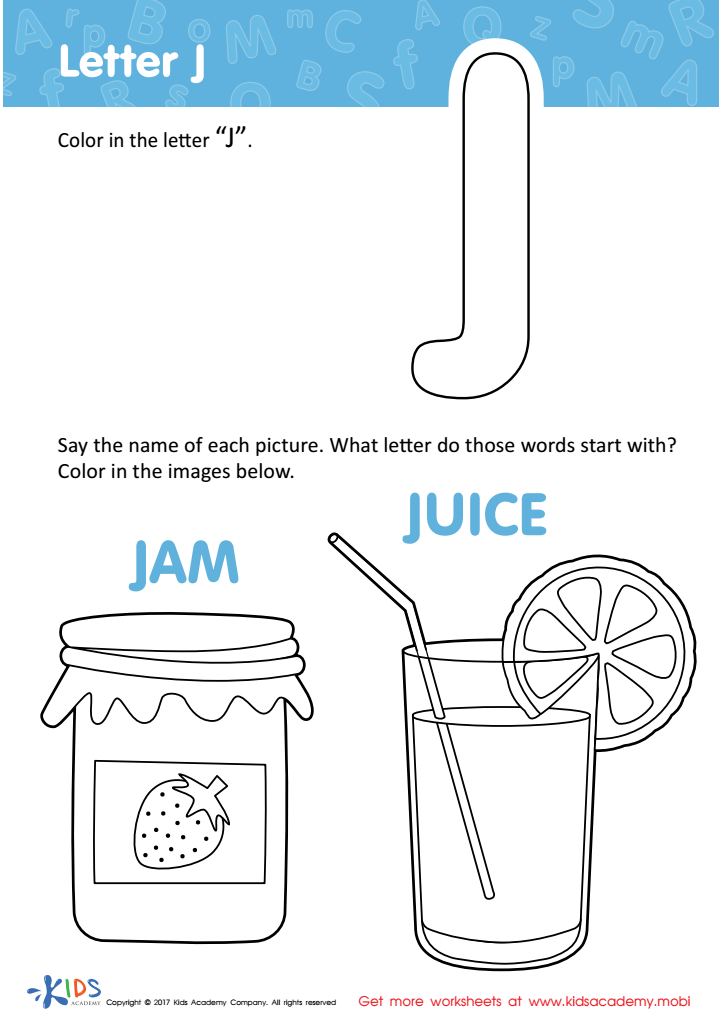
Letter J Coloring Sheet
 Assign to My Students








Sound-letter association, also known as phonics, is crucial for six-year-olds as it lays the foundation for reading and writing skills. At this age, children are starting to connect spoken language to written symbols, which is essential for literacy development. Parents and teachers should care about this association because it directly impacts a child's ability to decode words, understand their meanings, and develop fluency.
When children grasp sound-letter correspondence, they are better equipped to tackle new words independently. This leads to increased confidence in their reading abilities, fostering a love for books and learning. Without a strong understanding of phonics, students may struggle with spelling and comprehension, which can hinder their academic performance and enthusiasm for school.
Furthermore, early proficiency in sound-letter associations promotes better communication skills and enriches vocabulary, providing a solid foundation for future learning. Engaging children in fun phonics activities—like songs, games, and reading aloud—can nurture their interest. Ultimately, parents and teachers play a vital role in supporting this essential skill, ensuring a proactive approach to literacy that benefits children throughout their educational journey. Investing in phonics education now can cultivate lifelong readers and learners.







