Fine Motor Skills Normal Letter Recognition Worksheets for 6-Year-Olds
41 filtered results
-
From - To
Enhance your child's fine motor skills and letter recognition with our engaging worksheets designed for 6-year-olds! These expertly crafted activities not only promote letter identification and sound association but also foster essential hand-eye coordination. Each worksheet offers a playful yet educational way to practice skills through tracing, drawing, and coloring letters. Ideal for at-home learning or classroom use, our resources support early literacy development while making learning fun. Encourage your young learner to enhance their writing abilities and boost their confidence in recognizing and using letters effectively. Discover the joy of learning with our fine motor skills letter recognition worksheets!
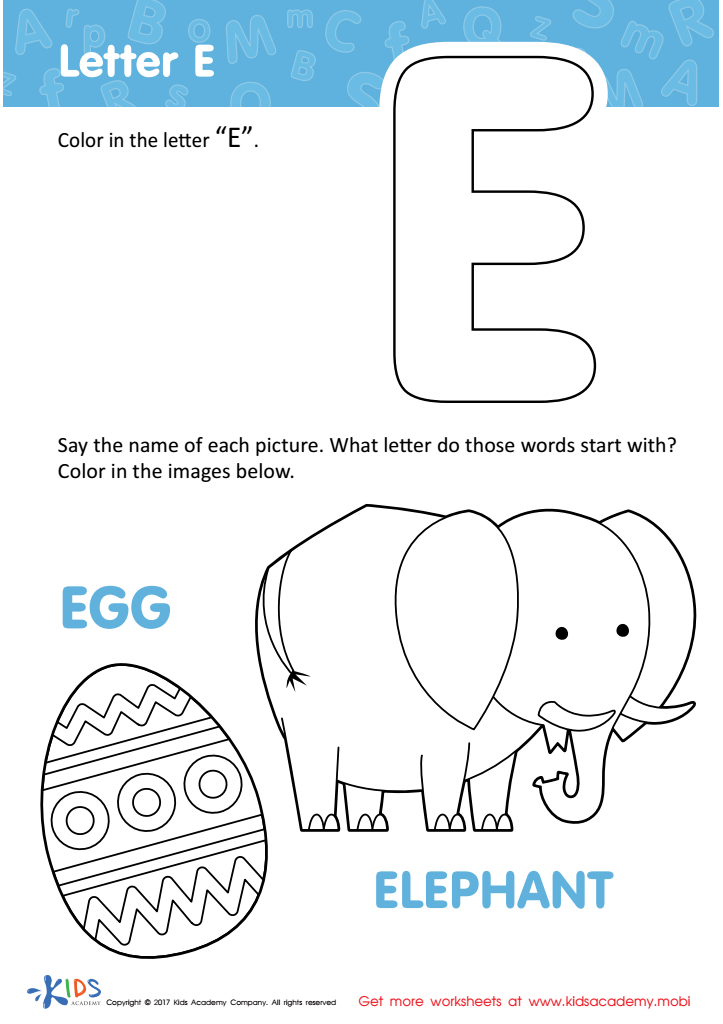
Letter E Coloring Sheet
 Assign to My Students
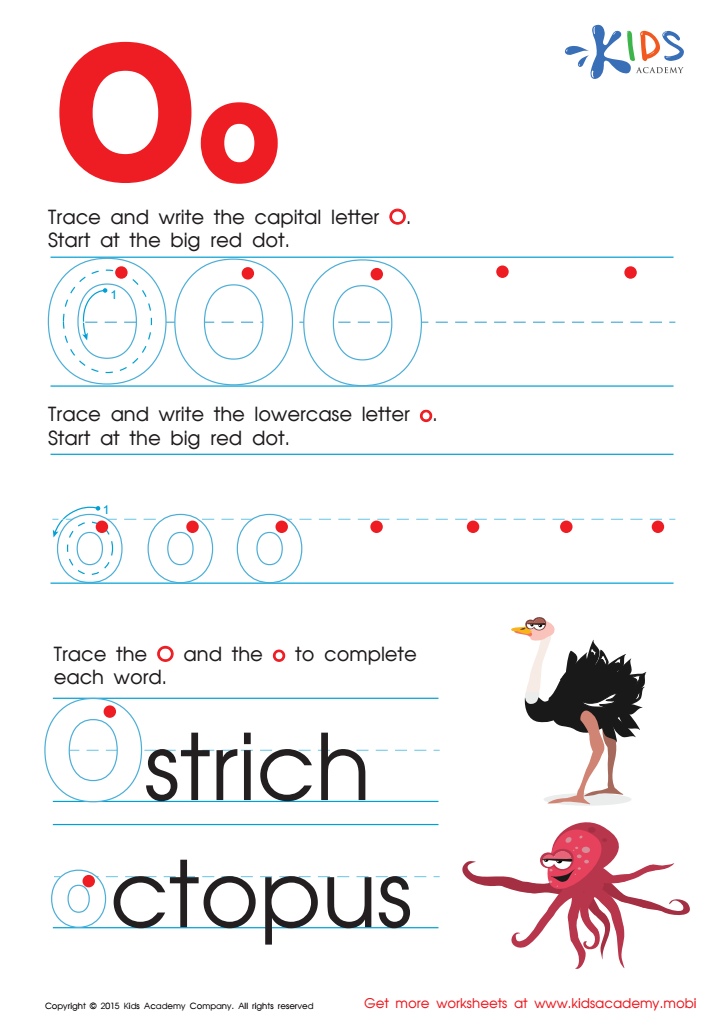
Letter O Tracing Page
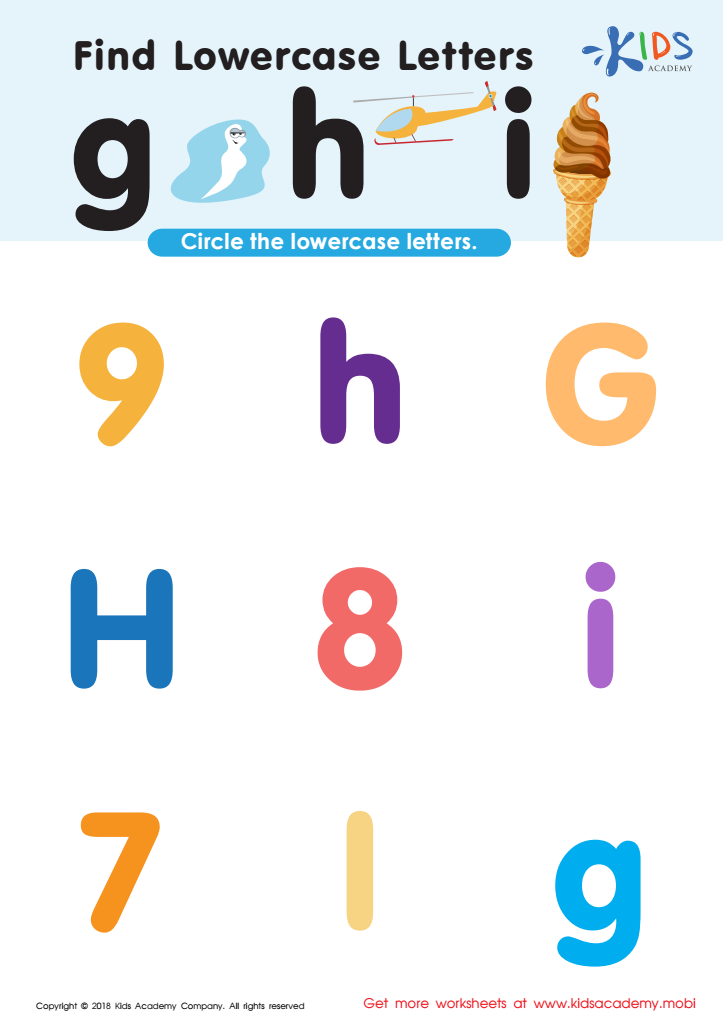
Find Lowercase Letters g h i Worksheet
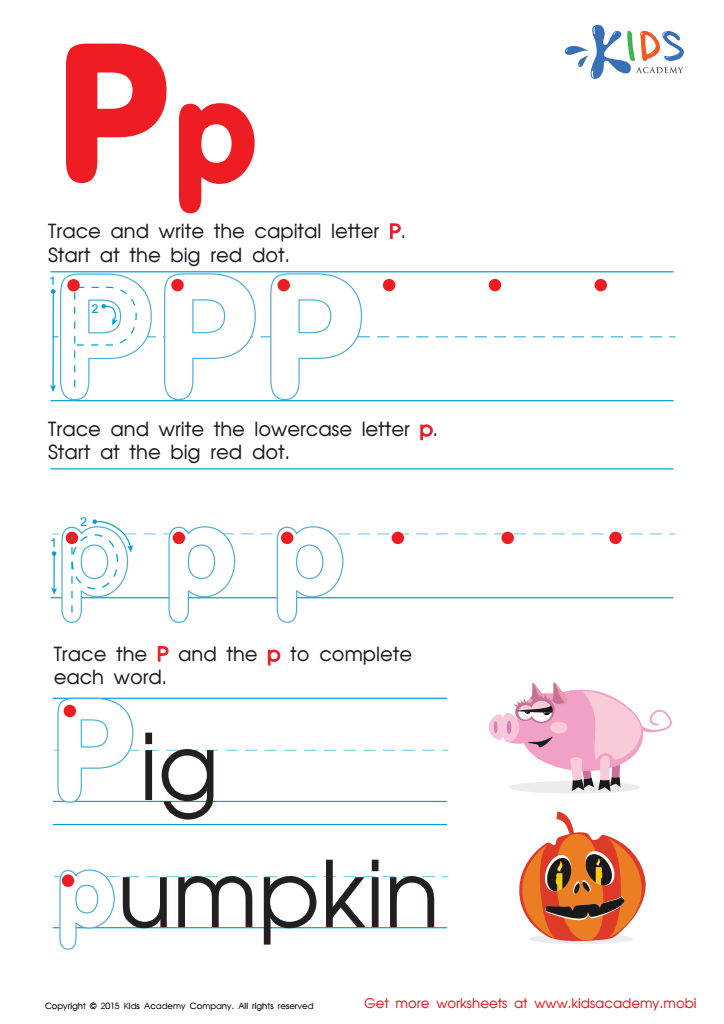
Letter P Tracing Page
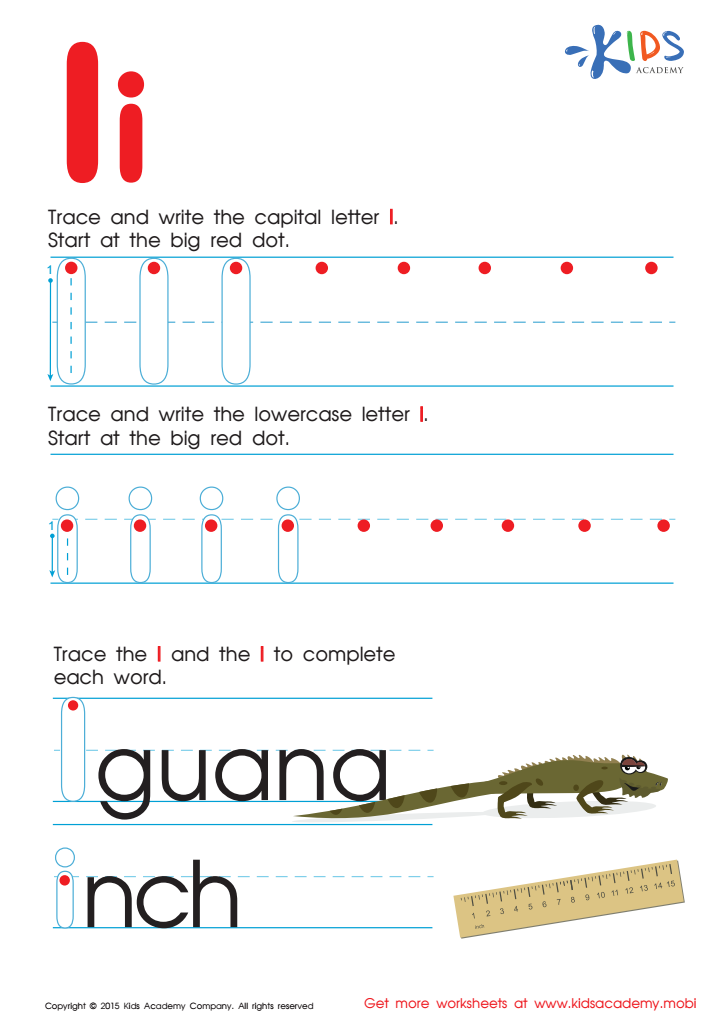
Letter I Tracing Page
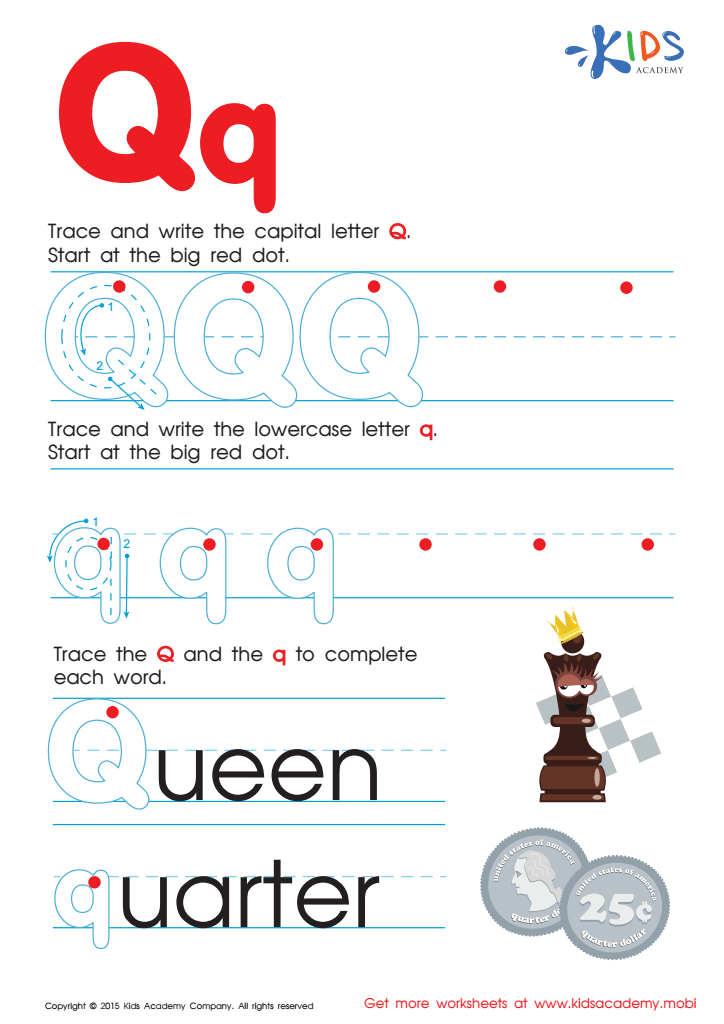
Letter Q Tracing Page
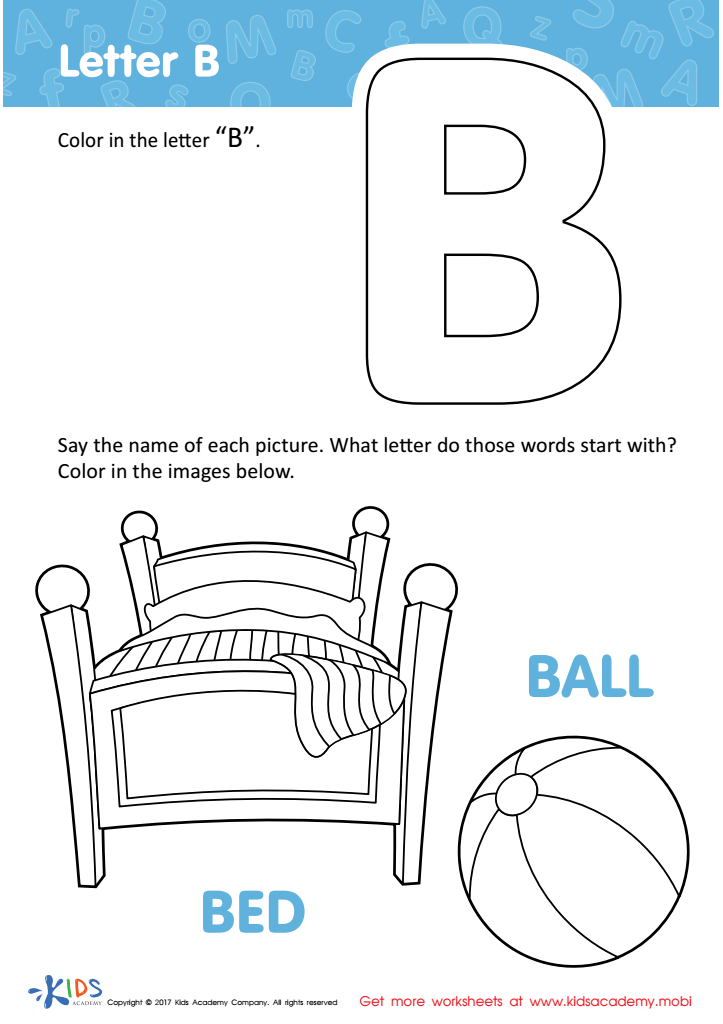
Letter B Coloring Sheet
Assign to My Students
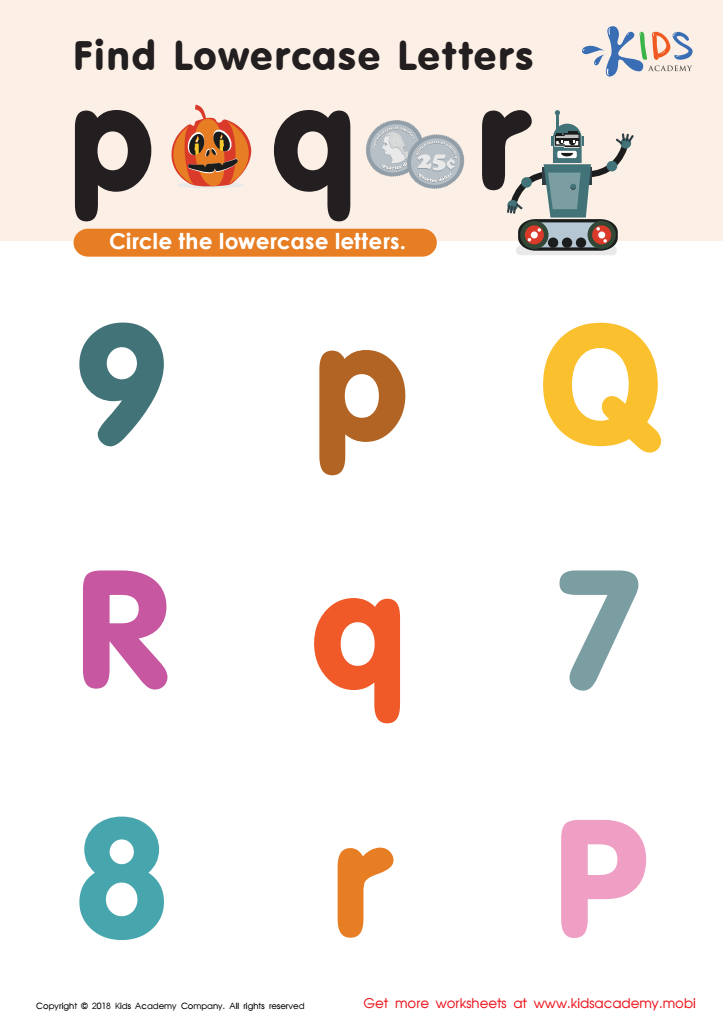
Find lowercase Letters p q r Worksheet
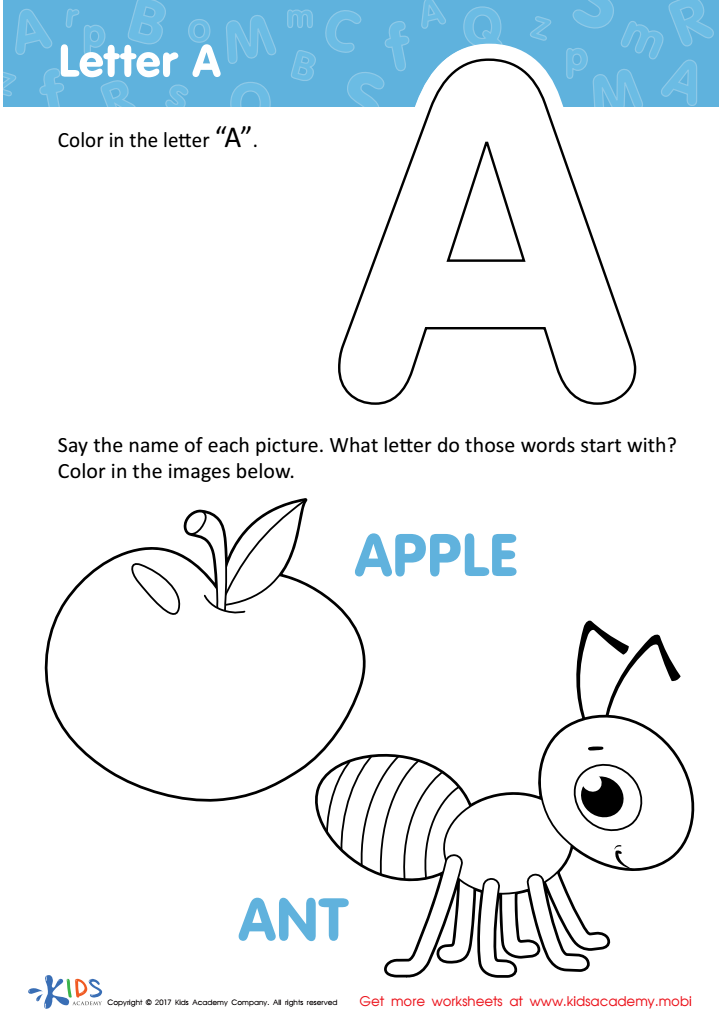
Letter A Coloring Sheet
Assign to My Students
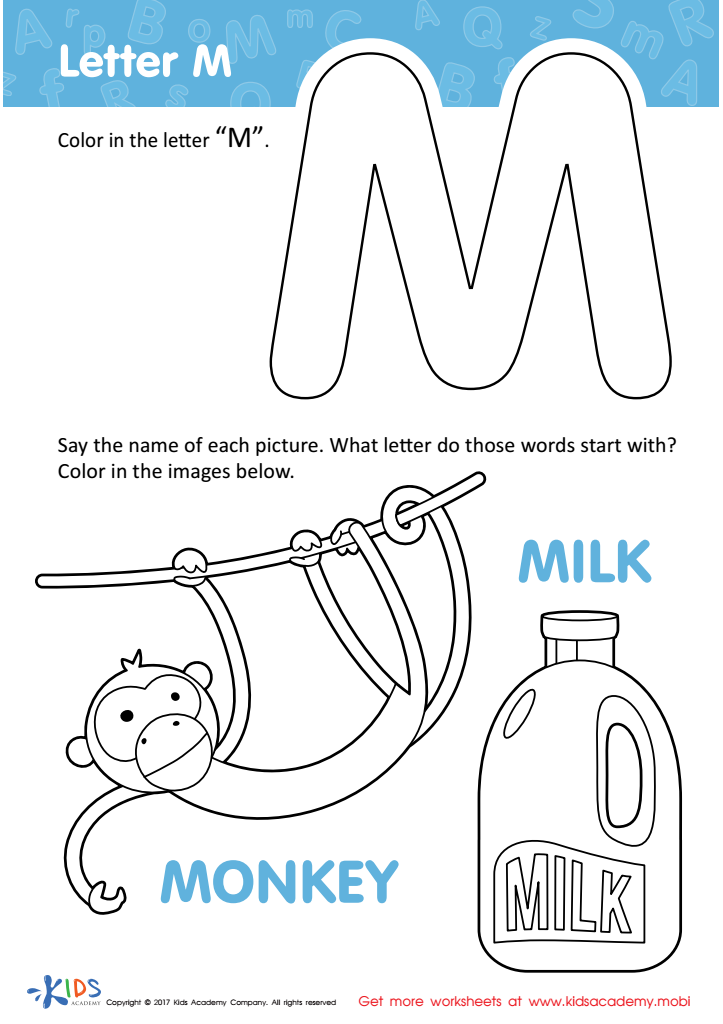
Letter M Coloring Sheet
Assign to My Students
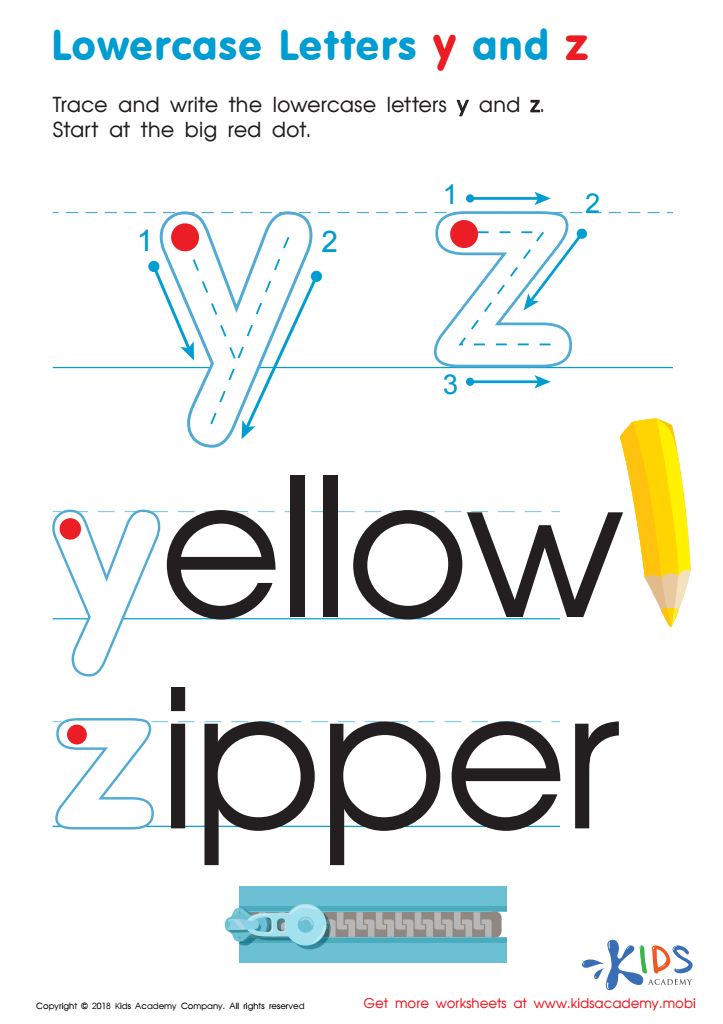
Lowercase Letters y z Worksheet
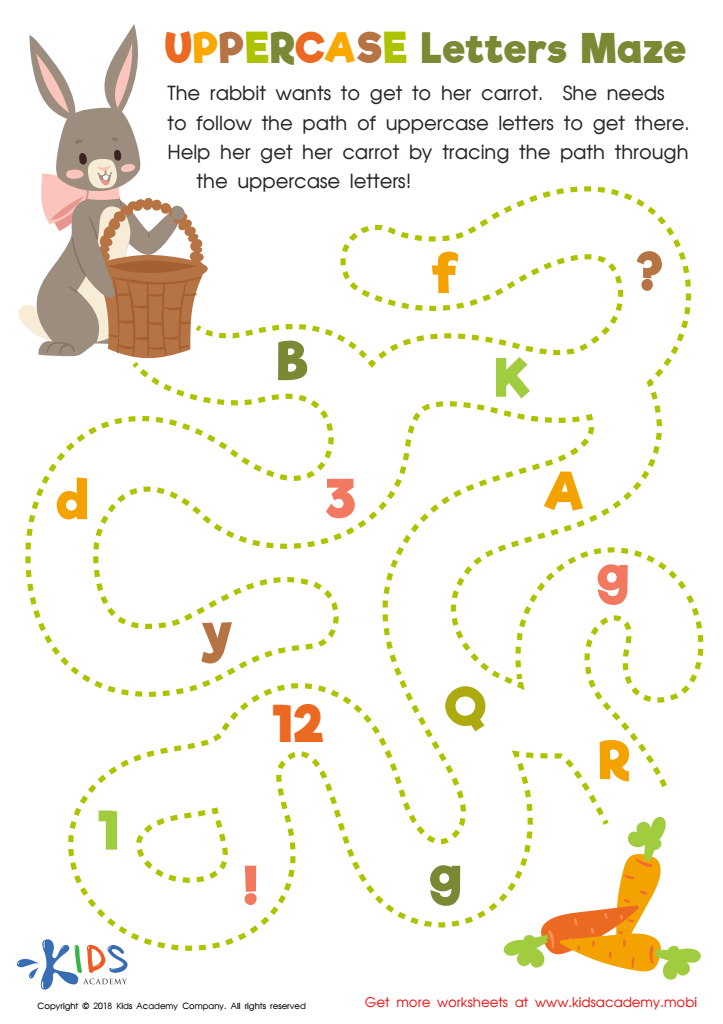
Uppercase Letters Maze Worksheet
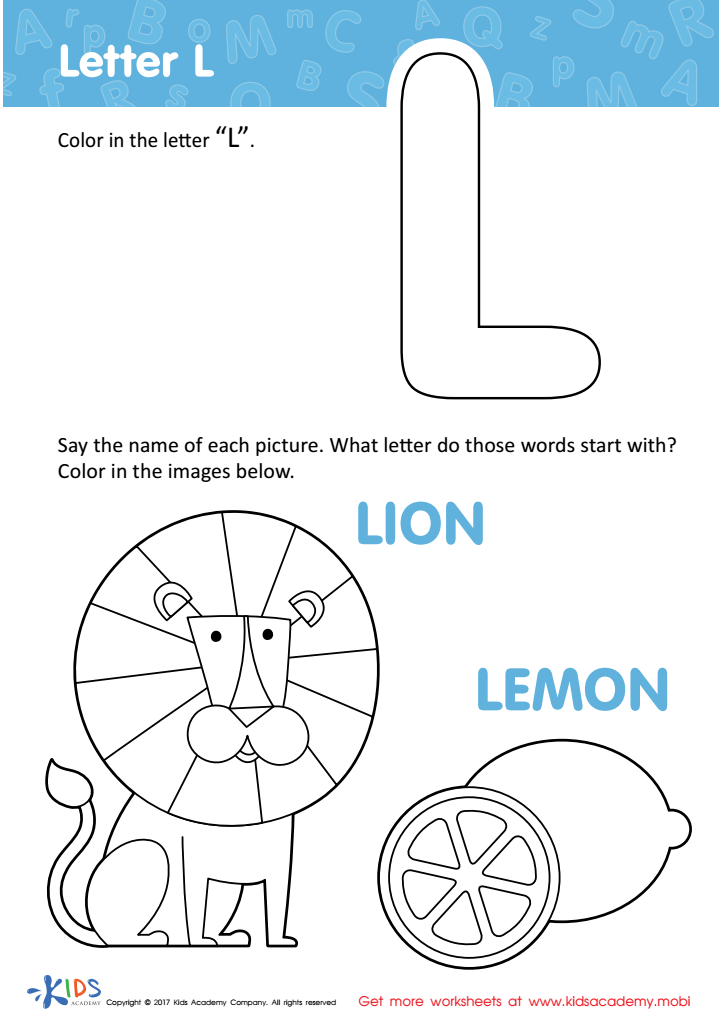
Letter L Coloring Sheet
Assign to My Students
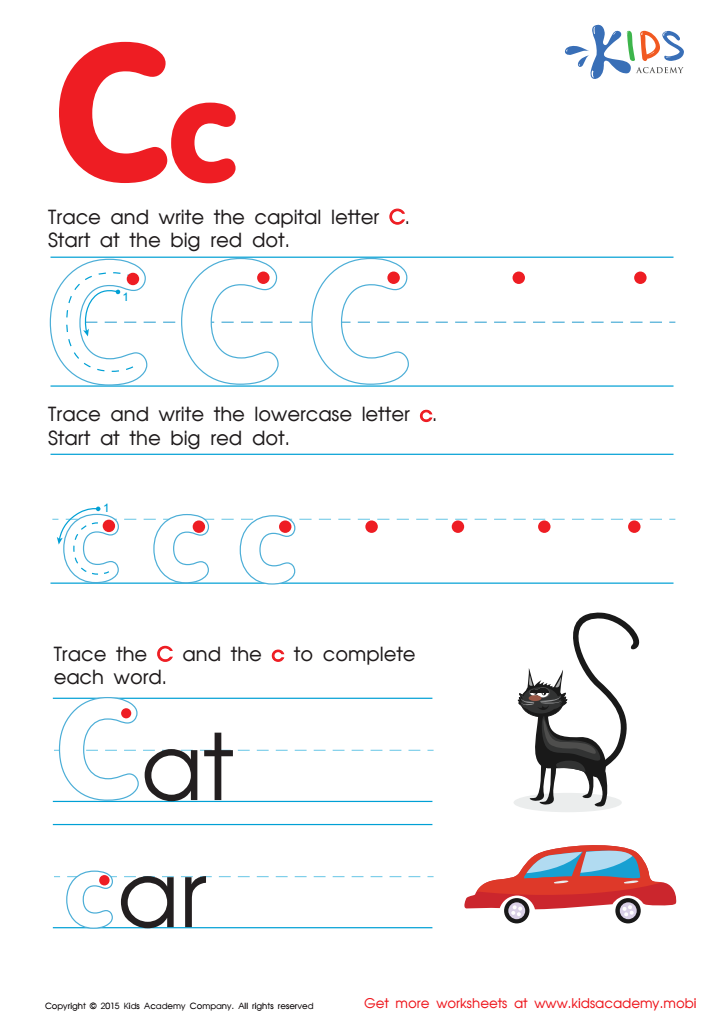
Letter C Tracing Page
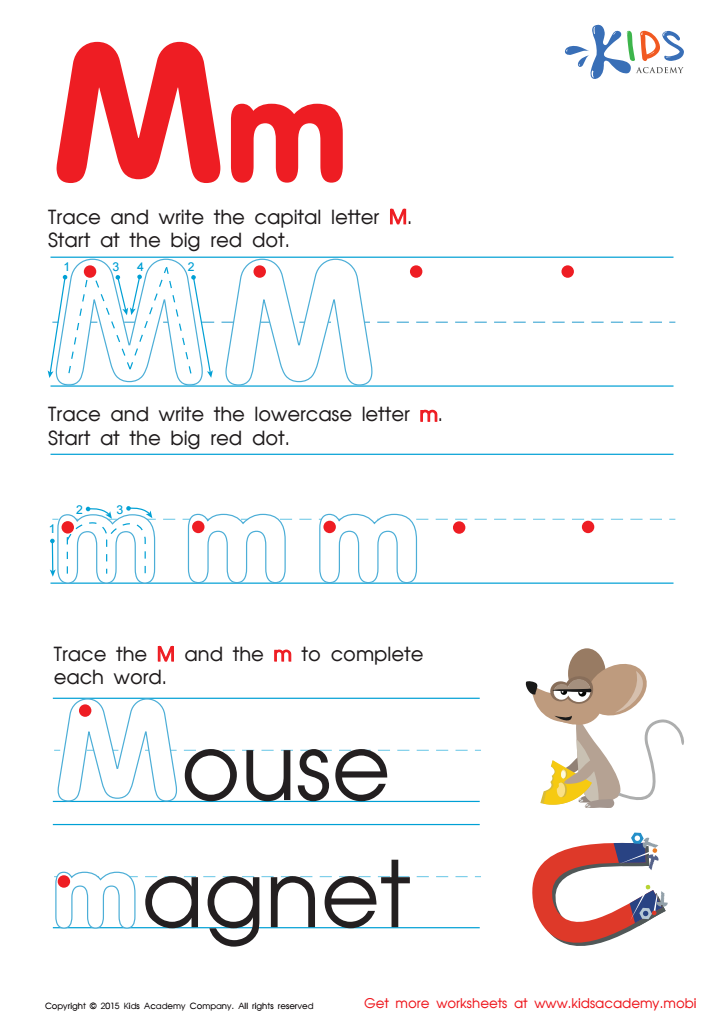
Letter M Tracing Page
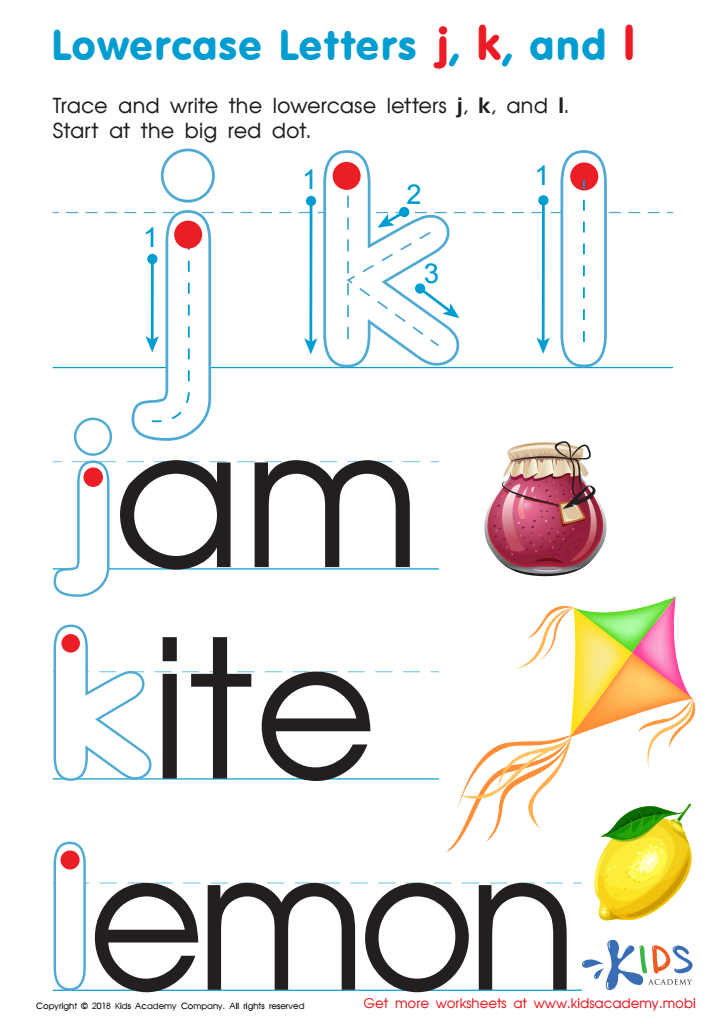
Lowercase Letters j k l Worksheet
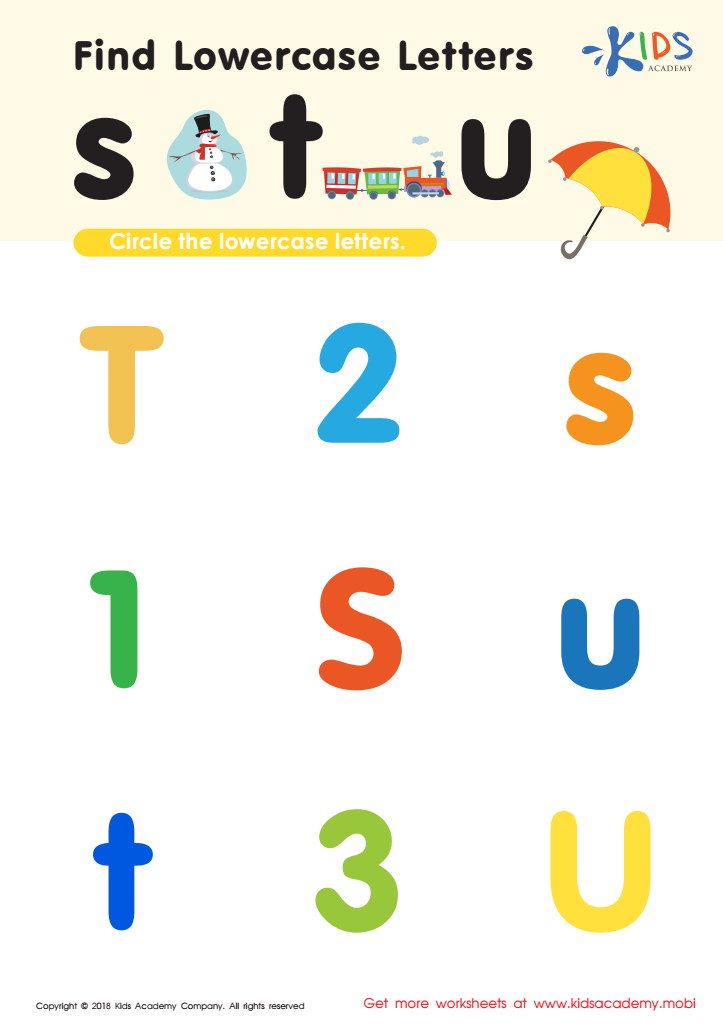
Find lowercase Letters s t u Worksheet
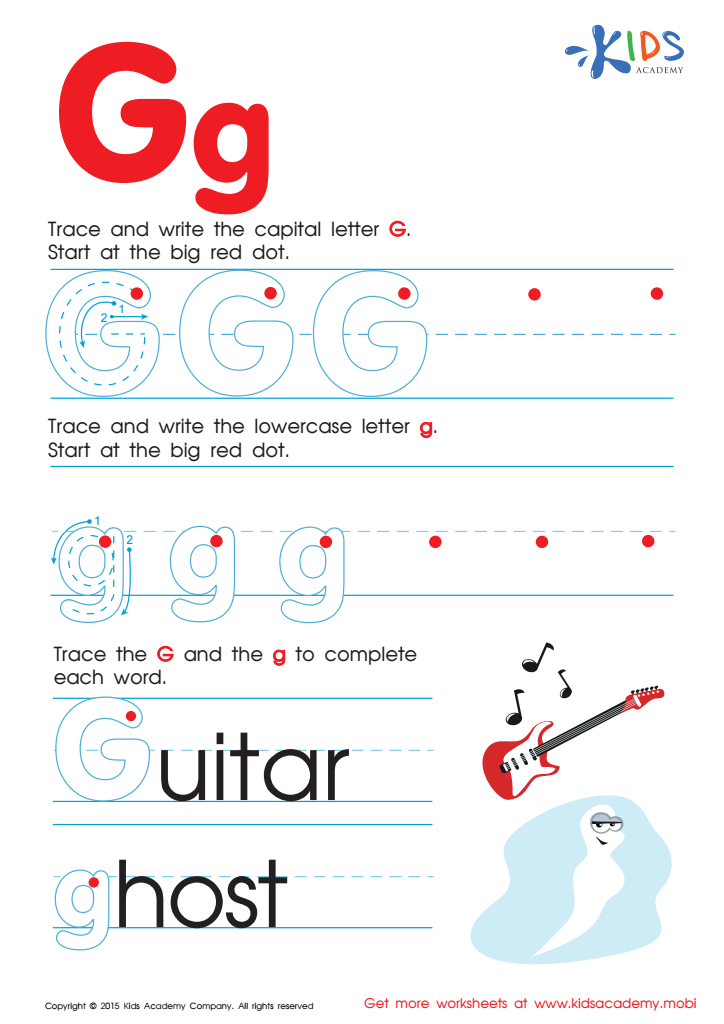
Letter G Tracing Page
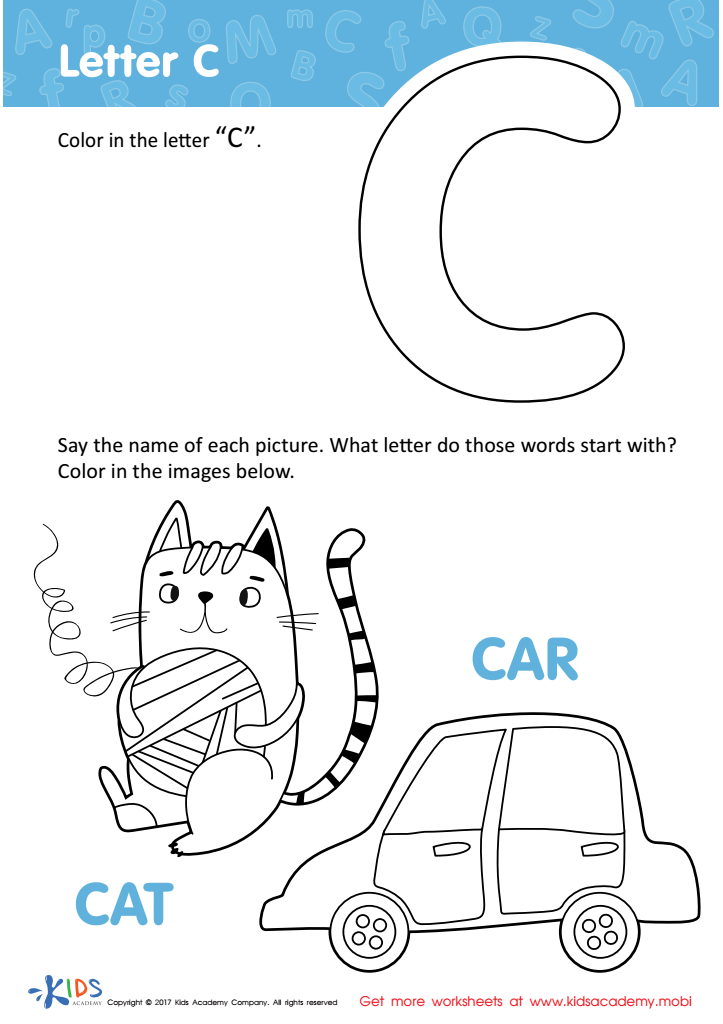
Letter C Coloring Sheet
Assign to My Students
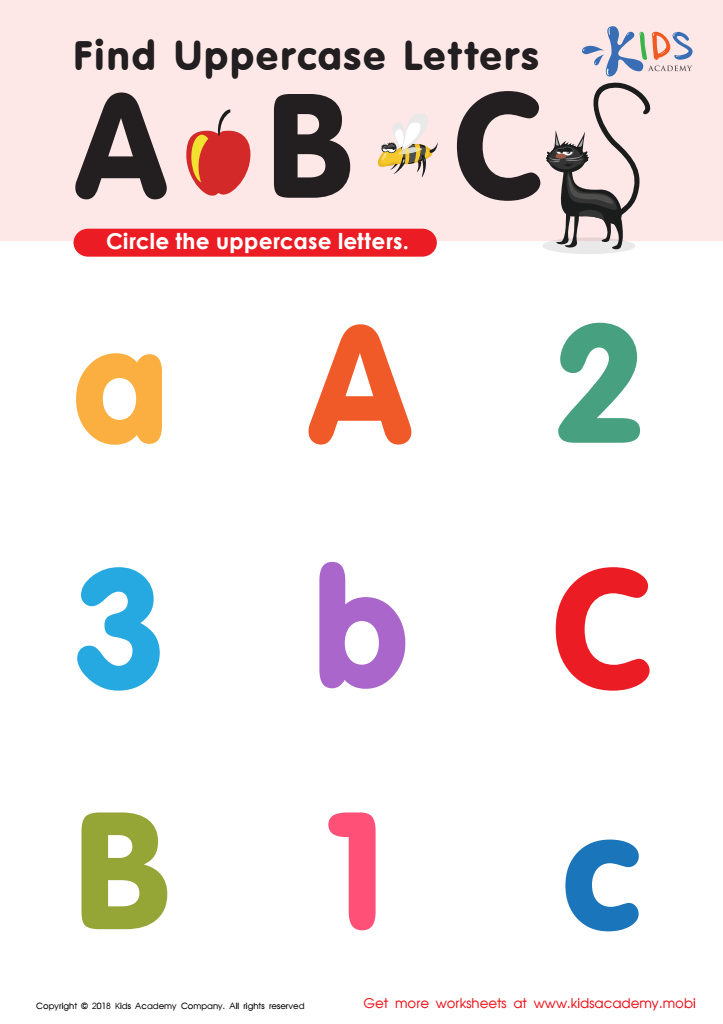
Find Uppercase Letters A, B, and C Worksheet
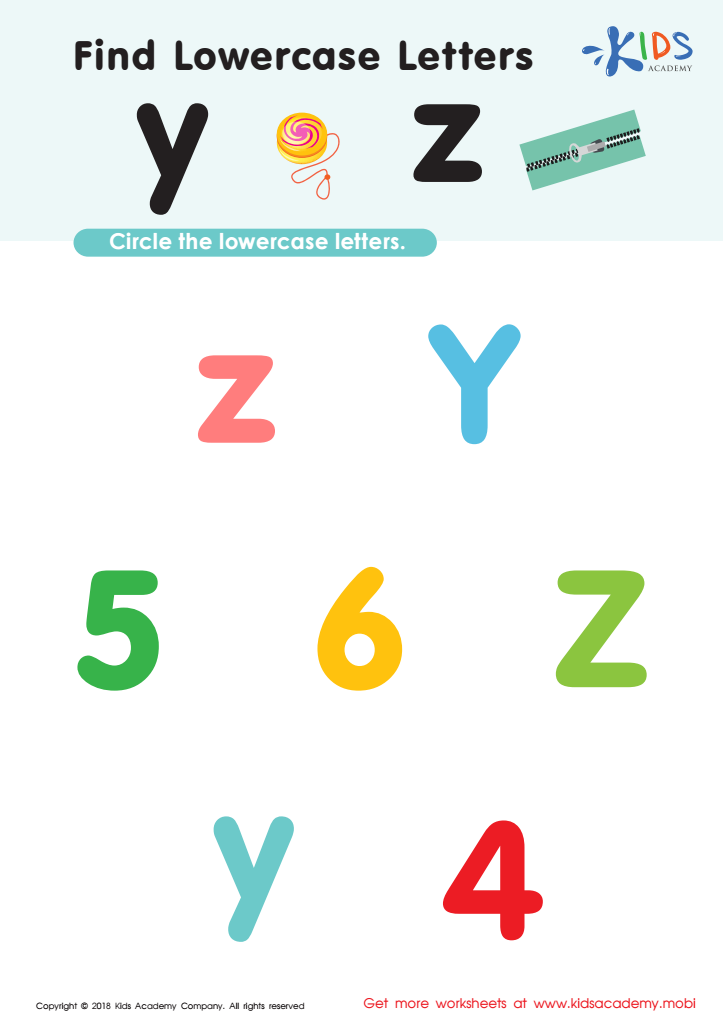
Find Lowercase Letters y z Worksheet

Letter E Tracing Worksheet
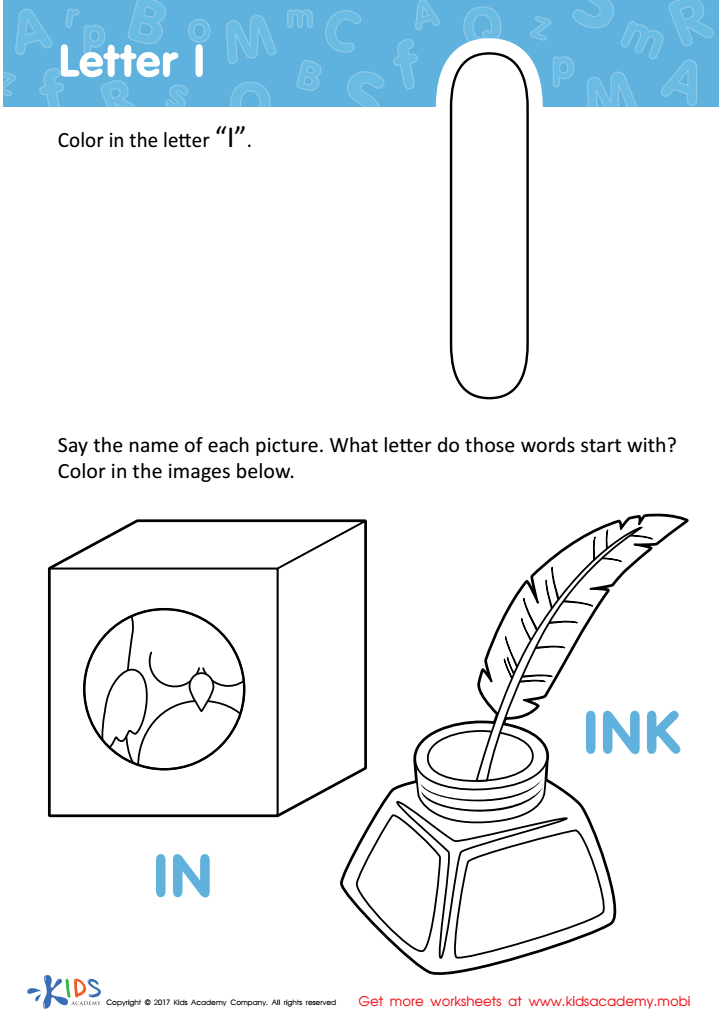
Letter I Coloring Sheet
Assign to My Students
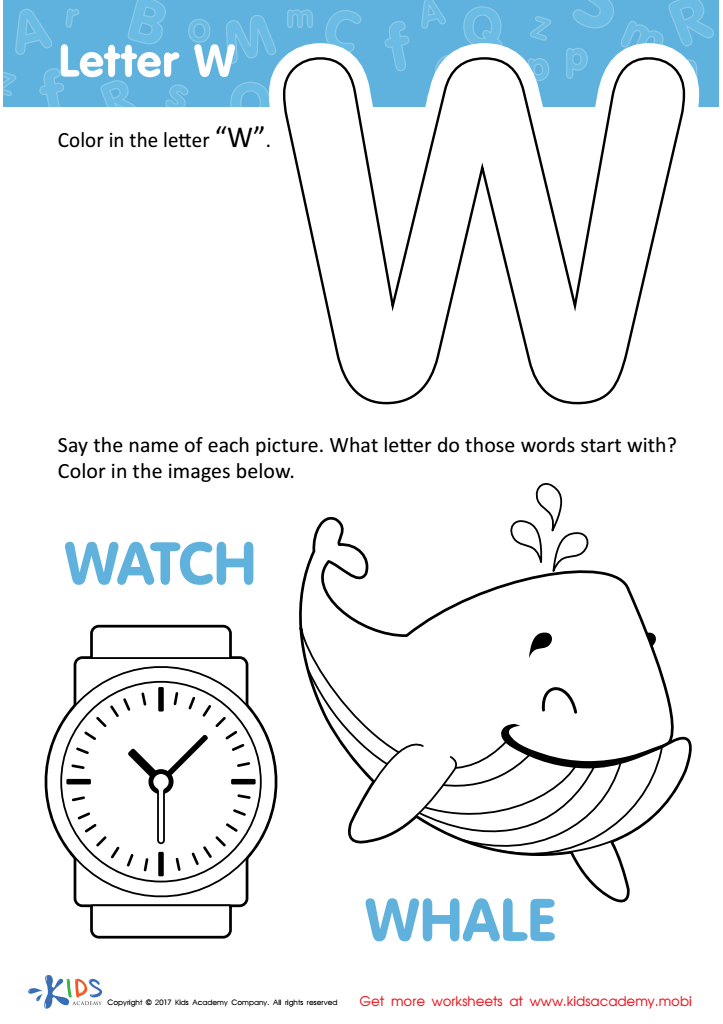
Letter W Coloring Sheet
Assign to My Students








Fine motor skills and normal letter recognition are crucial developmental milestones for 6-year-olds, and understanding their importance can empower parents and teachers in supporting children's learning. Fine motor skills enable children to perform tasks that require hand-eye coordination and dexterity, such as writing, drawing, and manipulating small objects. These skills not only enhance a child’s ability to express their thoughts creatively but also foster independence in daily tasks.
Normal letter recognition, the ability to identify and name letters, is foundational for literacy. At this age, children are transitioning from learning letters to reading words and sentences. Proficiency in letter recognition supports phonemic awareness, allowing children to associate sounds with letters—a critical step in developing reading skills.
When parents and teachers prioritize these areas, they contribute to a child's overall academic success and confidence. Engaging in activities like playdough manipulation or letter games can boost fine motor skills and letter familiarity. Additionally, children develop essential cognitive abilities, such as problem-solving and critical thinking, as they master these skills.
By actively supporting fine motor and letter recognition skills, parents and teachers lay the groundwork for lifelong learning and curiosity, ensuring children are well-prepared for future academic challenges.








