Filters

11 filtered results

Clear all filters
Favorites
With answer key
Interactive

11 filtered results

Difficulty Level

Grade


Explore our "Normal Phonics Worksheets" designed specifically for 6-year-olds to enhance their phonics skills! Ideal for kindergarten and first grade, these engaging worksheets support young learners in mastering sound-letter correspondence, blending, and decoding words. With a variety of interactive activities including matching, fill-in-the-blank sentences, and word searches, children will enjoy developing their reading abilities in a fun and educational way. These resources are perfect for individual learning or classroom use, ensuring every child builds a strong phonemic awareness foundation. Get started on a productive phonics journey and watch your child thrive in literacy skills with our customizable worksheets!

Check out this FREE Trial Lesson on Phonics for age 6!

Review

Favorites
With answer key
Interactive
  • 6
  • Phonics practice
  • Phonics
  • Normal
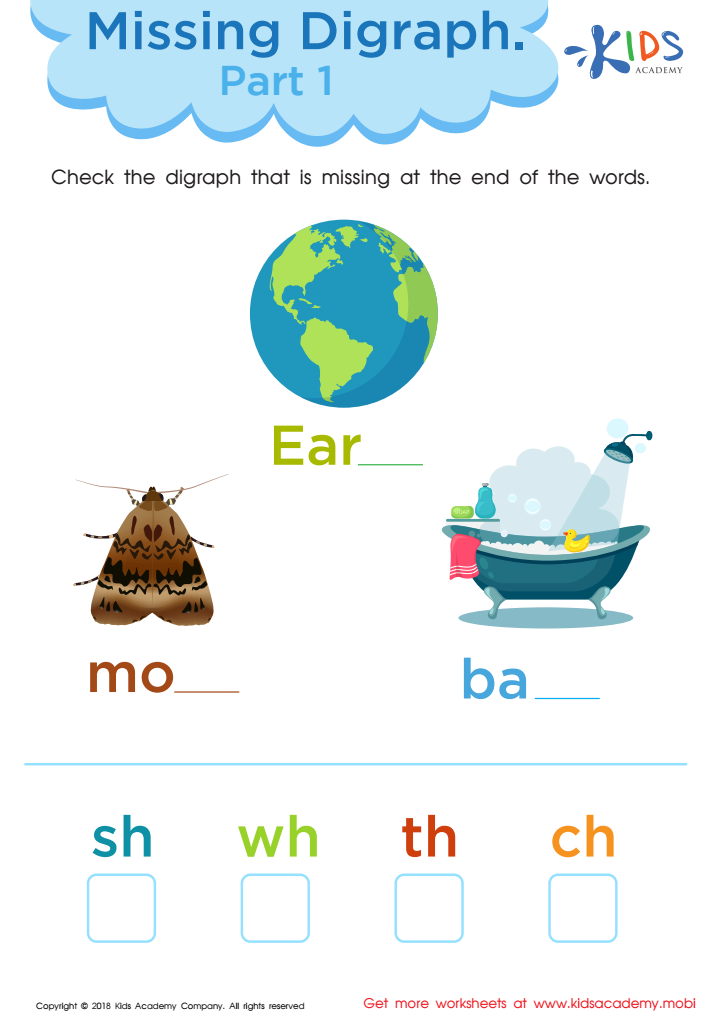
Missing Digraph: Part 1 Worksheet

Missing Digraph: Part 1 Worksheet

Practice the 'th' digraph with this worksheet! Ask kids to say the words shown and sound out the letters below each image. Check the box with the correct digraph to complete. Examples include 'earth', 'bath' and 'moth', all ending with the same two letters. Phonics teaches that digraphs are two letters that make one sound.
Missing Digraph: Part 1 Worksheet
Worksheet
Short Vowel /a/ Worksheet

Short Vowel /a/ Worksheet

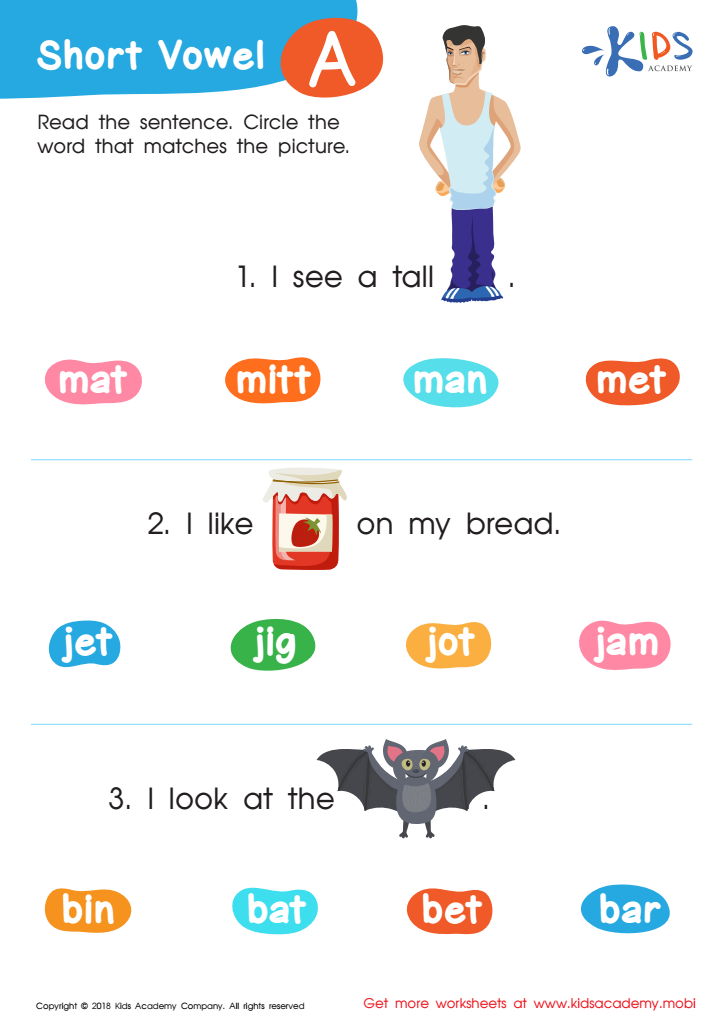
This free PDF helps new readers use sight words and pictures to read basic sentences. Then, they use accompanying word choices to find the correct word with the short a vowel sound. A key early reading skill, discriminating between short vowel sounds can be tricky in monosyllabic words, so use this PDF to help your reader reinforce it.
Short Vowel /a/ Worksheet
Worksheet
short vowels Worksheet

short vowels Worksheet

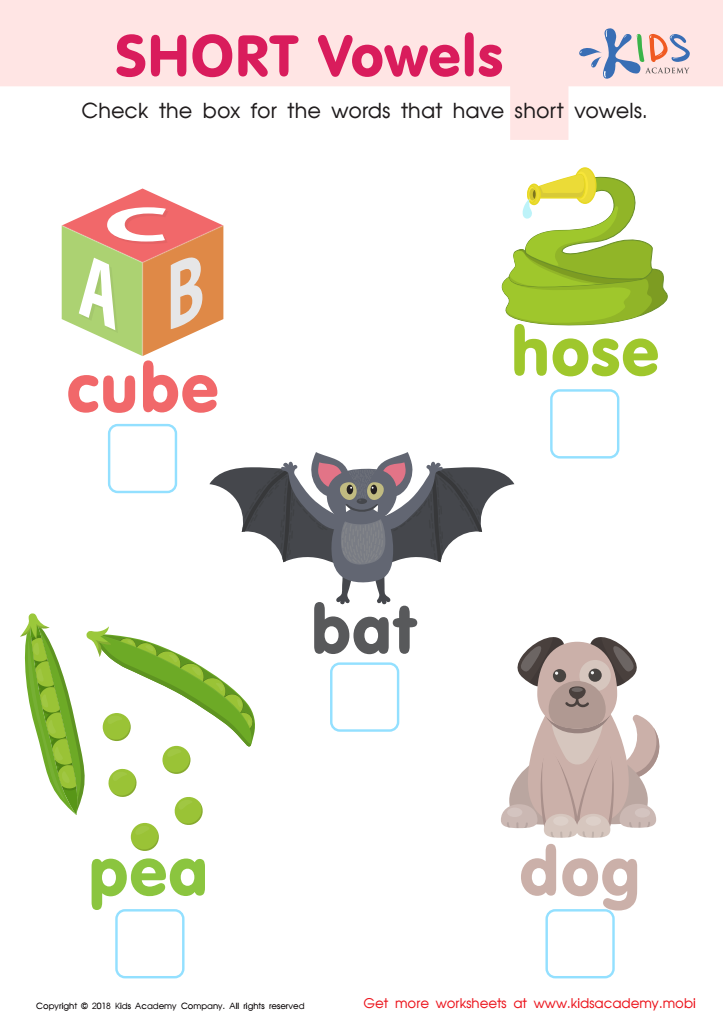
Say "dog" and notice how long it takes to pronounce the vowel. Is it short or long? Compare it to "pea" and use this worksheet to quickly assess your child's mastery. Have them name each picture and listen for the vowel sounds. Only check the boxes for words with short vowel sounds.
short vowels Worksheet
Worksheet
Long U Words Reading Worksheet

Long U Words Reading Worksheet

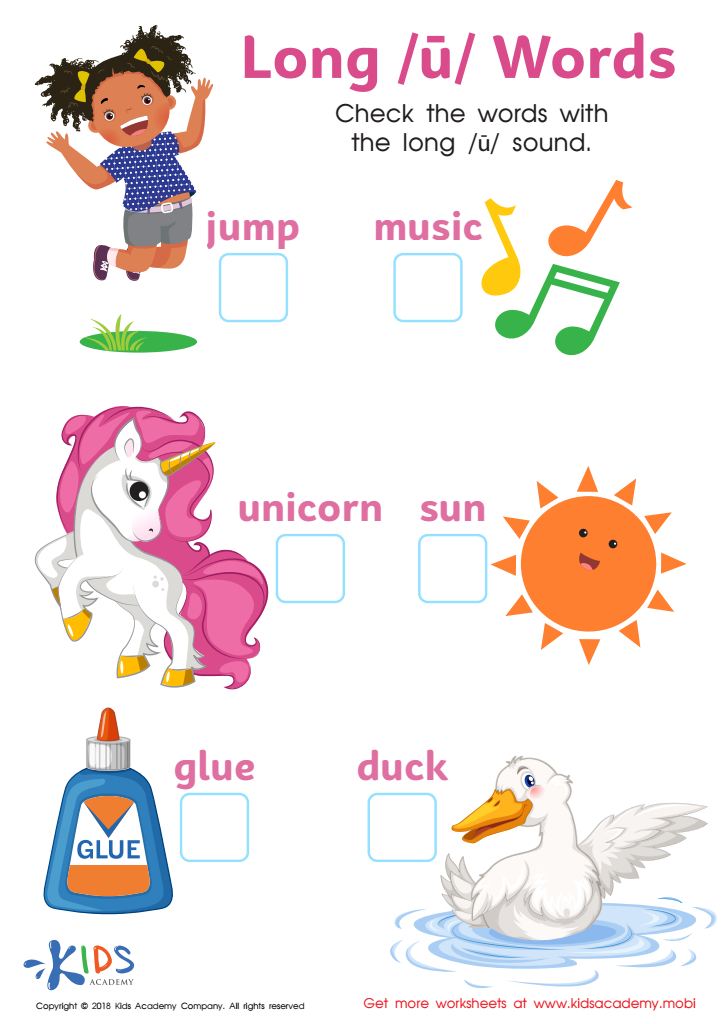
Emerging readers will love this free worksheet! It's a great way to practice distinguising between long and short vowel sounds, while identifying high-frequency words. They'll also get to develop fine motor skills and gain confidence in decoding and reading skills.
Long U Words Reading Worksheet
Worksheet
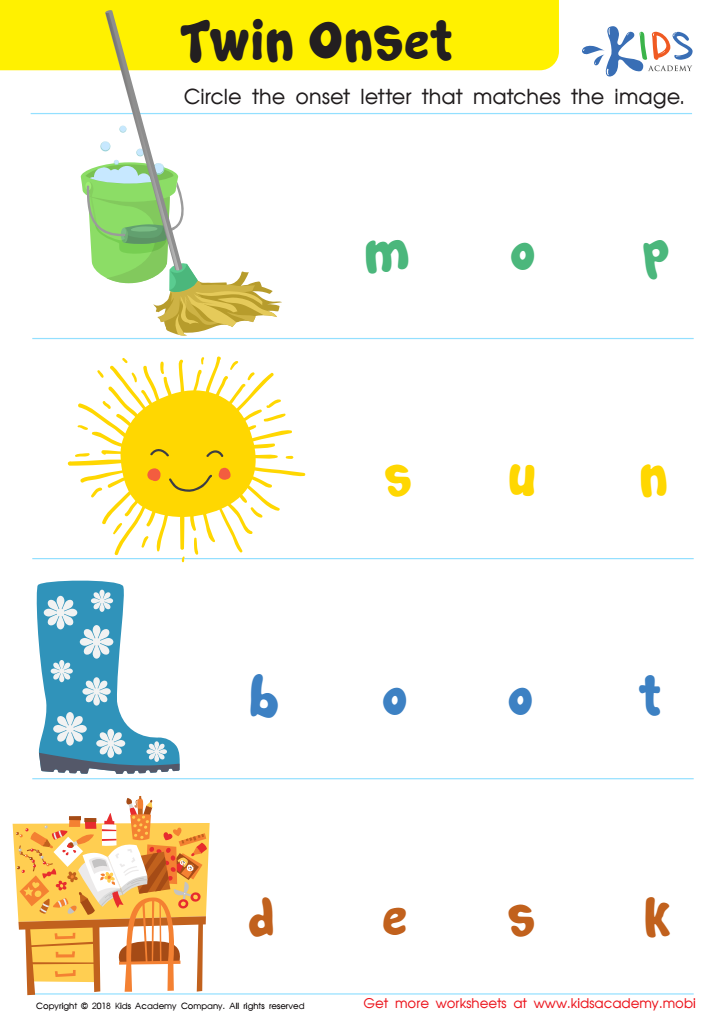
Twin Onset Worksheet

Twin Onset Worksheet

Children's phonological skills and reading/spelling strategies are strengthened by isolating initial consonants. This fun PDF worksheet encourages kids to trace the correct onset letter and hone fine motor skills. It's a great way to introduce early reading and spelling.
Twin Onset Worksheet
Worksheet
Is it b, p or d? Worksheet

Is it b, p or d? Worksheet

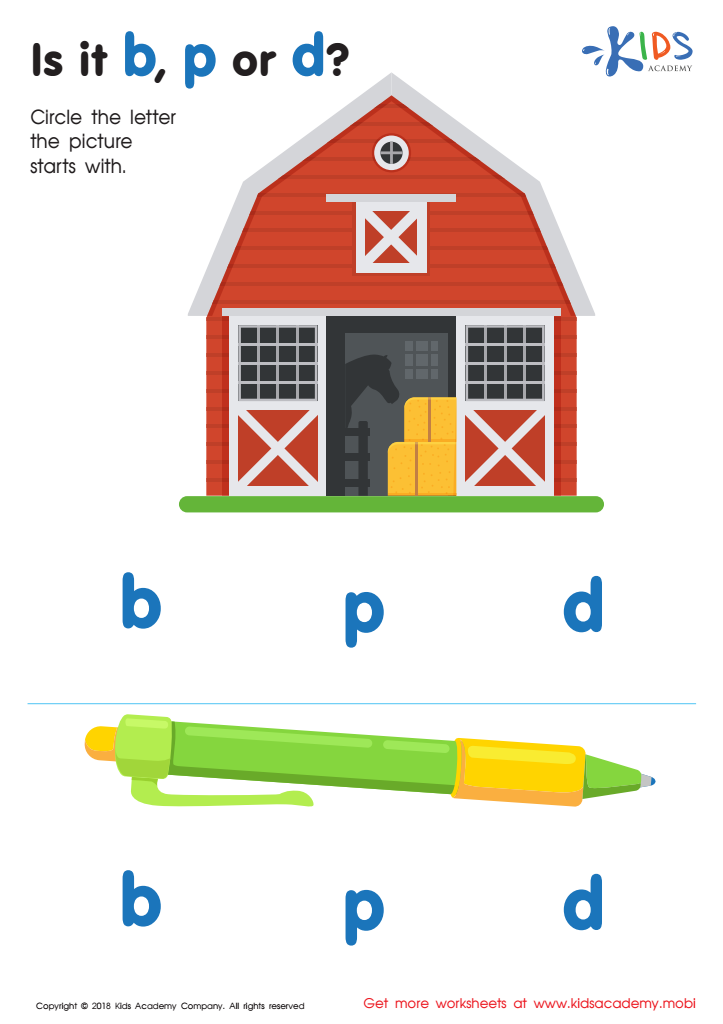
Test your child's identification skills with this worksheet. They must identify the image and then circle the letter it begins with: 'b', 'p', or 'd' (e.g. an image of the sun would mean they circle 's').
Is it b, p or d? Worksheet
Worksheet
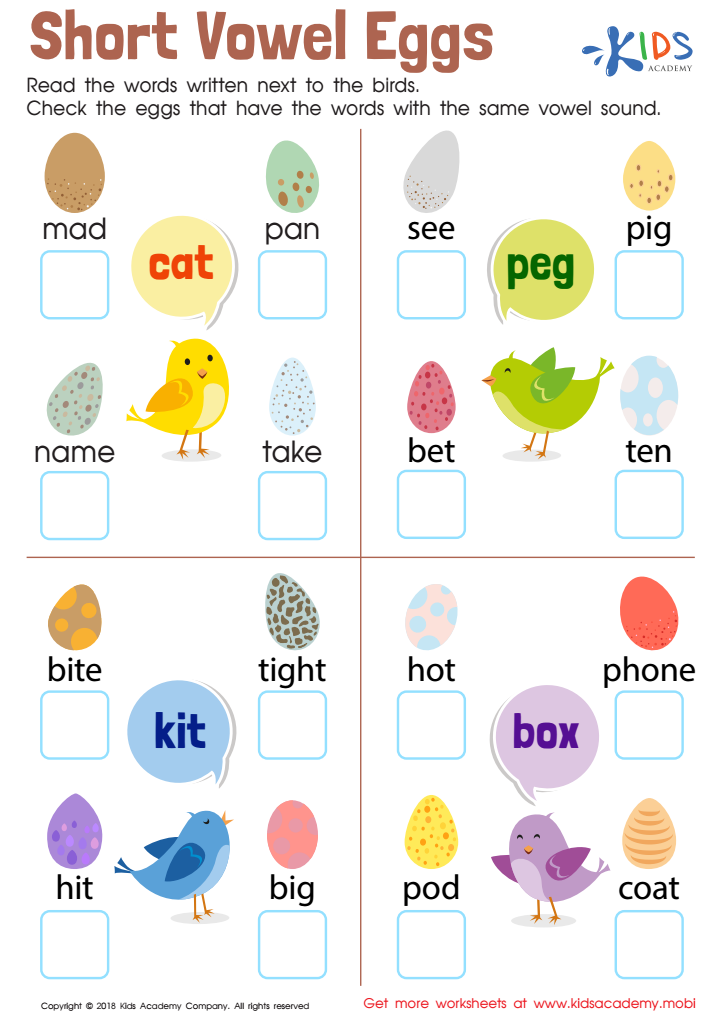
Short Vowel Eggs Worksheet

Short Vowel Eggs Worksheet

Your students will love helping these birdies pick the short vowel eggs! Have them read the words in the thought bubbles, then check off the boxes with the same short vowel sounds. The bright colors of this free Worksheet will draw them in and get them practicing their vowels!
Short Vowel Eggs Worksheet
Worksheet
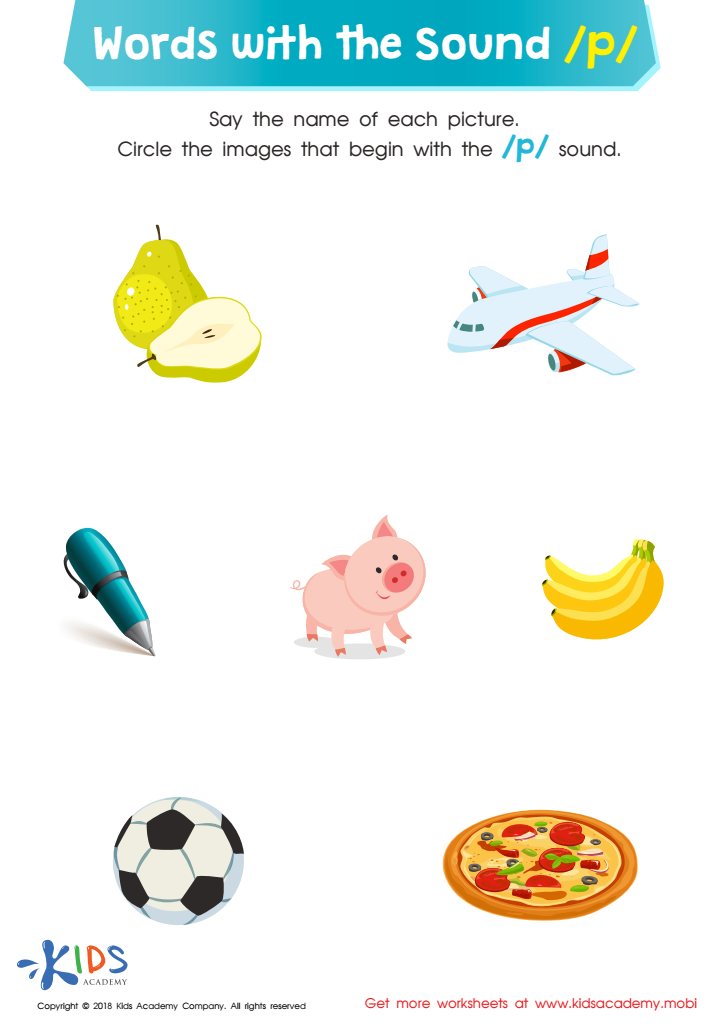
Words with sound p Reading Worksheet

Words with sound p Reading Worksheet

Working on this fun worksheet? Name each picture aloud and listen carefully before circling those that start with the letter «p»! Pizza, pig, plane, or banana - practice phonics to help your child recognize the letter «p» sound for successful early reading and decoding!
Words with sound p Reading Worksheet
Worksheet
Words with sound f Reading Worksheet

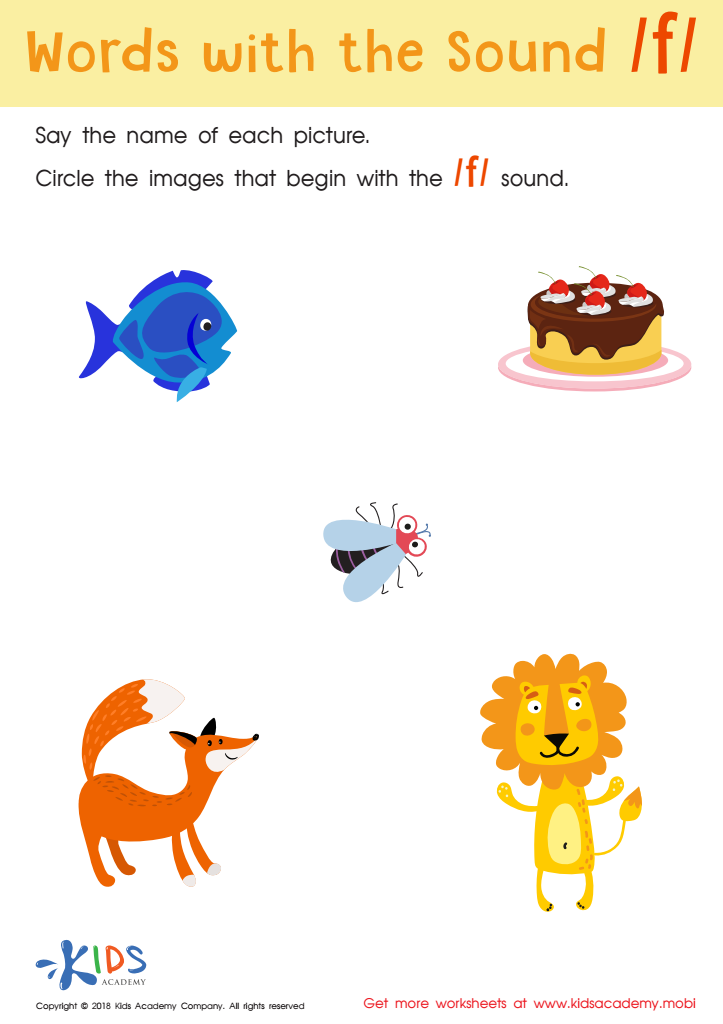
Words with sound f Reading Worksheet

This illustrated phonics worksheet is ideal for preschool or kindergarten. It helps boost learners' literacy skills with a focus on the letter "f". Ask your child to name all the pictures, listening for that sound. Examples are fish, fox, lion, bug. When they can identify which words start with "f", have them circle the images. Congratulate them on a job well done!
Words with sound f Reading Worksheet
Worksheet
Words with Sound M Reading Worksheet

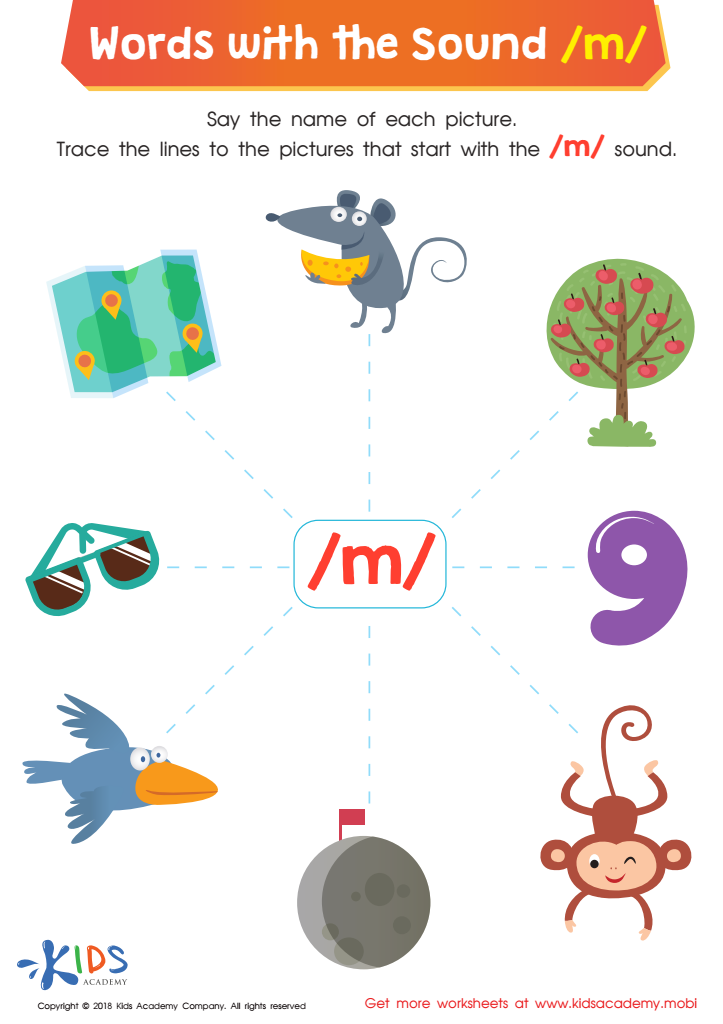
Words with Sound M Reading Worksheet

Emerging readers will use this traceable worksheet to name and trace pictures with the letter sound «m». Bright, engaging pictures make this fun and build confidence while strengthening fine motor skills. They won't even know they're also working on reading skills!
Words with Sound M Reading Worksheet
Worksheet
Review the Blends Worksheet


Review the Blends Worksheet

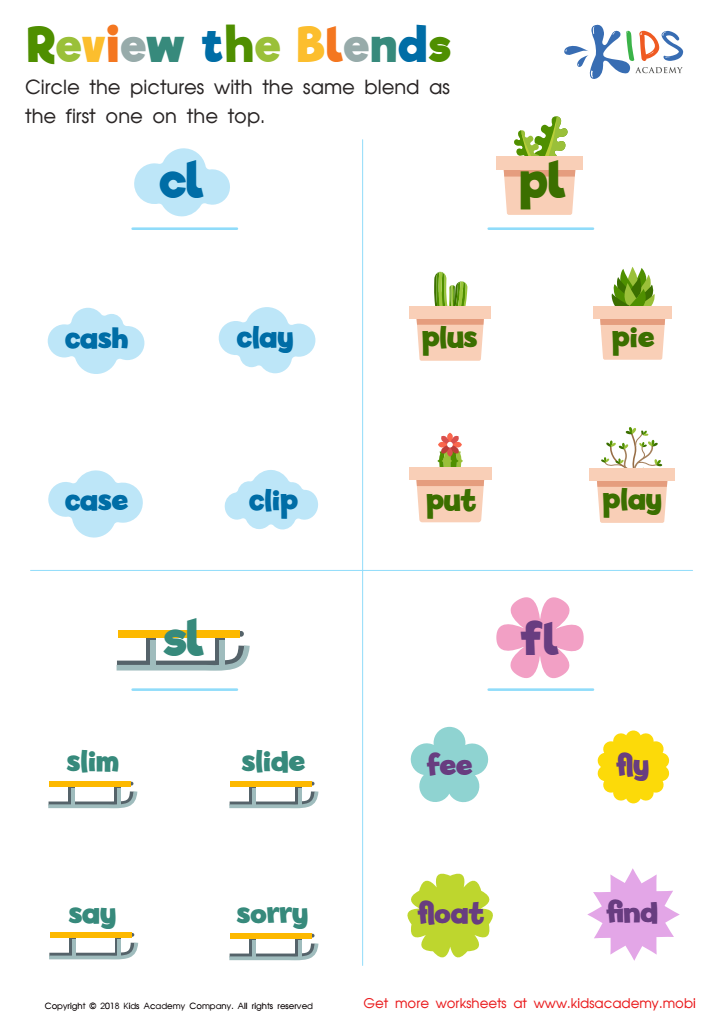
Consonant blends are two or three consonants that make a sound when pronounced together. L-blends like cl, bl, sl, fl and 3-letter blends like str, slp are common. This phonics worksheet helps early readers identify words containing two letter L-blends. Students must circle the words then read them aloud.
Review the Blends Worksheet
Worksheet


Phonics practice is crucial for 6-year-olds as it lays the foundation for reading and writing skills. At this age, children are developing their ability to decode words and comprehend text, which is essential for their ongoing literacy development. Understanding the relationship between letters and sounds helps young learners to read unfamiliar words with confidence, promoting a love of reading and learning.

Teachers and parents should prioritize phonics because it aids in phonemic awareness, which enhances spelling and vocabulary acquisition. When children grasp phonics concepts, they become more independent readers, capable of tackling larger texts and eventually engaging with deeper content. Furthermore, phonics practice fosters critical thinking and analytical skills as children learn to segment and blend sounds.

Additionally, early success in reading can boost a child's self-esteem and motivation to learn, setting a positive trajectory for their academic journey. In a world where literacy opens doors to opportunities, investing time in normal phonics practices ensures that children have the tools they need to thrive academically and socially. Therefore, active involvement from both parents and teachers in supporting phonics practice is essential to help children unlock their potential and develop a lifelong passion for reading.