Phonics Skills Normal Short Vowels Worksheets for 6-Year-Olds
5 filtered results
-
From - To
Enhance your 6-year-old's reading abilities with our Phonics Skills Normal Short Vowels Worksheets! Carefully designed to engage young learners, these printable worksheets focus on mastering short vowel sounds, a fundamental step in early literacy. Your child will enjoy fun activities that include identifying, matching, and practicing short vowel sounds in words. These worksheets aim to build strong phonetic foundations, helping your child develop reading fluency with confidence. With colorful graphics and kid-friendly exercises, our short vowel worksheets make learning exciting and effective. Support your child's journey into reading success with these essential phonics tools!
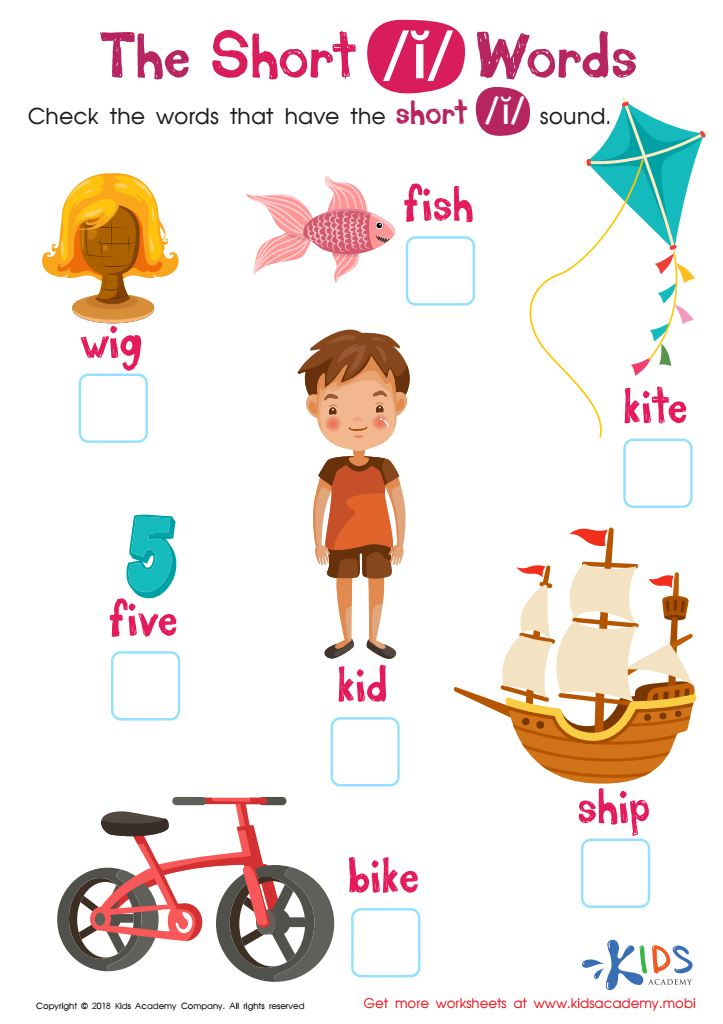
The Short I Words Reading Worksheet
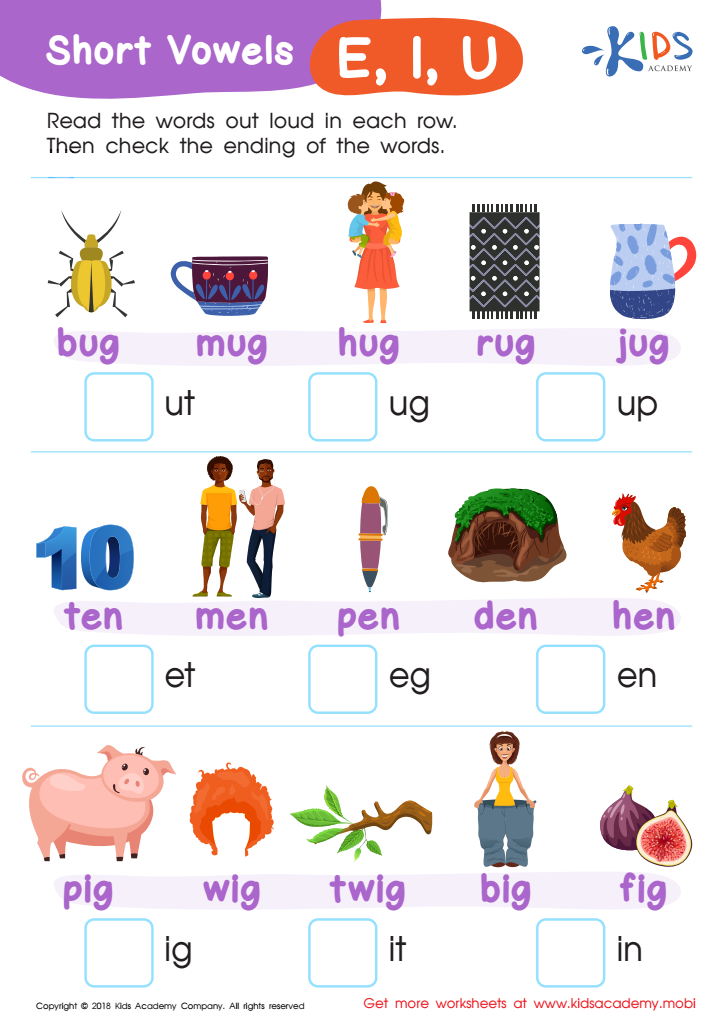
Short Vowels /e/, /i/, and /u/ Worksheet
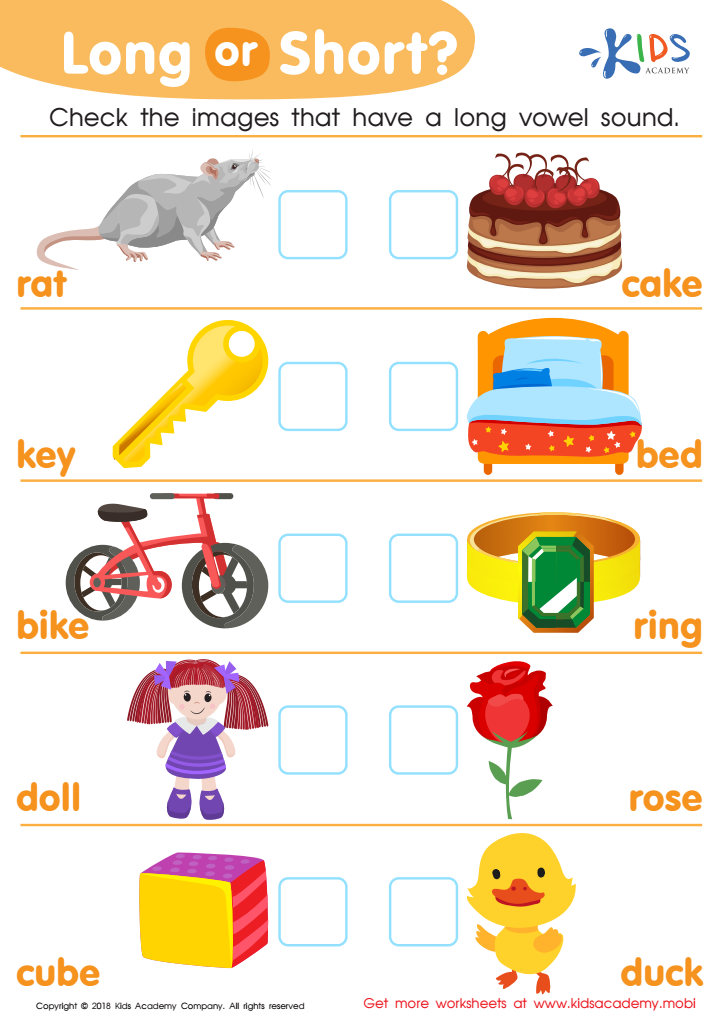
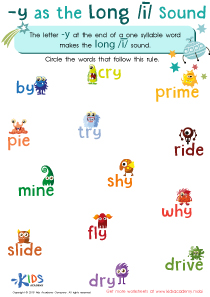
Long or Short Reading Worksheet
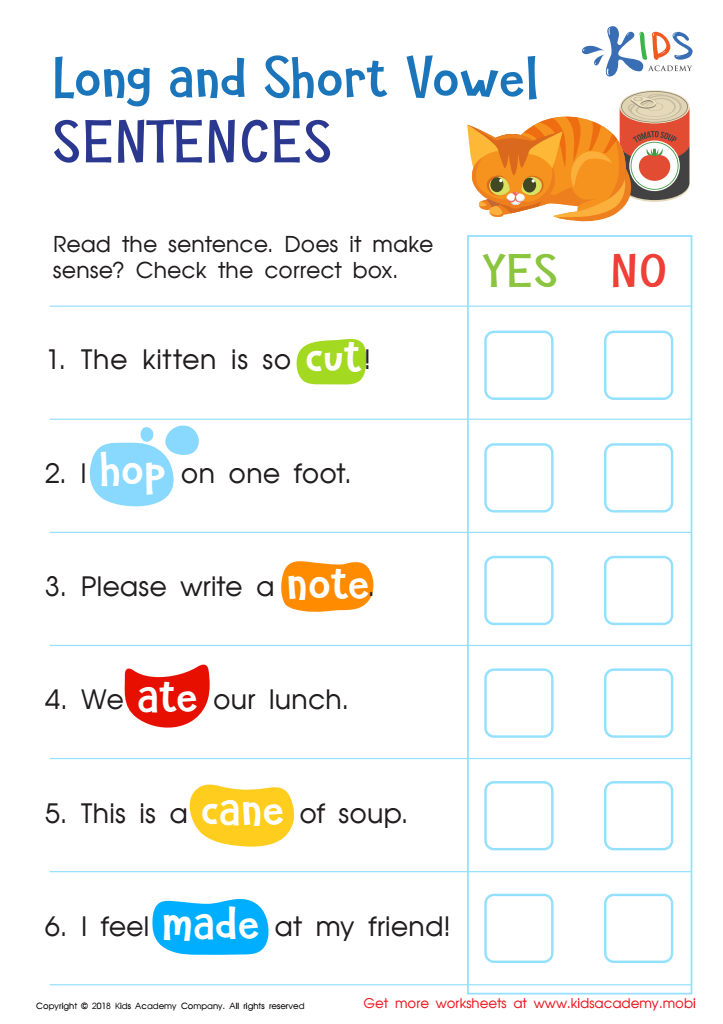
Long and Short Vowel Sentences: Assessment Worksheet
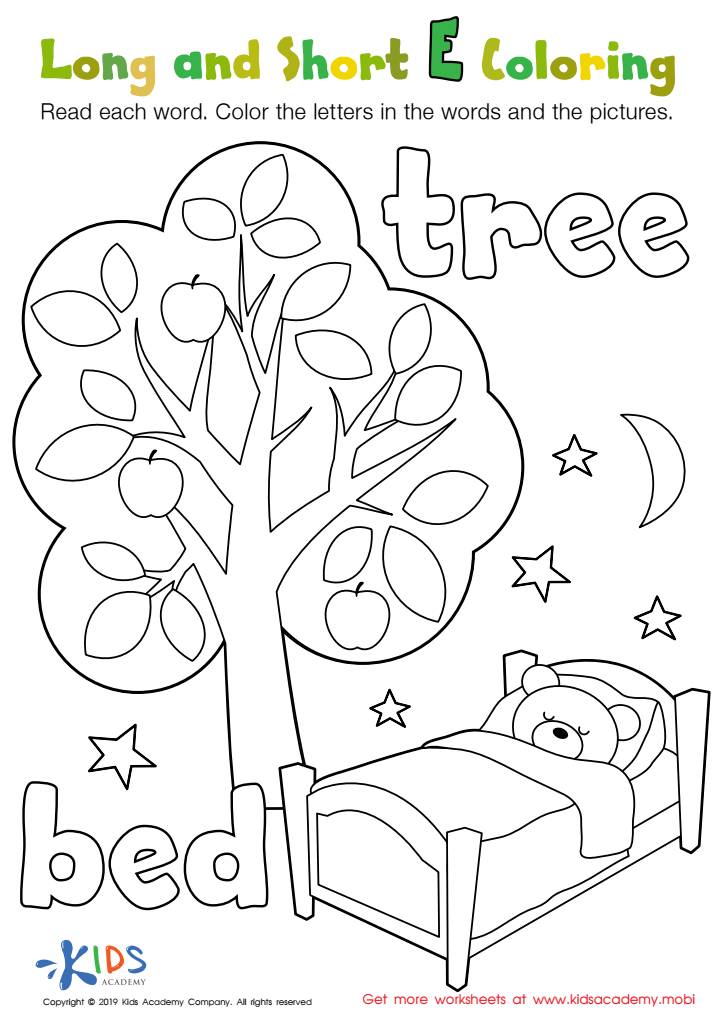
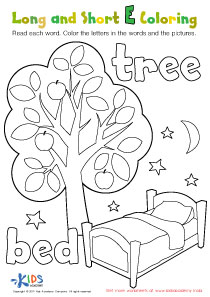
Long and Short E Worksheet
 Assign to My Students



Phonics skills, especially understanding normal short vowels, are fundamental building blocks in early literacy for 6-year-olds. At this age, children are beginning to recognize the connections between letters and sounds, a crucial step in learning to read and write. Short vowels, such as /a/ in "cat," /e/ in "bed," /i/ in "sit," /o/ in "pot," and /u/ in "cup," make up a significant portion of the most basic and frequently used words in English. Mastery of these sounds allows children to decode words independently, enhancing their reading fluency and comprehension.
When parents and teachers prioritize phonics skills, they help children develop important neural pathways for sound-symbol relationships. This early proficiency not only improves reading accuracy but also builds a strong foundation for more complex phonetic patterns, such as long vowels and digraphs, as well as advanced literacy skills needed later in schooling. Enhanced reading capabilities can lead to greater confidence in the classroom, a positive attitude towards learning, and overall academic success.
Furthermore, fostering a supportive environment for phonics development at home and in school provides children with the resources and encouragement to practice consistently. Through interactive activities, games, and attentive feedback, we can make phonics learning both effective and enjoyable. This early focus on phonics equips children with the tools to become more proficient readers and lifelong learners.