Handwriting practice Normal Upper & Lowercase Letters Worksheets for 6-Year-Olds
16 filtered results
-
From - To
Enhance your child's handwriting skills with our engaging Upper and Lowercase Letters Worksheets, specially designed for 6-year-olds. These worksheets provide a fun and interactive way for young learners to master letter formation and improve their writing abilities. Each page features clear letter guides, playful illustrations, and ample practice lines to reinforce correct letter shapes and sizes. Ideal for home or classroom use, our handwriting resources will boost your child's confidence and penmanship proficiency. Watch as they progress from tracing to independent writing, laying a strong foundation for their literacy journey. Download and start learning today!
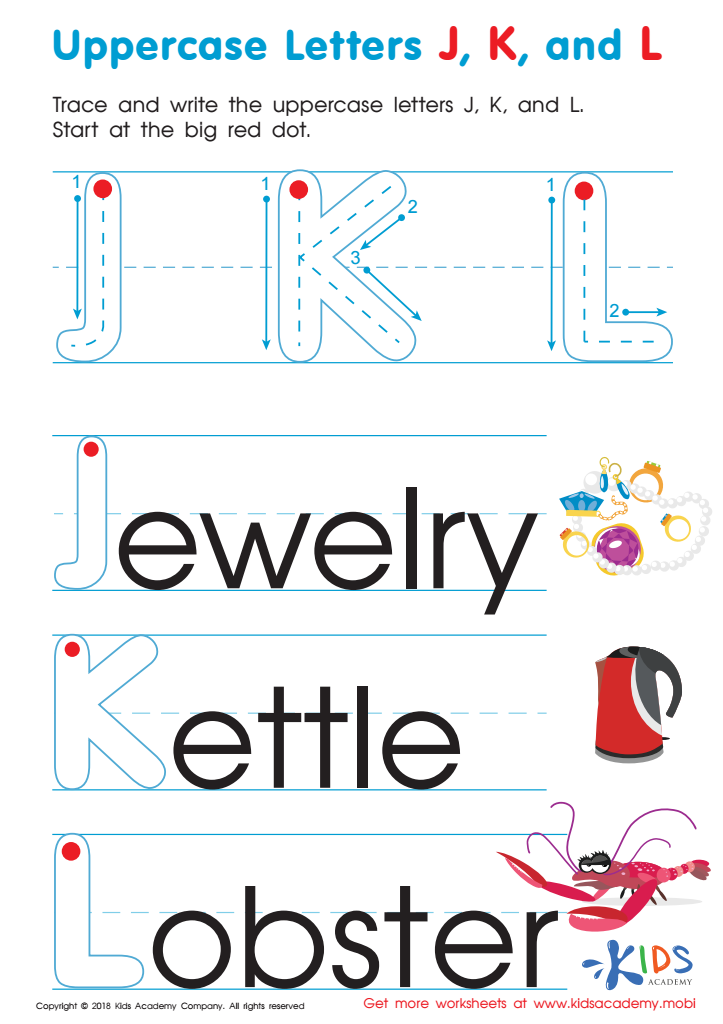
Uppercase Letters J, K, and L Worksheet
 Assign to My Students
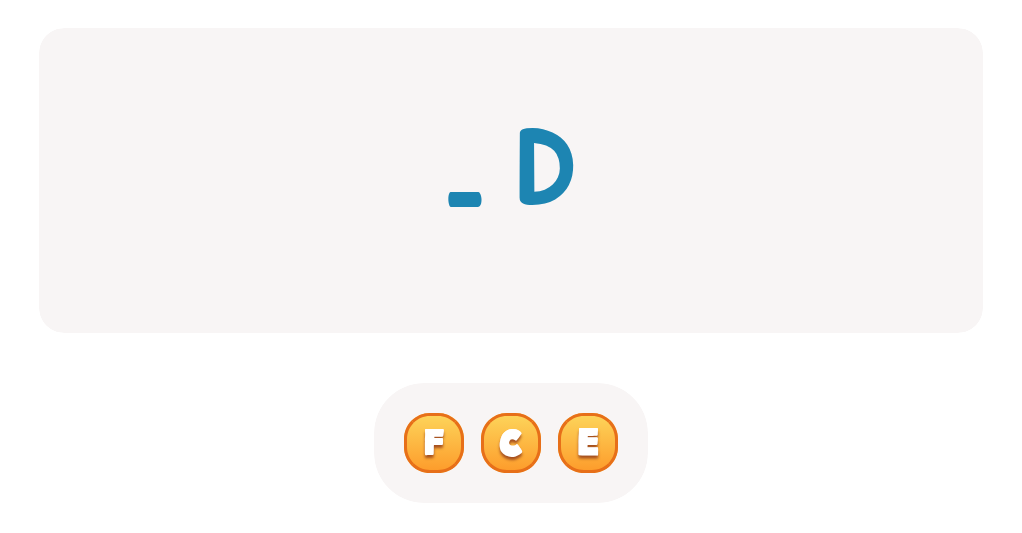

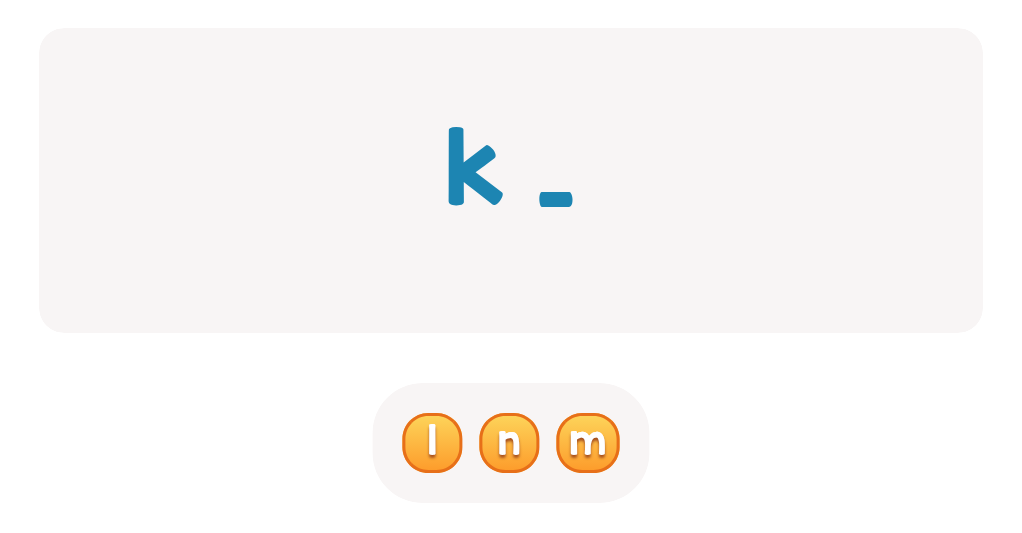
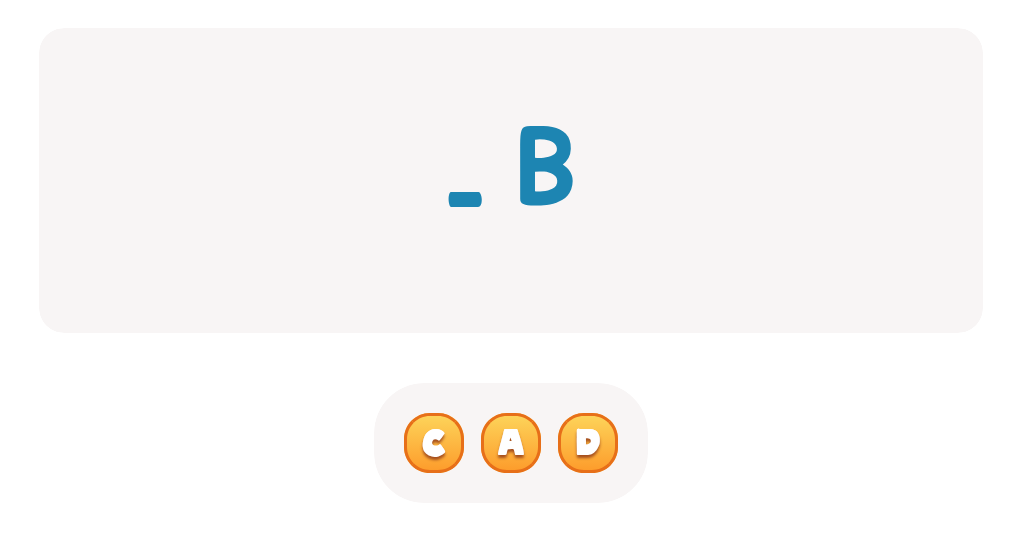

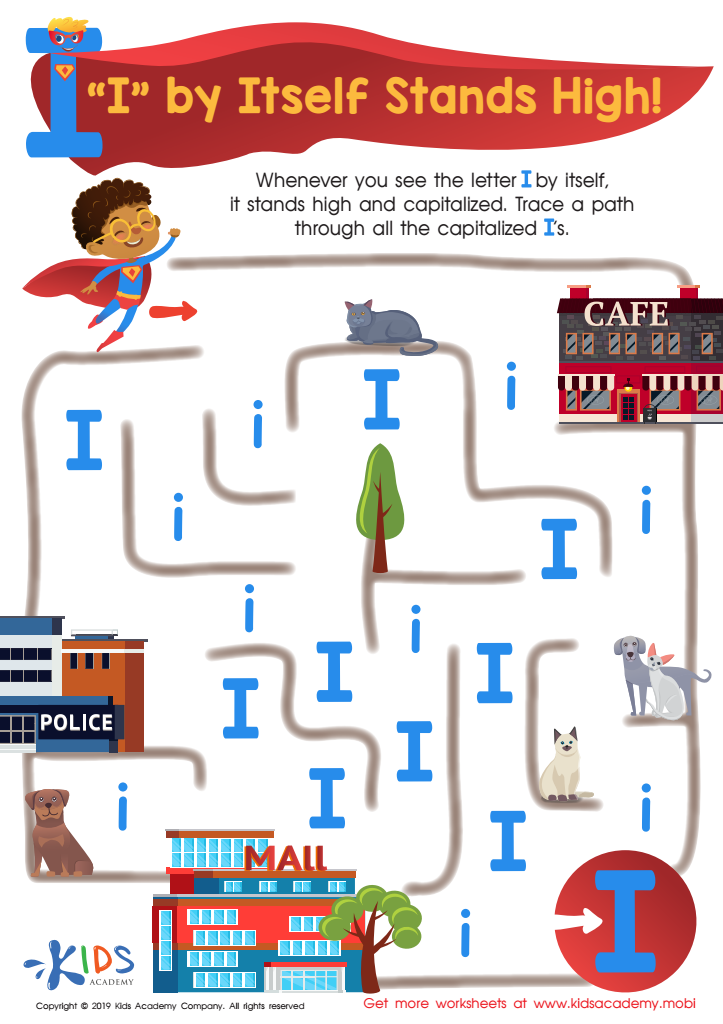
I Stands High Worksheet
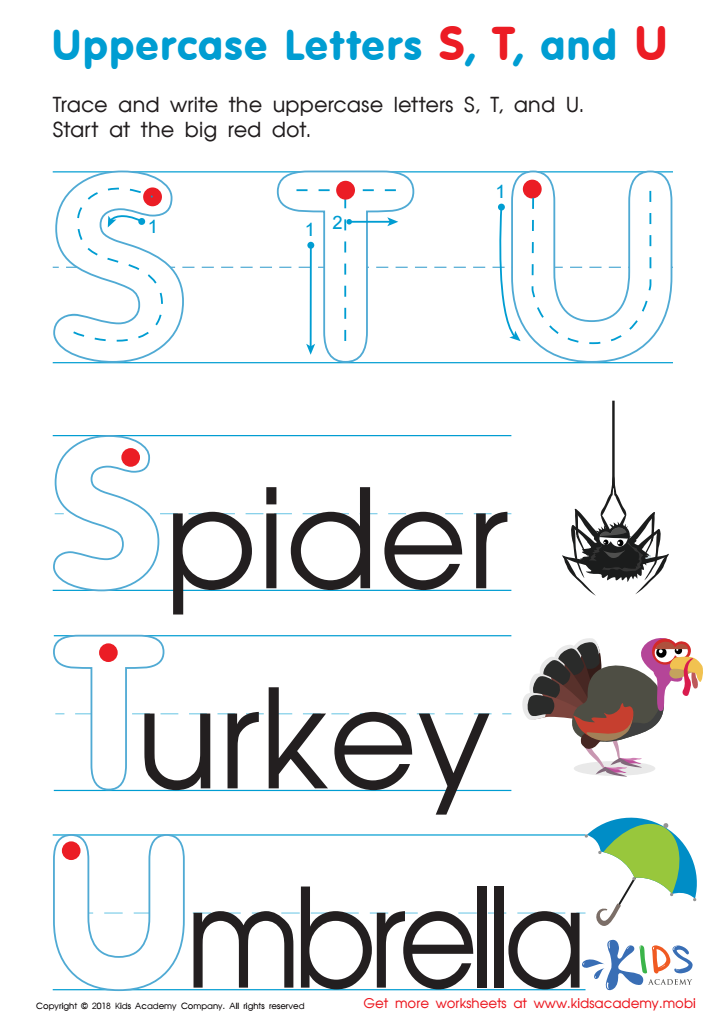
Uppercase Letters S, T, and U Worksheet
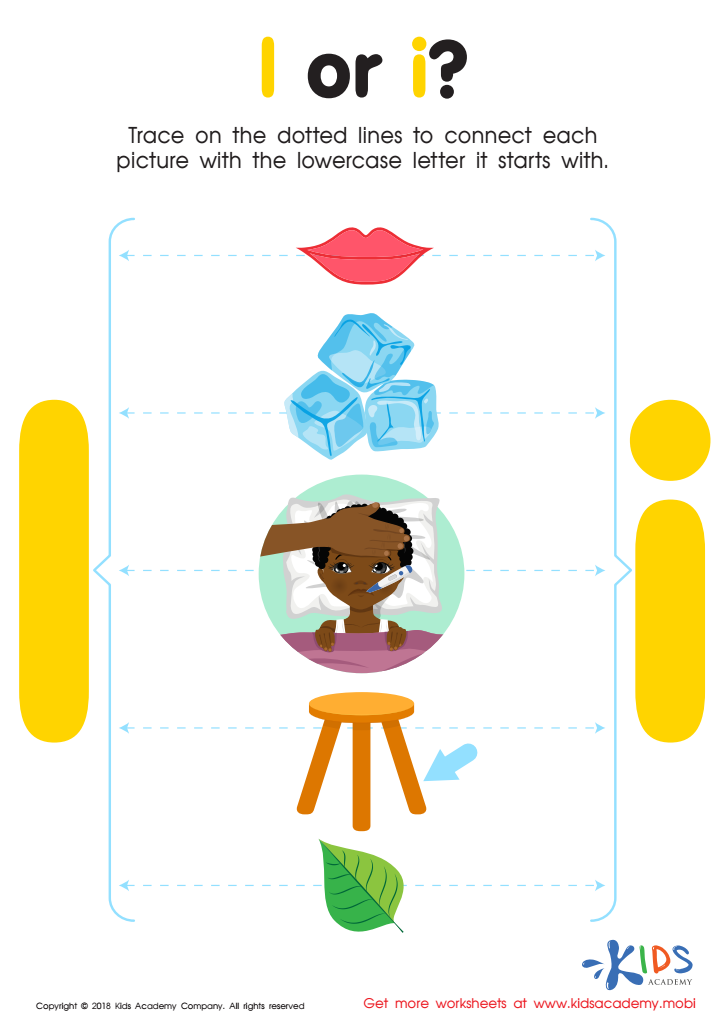
l or i? Worksheet
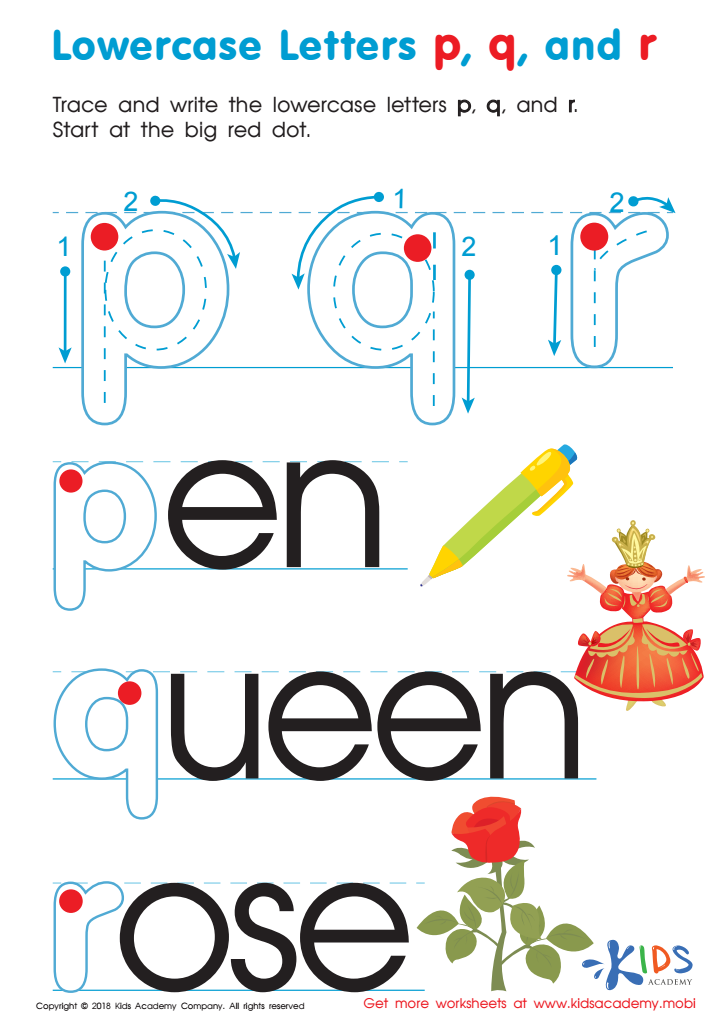
Lowercase Letters p q r Worksheet
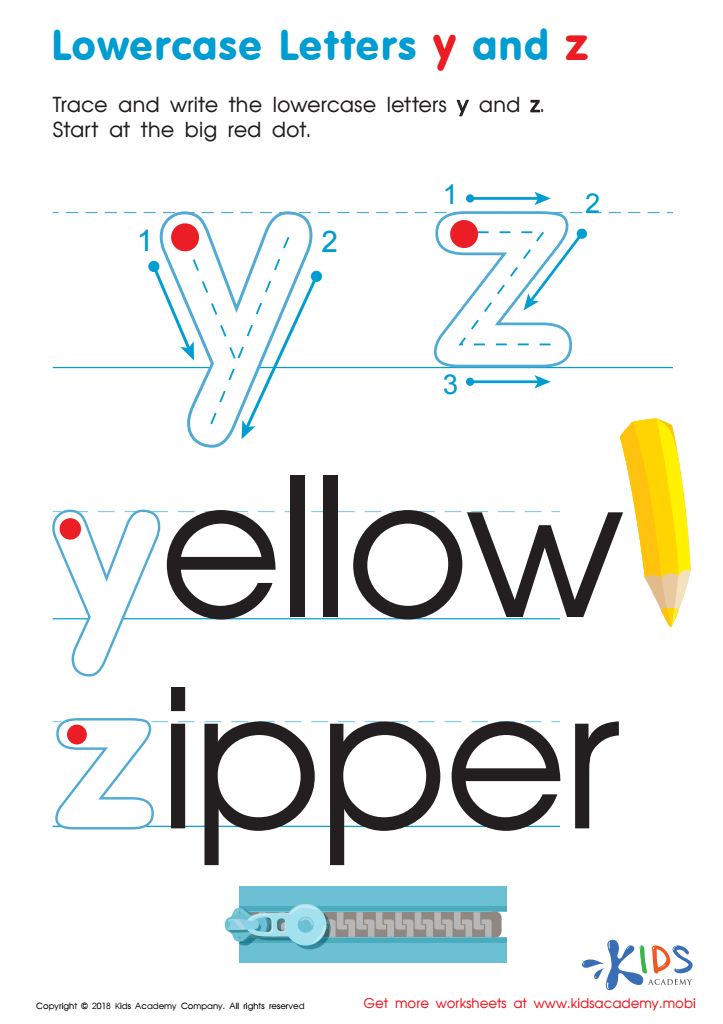
Lowercase Letters y z Worksheet
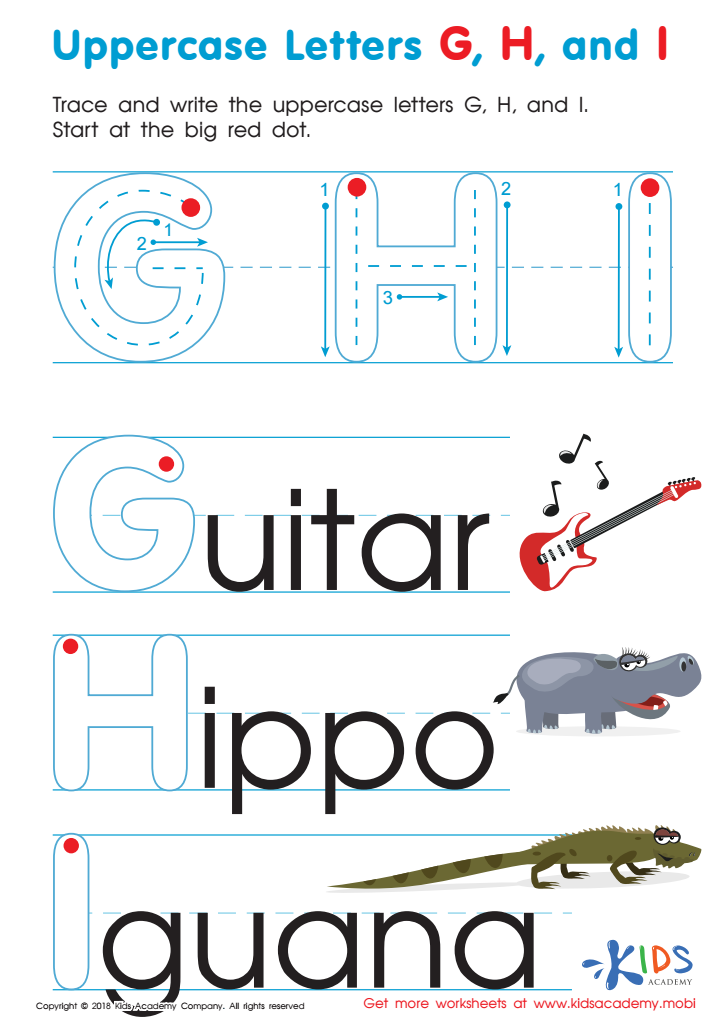
Uppercase Letters G, H, and I Worksheet
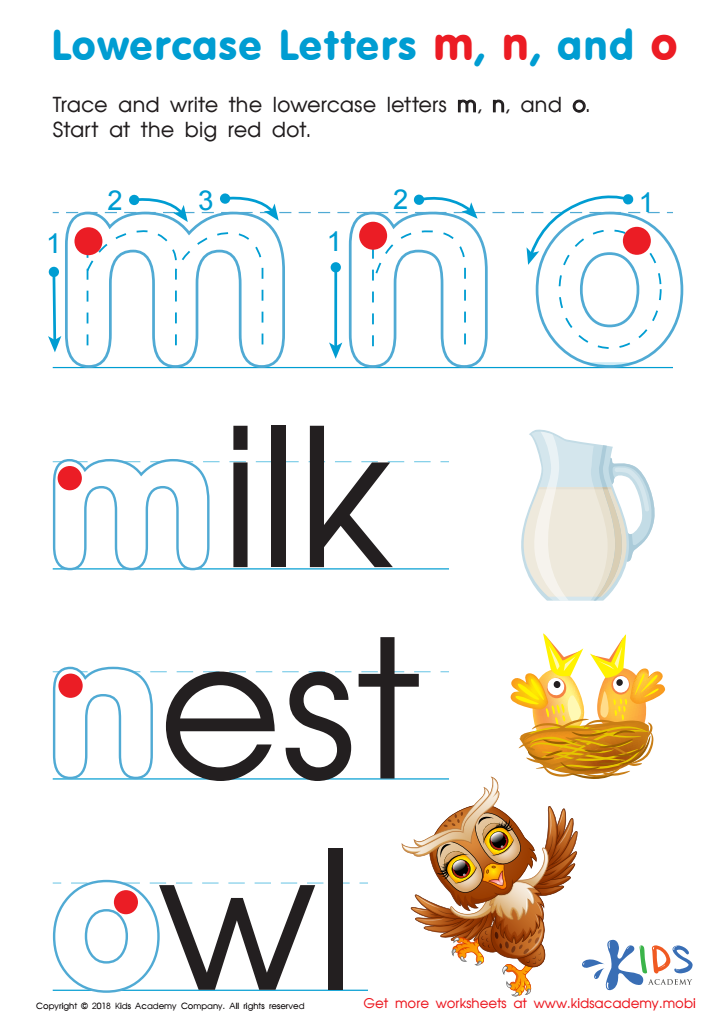
Lowercase Letters m n o Worksheet
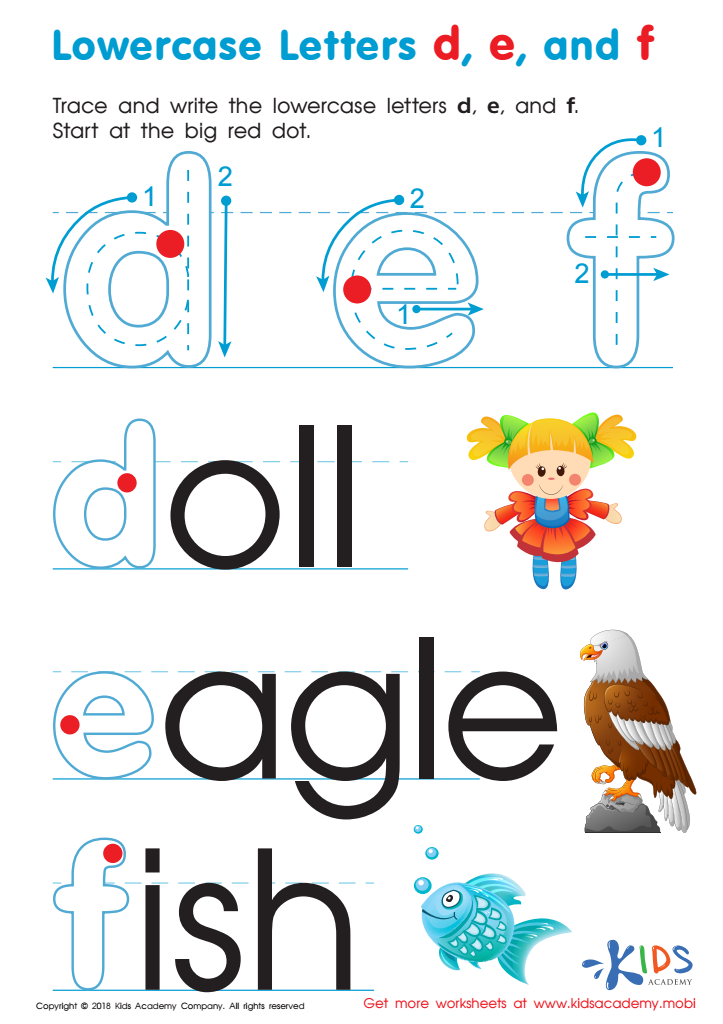
Lowercase Letters d e f Worksheet
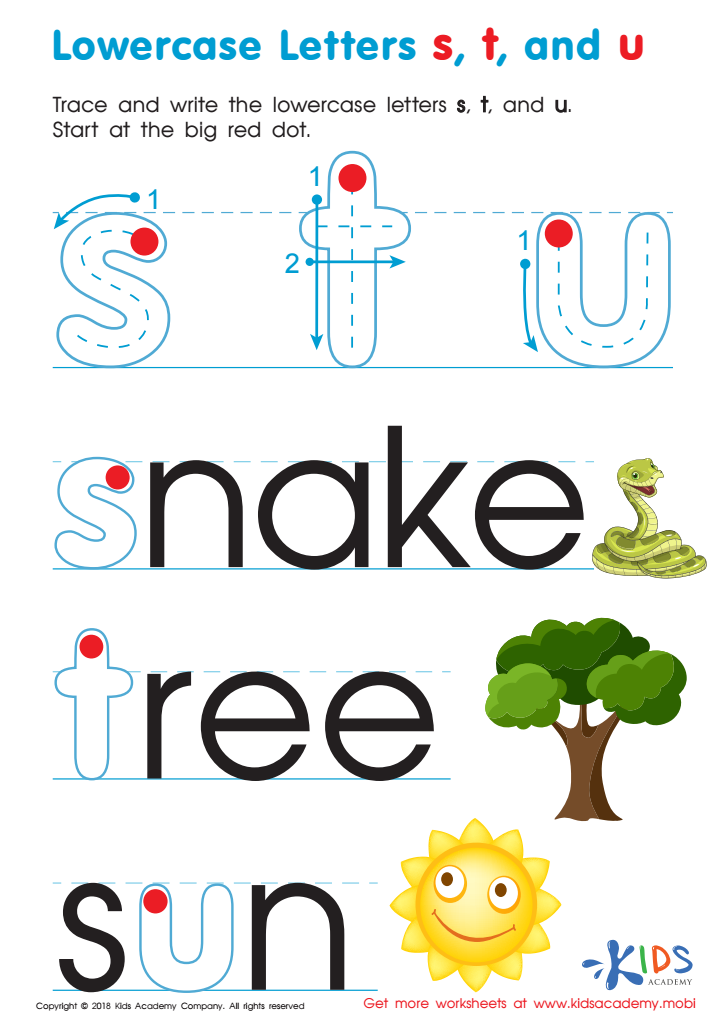
Lowercase Letters s t u Worksheet
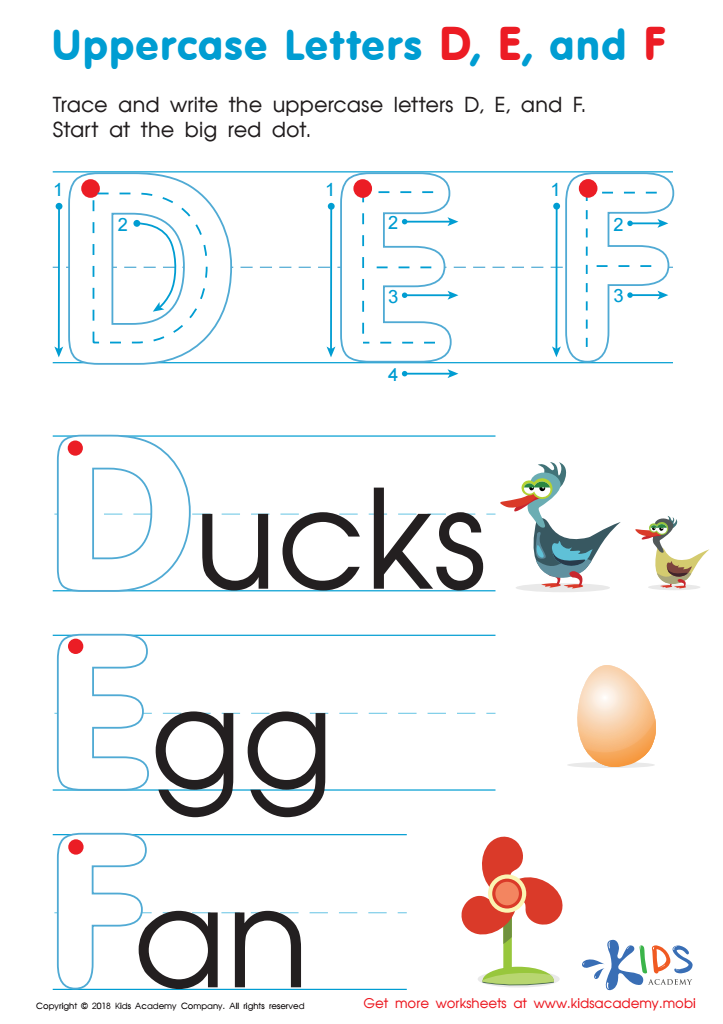
Uppercase Letters D, E, and F Worksheet
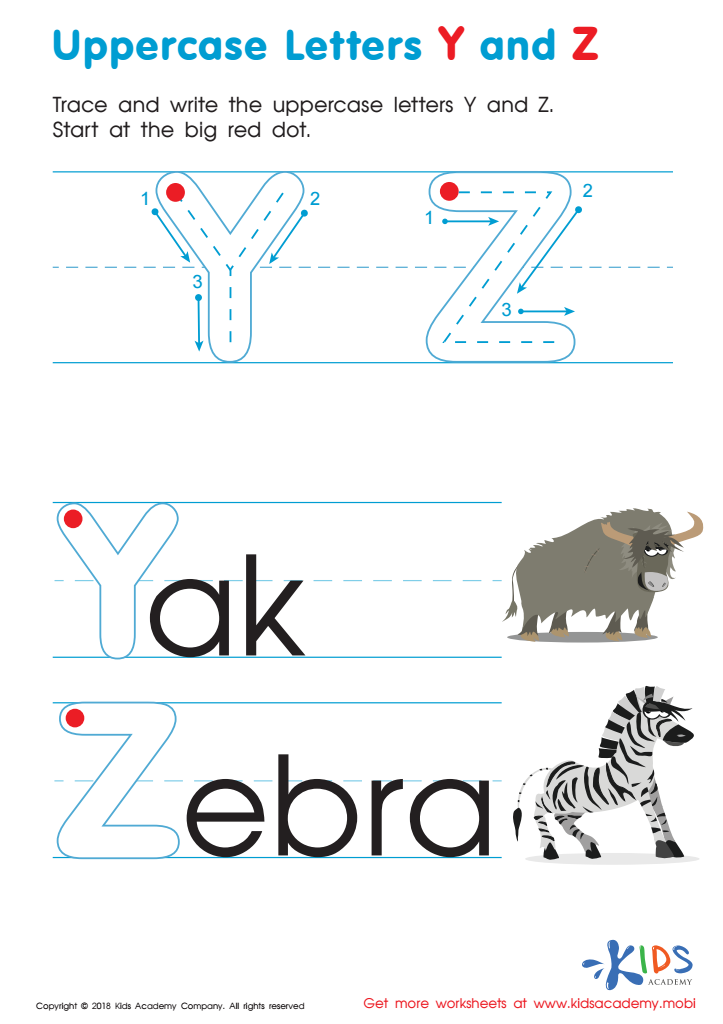
Uppercase Letters Y Z Worksheet
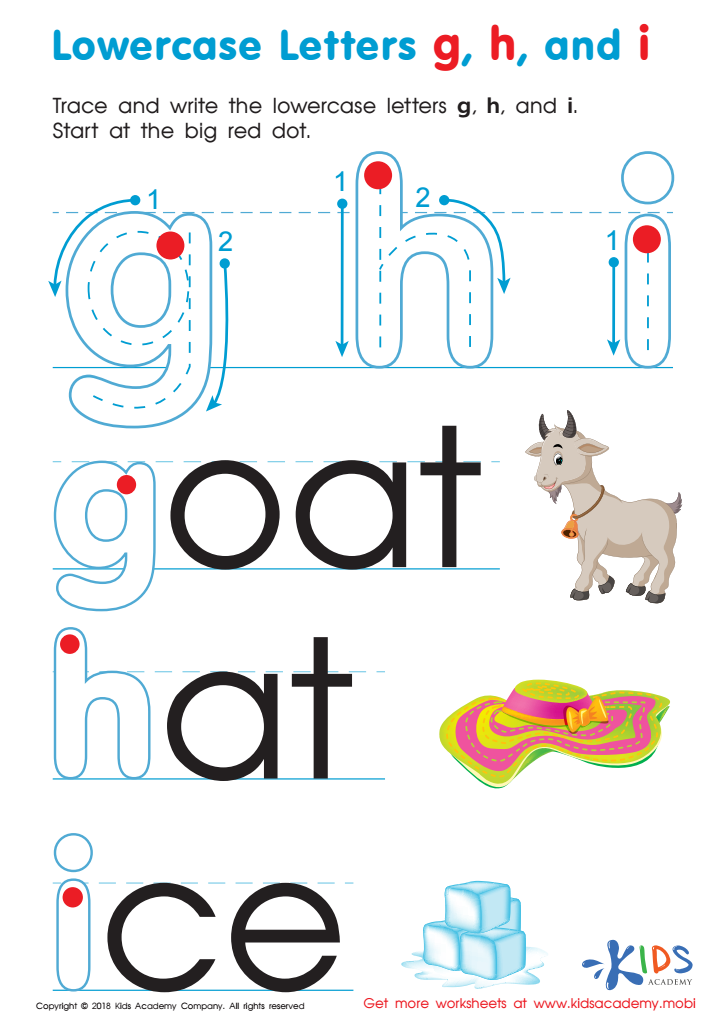
Lowercase Letters g h i Worksheet
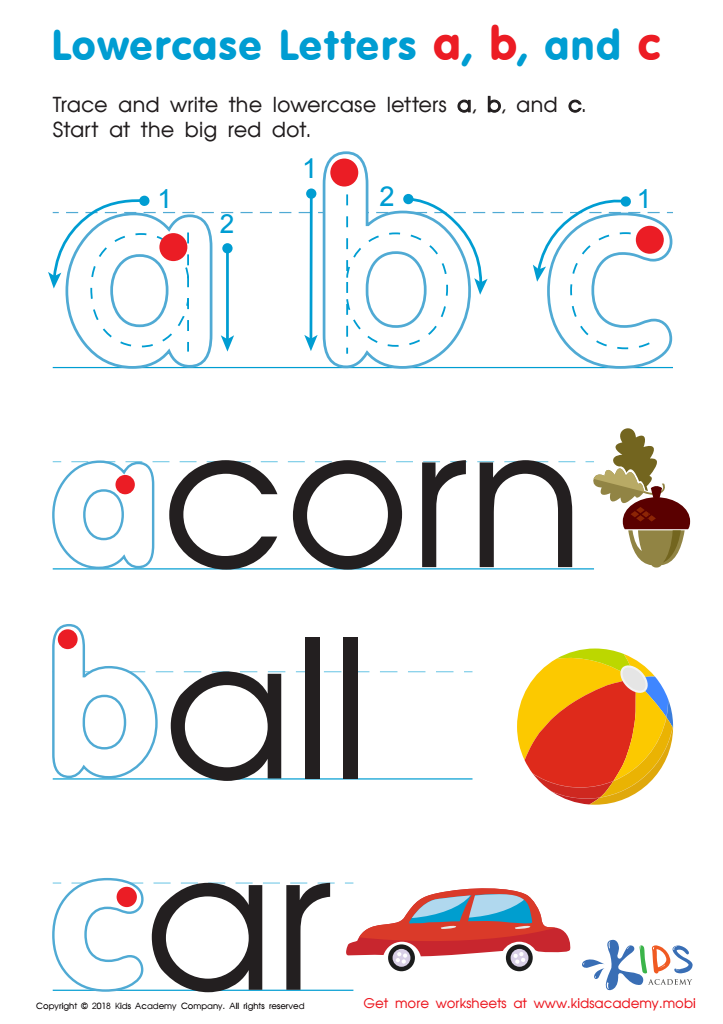
Lowercase Letters a b c Worksheet
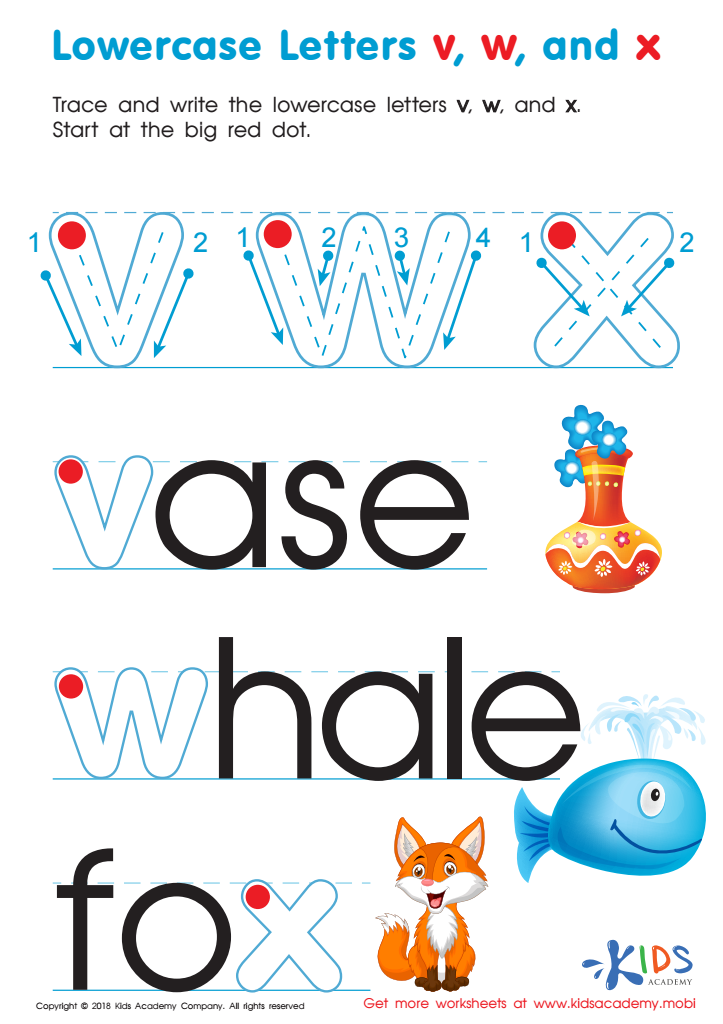
Lowercase Letters v w x Worksheet
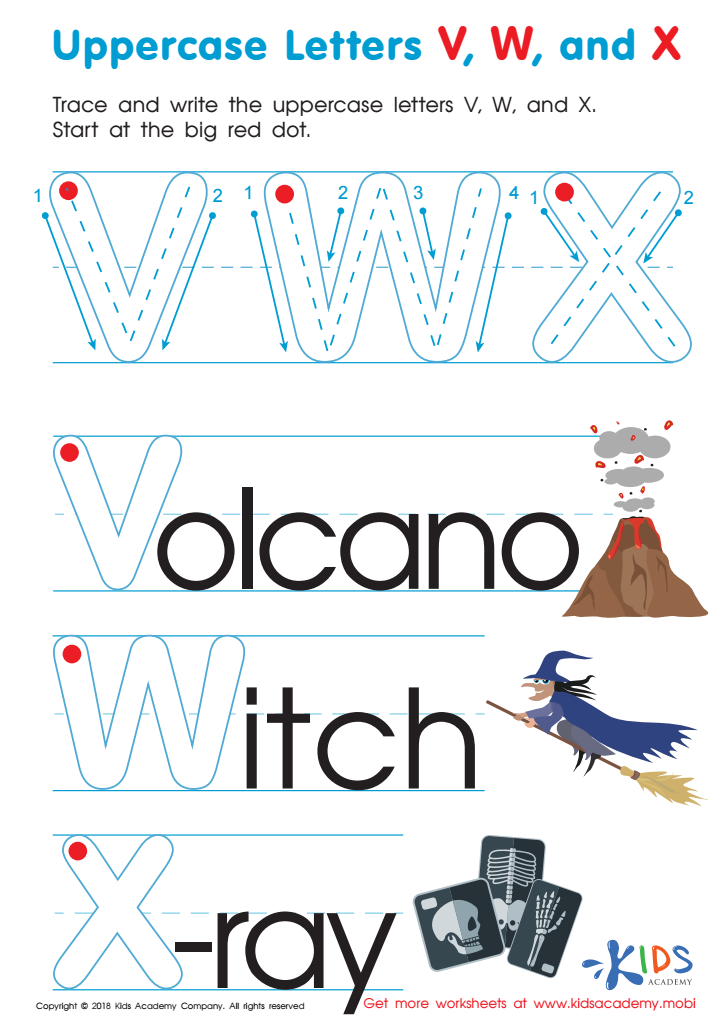
Uppercase Letters V, W, and X Worksheet






Handwriting practice, focusing on normal uppercase and lowercase letters, is essential for 6-year-olds as it supports their overall development in several significant ways. First, developing fine motor skills is crucial at this age; practicing handwriting helps strengthen small muscles in the hands and fingers, enhancing coordination and dexterity. Improved motor skills crucially impact a child's ability to manipulate writing tools, which is foundational for their experimental and future academic endeavors.
Additionally, neat handwriting enhances literacy skills. When children learn to form letters, they begin to connect the visual representation of letters with their sounds and corresponding phonics, supporting reading and spelling achievements. Furthermore, the act of writing engages cognitive processes, leading to better memory retention and understanding of concepts.
Handwriting also plays a pivotal role in building self-confidence. As children master letter formation and begin to see the fruits of their labor, it fosters a sense of accomplishment and pride in their abilities, ultimately motivating them to pursue other educational challenges. Lastly, good handwriting practices develop disciplined habits, which are beneficial in various aspects of life. Thus, prioritizing handwriting practice during this critical development stage can have lasting impacts on children's educational journeys and personal growth.







