Letter tracing skills Normal Upper & Lowercase Letters Worksheets for 6-Year-Olds
3 filtered results
-
From - To
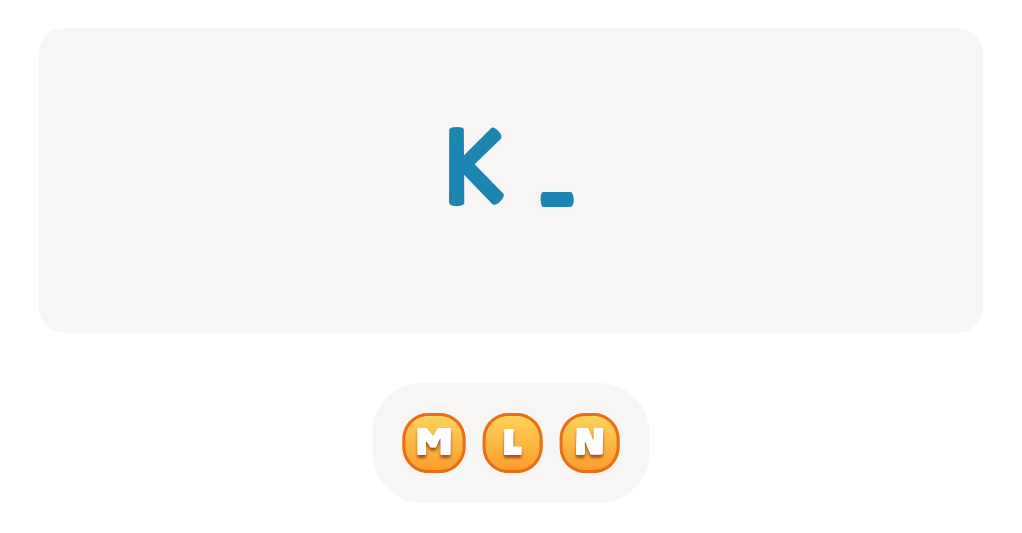
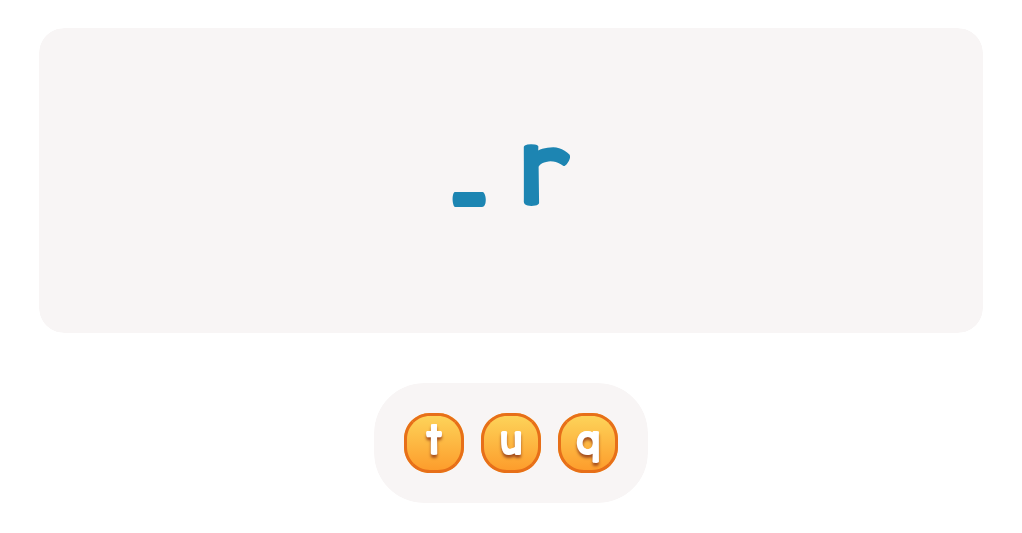
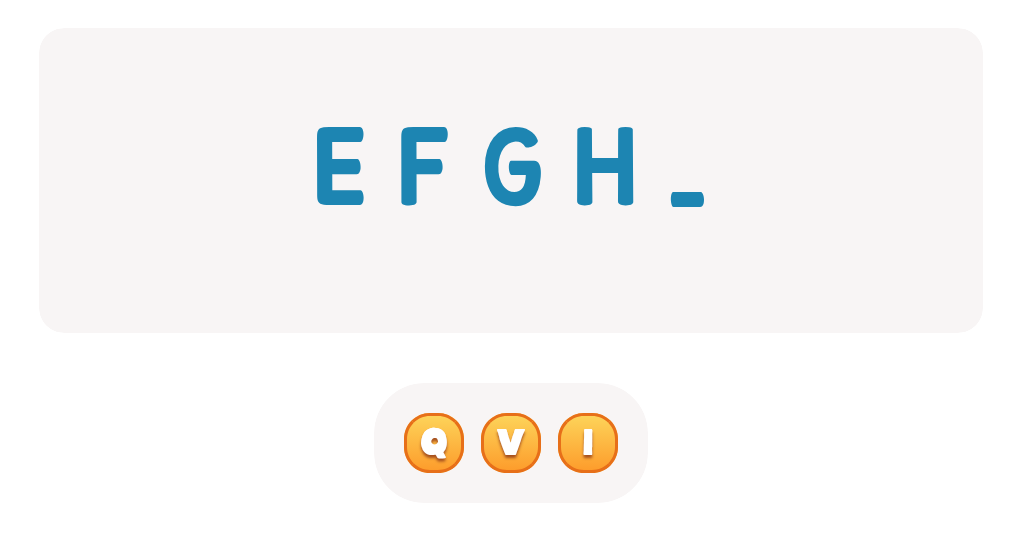
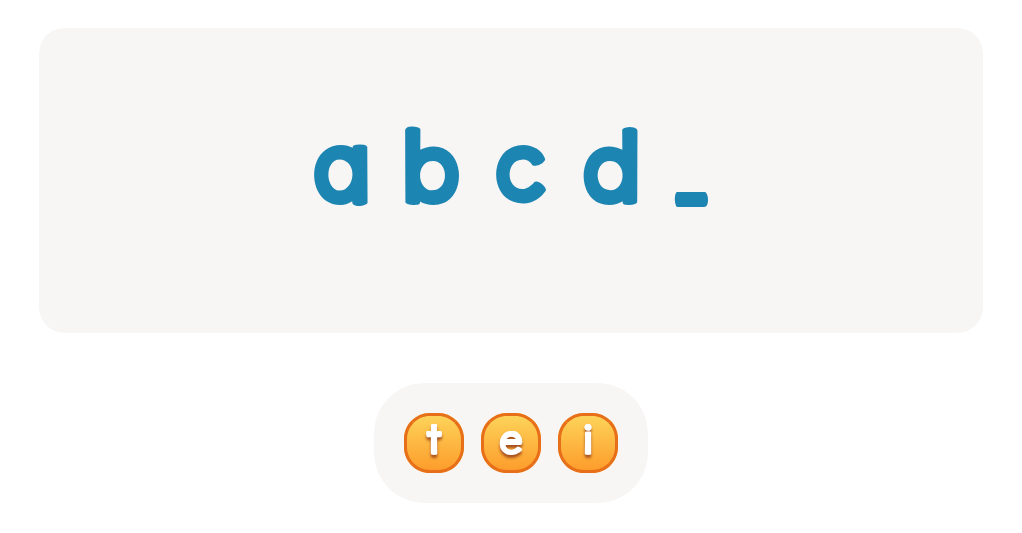
Enhance your 6-year-olds' handwriting with our engaging letter tracing worksheets for normal uppercase and lowercase letters. Designed for young learners, these printable resources promote fine motor skills and letter recognition in a fun and interactive way. Each worksheet features clear tracing paths, allowing children to practice their writing while developing confidence in their handwriting abilities. Perfect for home or classroom use, our letter tracing activities help reinforce foundational literacy skills essential for early education. Encourage your child’s love for writing and make learning enjoyable with our beautifully designed and easy-to-use worksheets. Start their journey toward beautiful handwriting today!
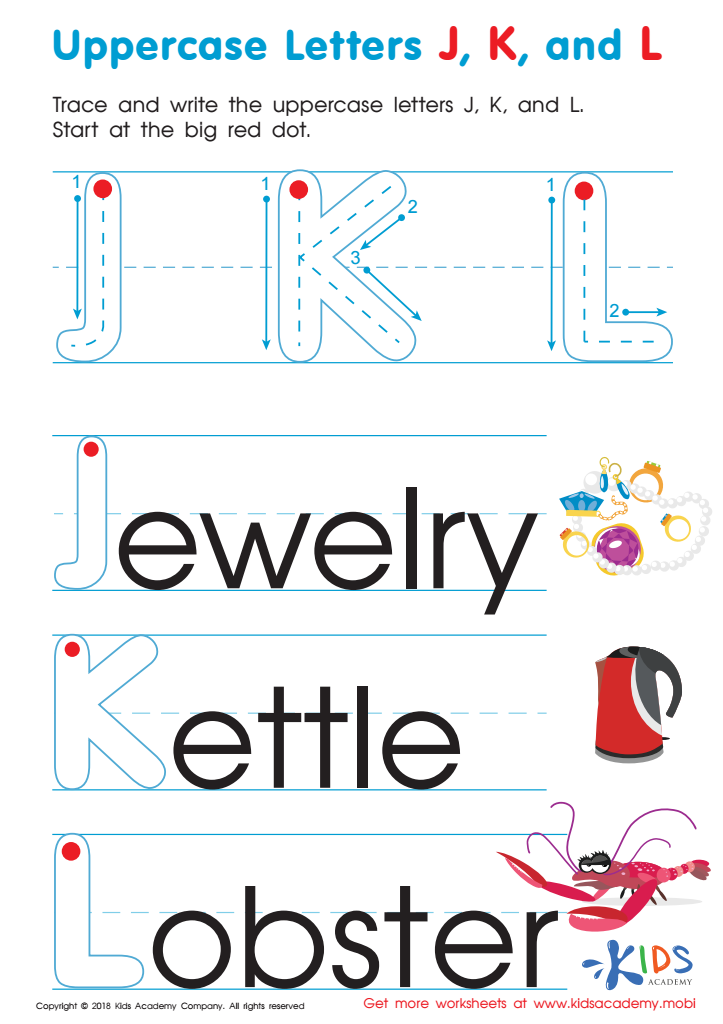
Uppercase Letters J, K, and L Worksheet
 Assign to My Students



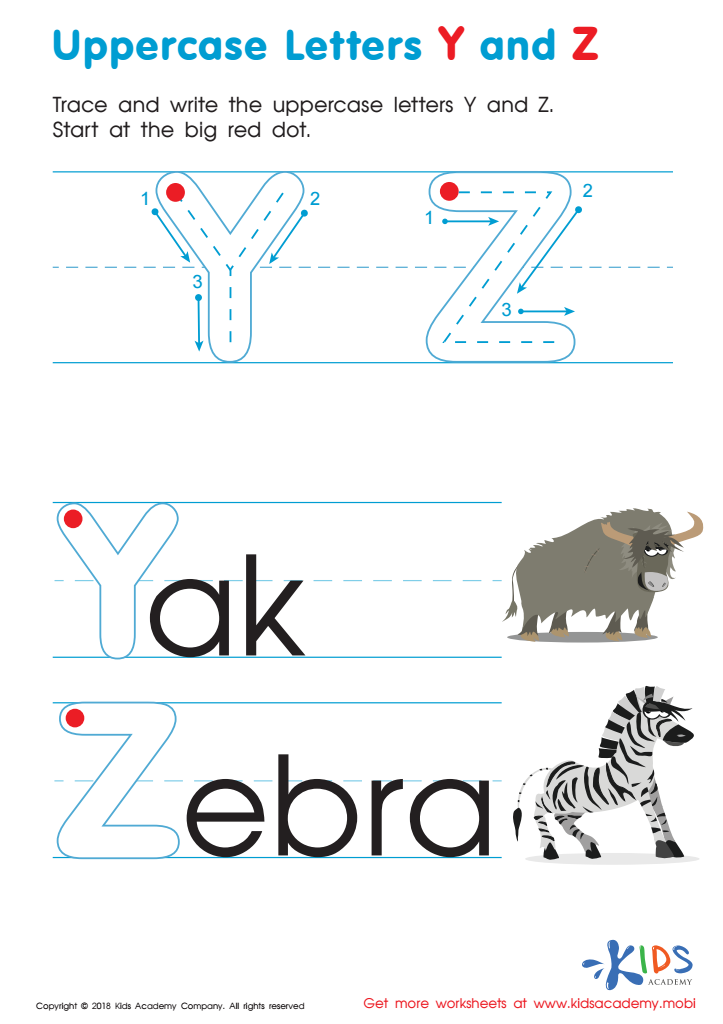
Uppercase Letters Y Z Worksheet
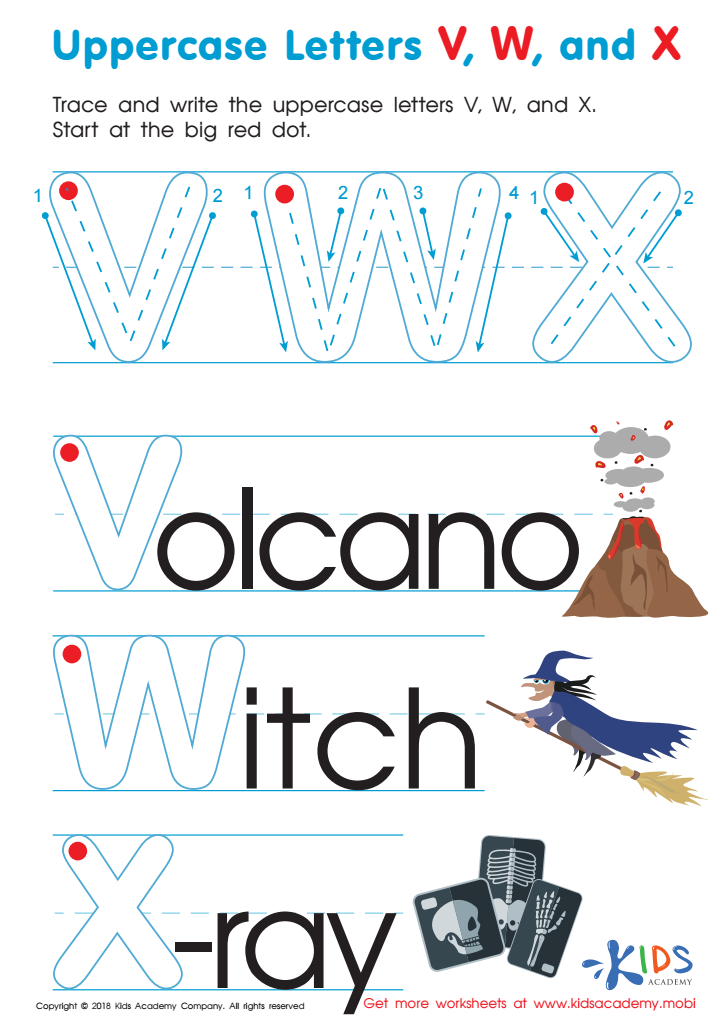
Uppercase Letters V, W, and X Worksheet






Letter tracing skills are essential for 6-year-olds as they lay the foundation for effective writing and literacy development. First and foremost, mastering both upper and lowercase letters promotes fine motor skills, which are crucial for developing the hand-eye coordination necessary for all forms of writing. Practicing tracing helps children understand the correct formation of letters, enabling them to write more confidently and legibly.
Moreover, letter tracing reinforces letter recognition and phonemic awareness, both vital components of early literacy. As children trace letters, they begin to associate shapes with sounds, aiding in their understanding of the alphabet and improving their reading skills. This skill reinforces their ability to differentiate between upper and lowercase letters, thereby enhancing their reading fluency and comprehension.
Additionally, letter tracing activities can be engaging and enjoyable, keeping children motivated to practice. This positive attitude towards writing can foster a love for literacy that stays with them throughout their educational journey. Ultimately, supporting letter tracing skills in young learners equips them with the tools necessary for academic success, setting a strong groundwork for future learning in reading, writing, and overall communication. Therefore, parents and teachers play a crucial role in nurturing these skills.







