Lowercase identification Normal Upper & Lowercase Letters Worksheets for 6-Year-Olds
4 filtered results
-
From - To
Discover our engaging Lowercase Identification worksheets, specifically designed for 6-year-olds to master uppercase and lowercase letters. These interactive resources enhance letter recognition skills by presenting fun activities that blend learning with play. Each worksheet promotes visual discrimination and helps young learners differentiate between upper and lower case letters seamlessly. Perfect for preschool and kindergarten classrooms, our worksheets encourage creativity while building essential literacy skills. Download these printable resources from Kids Academy to support your child's learning journey, making the identification process enjoyable and effective. Foster a love for reading and writing in your little one today!
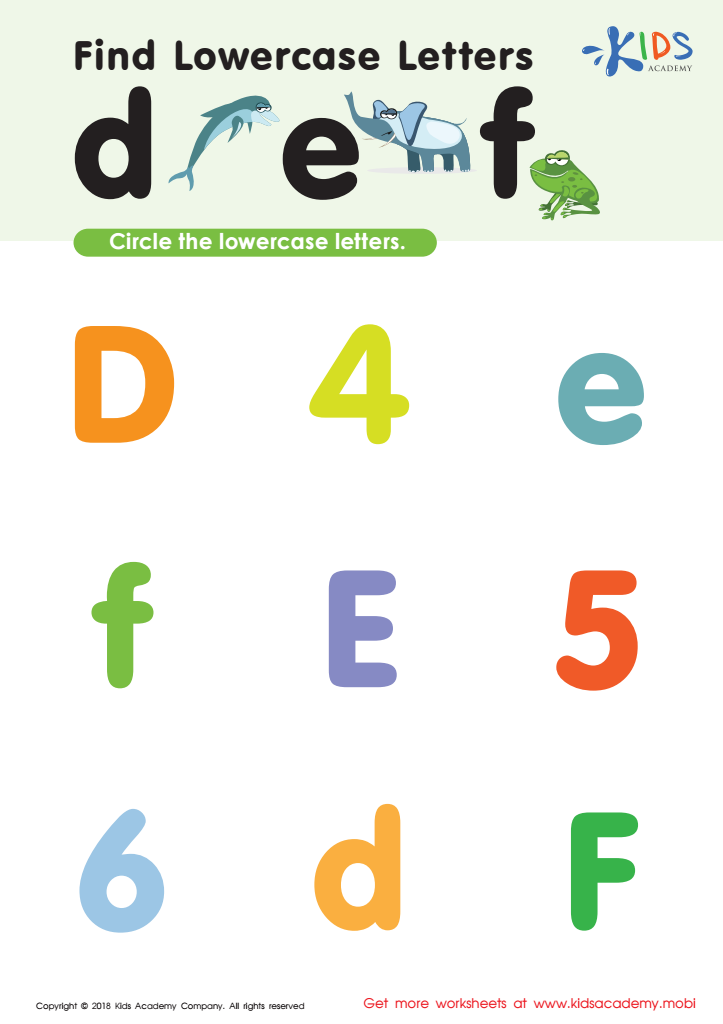
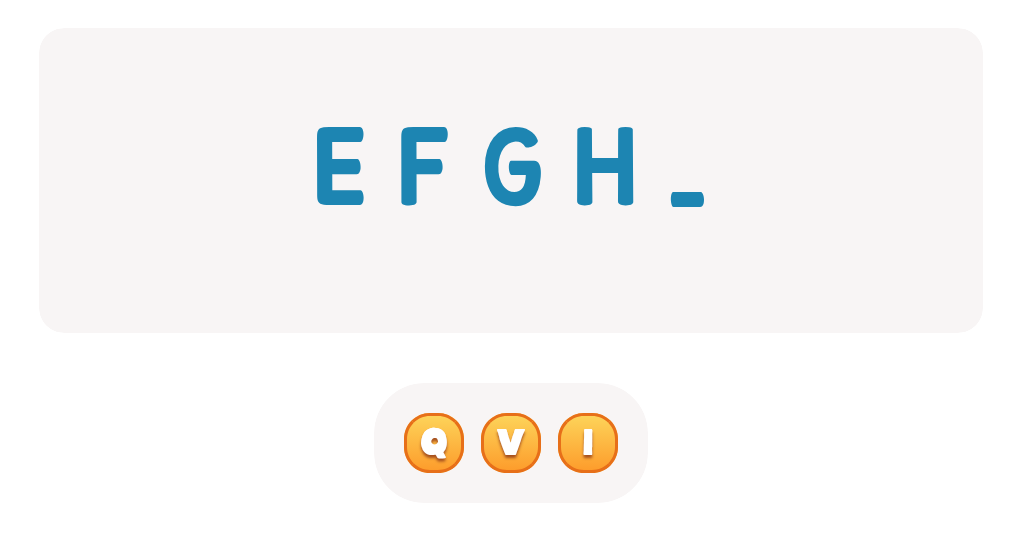
Find Lowercase Letters d e f Worksheet
 Assign to My Students

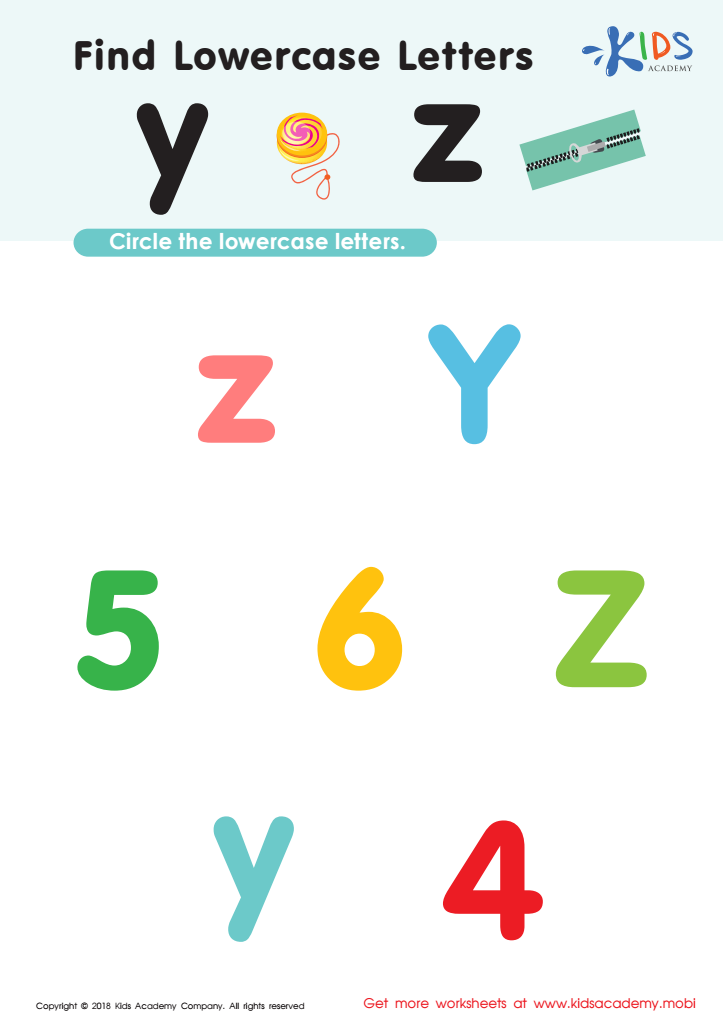
Find Lowercase Letters y z Worksheet
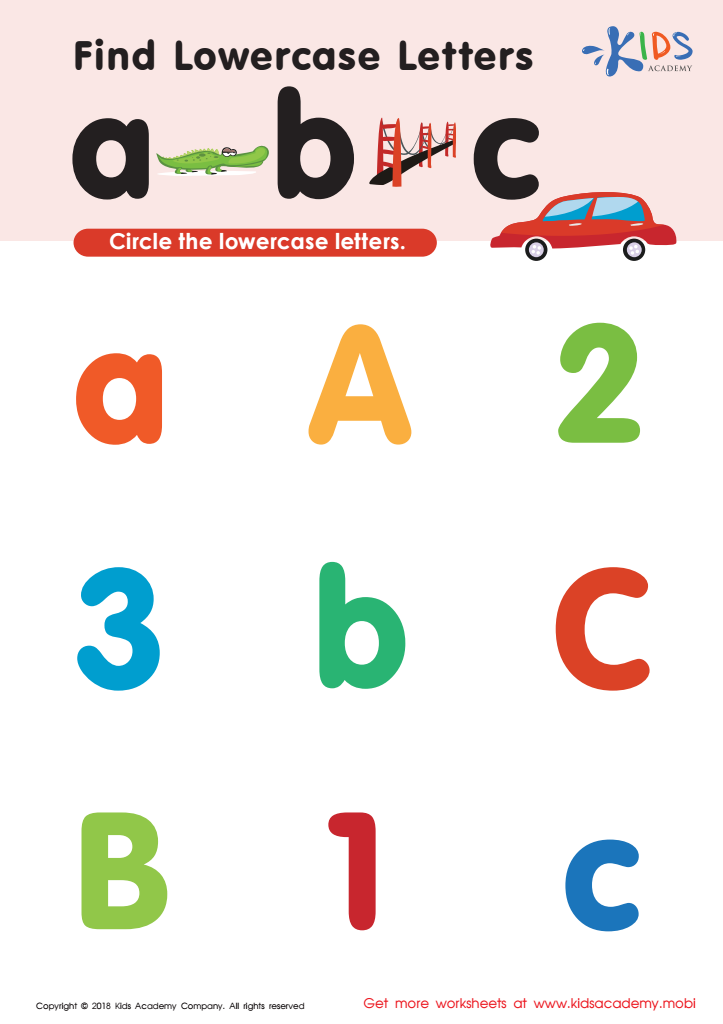
Find lowercase letters a b c Worksheet
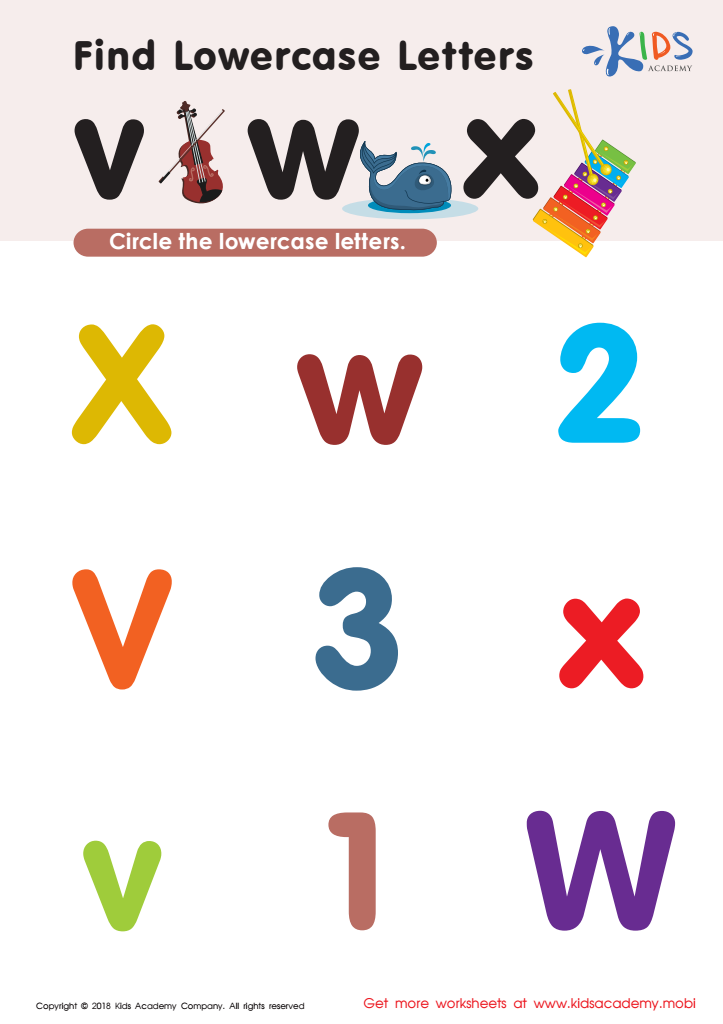
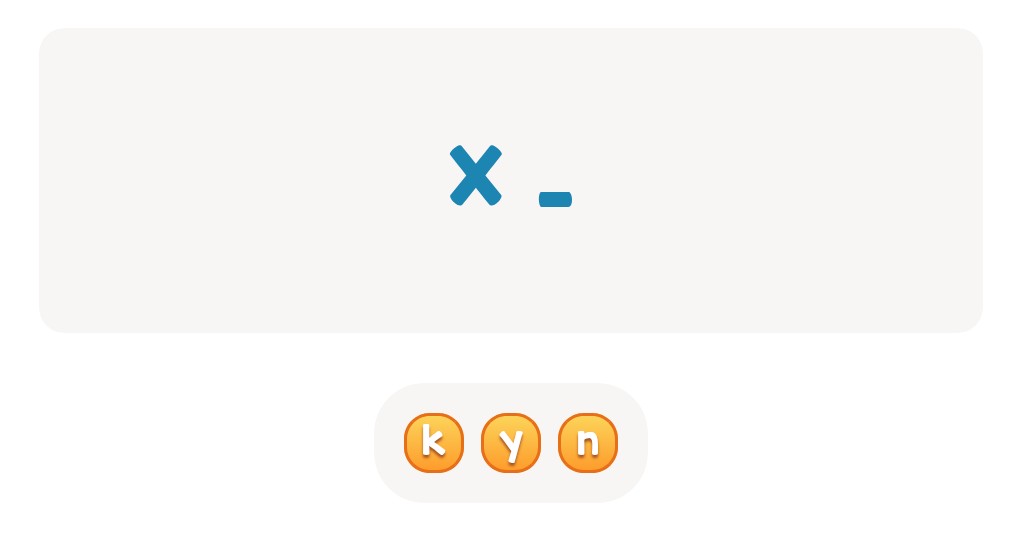
Find Lowercase Letters v w x Worksheet






Parents and teachers play a crucial role in a child's literacy development, making lowercase letter identification essential for six-year-olds. At this age, children are often transitioning from recognizing only uppercase letters to understanding and using both uppercase and lowercase letters in reading and writing. Recognizing lowercase letters is vital as they frequent written English, comprising about 90% of text.
Understanding lowercase letters supports reading fluency, because early readers encounter these letters regularly in books and everyday print. By mastering lowercase identification, children gain confidence in reading and phonics, as they connect sounds to familiar letter shapes.
Additionally, identifying lowercase letters aids in developing writing skills. Children need to learn proper letter formation and the differentiation between lowercase and uppercase letters to express themselves accurately. This understanding lays the groundwork for future academic articulation and communication skills.
Furthermore, fostering an understanding of both letter cases enhances vocabulary development and language comprehension. Encouraging lively, engaging learning environments through games and interactive activities can stimulate interest in letters and alphabets. Thus, supporting lowercase letter identification is pivotal for fostering a child’s cognitive skills, literacy abilities, and overall educational success.







