Alphabet sequencing Normal Worksheets for 6-Year-Olds
4 filtered results
-
From - To
Our "Alphabet Sequencing Normal Worksheets" are specially designed for 6-year-olds, encouraging young learners to master the order of the alphabet through engaging activities. Each worksheet features fun illustrations and exercises that promote letter recognition and sequencing skills. Children will enjoy coloring, tracing, and completing various tasks that reinforce their understanding of the alphabetical order. These worksheets are ideal for teachers and parents looking to enhance early literacy skills in a playful manner. Perfect for at-home practice or classroom use, our resources make learning the alphabet exciting and effective. Download our worksheets today and help your child build a solid foundation in reading!
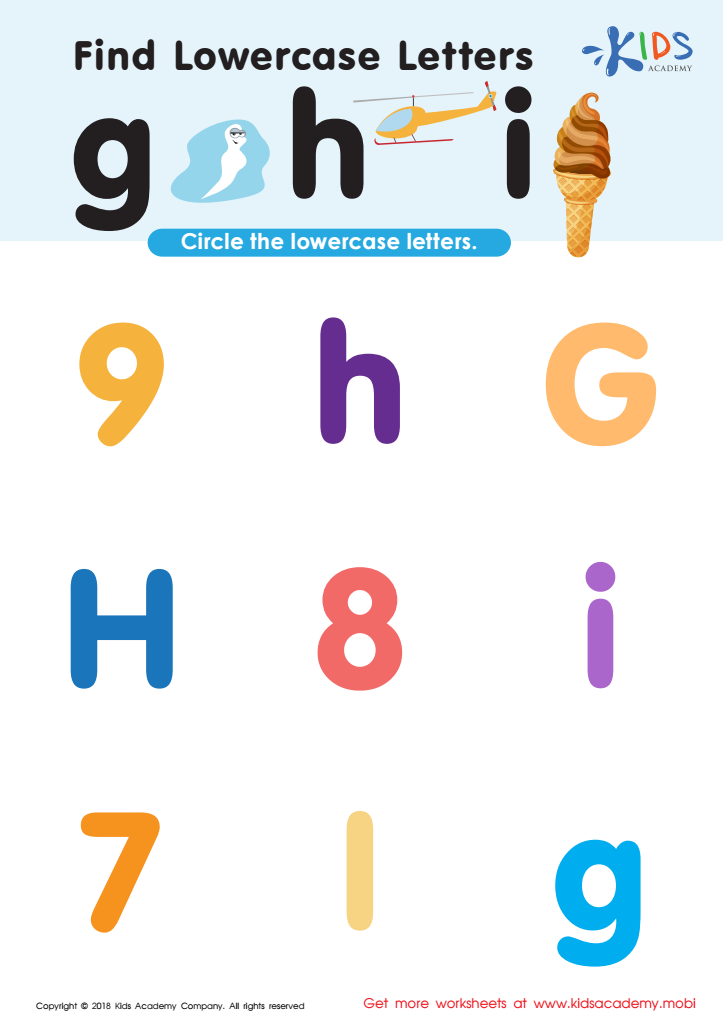
Find Lowercase Letters g h i Worksheet
 Assign to My Students
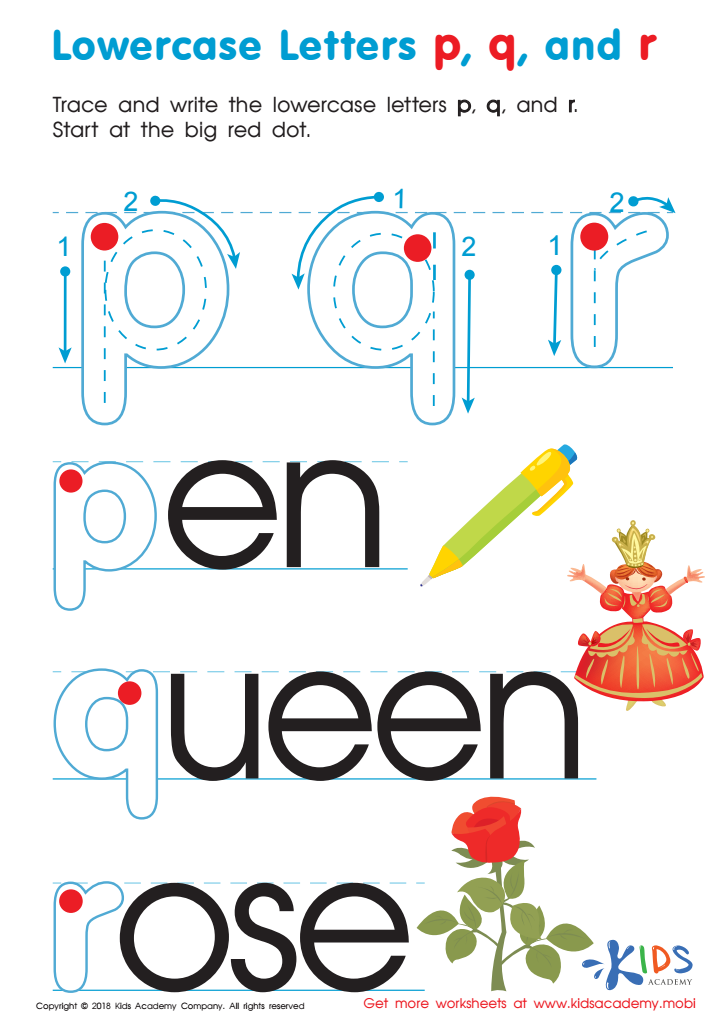
Lowercase Letters p q r Worksheet
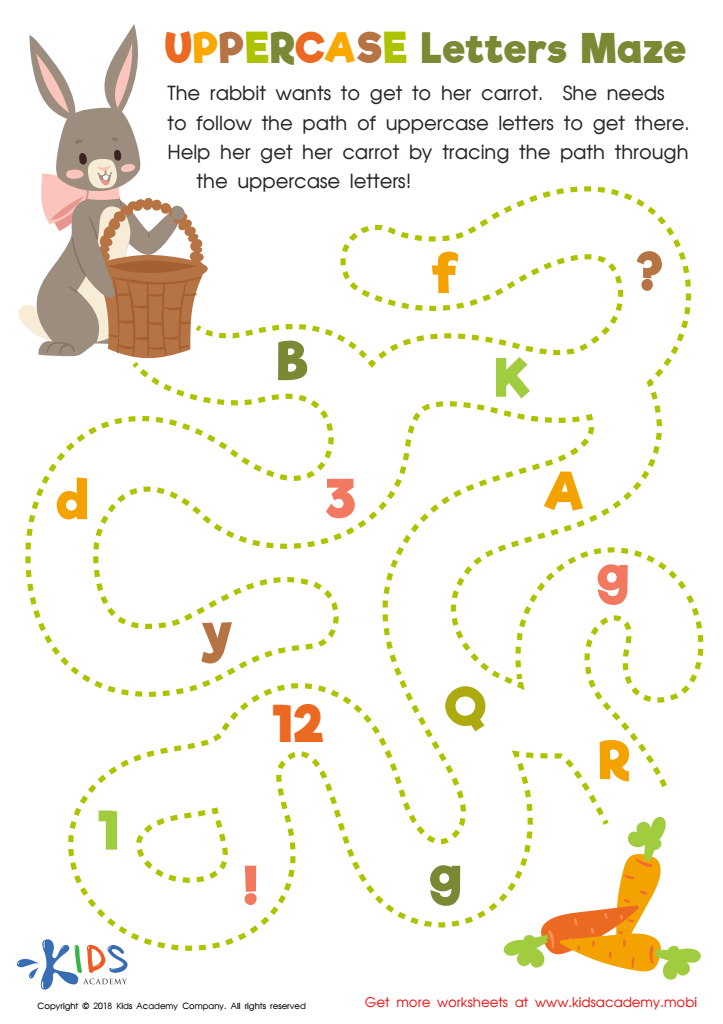
Uppercase Letters Maze Worksheet
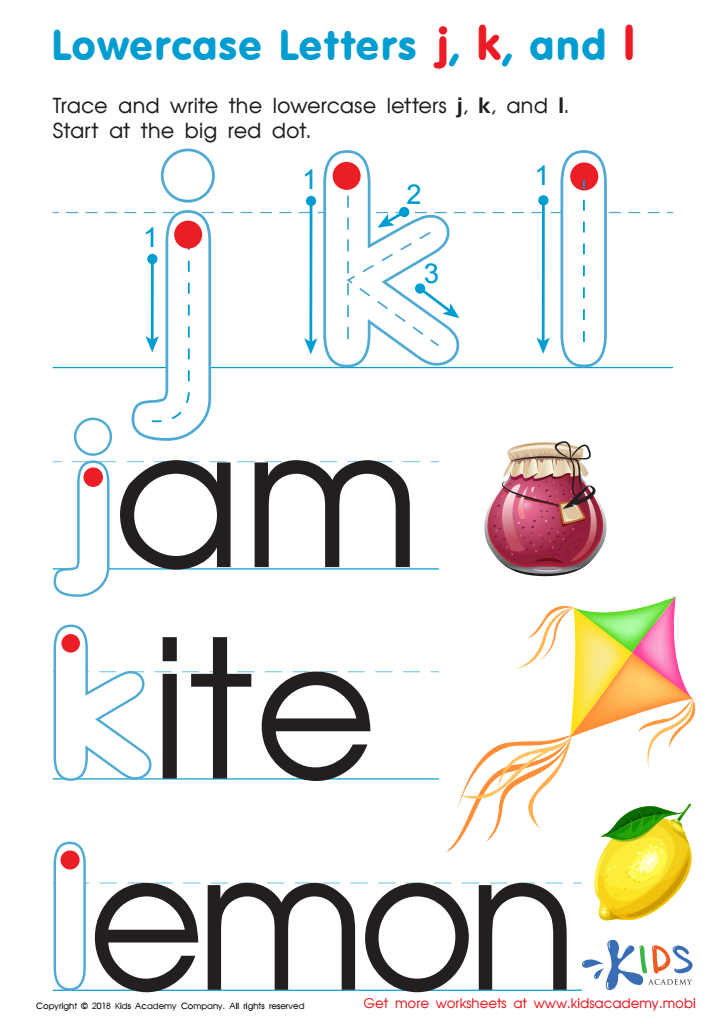
Lowercase Letters j k l Worksheet







Parents and teachers should prioritize understanding alphabet sequencing for 6-year-olds due to its foundational role in literacy development. Alphabet sequencing, or the ability to recognize and order letters from A to Z, is crucial for kindergarten and first-grade learners. Mastering this skill enhances phonemic awareness, a key component in reading fluency and comprehension. When children can easily identify the sequence of letters, they are better equipped to decode words and develop spelling skills.
Moreover, learning the alphabet in sequence aids in cognitive organization. It supports the formation of early memory skills, enabling children to retrieve word beginnings or endings reliably. Additionally, recognizing letter order helps children understand the basics of alphabetical order, invaluable for navigating books, libraries, and digital resources as they progress in education.
Incorporating activities that strengthen alphabet sequencing—such as singing the alphabet song, engaging in letter games, or using books that emphasize letter order—can make practicing fun and interactive. Ultimately, investing time in mastering alphabet sequencing not only fosters a love for reading and writing but also sets the stage for successful future learning. Therefore, awareness of this developmental milestone is essential for both parents and educators dedicated to nurturing young learners.








