Fine motor development Normal Worksheets for 6-Year-Olds
3 filtered results
-
From - To
Discover our engaging "Fine Motor Development Normal Worksheets for 6-Year-Olds," designed to enhance your child's dexterity and coordination skills. These worksheets focus on various activities that encourage precision and control, essential for developing fine motor skills. With a variety of fun tasks, including tracing, cutting, and drawing, children will enjoy practicing important skills that aid in everyday tasks such as writing and buttoning clothes. Our worksheets align with developmental milestones, ensuring a comprehensive approach to learning. Perfect for at-home practice or classroom use, these resources provide an enjoyable way to support your child's growth and confidence in their abilities.

Uppercase Letters J, K, and L Worksheet
 Assign to My Students
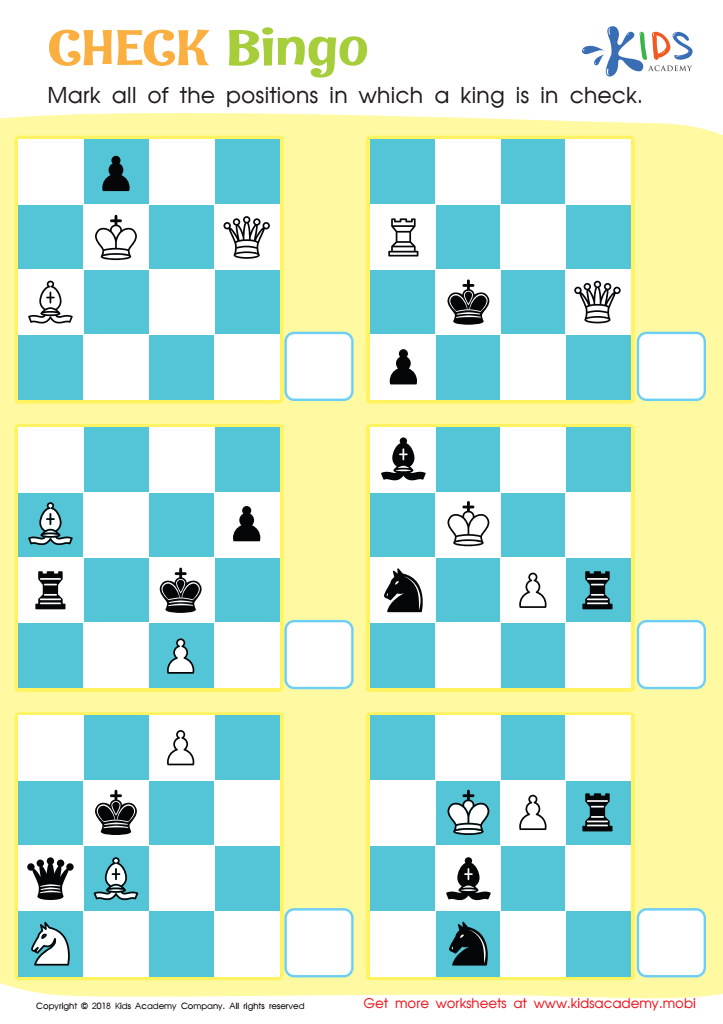
Check Bingo Worksheet
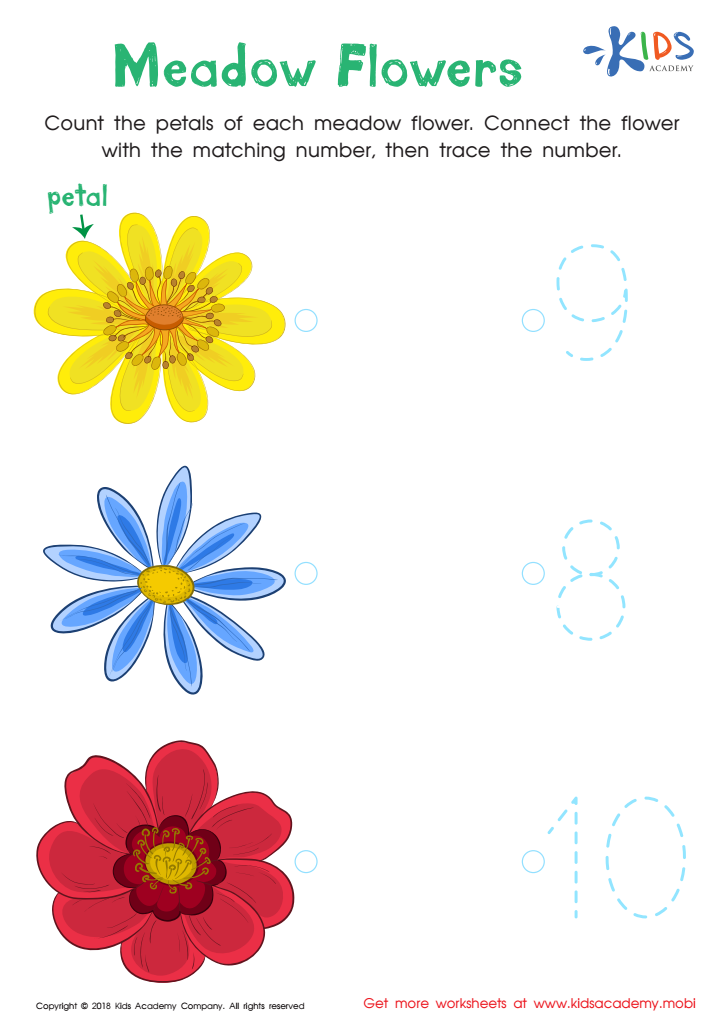
Kindergarten Number Tracing: Medow Flowers Worksheet






Fine motor development is crucial for 6-year-olds as it significantly impacts their overall growth and learning capabilities. At this age, children typically refine skills such as grasping objects, using scissors, and writing. These skills are foundational for academic success and daily life activities. Parents and teachers should care about fine motor skills because they are closely linked to cognitive development. Proficient fine motor abilities enhance coordination and dexterity, making tasks such as drawing, coloring, and completing puzzles not only easier but also more enjoyable for children.
Furthermore, fine motor skills are essential for self-care tasks such as dressing, eating, and personal hygiene, fostering a sense of independence and confidence in young children. They also play a role in developing social skills, as many activities involving fine motor skills promote interaction and cooperation among peers.
Supporting fine motor development through fun, hands-on activities, like crafting or playing with building blocks, encourages creativity and problem-solving. Engaging in these activities can help minimize frustrations related to tasks that require these skills, thus promoting a love for learning. Consequently, when parents and teachers prioritize fine motor development, they lay a strong foundation for a child’s future academic and social success.








