Hand-eye Coordination Normal Worksheets for 6-Year-Olds - Page 2
28 filtered results
-
From - To
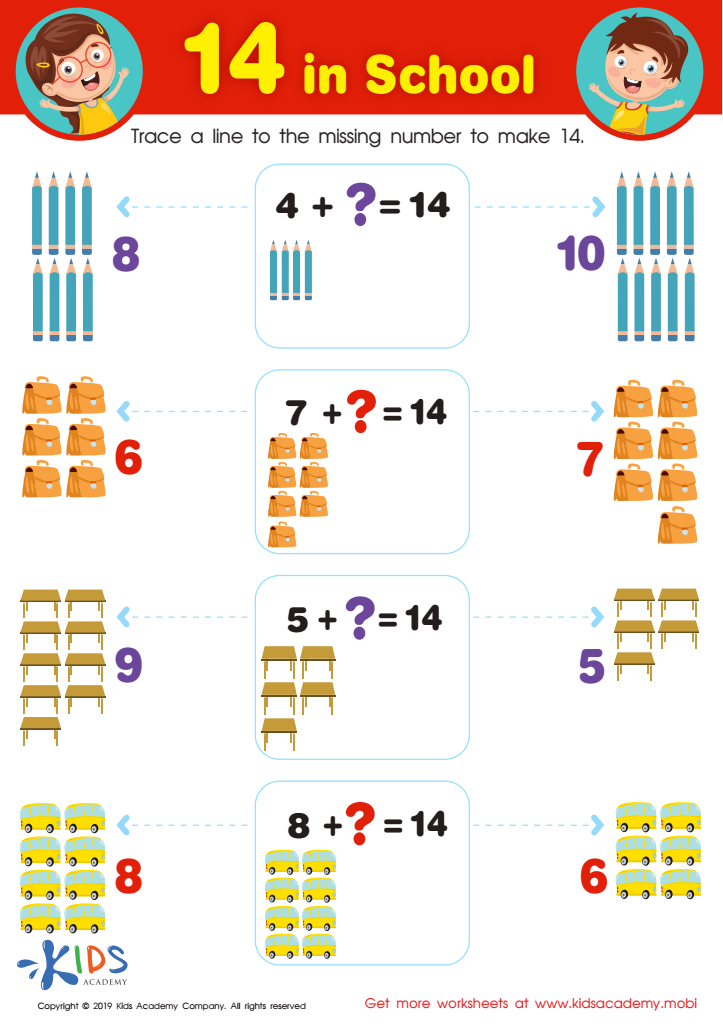
14 in School Worksheet
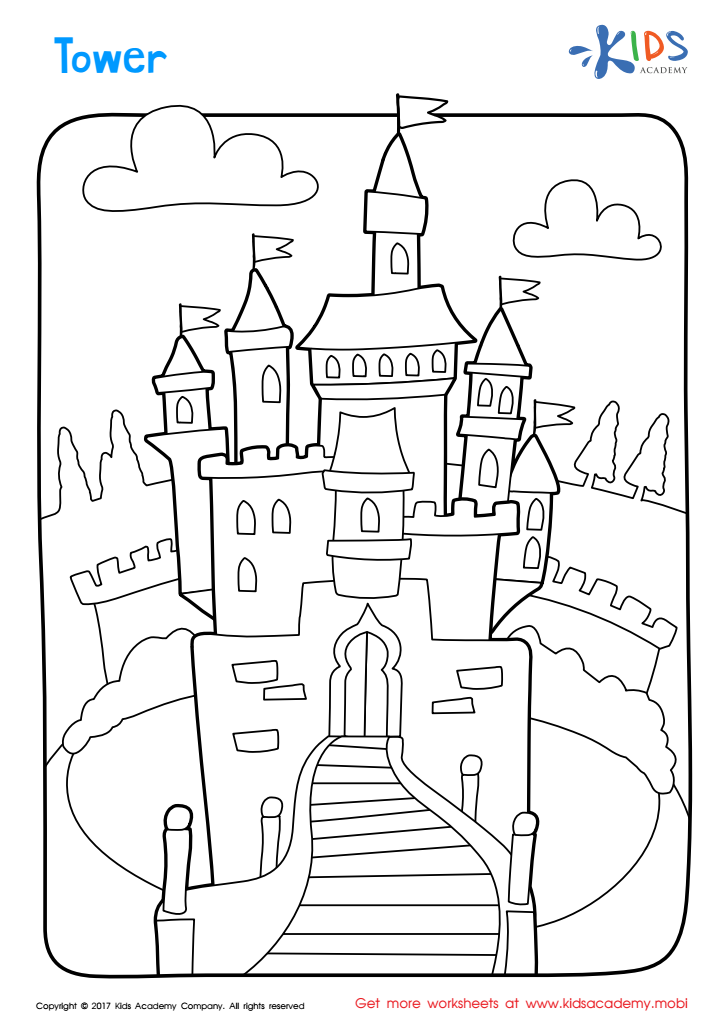
Tower Coloring Page
 Assign to My Students

Long and Short E Worksheet
Assign to My Students

Letter D Tracing Page



.jpg)

.jpg)
Hand-eye coordination is a vital developmental skill for 6-year-olds, and parents and teachers should care about its progress for several compelling reasons. At this age, children are growing rapidly both physically and cognitively, and hand-eye coordination integrates their visual and motor skills. This coordination is fundamental for everyday tasks such as writing, tying shoelaces, using scissors, and playing sports. When a child masters these skills, it boosts their confidence and independence.
Academically, good hand-eye coordination is crucial for reading and writing. It enables children to track words on a page efficiently and to form letters and words with clarity and precision. These are foundational skills that impact their overall academic performance. Socially, activities that involve hand-eye coordination help children engage with peers, participate in group games, and perform arts and crafts, which foster friendships and collaborative skills.
Additionally, hand-eye coordination is linked to brain development. Activities that promote this skill engage several brain regions, enhancing cognitive functions like memory, attention, and problem-solving. Early intervention in case of any coordination issues can be crucial, helping to prevent frustration that could affect a child’s willingness to engage in learning and play.
Thus, monitoring and encouraging hand-eye coordination in 6-year-olds lays the groundwork for future academic success, social interaction, and holistic development.








