Letter Tracing Practice Normal Worksheets for 6-Year-Olds
5 filtered results
-
From - To
Welcome to our Letter Tracing Practice Normal Worksheets designed specifically for 6-year-olds! These engaging worksheets are perfect for helping young learners develop their handwriting skills while becoming familiar with the alphabet. Each worksheet features a variety of letters, both uppercase and lowercase, accompanied by fun illustrations that captivate children’s attention. With clear guidelines and tracing paths, kids will enjoy practicing their letters, improving their motor skills and boosting their confidence in writing. Whether at home or in the classroom, our printable worksheets provide a valuable resource for early literacy development. Start your child's writing journey today!
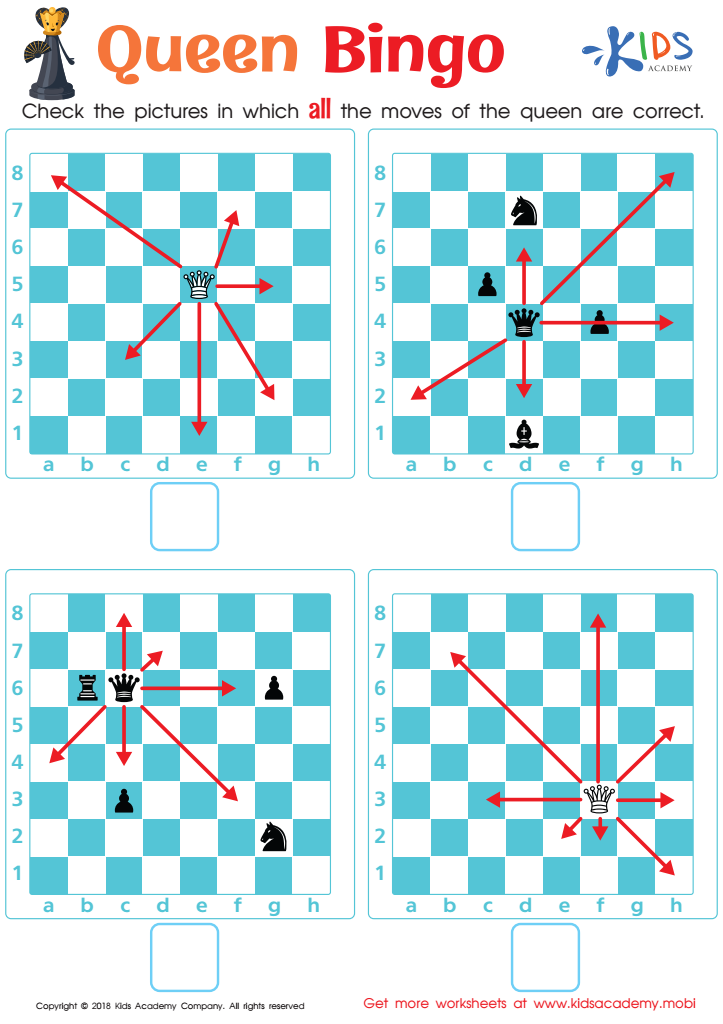
Queen Bingo Worksheet
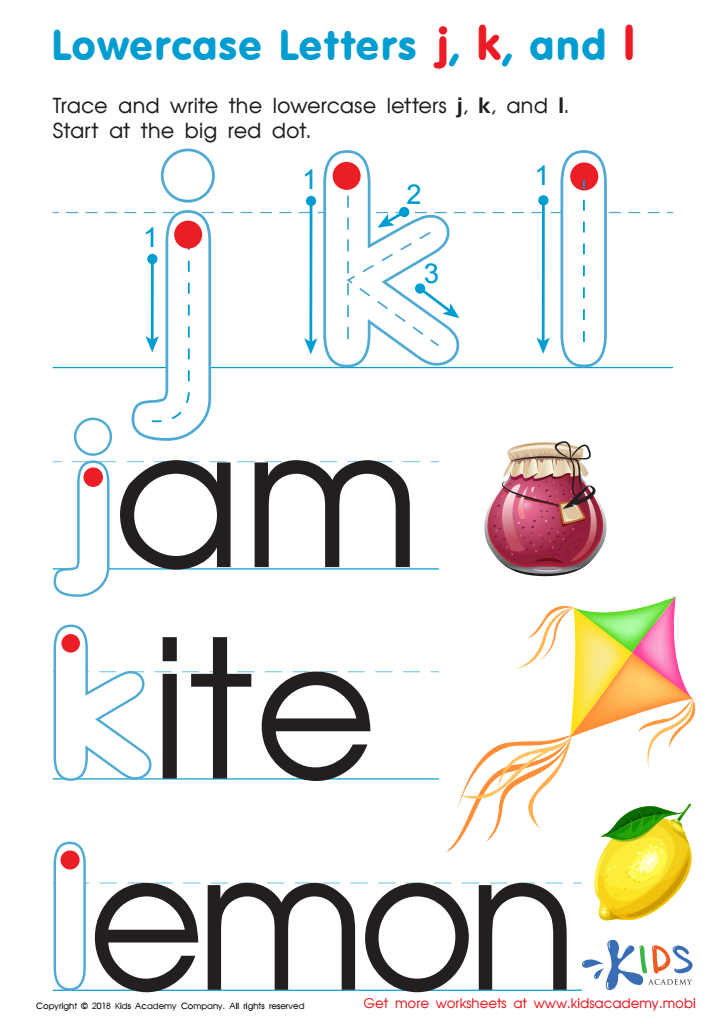
Lowercase Letters j k l Worksheet
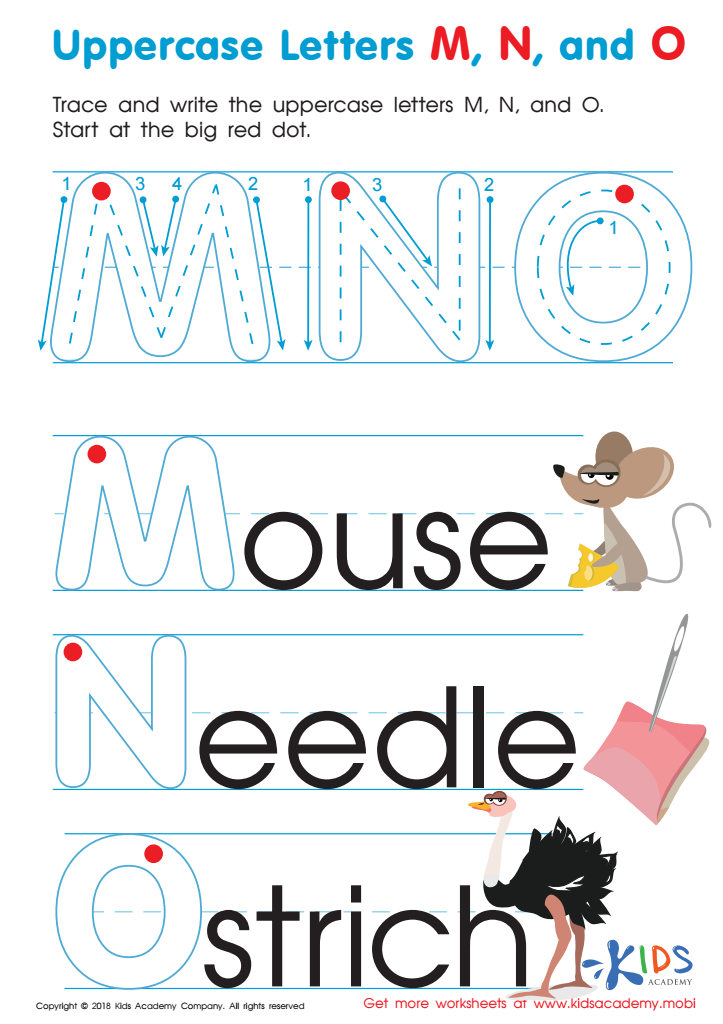
Uppercase Letters M, N, and O Worksheet
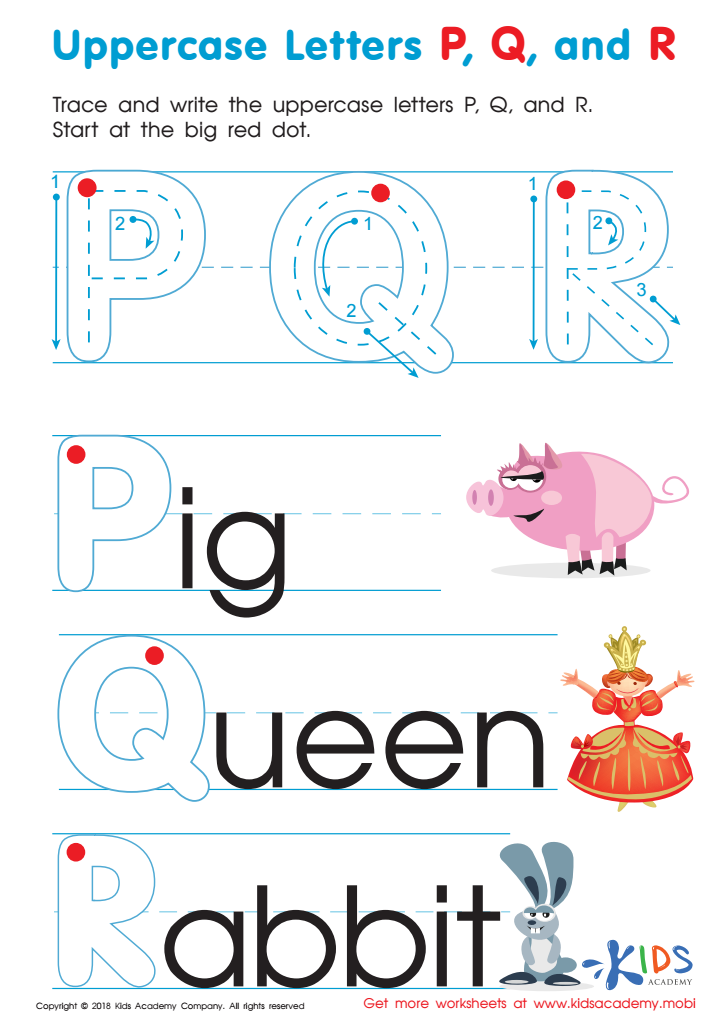
Uppercase Letters P, Q, and R Worksheet
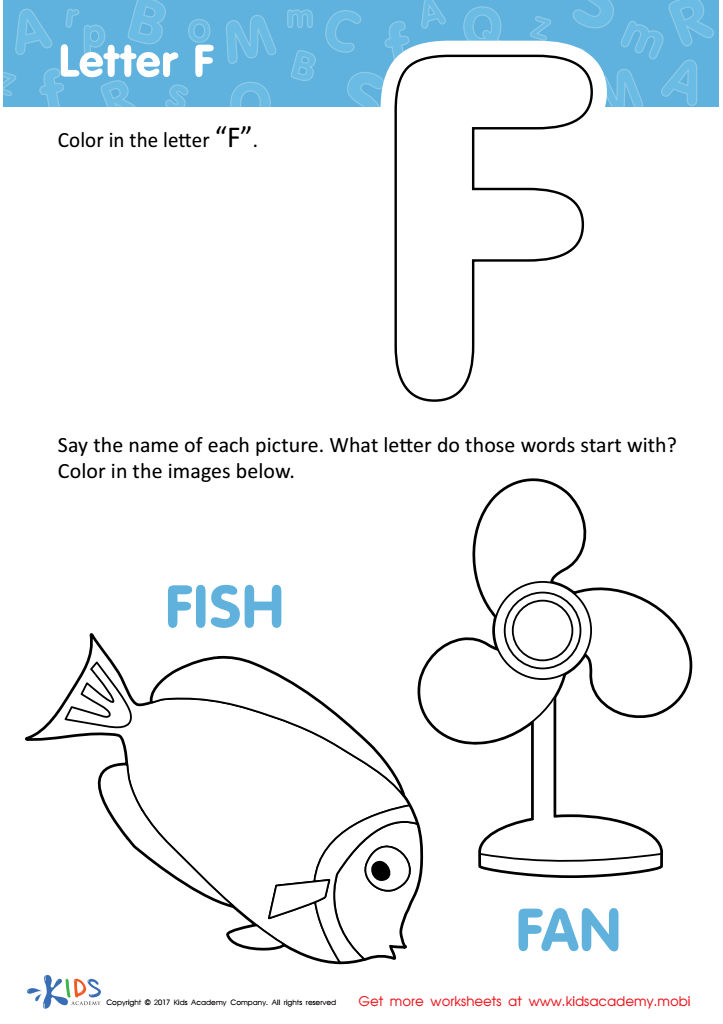
Letter F Coloring Sheet
 Assign to My Students





.jpg)


Letter tracing practice for 6-year-olds is crucial for several reasons. First and foremost, it fosters fine motor skills, helping young learners develop the hand-eye coordination necessary for writing. At this age, children are transitioning from preschool readiness to more structured learning environments, making it essential to establish a solid foundation in writing.
Engaging in letter tracing can enhance a child’s letter recognition and phonetic skills. It enables children to internalize letter shapes while reinforcing their ability to identify sounds associated with each letter. This connection supports the development of their reading and writing skills, critical for overall literacy.
Additionally, tracing letters can lead to greater confidence. Mastery of letter formation provides a sense of achievement, encouraging children to participate more actively in classroom discussions and written tasks.
For parents and teachers, participating in letter tracing can offer an opportunity for bonding and interactive learning. It allows adults to engage with children in a meaningful way, providing support and encouragement as they overcome challenges.
In summary, letter tracing is an essential practice for enhancing motor skills, promoting literacy, boosting confidence, and creating engaging parent-child or teacher-student bonds, all of which set the stage for future academic success.








