Counting skills Normal 2D Shapes Worksheets for 6-Year-Olds
4 filtered results
-
From - To
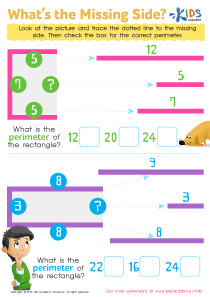
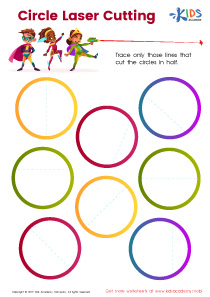
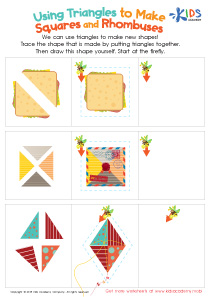
Unlock your child’s potential with our "Counting Skills Normal 2D Shapes Worksheets for 6-Year-Olds." These expertly crafted worksheets make learning engaging and fun, helping young learners recognize and count various 2D shapes like circles, squares, triangles, and more. Designed for 6-year-olds, these activities foster crucial counting abilities, shape identification, and basic math skills. Our colorful, easy-to-follow worksheets keep kids entertained while they develop a strong foundation in early math concepts. Perfect for productive learning at home or in the classroom, these resources set the stage for academic success. Browse and download today for endless educational fun!
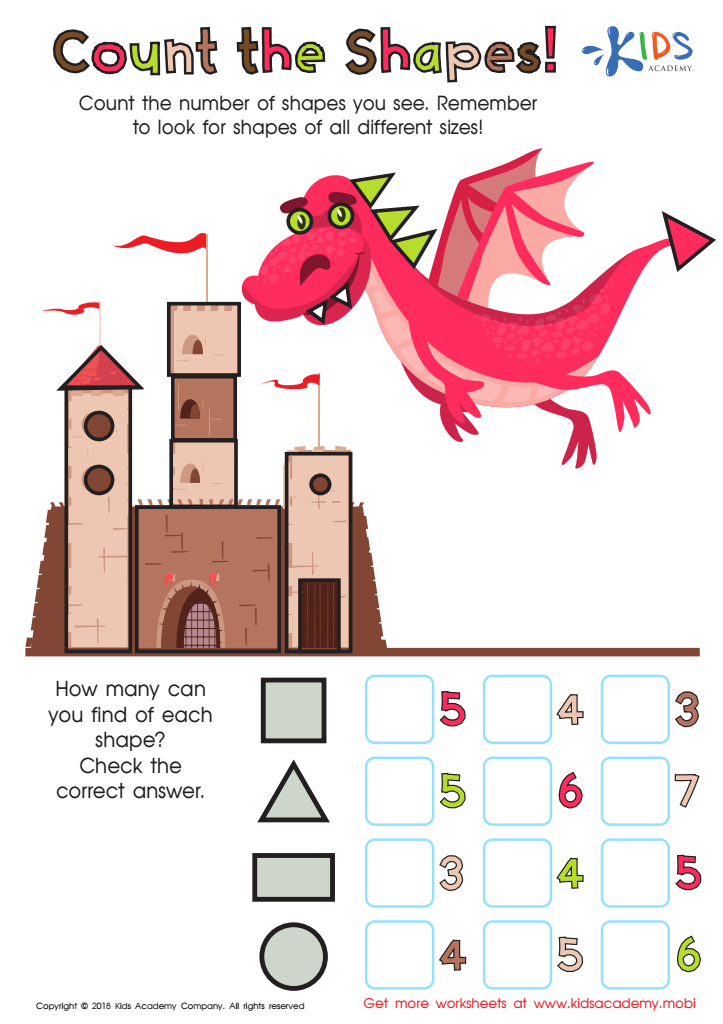
Count the Shapes Worksheet
 Assign to My Students


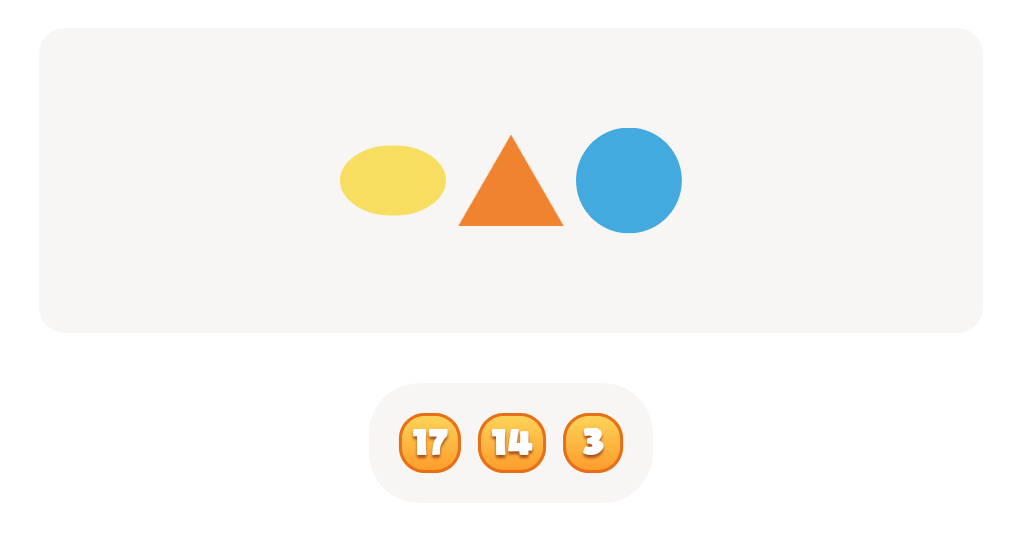
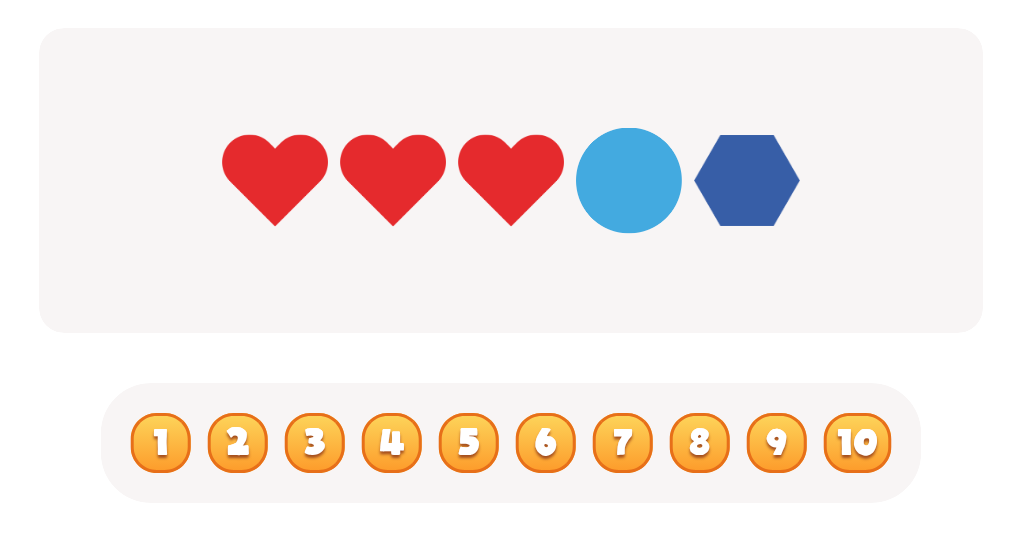
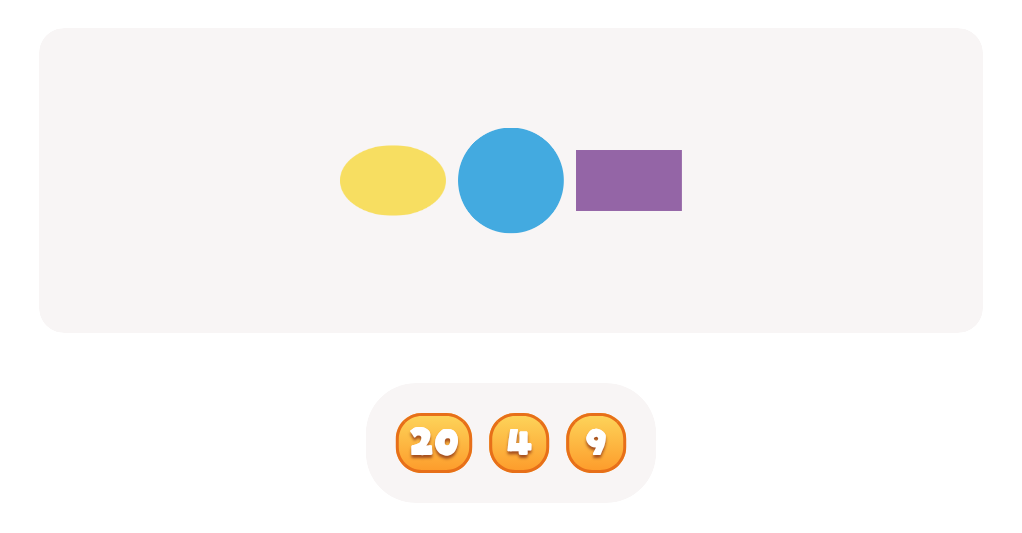
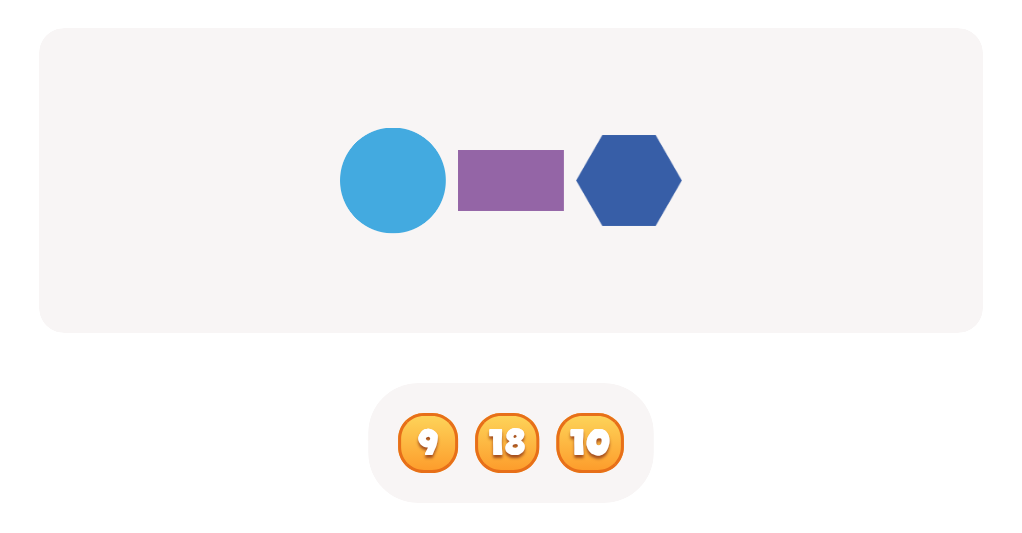
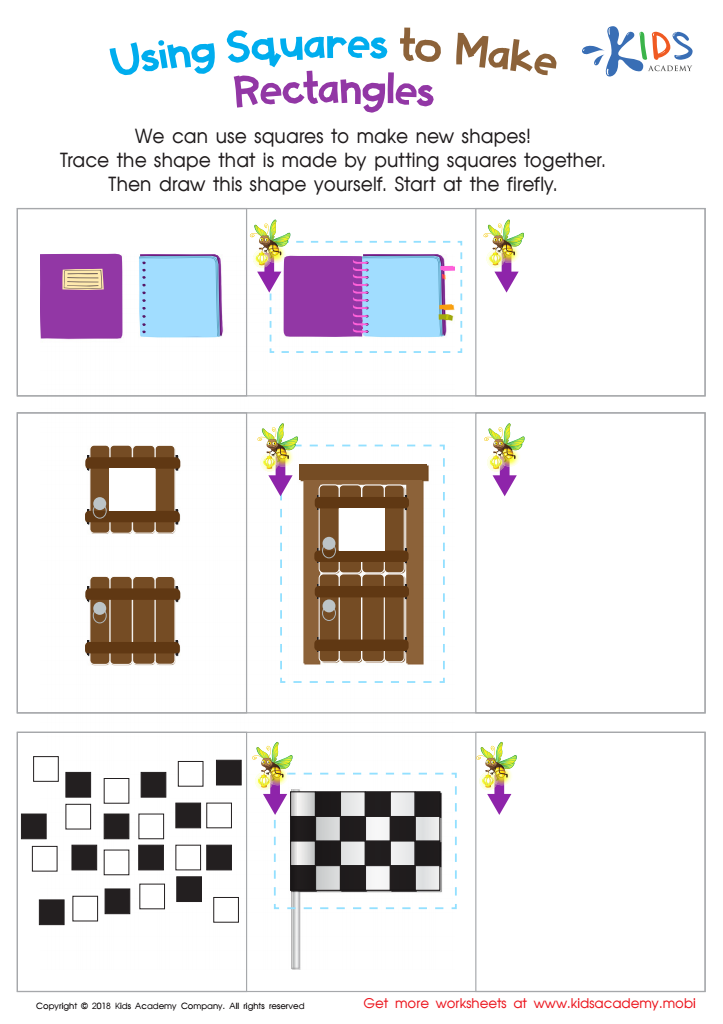
Using Squares to Make Rectangles Worksheet
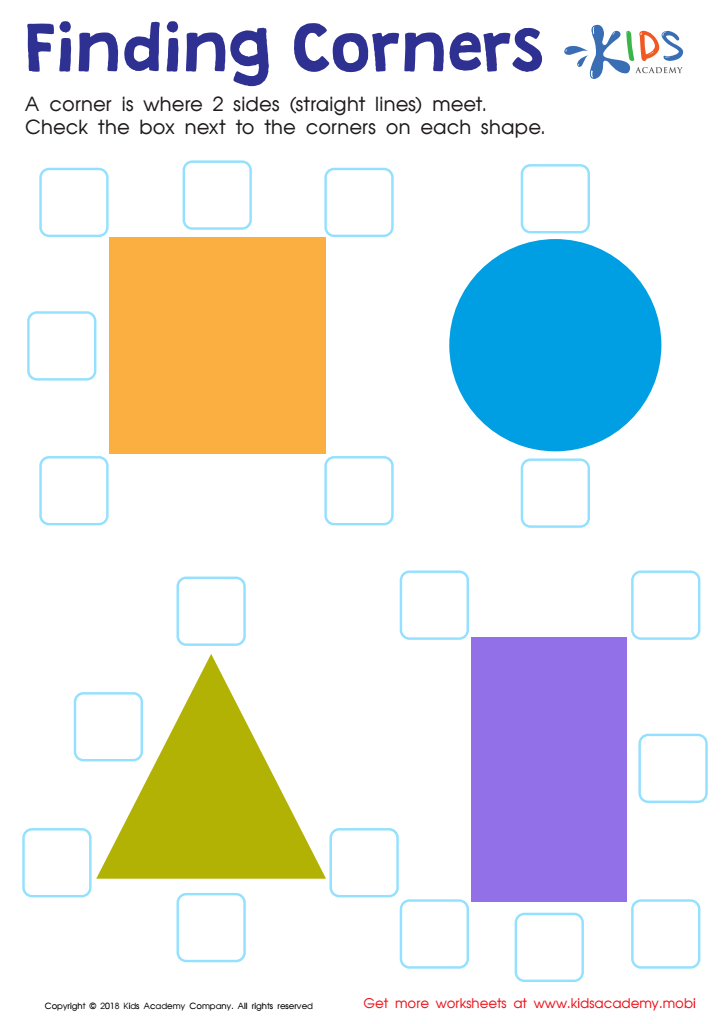
Finding Corners Worksheet
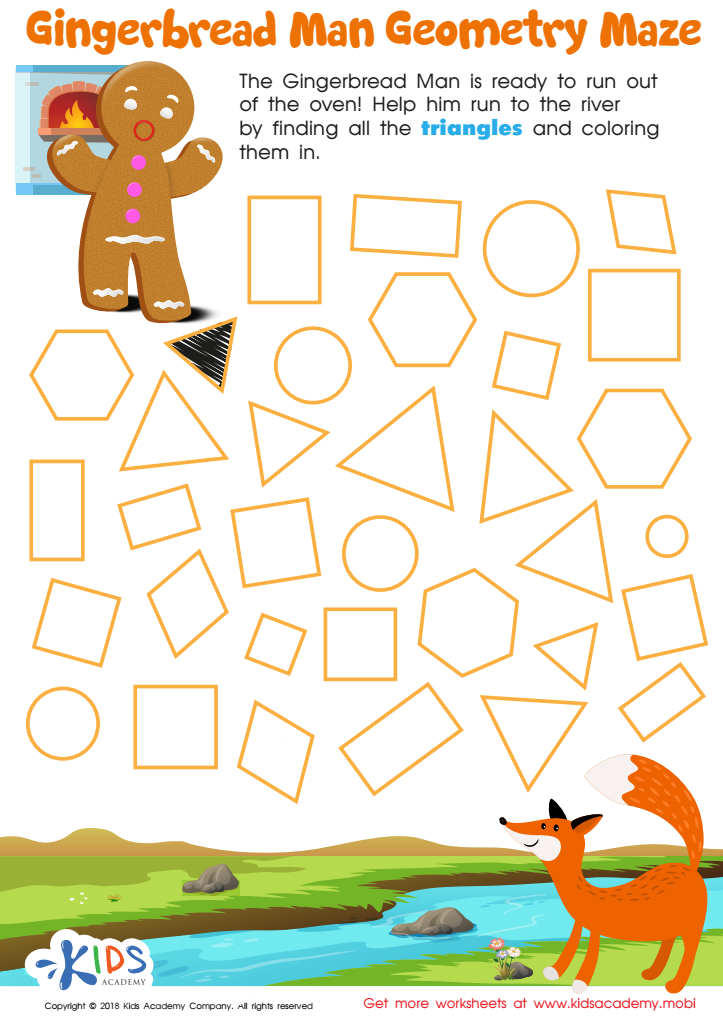
Gingerbread Man Geometry Maze Worksheet








Parents and teachers should prioritize developing counting skills and understanding normal 2D shapes in 6-year-olds because these foundational competencies are crucial for cognitive development and future academic success. Mastering counting helps children understand numbers and the concept of quantity, which are essential for basic arithmetic operations like addition and subtraction. Furthermore, a strong grasp of counting aids in developing problem-solving skills and logical thinking.
Understanding normal 2D shapes, such as circles, squares, and triangles, is equally important because it enhances spatial awareness and geometric reasoning. Recognizing and describing shapes improves vocabulary and language skills, fostering better communication abilities. Additionally, identifying shapes helps children interpret and navigate the world around them, contributing to their overall cognitive and perceptual growth.
Moreover, these foundational skills are interconnected and form the building blocks for more advanced mathematical concepts. Early proficiency in counting and shape recognition paves the way for understanding patterns, measurements, and spatial relationships, which are integral parts of higher-level math and science education. By focusing on these areas, parents and teachers equip children with the tools they need for continued academic achievement and everyday problem-solving. Ignoring these fundamental skills can lead to difficulties in grasping more complex subjects, thereby hindering a child's educational journey.