Animal recognition Normal Math Worksheets for 6-Year-Olds
7 filtered results
-
From - To
Enhance your child's learning experience with our Animal Recognition Normal Math Worksheets designed specifically for 6-year-olds. These engaging worksheets combine foundational math skills with fun animal themes, helping children explore numbers, counting, and basic arithmetic through colorful illustrations of their favorite animals. Encouraging both cognitive and creative development, our resources foster a love for learning while making math concepts accessible and enjoyable. Perfect for home or classroom use, these worksheets support early learners as they develop essential skills in a playful way. Download now to inspire curiosity and strengthen math concepts with the fascinating world of animals!
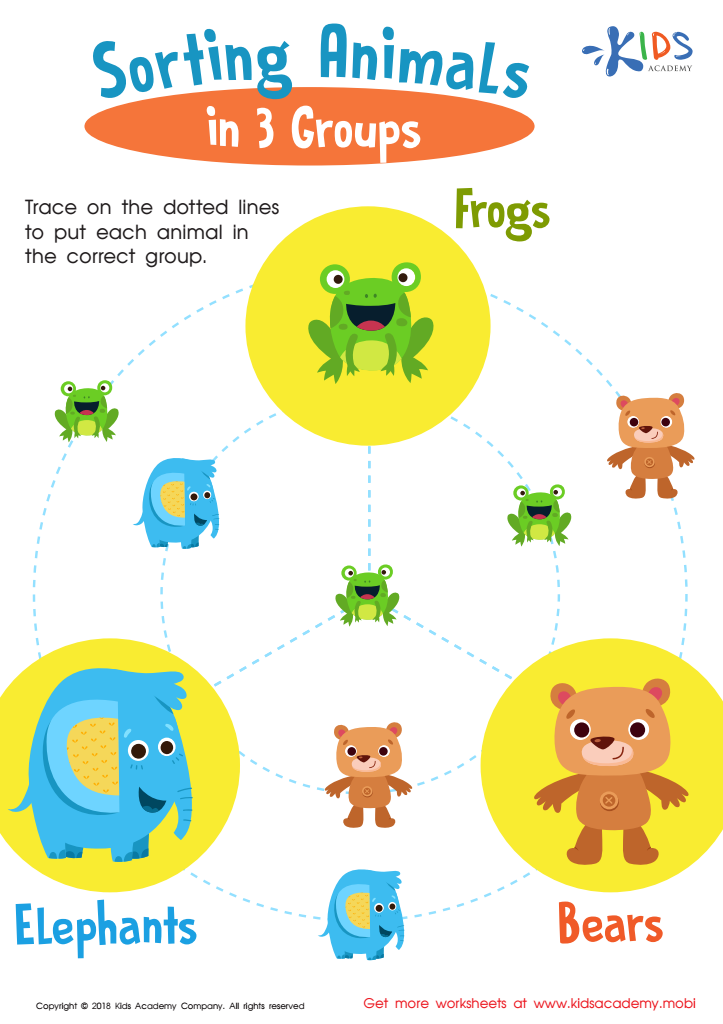
Sorting Animals in 3 Groups Worksheet
 Assign to My Students
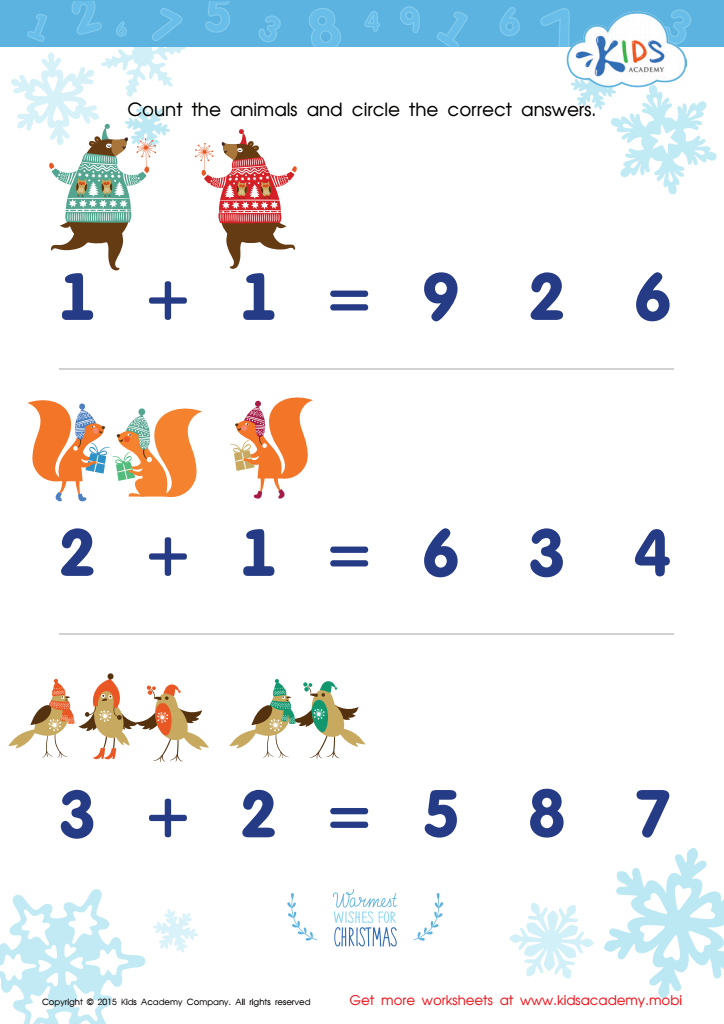
Count Funny Animals Worksheet
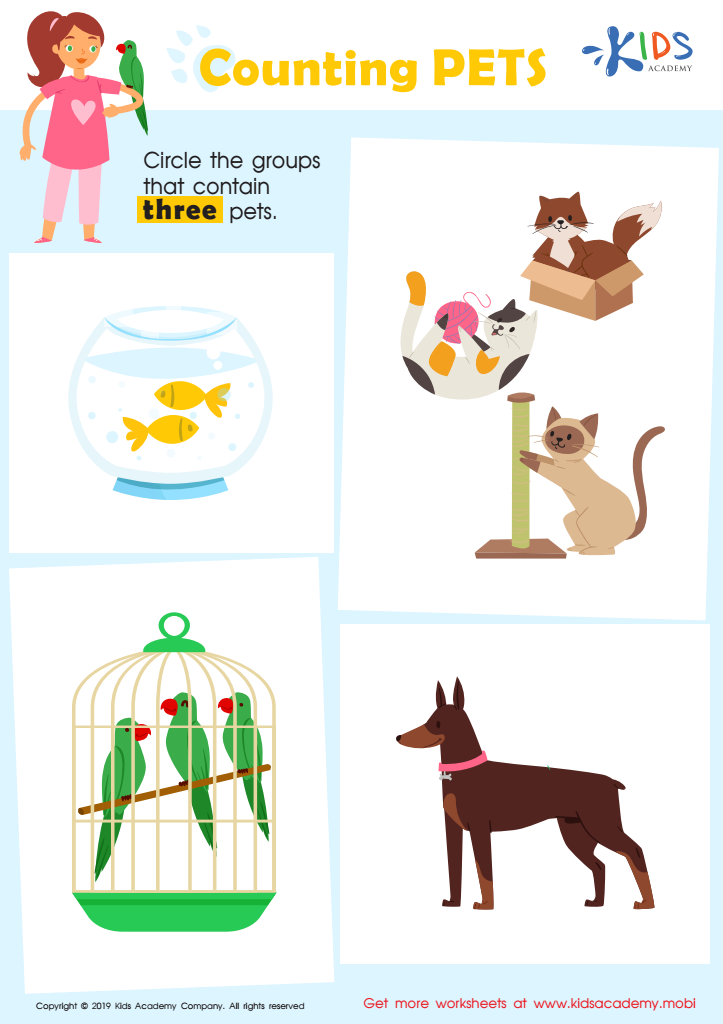
Counting Pets Worksheet
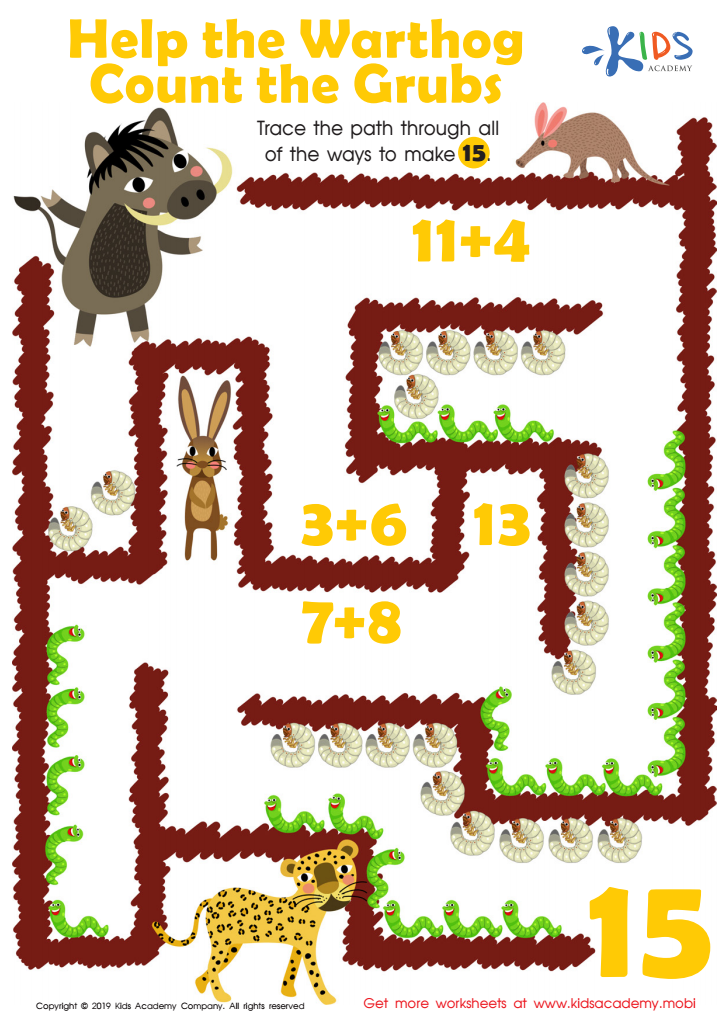
Help the Warthog Count the Grubs Worksheet
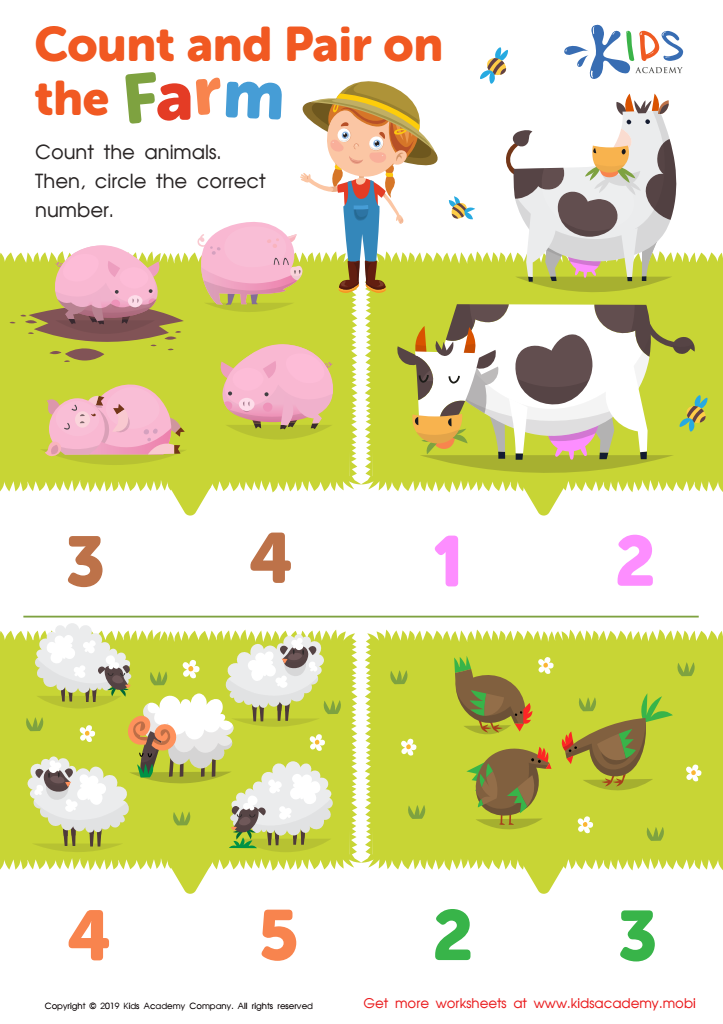
Count and Pair on the Farm Worksheet
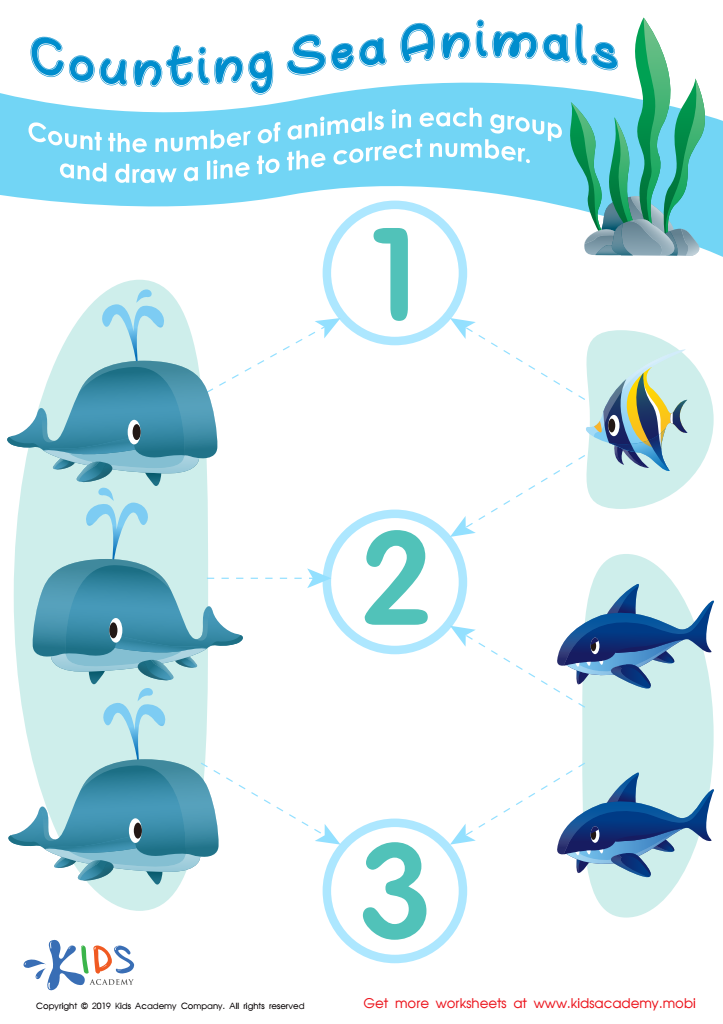
Counting Sea Animals Worksheet
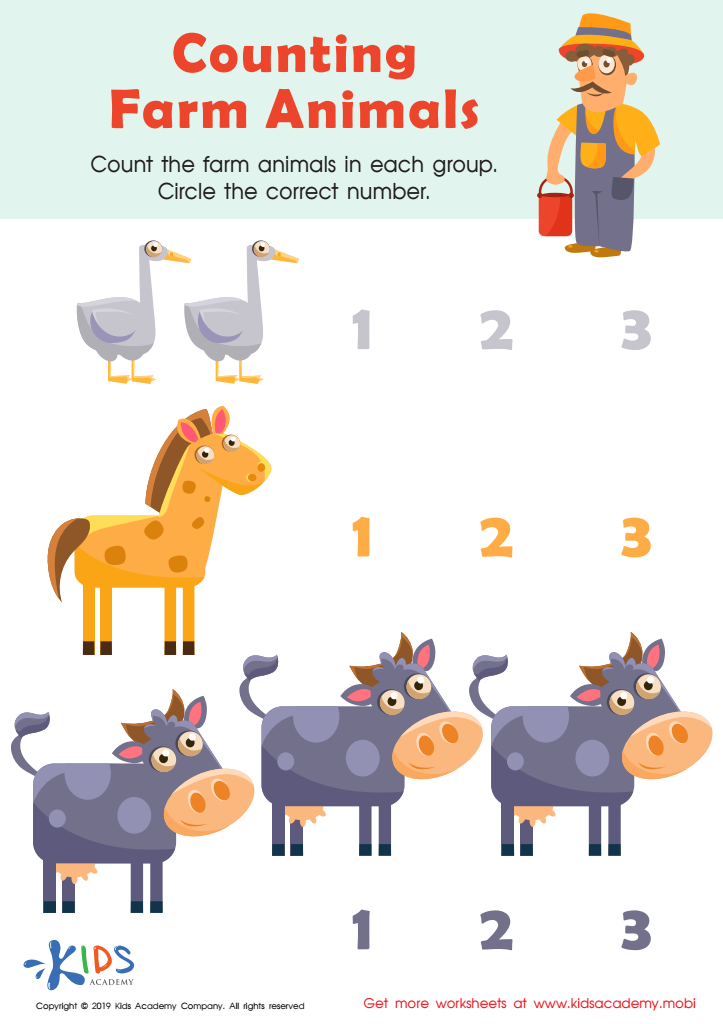
Counting Farm Animals Worksheet







Animal recognition normal math for 6-year-olds is essential for several reasons. First, it integrates foundational math skills with engaging real-world concepts, making learning tangible and relatable. By associating numbers and mathematical operations with animals, educators can create a playful environment that fosters curiosity and enthusiasm for math, a vital skill set.
Second, this approach enhances cognitive development. Recognizing animals requires children to classify and categorize, honing their analytical thinking skills. Through activities involving counting animals or solving simple addition and subtraction problems linked to animal themes, children build a solid understanding of numerical concepts.
Moreover, animal recognition promotes social and emotional learning. Children often feel a connection to animals, which can encourage collaboration when working in groups. This interactive learning atmosphere can enhance communication skills and strengthen peer relationships.
Lastly, understanding the natural world is crucial for fostering empathy and appreciation for biodiversity in young learners. It helps cultivate a sense of responsibility for the environment as children realize the importance of all living beings.
In summary, animal recognition normal math not only reinforces essential math skills but also develops critical thinking, encourages social interaction, and builds empathy, making it a significant focus for parents and teachers in early education.








