Improving counting skills Normal Math Worksheets for 6-Year-Olds
3 filtered results
-
From - To
Enhance your child's counting abilities with our engaging Normal Math Worksheets designed for 6-year-olds. These thoughtfully crafted worksheets focus on improving counting skills through fun and interactive activities. Your child will enjoy practicing numerical recognition, engaging in counting exercises, and applying their skills in an enjoyable context. Each worksheet is tailored to reinforce foundational math concepts, promoting confidence and proficiency in counting. Ideal for both classroom and home learning, these resources are perfect for early grade teachers and parents looking to support their child's mathematical journey. Start boosting your child's counting skills today with Kids Academy's quality worksheets!
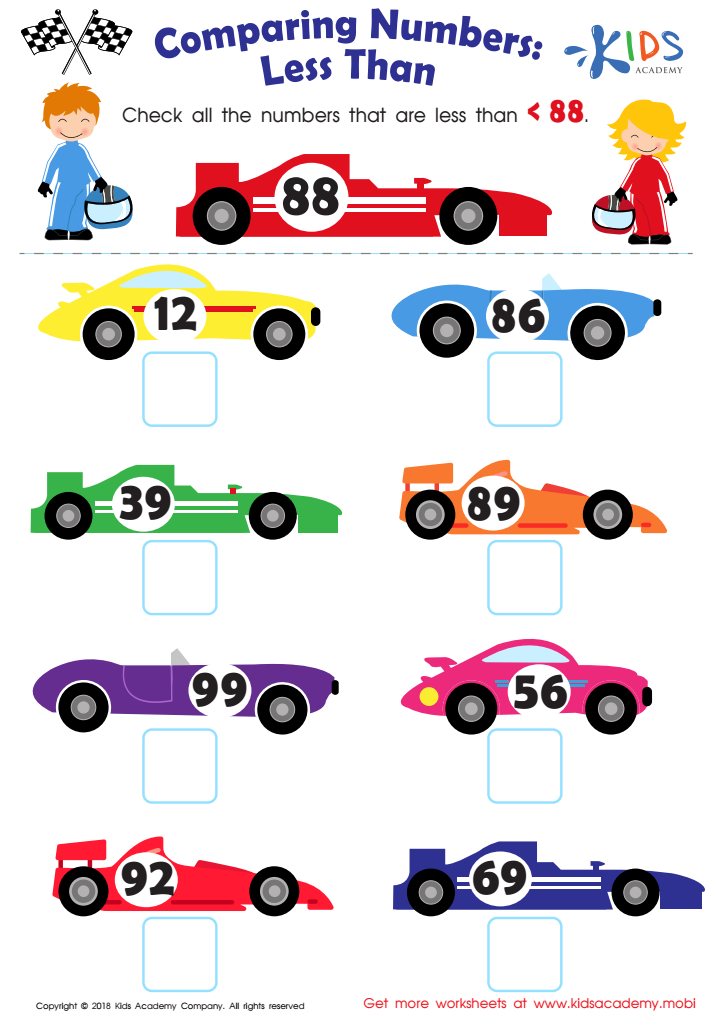
Less Than Worksheet
 Assign to My Students
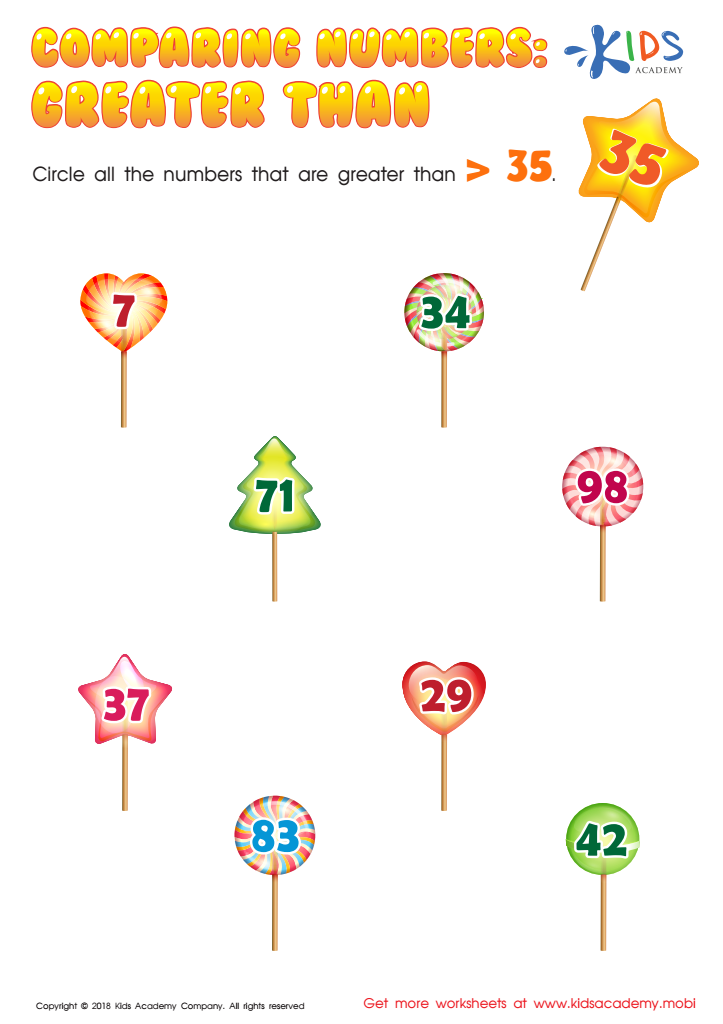
Greater Than Worksheet
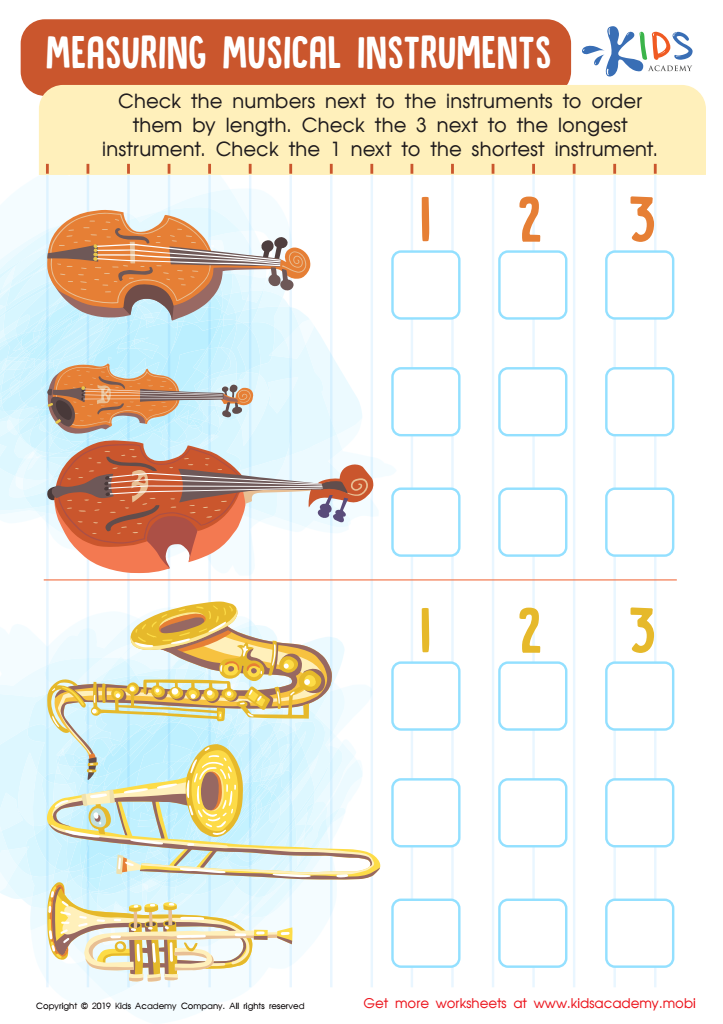
Measuring Musical Instruments Worksheet



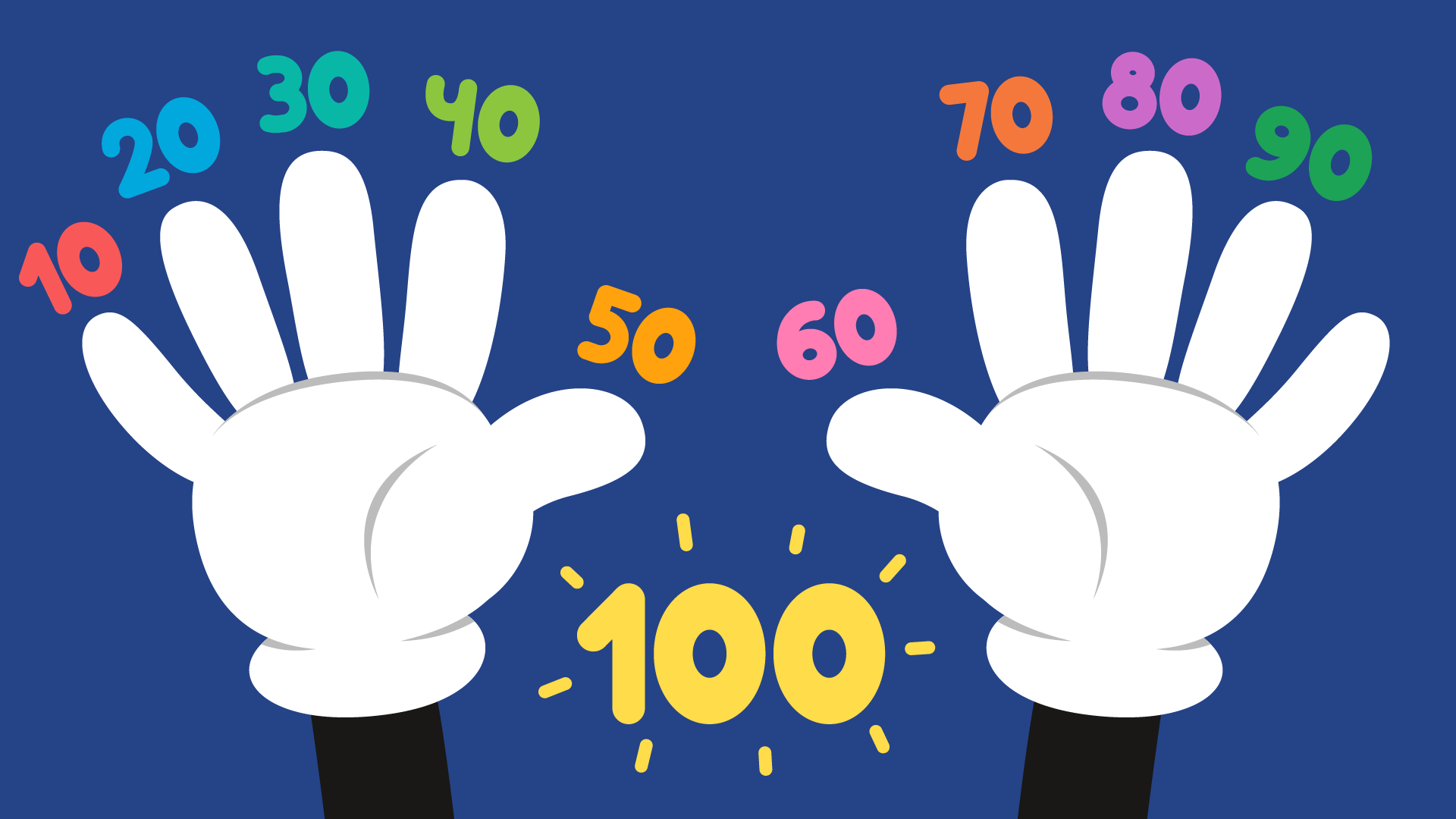




Improving counting skills in 6-year-olds is crucial for their mathematical development and overall cognitive growth. At this early age, children are building the foundational skills necessary for more complex math concepts. Mastery of counting allows them to understand number relationships, differentiate quantities, and develop mental math strategies.
Parents and teachers should care about enhancing these skills because early intervention can lead to greater success in later grades. Counting engages children in problem-solving and critical thinking; it helps them gain confidence in their abilities. Furthermore, strong counting skills are linked to better comprehension of addition and subtraction, which are essential for everyday tasks and future academic achievements.
Additionally, counting is a practical life skill. It enhances children’s ability to manage money, understand time, and follow daily sequences. By fostering these skills, parents and teachers not only support academic success but also prepare children for real-world situations.
Moreover, strengthening counting skills can promote a positive attitude toward math, combatting anxiety and resistance in later years. Engaging children in fun and interactive counting activities can cultivate a love for learning that permeates their educational journey, making it essential for parents and teachers to prioritize this fundamental skill development.








