Fine Motor Skills Normal Building Vocabulary Worksheets for 6-Year-Olds
6 filtered results
-
From - To
Boost your child's fine motor skills and vocabulary development with our specialized worksheets designed for 6-year-olds. Our expertly crafted exercises help young learners refine their hand-eye coordination while expanding their word bank. These engaging activities blend fun with foundational skills, supporting readability and comprehension. Perfect for classroom and home use, our worksheets lay the groundwork for continued academic success. Let your child embark on a journey of learning with our vibrant, interactive resources, tailored specifically for curious minds. Enhance both vocabulary and fine motor proficiency effortlessly with our trusted, child-friendly materials. Start your educational adventure today!
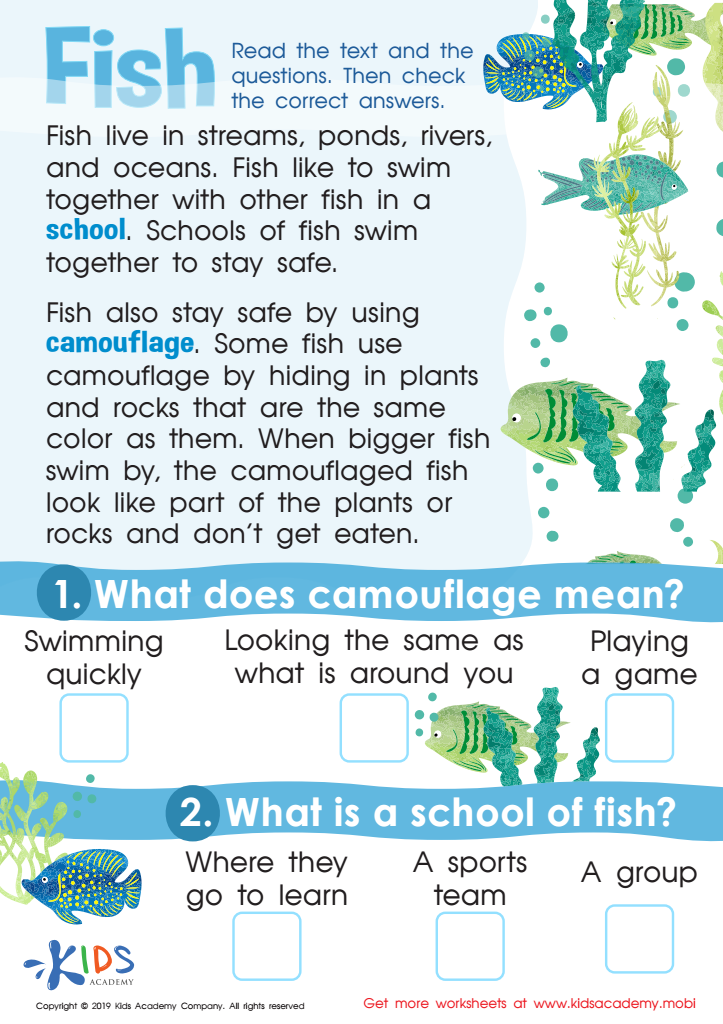
Fish Worksheet
 Assign to My Students











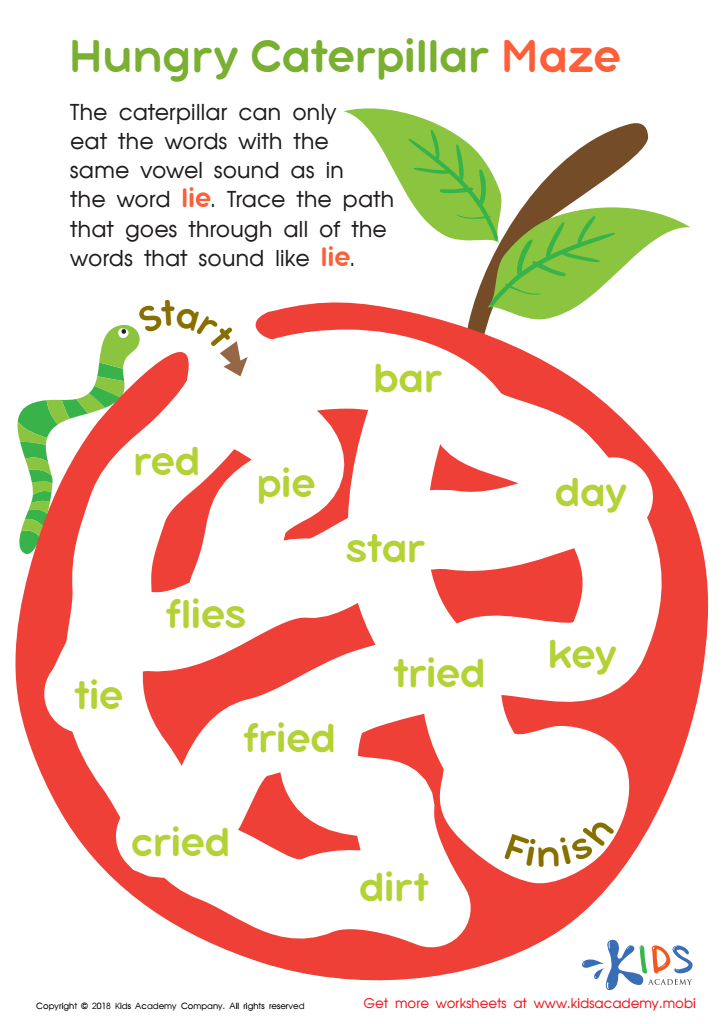
Hungry Caterpillar Maze Worksheet
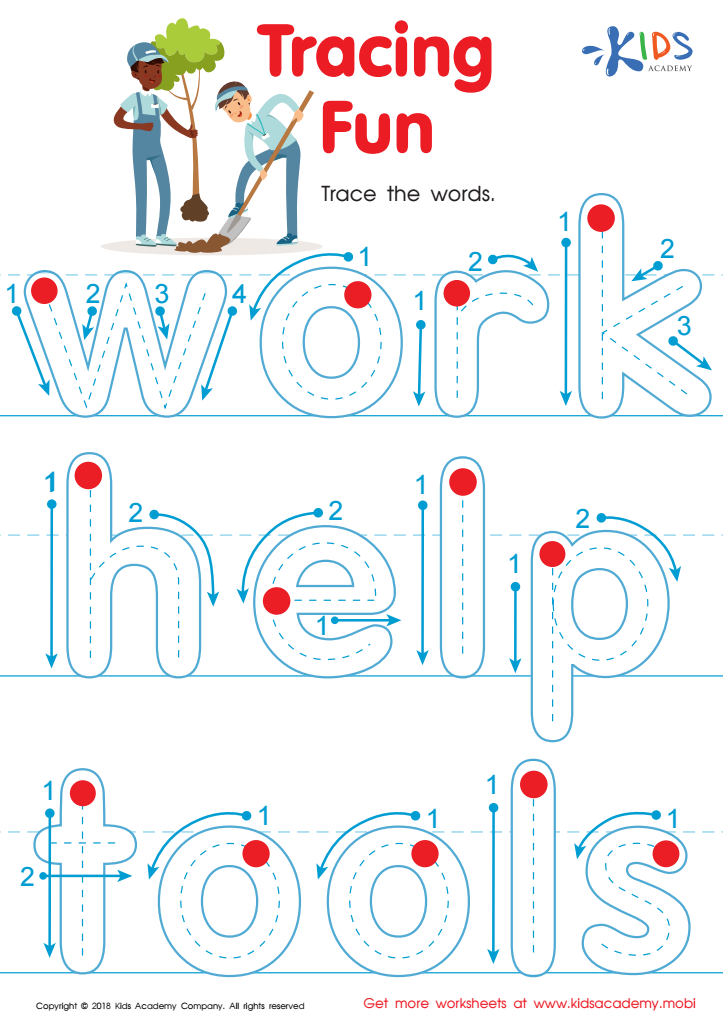
Tracing Fun Worksheet
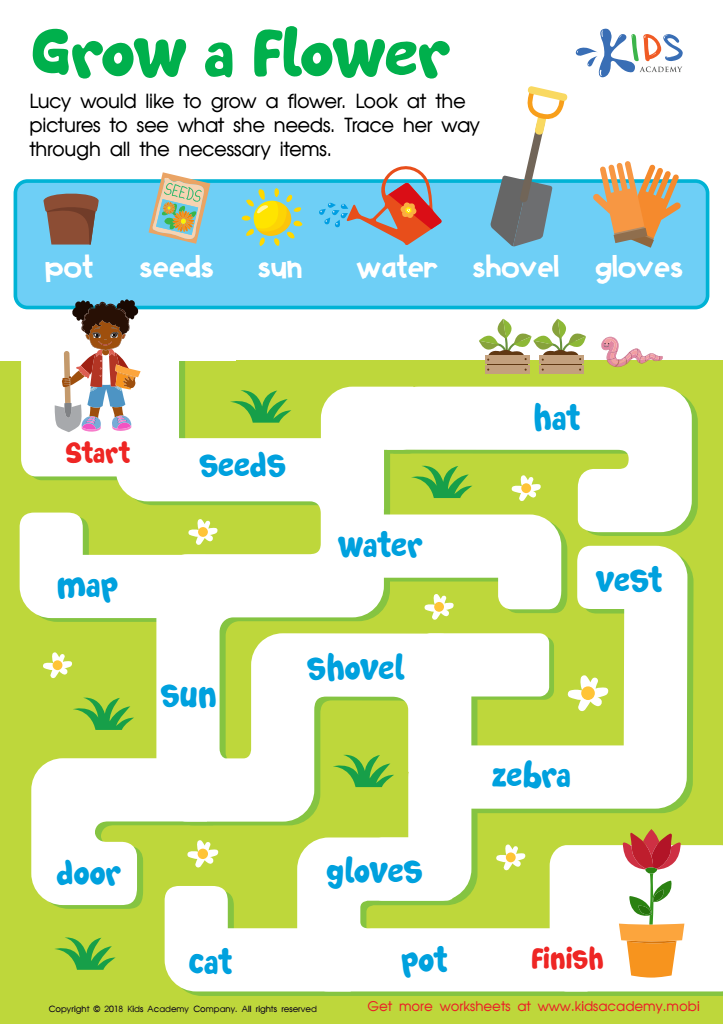
Grow a Flower Worksheet
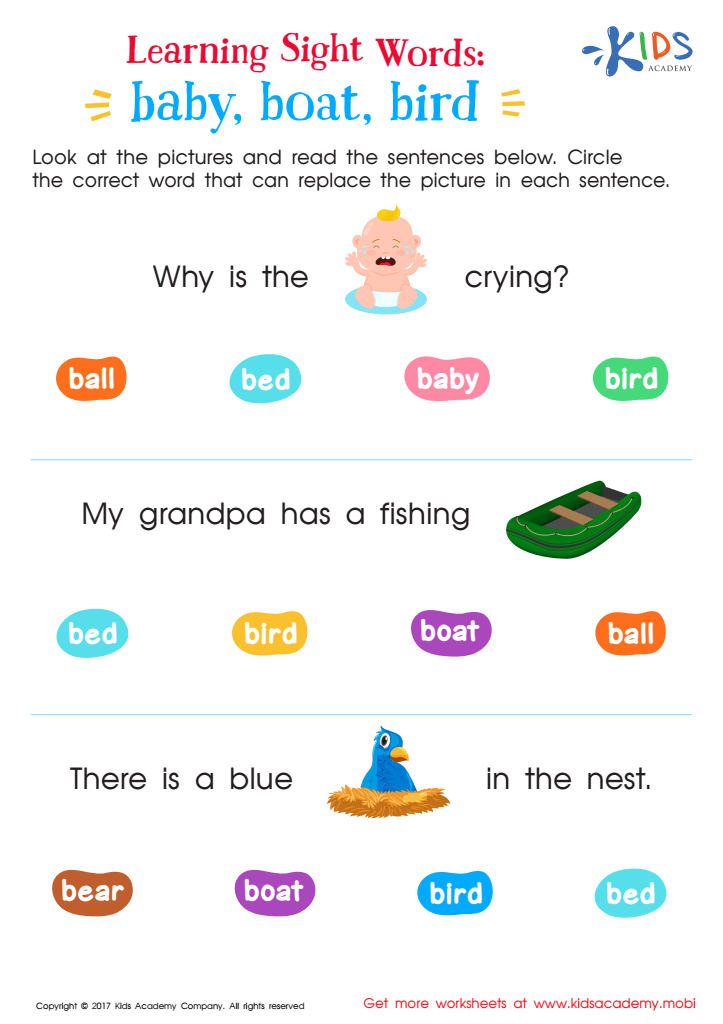
Baby, Boat, Bird Worksheet Sight Words Worksheet
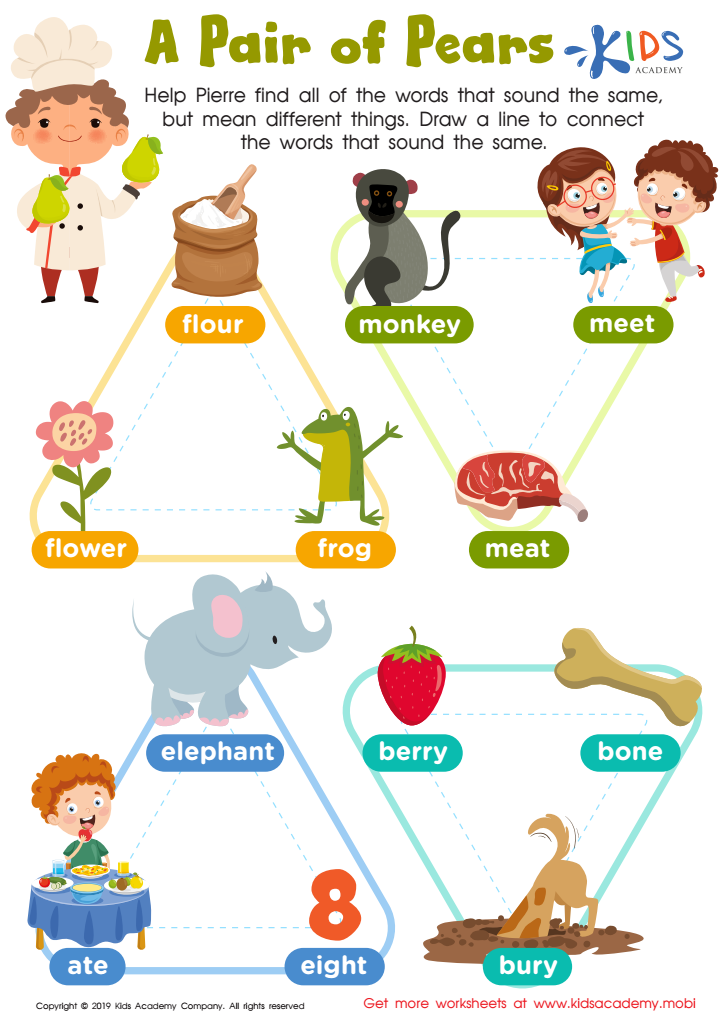
Pair Pears Worksheet





.jpg)


Parents and teachers play crucial roles in nurturing the development of fine motor skills and building a rich vocabulary in 6-year-olds. Fine motor skills, which involve the coordination of small muscles in movements like holding a pencil, cutting with scissors, or buttoning clothes, are essential for children's daily functioning and academic success. These skills lay the foundation for handwriting, a critical component of most educational activities. Children with strong fine motor skills often find it easier to focus on more complex tasks, enhancing their cognitive development and boosting their confidence.
Simultaneously, normal building vocabulary for 6-year-olds is paramount. This stage is a period of rapid language development, and a robust vocabulary enhances a child's ability to communicate effectively, understand instructions, and engage in imaginative play. A rich vocabulary is strongly correlated with reading comprehension and overall academic achievement. Engaging children in conversations, reading aloud, and introducing new words in context encourages linguistic growth and cognitive development.
Parents and teachers should therefore prioritize activities that support these areas. Simple yet effective strategies include puzzles, arts and crafts, and storytime. By fostering fine motor skills and building vocabulary, adults help set the stage for a child's successful and confident progression in both their educational journey and interpersonal interactions.








