Reading comprehension Normal Building Vocabulary Worksheets for 6-Year-Olds - Page 2
28 filtered results
-
From - To
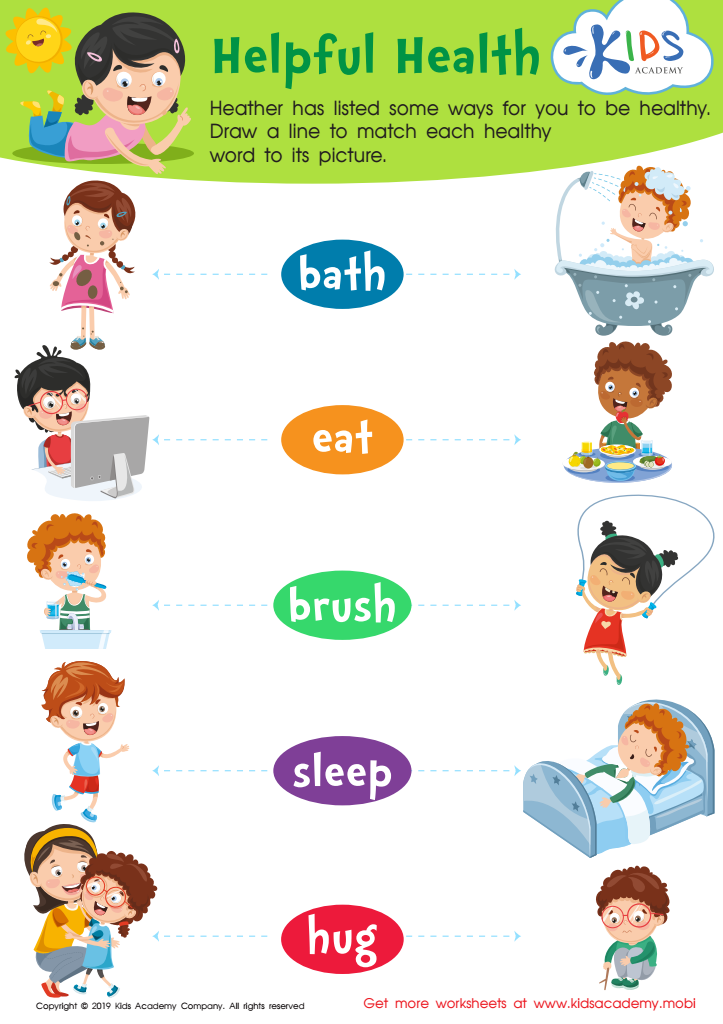
Helpful Health Worksheet
 Assign to My Students











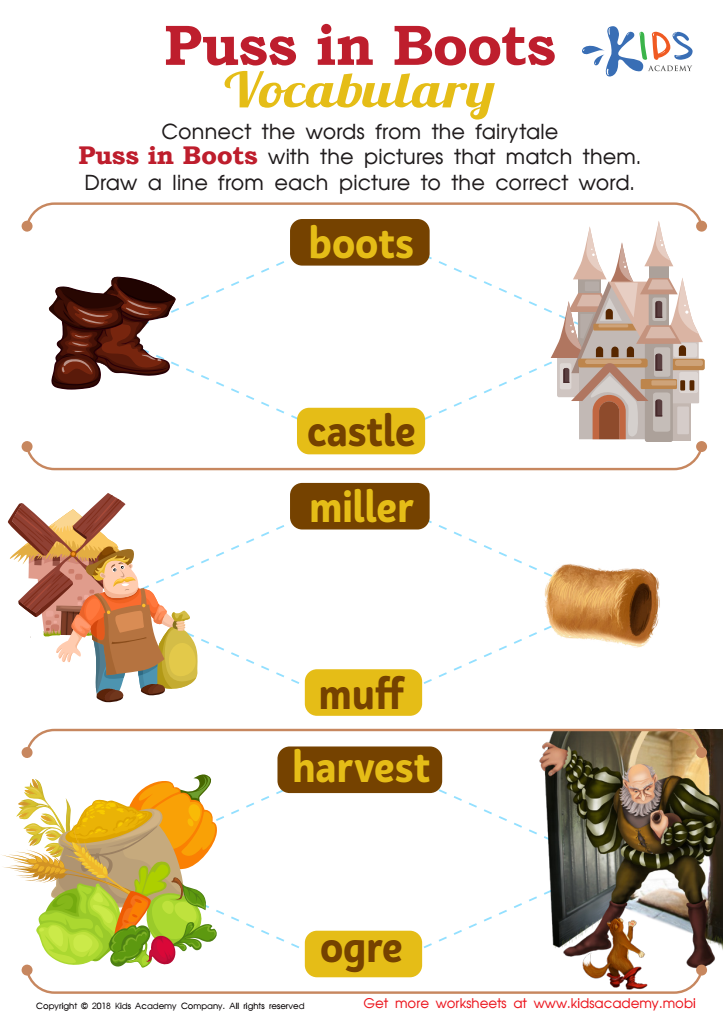
Puss in Boots Vocabulary Worksheet
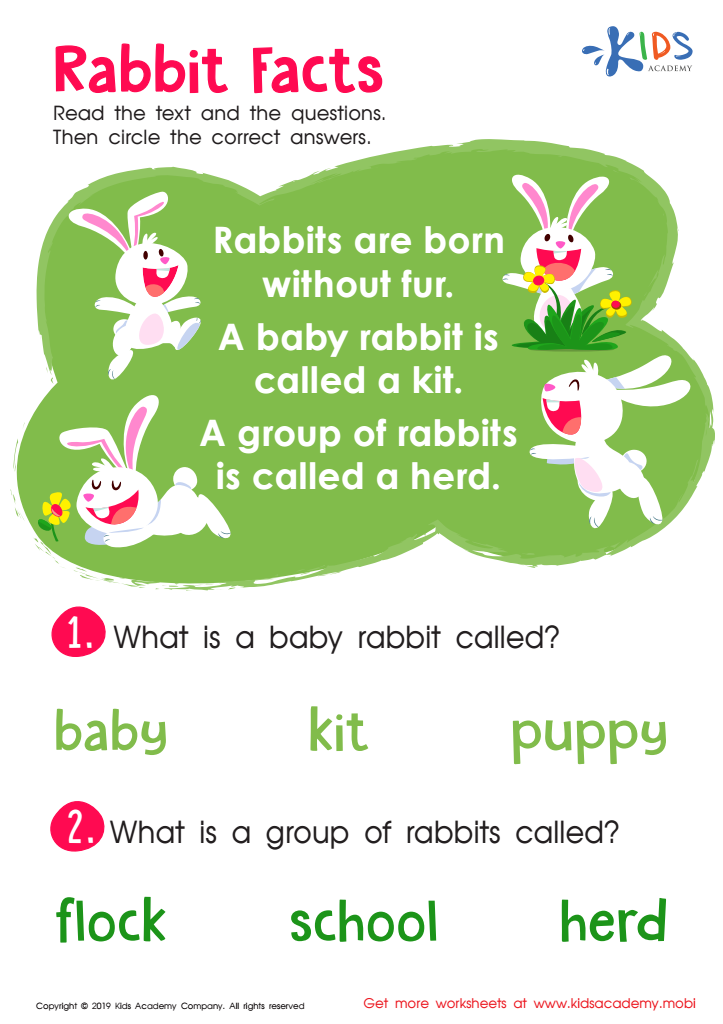
Rabbit Facts Worksheet
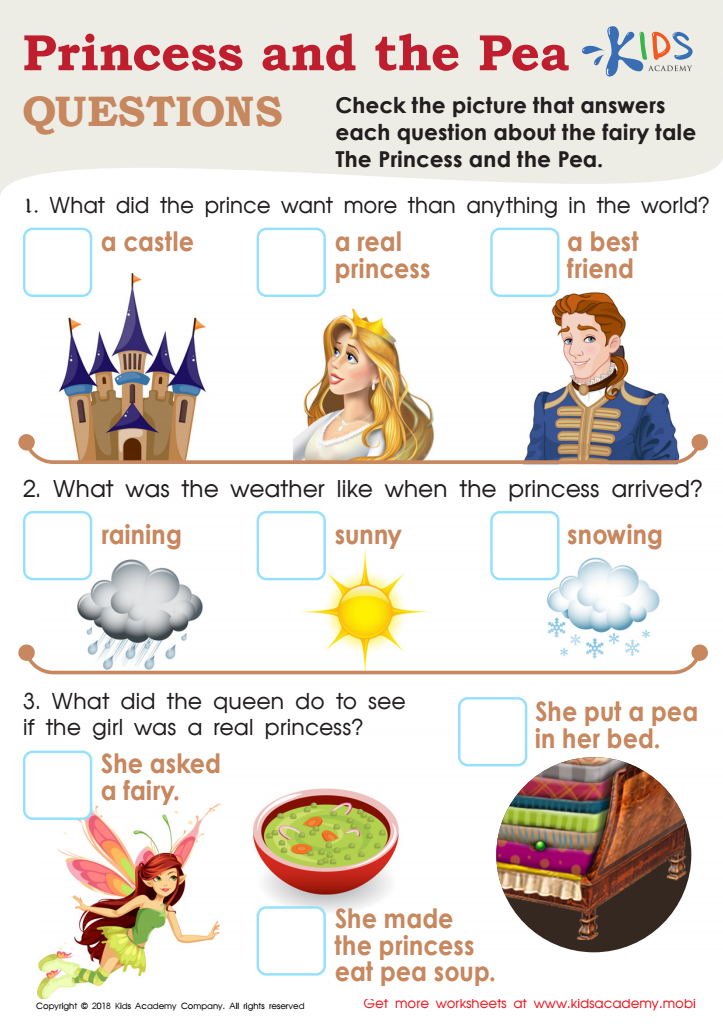
Princess and the Pea Questions Worksheet



.jpg)




Reading comprehension and vocabulary building are crucial for 6-year-olds as they serve as foundational skills for lifelong learning. At this age, children are transitioning from learning to read to reading to learn. A solid grasp of comprehension enables children to understand not just what words say, but what they mean and how they relate to one another. This understanding fosters critical thinking skills and promotes a love for reading.
Teaching children new words exponentially expands their ability to express ideas and emotions. Strong vocabulary allows them to engage in deeper conversations and understand a broader range of texts. When children encounter unfamiliar words, comprehension may falter, leading to frustrations that can dissuade them from reading altogether.
Moreover, a robust vocabulary supports academic success across all subjects. Many areas of learning—such as math, science, and social studies—benefit from language skills. For parents and teachers, nurturing reading comprehension and vocabulary in 6-year-olds is not just about reading; it is about creating confident, capable learners who can navigate an increasingly complex world. Engaging in activities that enhance these skills ultimately lays the groundwork for a child's future educational journey. Investing time in these areas pays off in developing not just skilled readers but also insightful, articulate individuals.








