Sound recognition Normal Reading Worksheets for 6-Year-Olds
3 filtered results
-
From - To
Discover our engaging Sound Recognition Normal Reading Worksheets designed specifically for 6-year-olds! These fun and interactive resources help young learners develop their listening and reading skills by identifying sounds associated with letters and words. Each worksheet features colorful illustrations and activities that encourage children to practice sound recognition in a playful manner. Ideal for home or classroom use, our worksheets foster phonemic awareness and boost confidence in reading. Whether your child is preparing for school or simply exploring the world of words, these sound recognition practice activities provide the perfect blend of learning and enjoyment. Start your child's reading journey today!
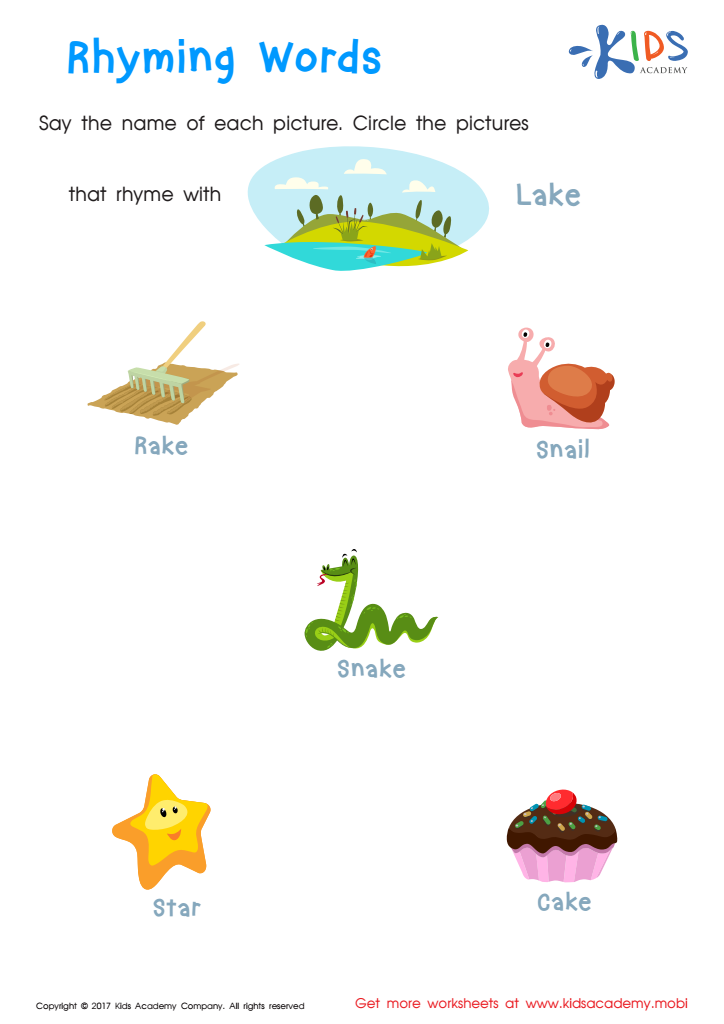
Rhyming Words Rhyming Worksheet
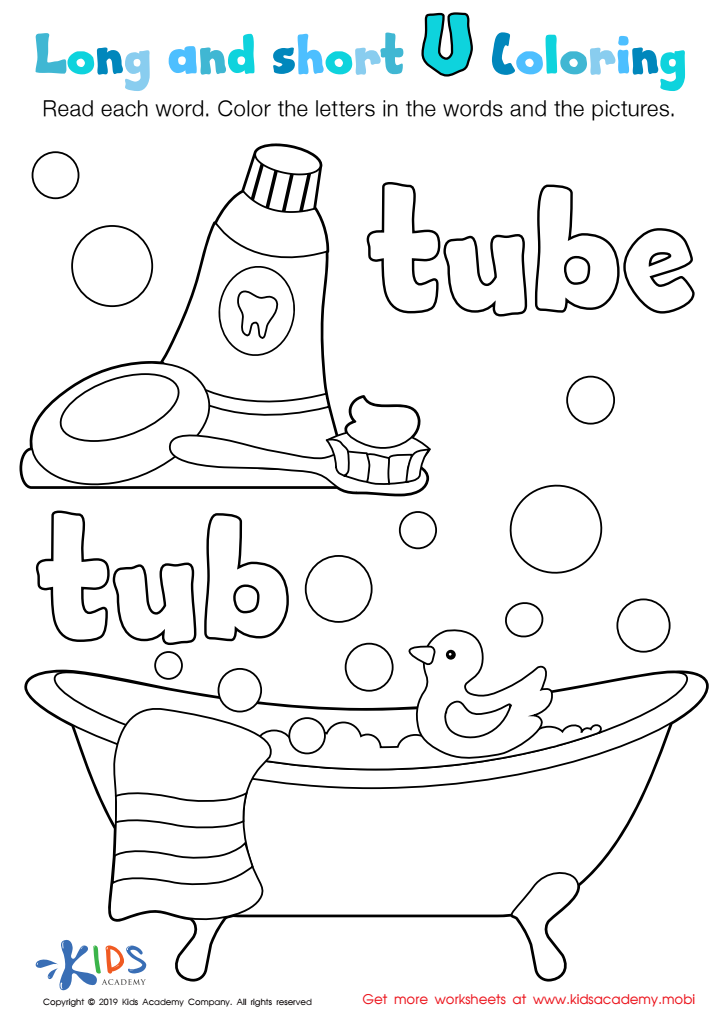
Long and Short U Worksheet
 Assign to My Students
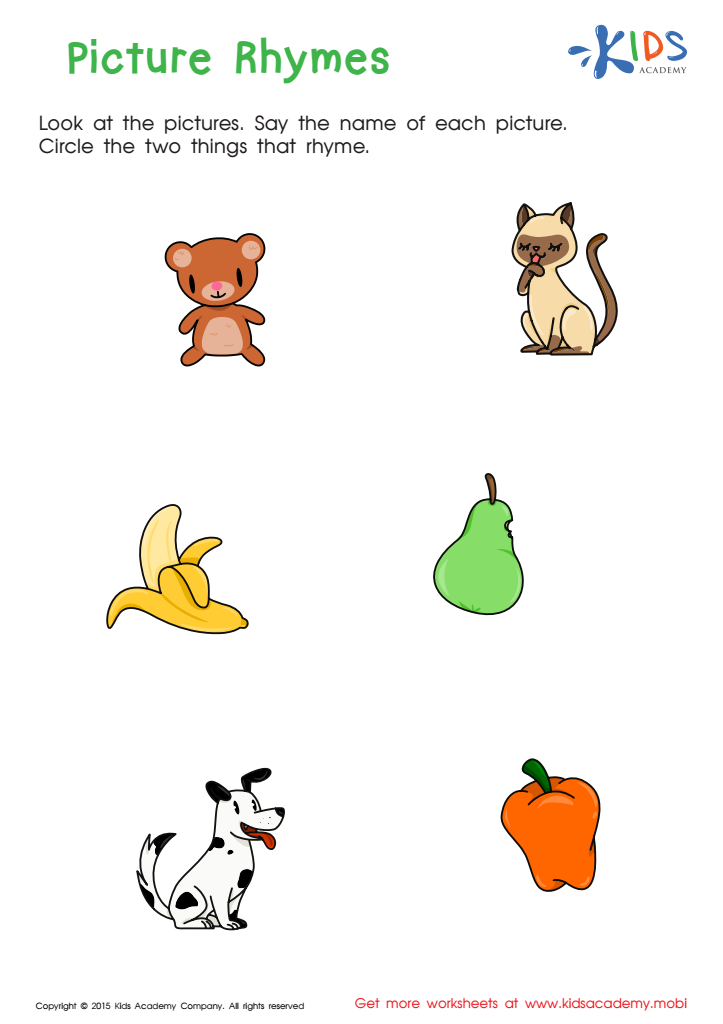
First Words: Picture Rhymes Worksheet








Sound recognition, or phonemic awareness, is crucial for 6-year-olds as it lays the foundation for successful reading and writing. At this age, children are typically ready to transition from pre-reading skills to actual reading. Recognizing sounds helps them break words into individual phonemes, making it easier to decode unfamiliar words.
Parents and teachers should care because good sound recognition skills facilitate more fluent reading, enhance vocabulary development, and improve comprehension. When children can identify and manipulate sounds, they become more confident in their ability to read, which boosts their overall academic performance and fosters a love for learning.
Additionally, sound recognition supports spelling and writing skills. It allows children to understand how letters and sounds correspond, making it easier for them to write words correctly.
Moreover, early intervention is critical; struggles with sound recognition can lead to broader literacy challenges. By prioritizing sound recognition activities, such as rhymes and phonics games, both parents and educators can create a rich literacy environment that nurtures emerging readers. Ensuring children develop these fundamental skills helps set them on a path to lifelong literacy, enabling them not only to read effectively but also to engage critically with their world.








