Vocabulary enhancement Normal Animals Worksheets for 6-Year-Olds
6 filtered results
-
From - To
Welcome to our Vocabulary Enhancement Worksheets for 6-Year-Olds, focusing on normal animals! These engaging printable worksheets are designed to help young learners expand their vocabulary while exploring the fascinating world of animals. Through fun and interactive activities, children will identify, describe, and categorize various animals, enhancing their language skills in an enjoyable way. Our thoughtfully crafted exercises not only promote vocabulary development but also encourage critical thinking and creativity. Perfect for home or classroom use, these worksheets provide a wonderful opportunity for kids to learn while playing with words and discovering the animal kingdom. Start building connections and vocabulary today!
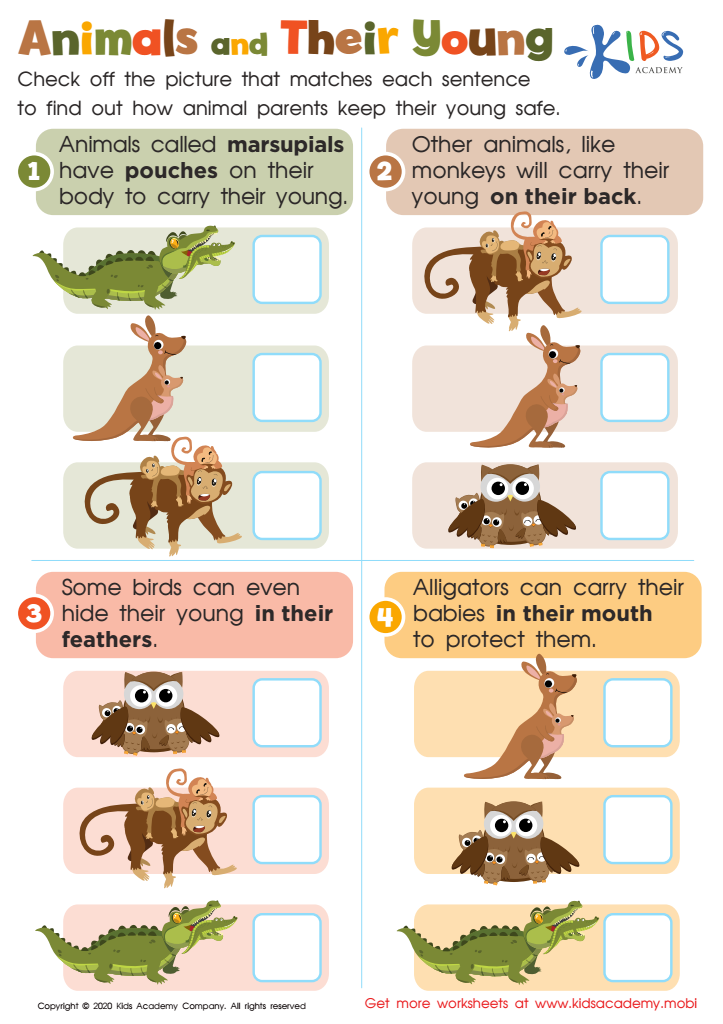
Animals and Their Young Worksheet
 Assign to My Students
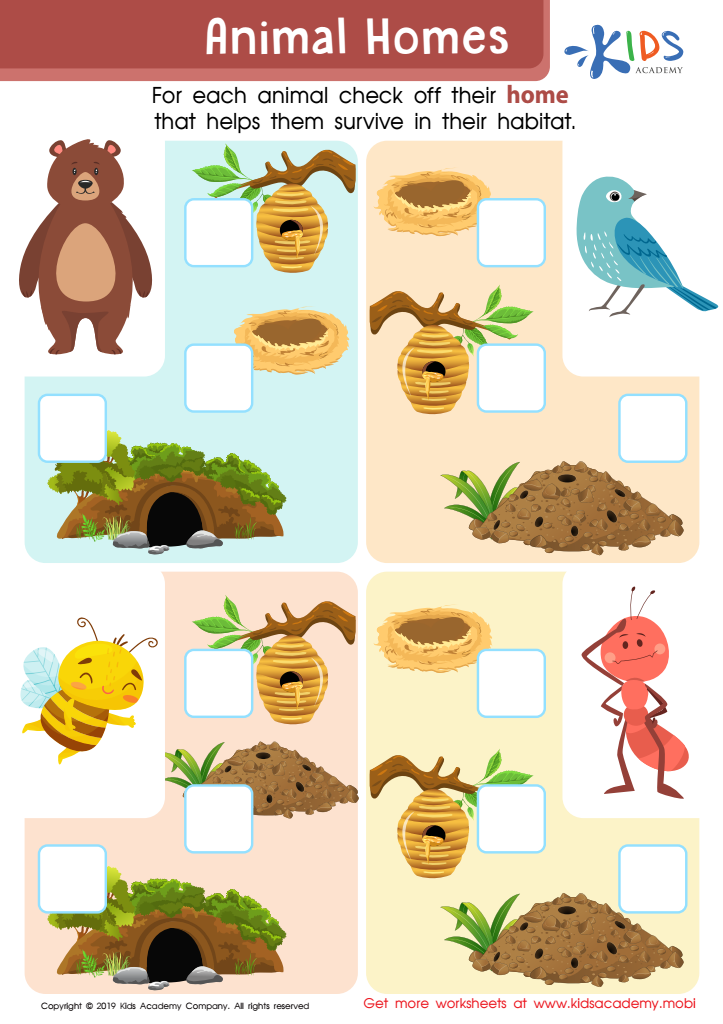
Animal Homes Worksheet
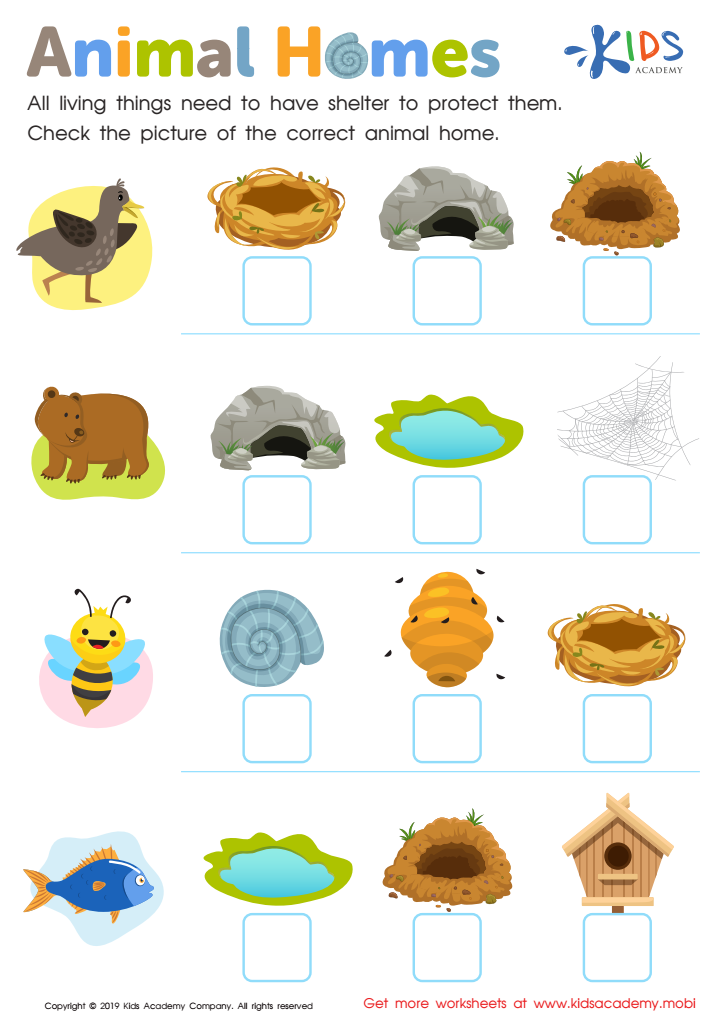
Animal Homes Worksheet
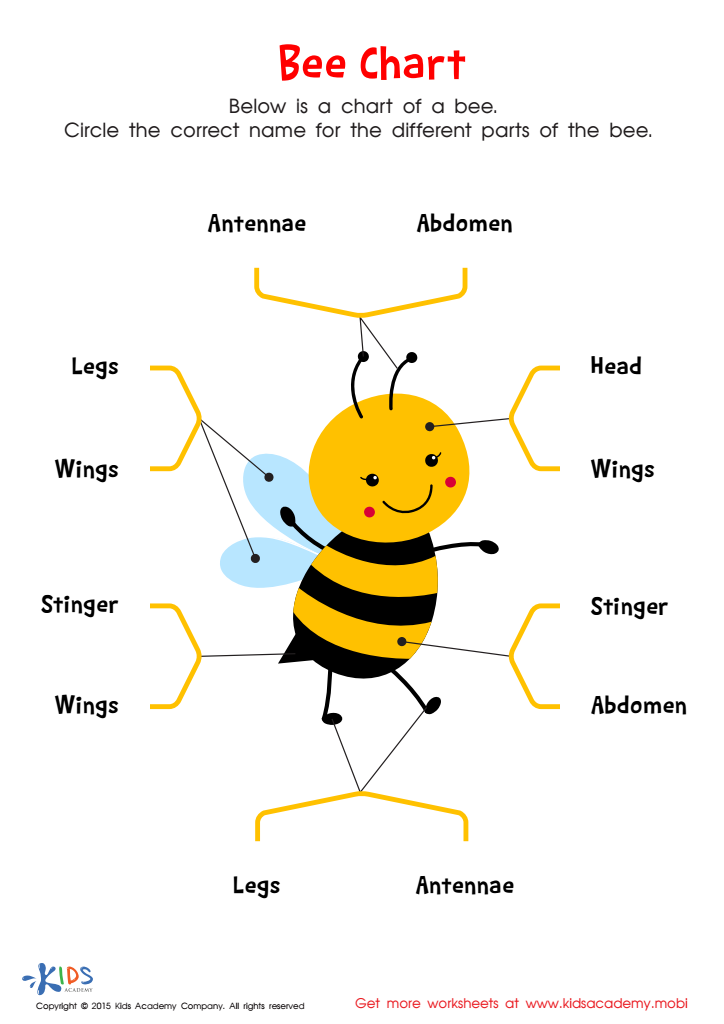
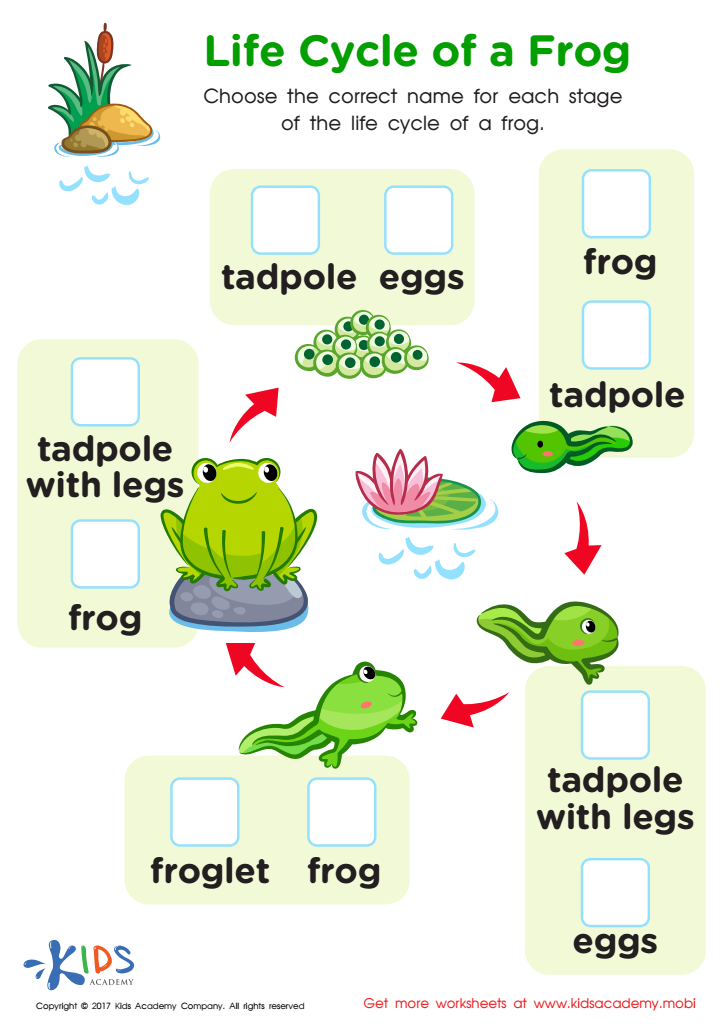
Life Cycle Frog Printable
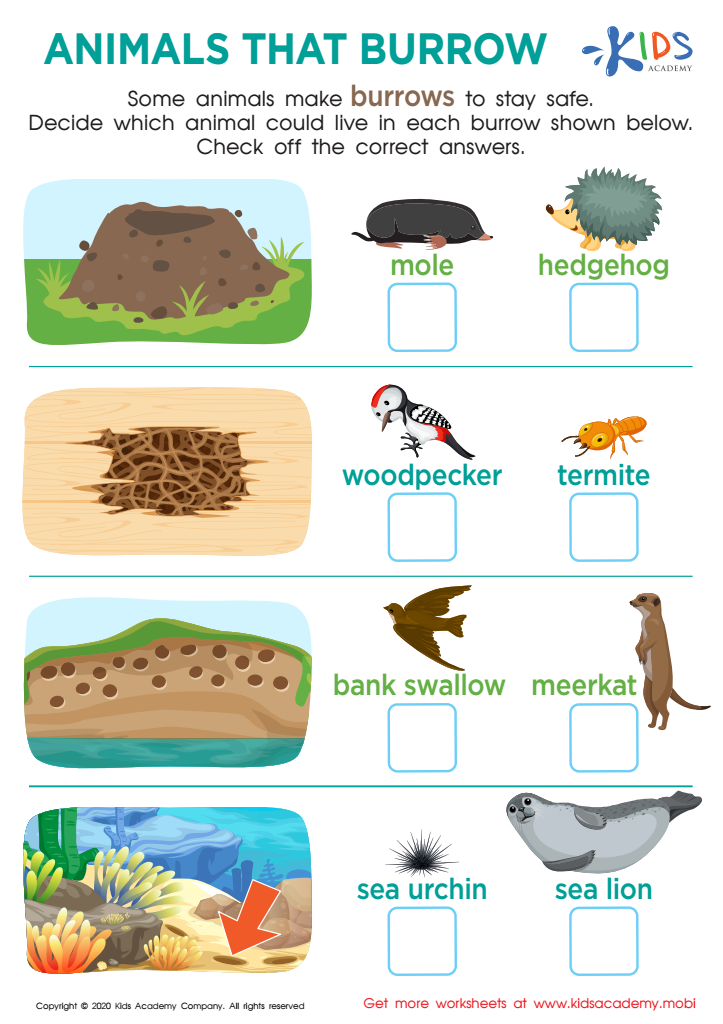
Animals That Burrow Worksheet






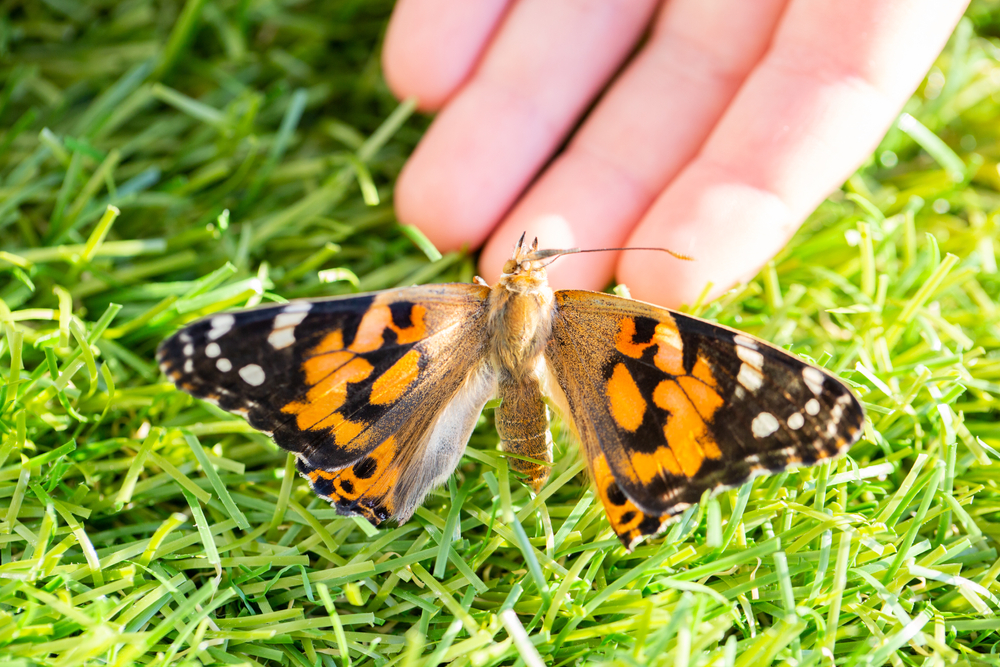

Vocabulary enhancement is crucial for 6-year-olds, especially when learning about normal animals. At this stage of development, children are eager to explore the world around them and make sense of it through language. By introducing vocabulary related to animals, parents and teachers provide young learners with the tools to express their observations and emotions effectively.
As children expand their vocabulary, they also improve their reading comprehension and communication skills. Knowledge of animal-related words helps them understand stories, engage in discussions, and participate in educational activities, fostering a love for learning. Moreover, an enriched vocabulary aids in cognitive development, as children learn to categorize and think critically about different species and their habitats.
Additionally, discussions about normal animals can prompt conversations about empathy, responsibility, and conservation. By learning specific terms, such as "habitat," "diet," and "behavior," children not only increase their linguistic abilities but also begin to appreciate ecological concepts and the importance of wildlife.
In summary, vocabulary enhancement tied to normal animals supports essential language development, boosts academic performance, inspires curiosity, and nurtures a sense of environmental stewardship, making it a vital focus in early education.








