Categorization skills Normal Science Worksheets for 6-Year-Olds
4 filtered results
-
From - To
Nurture your child's scientific curiosity with our Categorization Skills Worksheets designed for 6-year-olds. These engaging and age-appropriate activities bolster foundational science skills by helping young learners understand how to classify and group objects based on various characteristics. From sorting animals to organizing plant types, each worksheet encourages critical thinking and enhances observational skills. Perfect for classroom use or at-home learning, these printables make mastering new concepts fun and interactive. Support your child's educational journey and build a strong science foundation with our expertly crafted Categorization Skills Worksheets at Kids Academy.
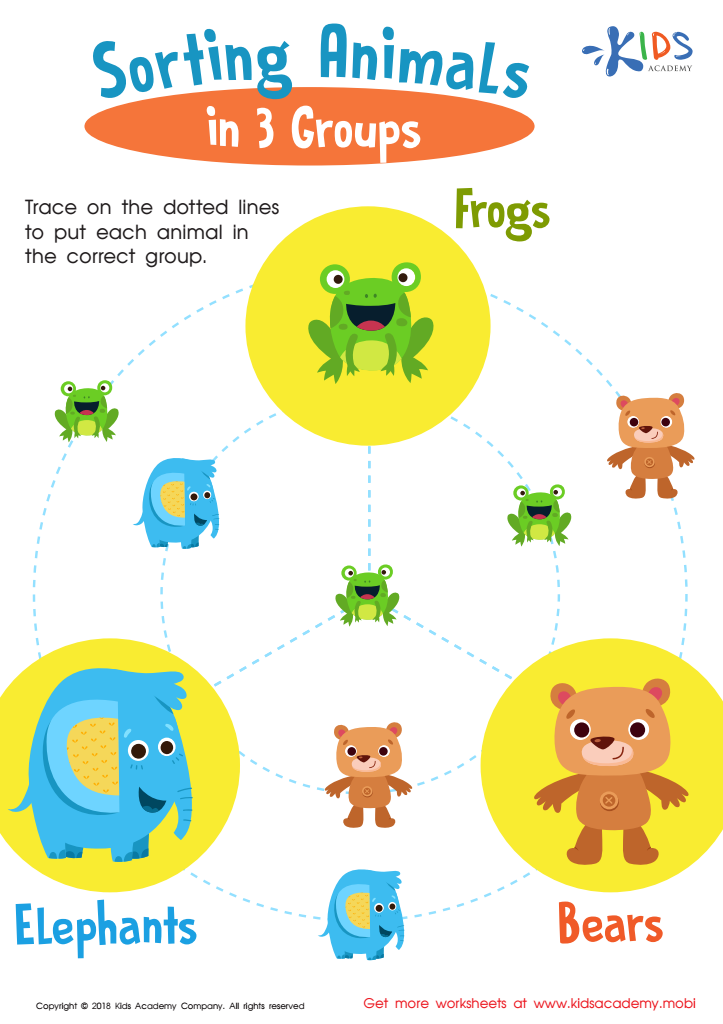
Sorting Animals in 3 Groups Worksheet
 Assign to My Students
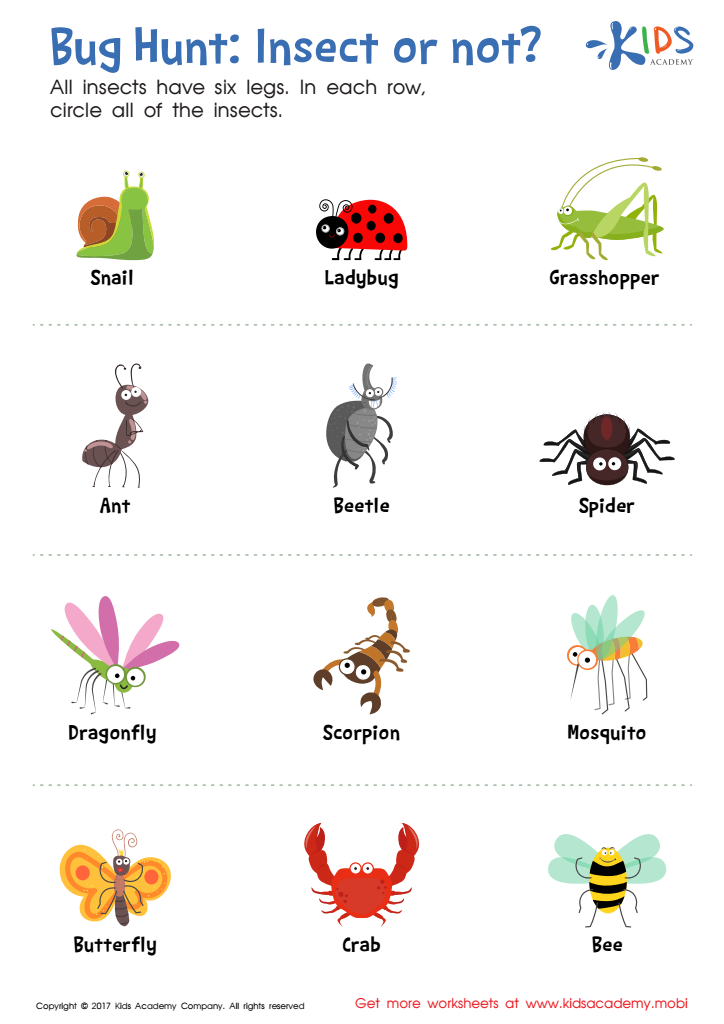
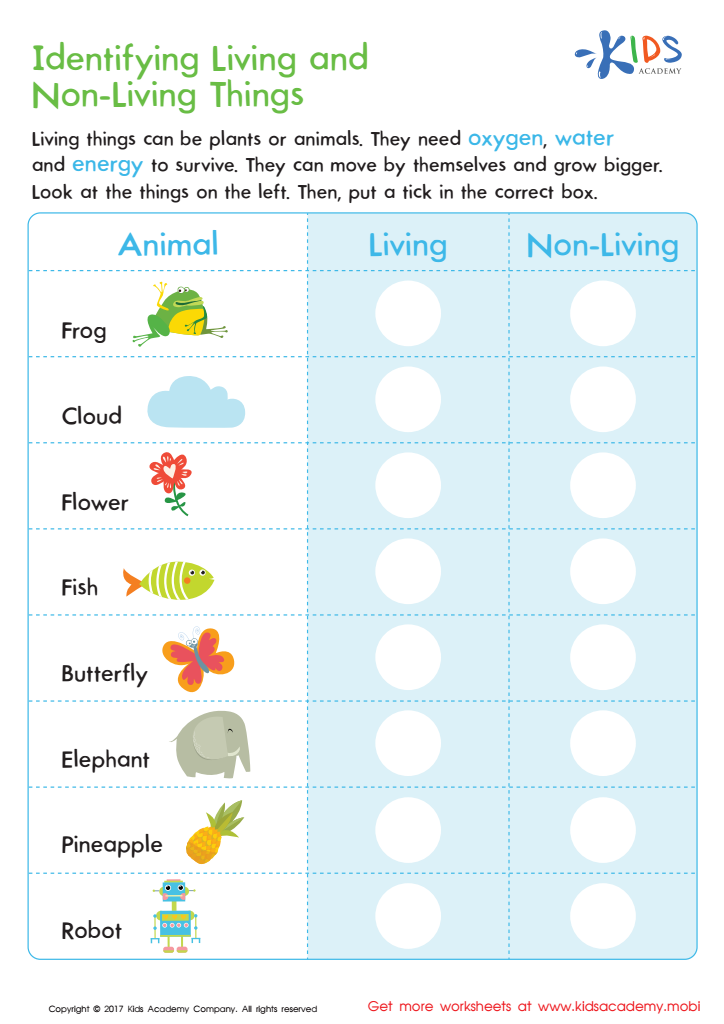
Identifying Living or Non–living Worksheet
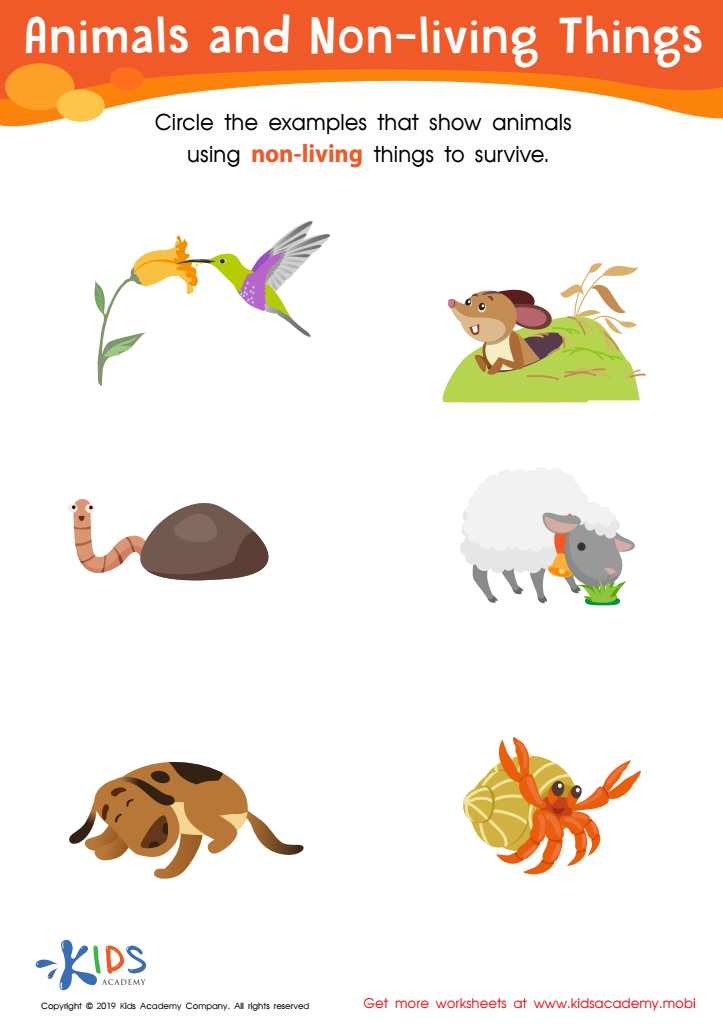
Animals and Non-Living Things Worksheet








Categorization skills are crucial in early childhood development, particularly for 6-year-olds, as these skills lay the foundation for more complex cognitive abilities. For parents and teachers, fostering categorization skills has several significant benefits. At this age, children start to make sense of the world around them by grouping objects, ideas, and information into categories. This process not only helps them understand their environment better but also enhances their memory and retrieval abilities. When children can categorize effectively, they can more easily grasp and retain new concepts, directly influencing their academic success.
In terms of normal science education, categorization helps children understand and organize information related to nature, animals, plants, and other scientific concepts. By categorizing, children learn to observe similarities and differences, make predictions, and draw connections between disparate pieces of information. For instance, when learning about animals, children who can categorize can distinguish between mammals, birds, and reptiles better and understand their characteristics.
Furthermore, strong categorization skills also improve language development. Children become adept at describing their categories and the rationale behind them, which in turn boosts their communication abilities. Encouraging these skills early sets the stage for ongoing academic achievement, critical thinking, and problem-solving, making it an indispensable focus for both parents and teachers.







