Filters

9 filtered results

Clear all filters
Favorites
With answer key
Interactive

9 filtered results

Difficulty Level

Grade


Enhance your 6-year-old's critical thinking skills with our engaging Normal Science Worksheets! Designed specifically for early learners, these fun and interactive worksheets encourage children to explore scientific concepts through observation, reasoning, and problem-solving. Each worksheet fosters curiosity and comprehension, allowing kids to make connections and think independently. Perfect for in-class or at-home learning, our resources promote critical thinking abilities while introducing essential science topics. Dive into a world of discovery and help your child build a strong foundation for future learning. Download our Critical Thinking Normal Science Worksheets today and watch their confidence and skills soar!

Check out this FREE Trial Lesson on Science for age 6!

Sorting Objects into 3 Categories

Favorites
With answer key
Interactive
  • 6
  • Critical Thinking
  • Science
  • Normal
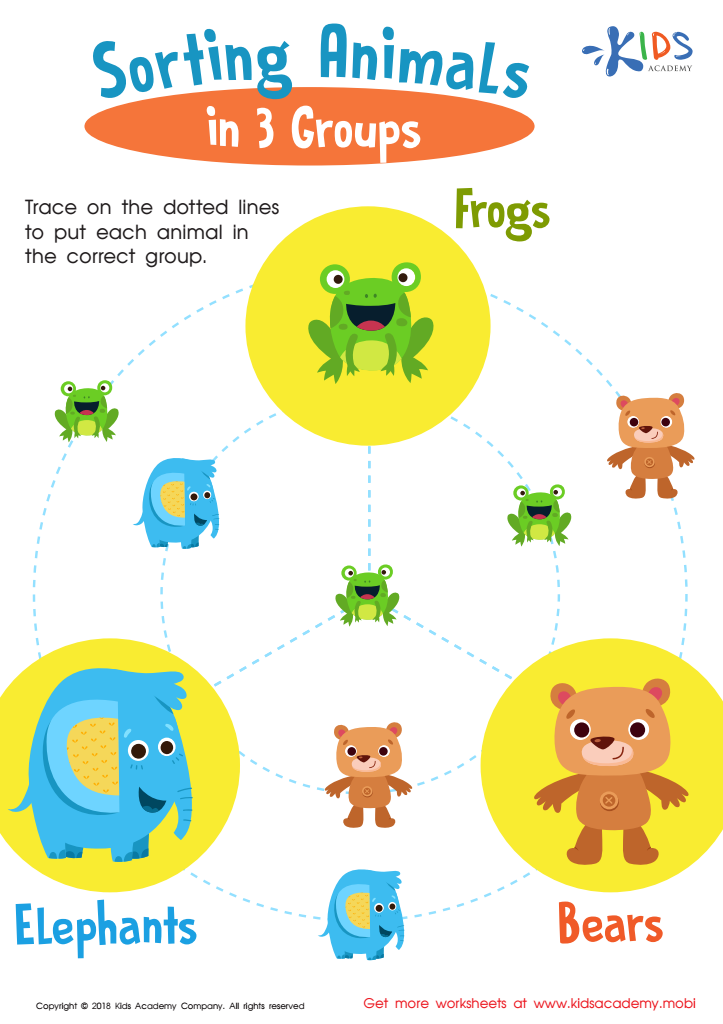
Sorting Animals in 3 Groups Worksheet

Sorting Animals in 3 Groups Worksheet

Let your kids practice and build skills for future Venn Diagrams with this PDF worksheet. They'll trace lines to match and group animals, and learn the differences and similarities of animals by categorizing with pictures and words. Plus, it's a great way to develop fine motor skills.
Sorting Animals in 3 Groups Worksheet
Worksheet
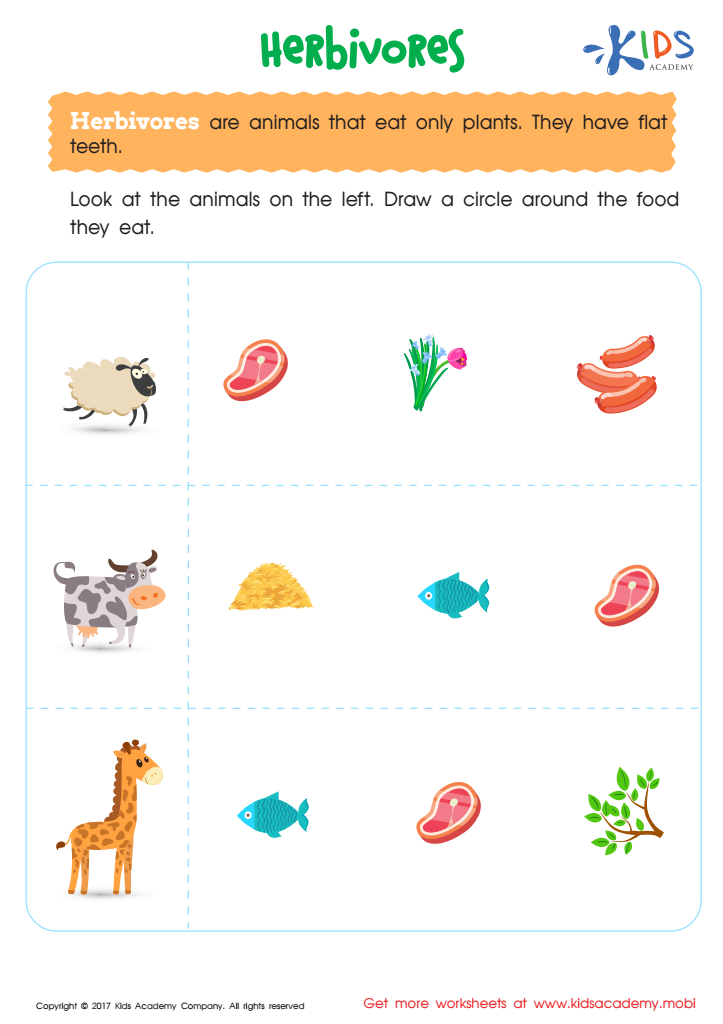
Herbivorous animals worksheet

Herbivores Printable

Strengthen their vocab with these fascinating creatures, as they explore an intriguing aspect of beloved animals.
Herbivores Printable
Worksheet
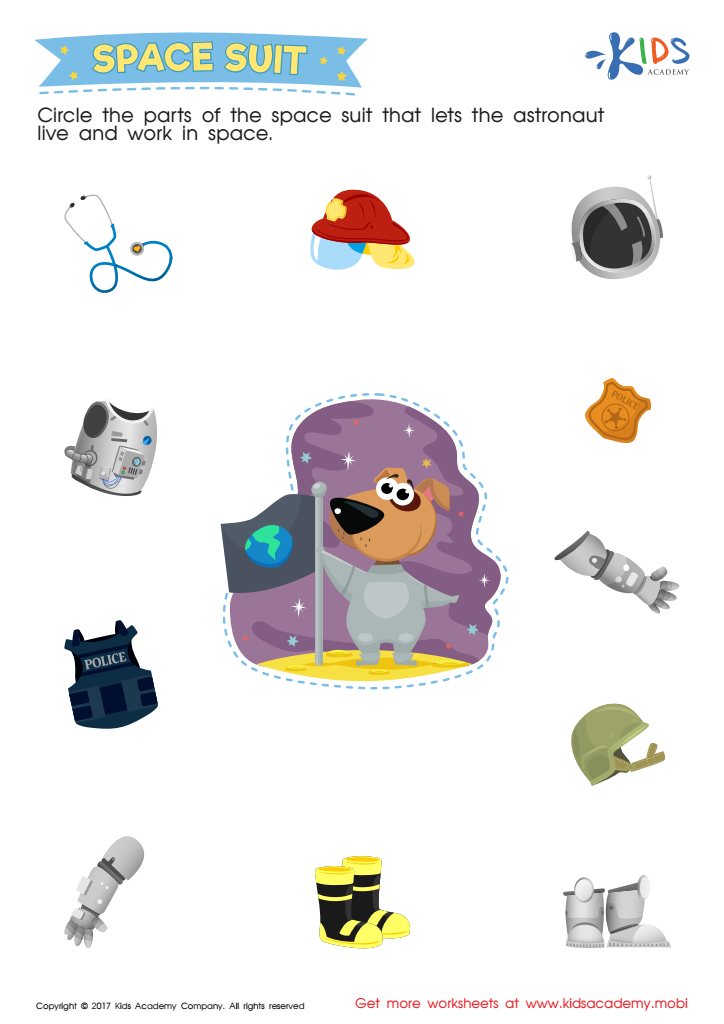
Space Suit Printable Worksheet

Space Suit Printable

Space Suit Printable
Worksheet
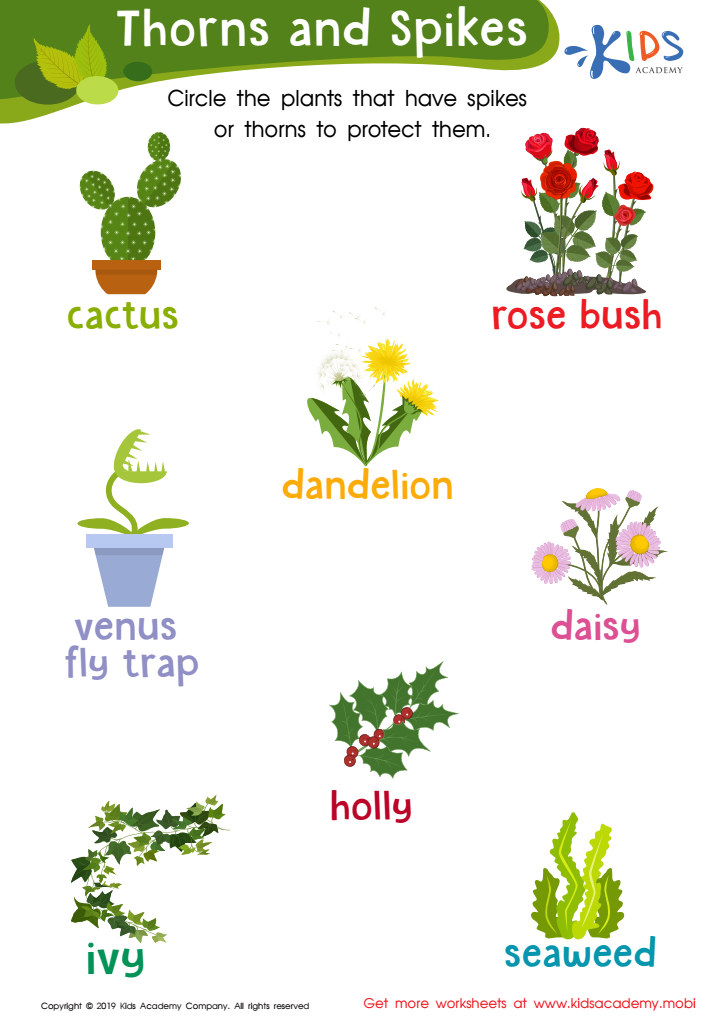
Thorns and Spikes Worksheet

Thorns and Spikes Worksheet

Can your students name and identify the plants and flowers in this worksheet? Ask them to read out the names and circle the ones with spikes or thorns. Help them appreciate nature's beauty and understand how plants protect themselves.
Thorns and Spikes Worksheet
Worksheet
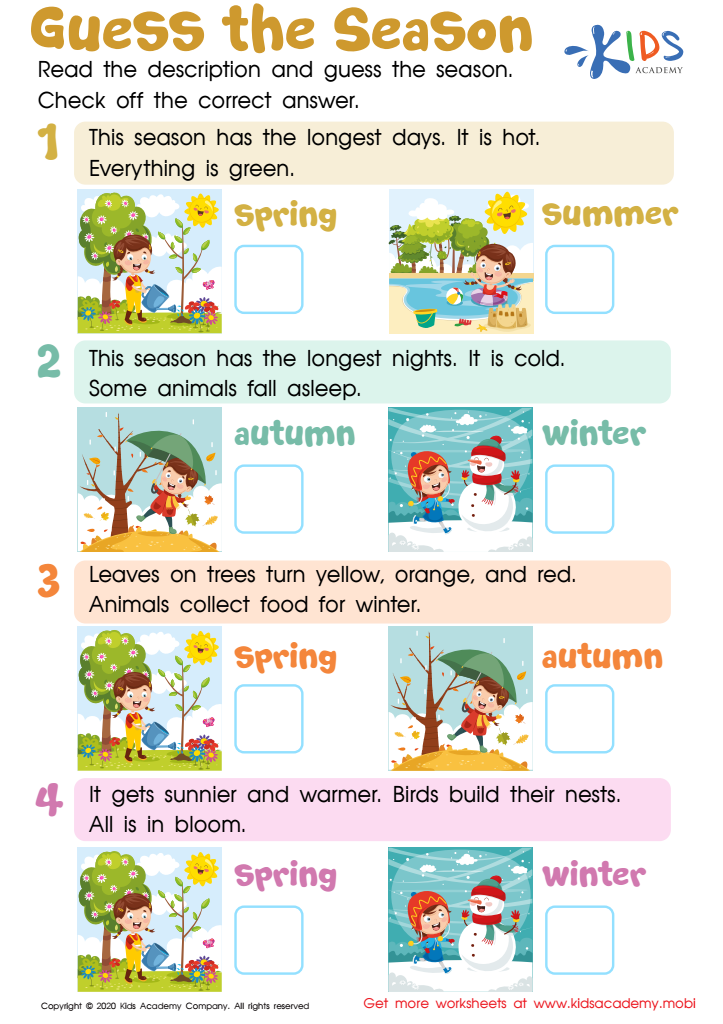
Guess the Season Worksheet

Guess the Season Worksheet

Winter and summer bring different weather! Help kids recognize the changes with this free Kids Academy PDF worksheet. Students read each description, look at the pictures, and check the box next to the season depicted. Make learning fun and easy with interactive activities.
Guess the Season Worksheet
Worksheet
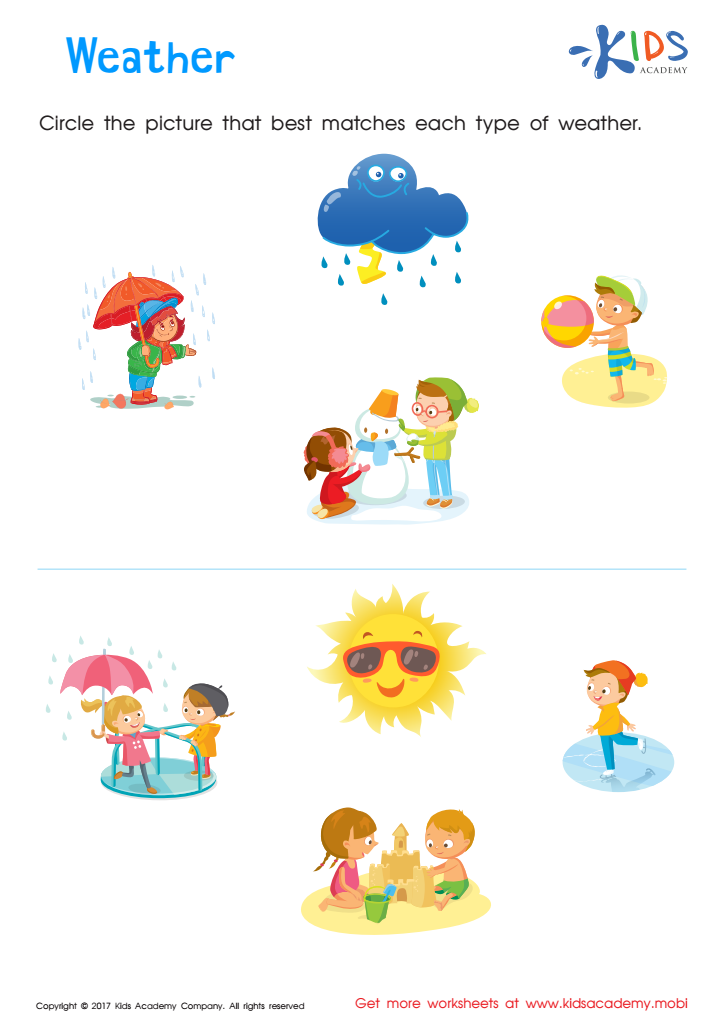
Types of Weather Worksheet

Weather Worksheet

Weather Worksheet
Worksheet
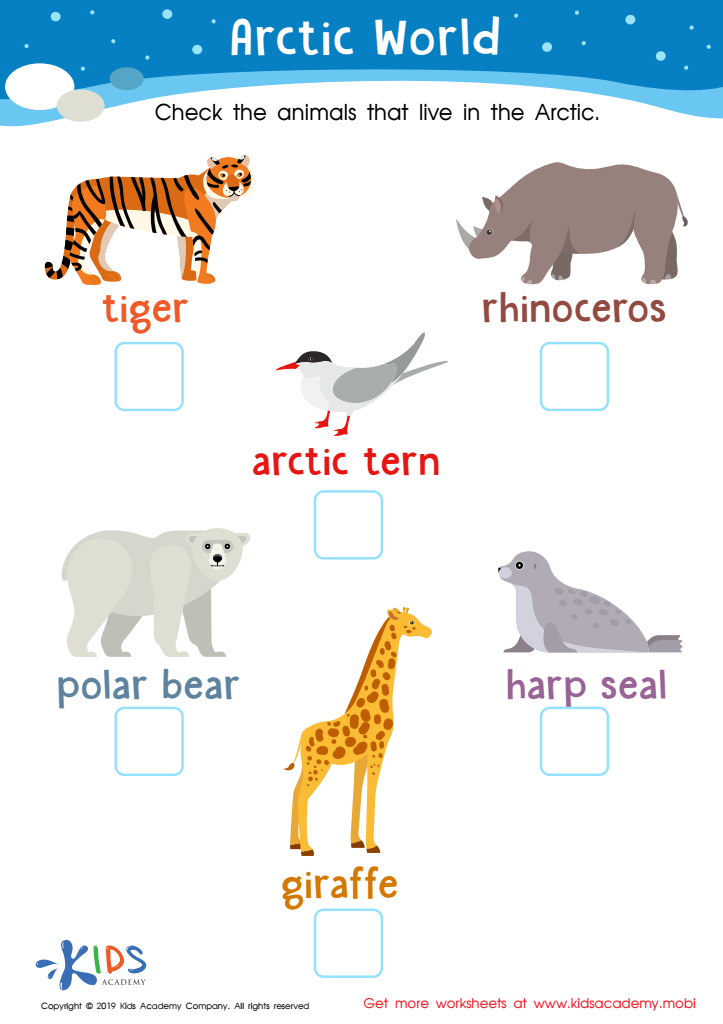
Arctic World Worksheet

Arctic World Worksheet

Ask your students if they know where the Arctic is located and what lives there. If not, use a world atlas to show them. The Arctic is very cold and snow-covered; native animals have adapted to survive the harsh conditions. Look at the animals in the worksheet and help your students decide which ones live in the Arctic.
Arctic World Worksheet
Worksheet
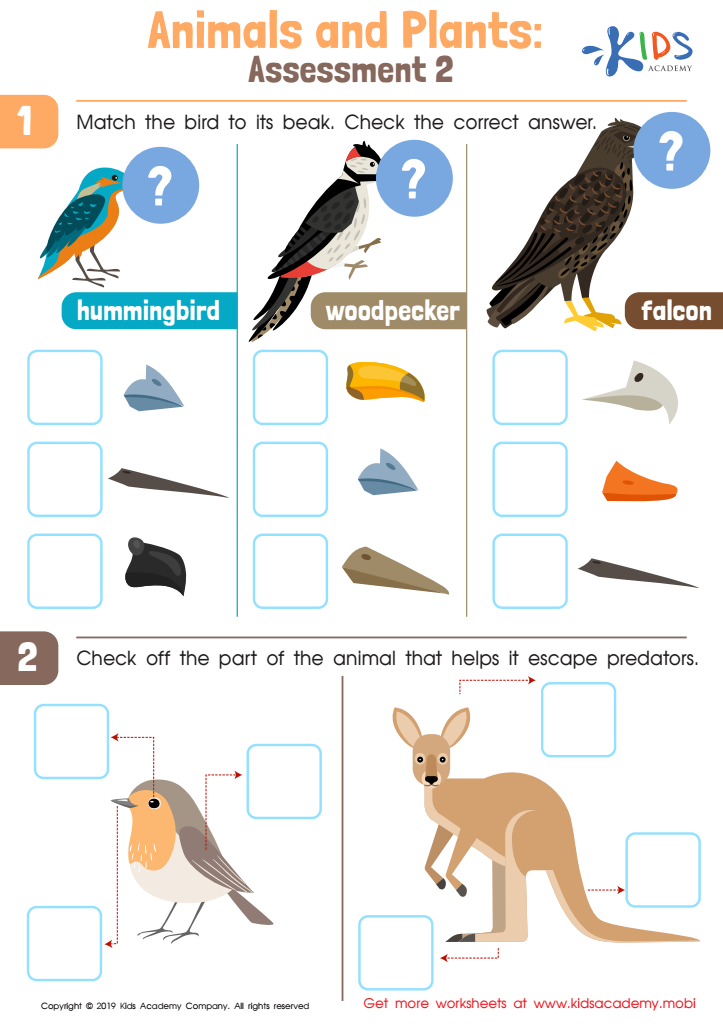
Animals and Plants: Assesment 2 Worksheet

Animals and Plants: Assessment 2 Worksheet
This free PDF is ideal to quickly test your child's knowledge of animal adaptations. They'll select the right beak patterns for hummingbird, woodpecker and falcon, and identify which parts of animals help them escape predators. It's easy to assess your kid's understanding.
Animals and Plants: Assessment 2 Worksheet
Worksheet
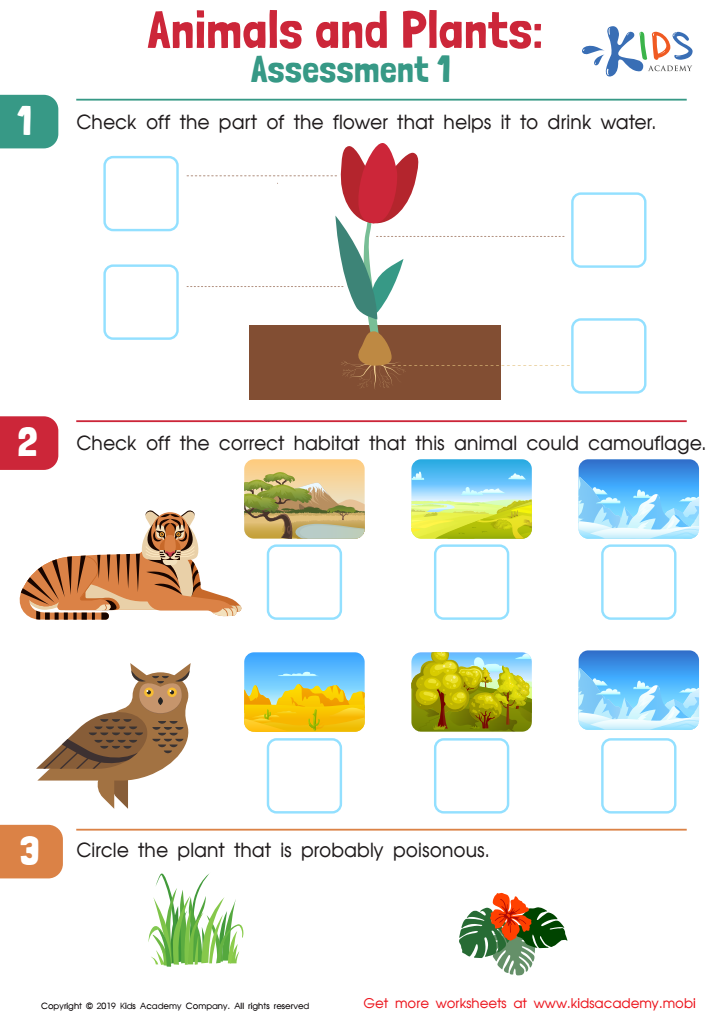
Animals and Plants: Assesment 1 Worksheet

Animals and Plants: Assessment 1 Worksheet

Do you want to easily assess your child's understanding of basic science concepts? This colorful PDF offers a free opportunity for them to test their knowledge about parts of a flower, poisonous plants, animal habitats and more! Bright pictures make it fun and easy for you to see what they know.
Animals and Plants: Assessment 1 Worksheet

Worksheet


Critical Thinking Normal Science is essential for 6-year-olds as it lays the groundwork for their cognitive development and lifelong learning. This approach, rooted in scientific inquiry, encourages young children to observe, question, and explore their surroundings. By fostering critical thinking skills at an early age, parents and teachers help children develop the ability to analyze information, draw conclusions, and make reasoned decisions.

Engaging with Normal Science aids in nurturing curiosity, a trait paramount at this developmental stage. It empowers children to ask “why” and “how,” fueling their intrinsic motivation to understand the world. When educators embrace critical thinking within scientific contexts, they stimulate creativity and encourage children to approach problems from various angles, enhancing their problem-solving skills that are transferrable across subjects.

Moreover, understanding and applying Critical Thinking Normal Science cultivates resilience in young learners as they face challenges and learn from mistakes. This suite of skills not only betters academic performance but also prepares children for future social interactions and workplace environments which increasingly value innovative thinkers. Thus, the pivotal role of parents and teachers in implementing Critical Thinking Normal Science directly supports holistic child development, enriching their educational journeys and fostering engaged, thoughtful, and analytical individuals.