Critical Thinking Normal Science Worksheets for Ages 8-9
11 filtered results
-
From - To
Encourage your child's intellectual growth with our "Critical Thinking Normal Science Worksheets for Ages 8-9." These expertly designed worksheets aim to challenge young minds, fostering critical thinking and problem-solving skills through science. Ideal for curious 8-9-year-olds, our engaging activities cover various topics, encouraging analytical thinking and deductive reasoning. Your child will explore scientific principles, experiment with hypotheses, and draw conclusions in a fun, educational way. Perfect for classroom use or at-home learning, these worksheets offer an exciting opportunity for young learners to develop essential cognitive skills while exploring the wonders of science.
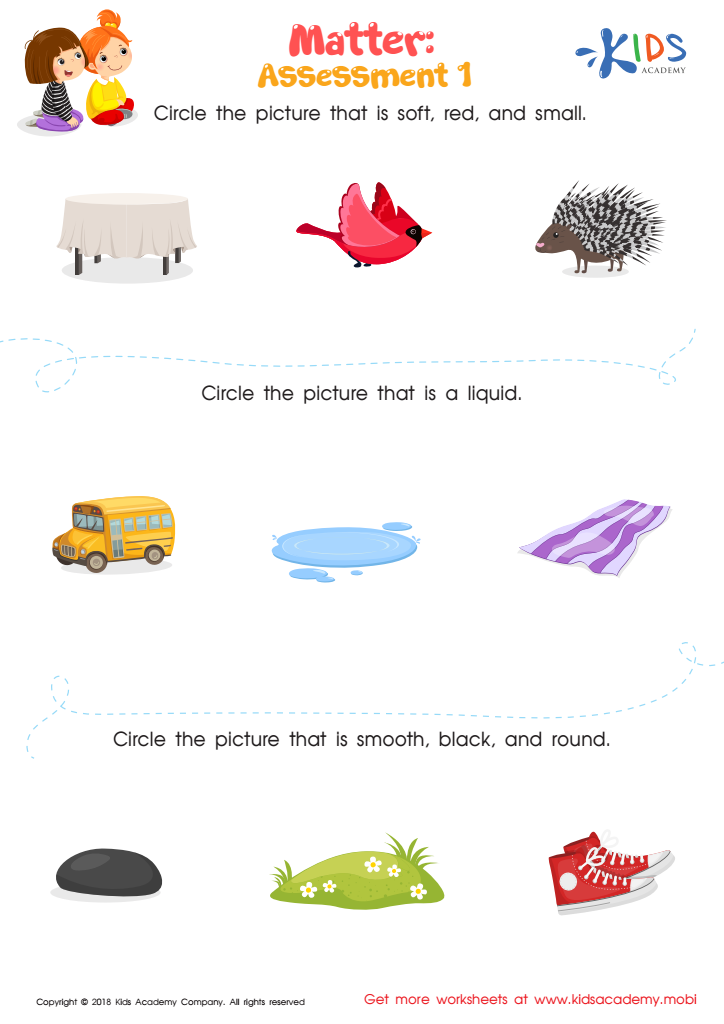
Matter: Assessment 1 Worksheet
 Assign to My Students
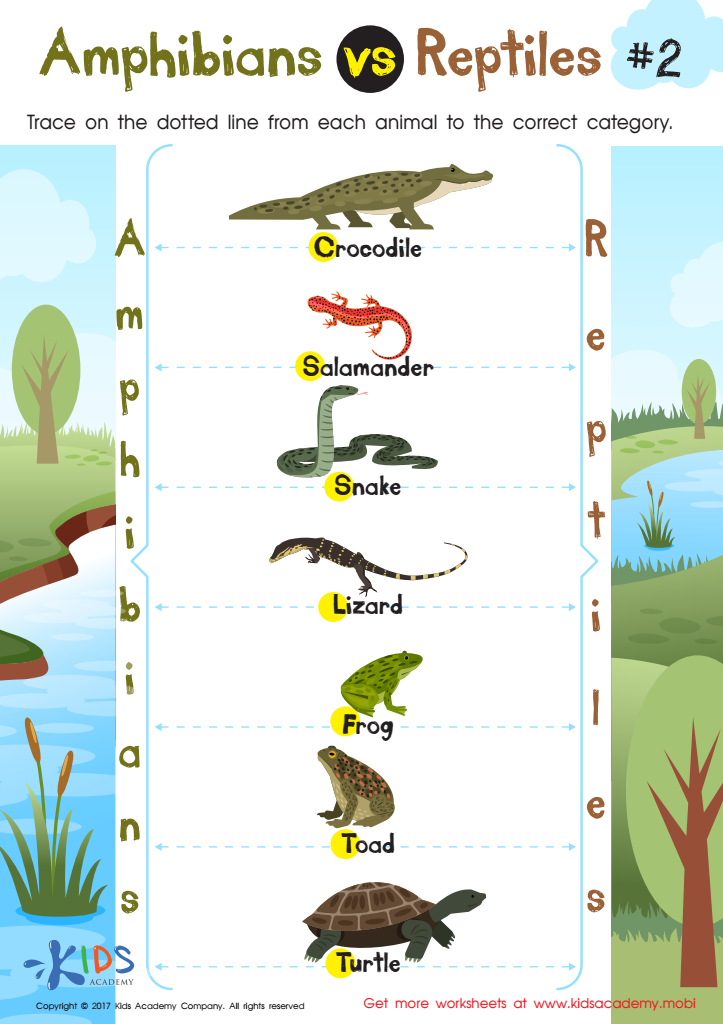
Amphibians vs Reptiles Worksheet for 3rd Grade
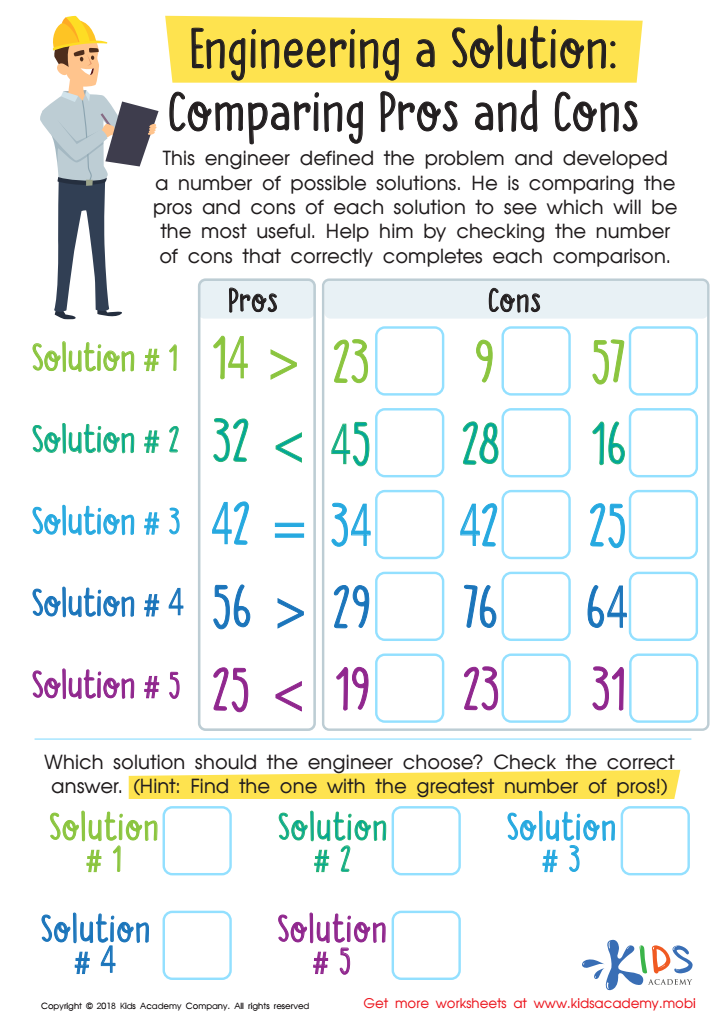
Engineering a Solution: Comparing Pros and Cons Worksheet
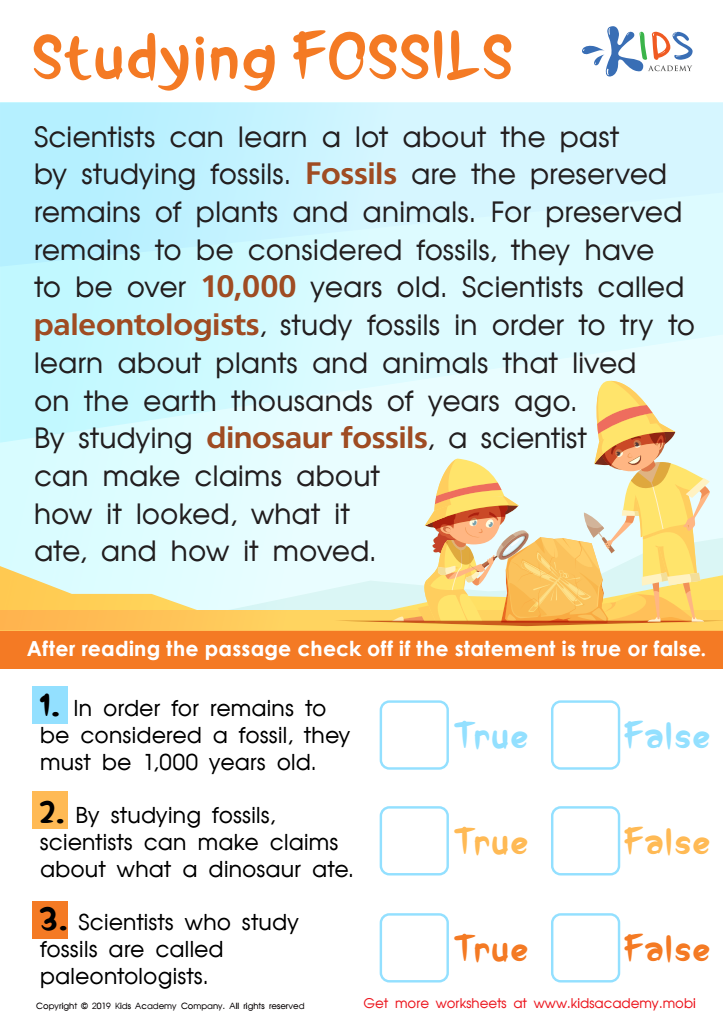
Studying Fossils Worksheet
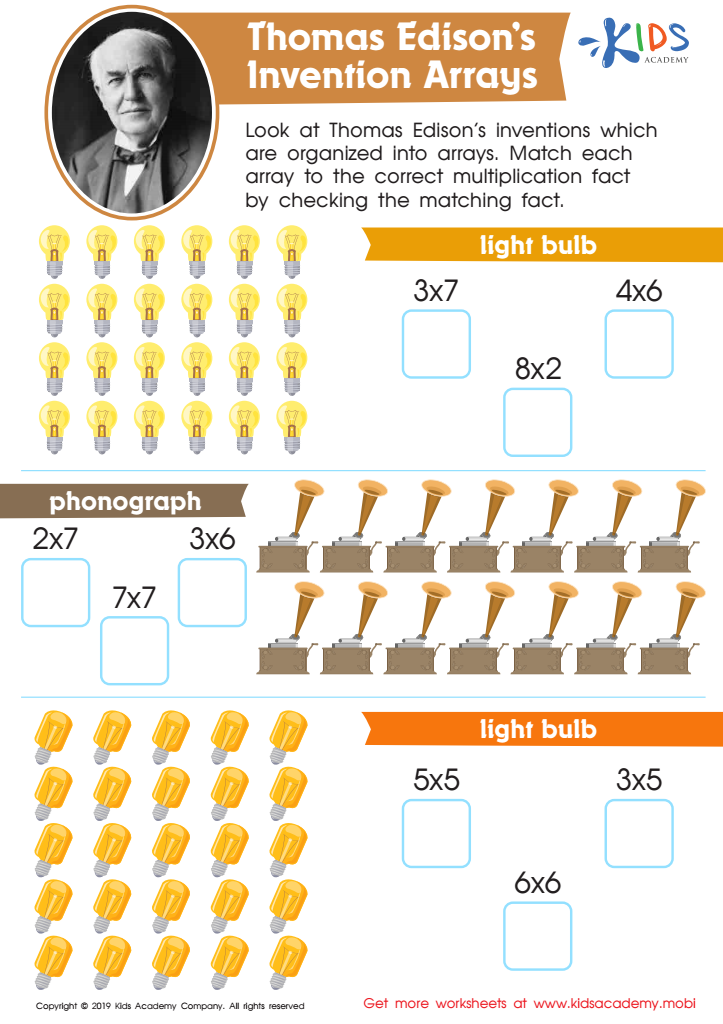
Thomas Edison’s Invention Arrays Worksheet
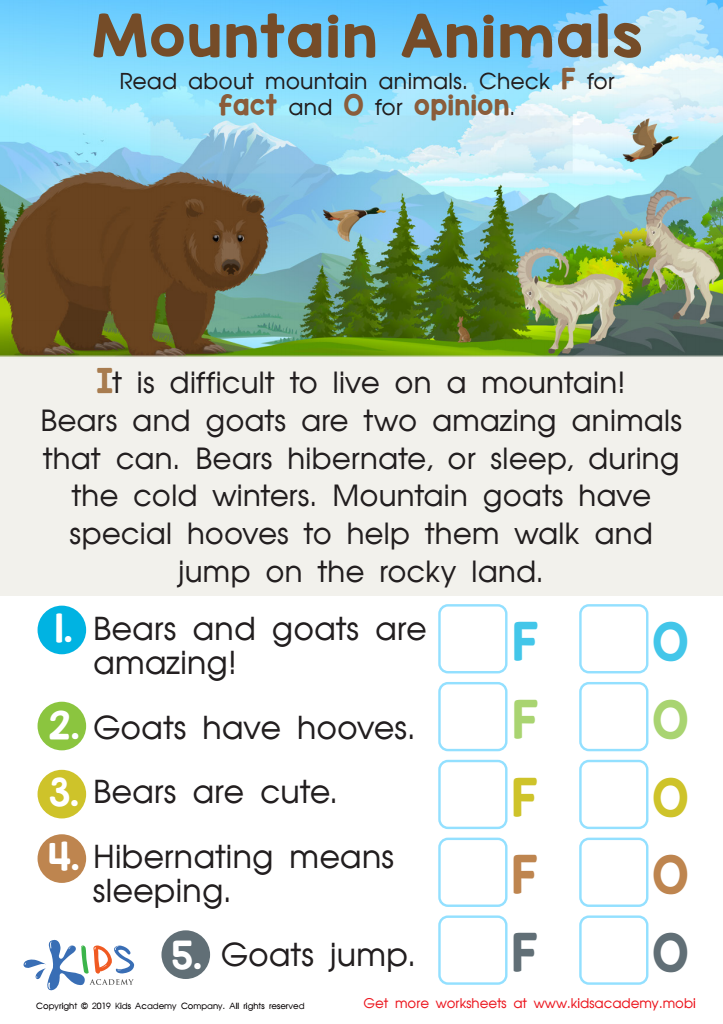
Mountain Animals Worksheet
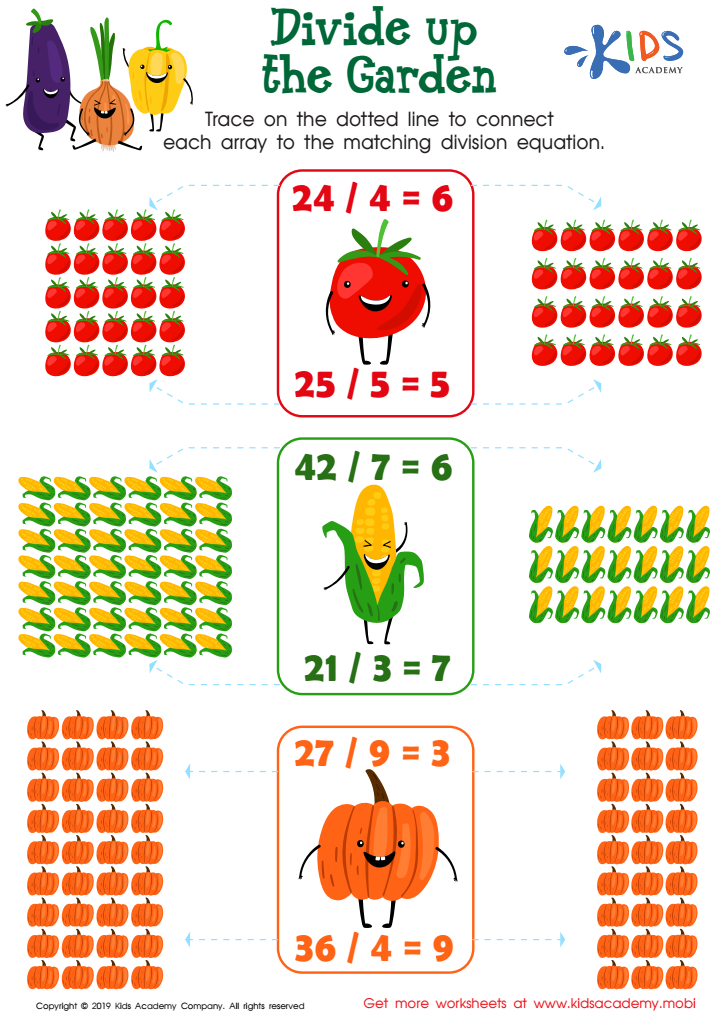
Divide up the Garden Worksheet
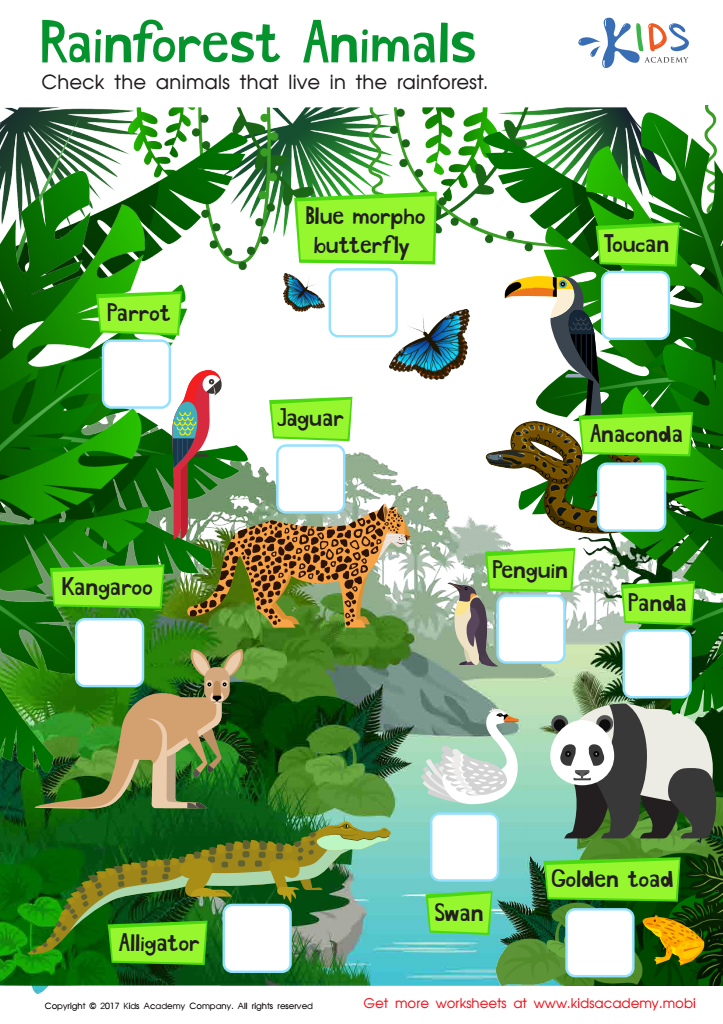
Rainforest Animals Worksheet
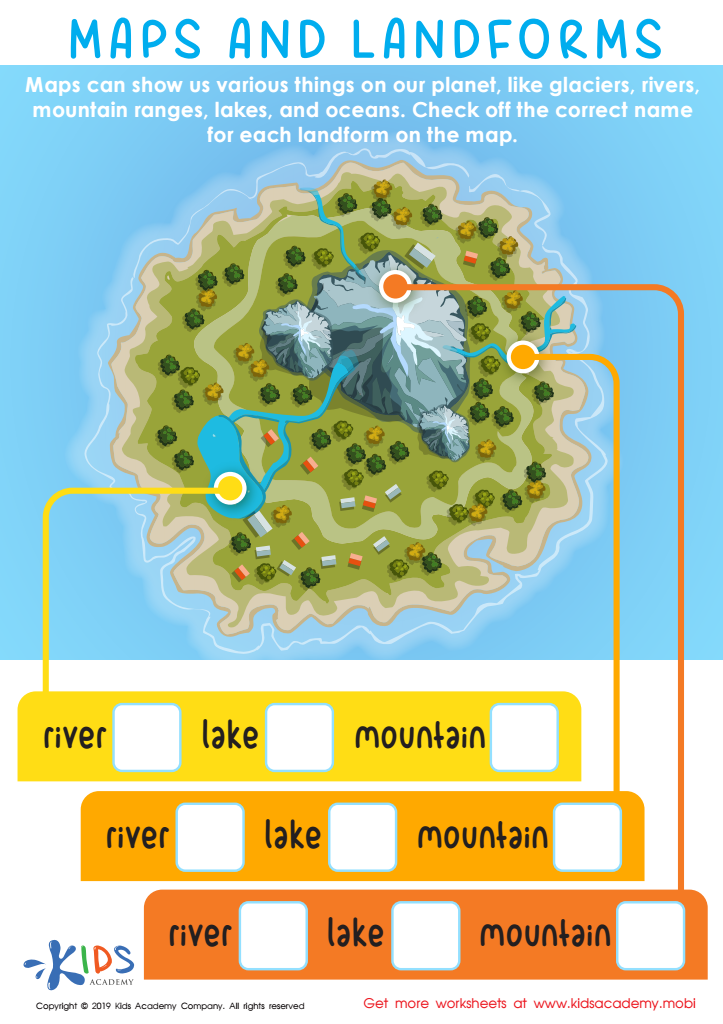
Maps and Landforms Worksheet
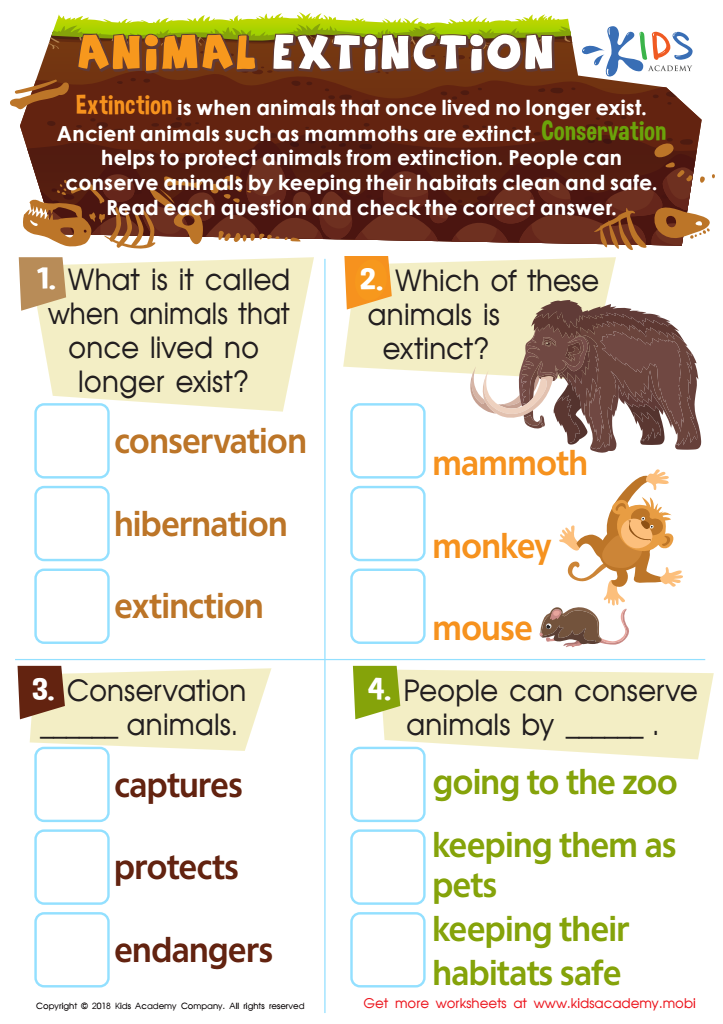
Animal Extinction Worksheet
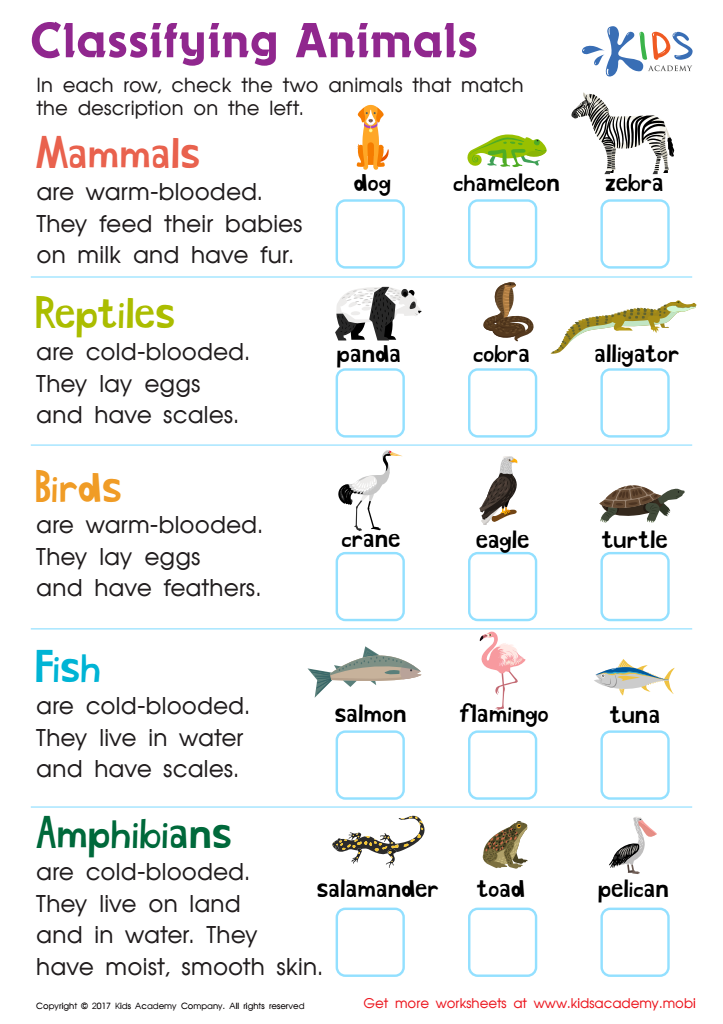
Classifying Animals Worksheet







Parents and teachers should prioritize fostering critical thinking in normal science for children aged 8-9 because it lays the foundation for lifelong learning and problem-solving skills. At this age, children are naturally curious and more receptive to engaging with the world around them. Critical thinking encourages them to ask questions, make observations, and develop hypotheses, fostering a deeper understanding of scientific concepts beyond rote memorization.
Teaching critical thinking in science also helps children to differentiate between opinions and evidence-based facts, promoting sound decision-making skills. As they experiment and test their ideas, they learn resilience and patience—valuable life skills that extend beyond the classroom. Moreover, these skills are crucial in addressing real-world problems, promoting a future generation that can think critically about global challenges such as climate change, healthcare, and technology ethics.
Additionally, integrating critical thinking into science education for young children boosts their confidence in using the scientific method, enabling them to feel more competent and engaged in their learning processes. It also enhances their teamwork and communication abilities, as many scientific inquiries require collaborative effort and sharing of ideas. Therefore, cultivating critical thinking in science not only enriches academic performance but also prepares children for a more informed and thoughtful interaction with the world around them.







