Developing analytical skills Normal Science Worksheets for 6-Year-Olds
3 filtered results
-
From - To
Unlock your child's potential with our "Developing Analytical Skills Science Worksheets" designed specifically for 6-year-olds! These engaging resources are crafted to promote critical thinking and enhance problem-solving abilities through fun, age-appropriate activities. Each worksheet encourages children to explore scientific concepts while developing essential analytical skills. From identifying patterns to making predictions, your little learners will enjoy hands-on exercises that foster curiosity and creativity. These printable worksheets are perfect for use at home or in the classroom, providing a wonderful way to support early science education. Equip your child with the tools they need for future academic success while having fun!
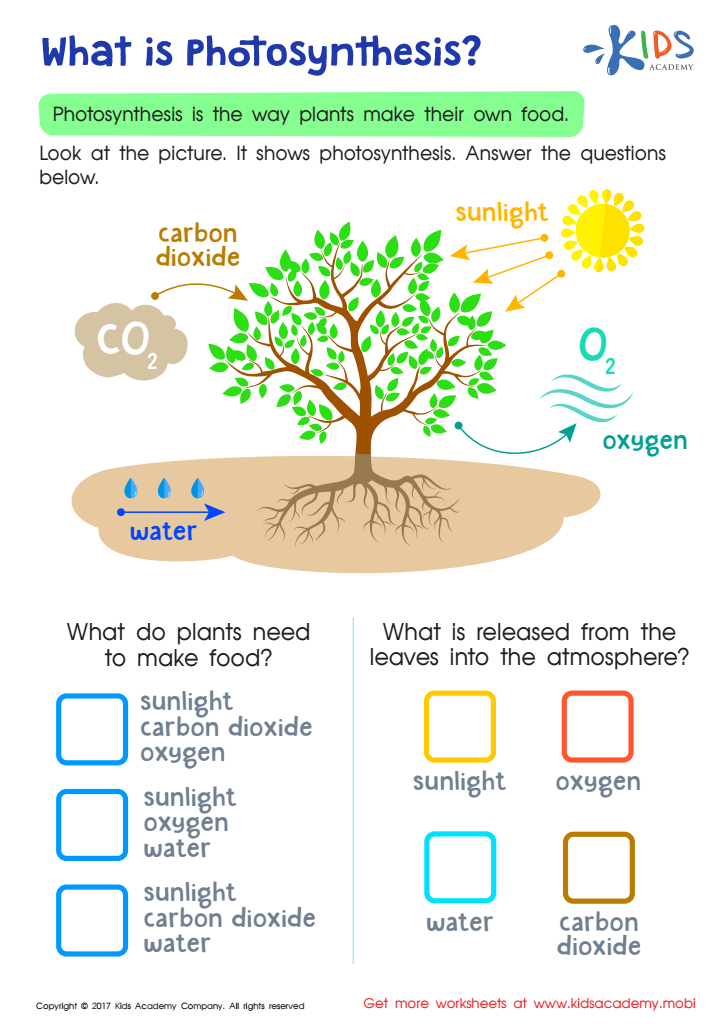
What is Photosynthesis Printable
 Assign to My Students
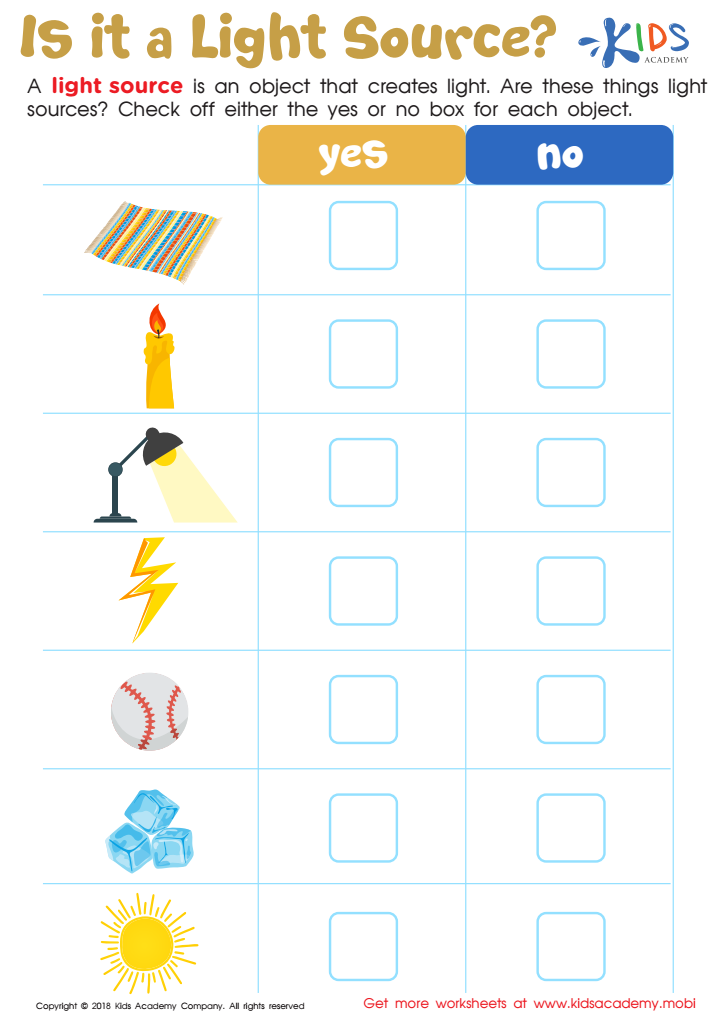
Is It a Light Source? Worksheet
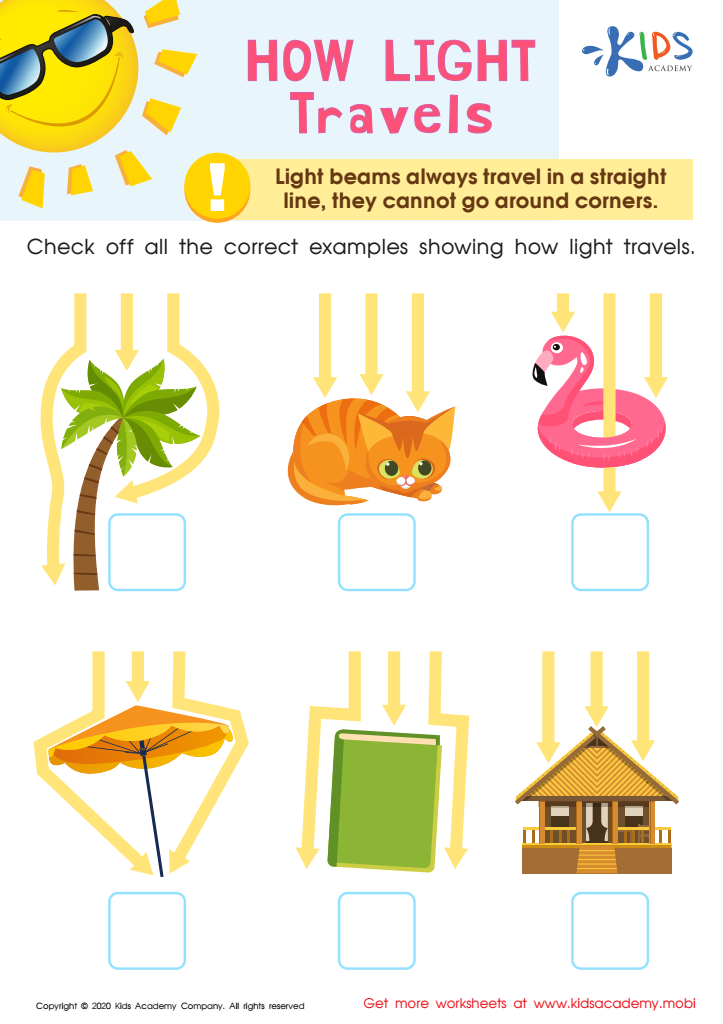
How Light Travels Worksheet






Developing analytical skills in young children, particularly in the context of normal science, is crucial for several reasons. At the age of six, kids are in a formative stage of cognitive development, where they begin to make sense of the world around them. Encouraging analytical skills helps them learn to observe, question, and experiment, fostering a sense of curiosity.
These skills not only support scientific understanding but are also foundational for critical thinking across various subjects. By teaching analytical skills through normal science—where children explore their environment and conduct simple experiments—parents and teachers promote problem-solving abilities. This sets the stage for informed decision-making and adaptability in later academic pursuits.
Moreover, analytical skills encourage collaboration and communication as children often engage in discussions about their observations and findings. Understanding basic scientific concepts cultivates a growth mindset, motivating children to embrace challenges as new learning opportunities.
Involving parents in this process reinforces the importance of inquiry and exploration at home, bridging learning experiences. In essence, fostering analytical skills through normal science enriches childhood education, empowering children to become lifelong learners and thoughtful participants in their communities.







