Enhancing categorization skills Normal Science Worksheets for 6-Year-Olds
3 filtered results
-
From - To
Explore our engaging Normal Science Worksheets designed for 6-year-olds, perfect for enhancing categorization skills! These interactive worksheets encourage young learners to classify objects and ideas, promoting critical thinking and cognitive development. With a variety of fun themes and colorful illustrations, your child will enjoy sorting animals, plants, and everyday items while reinforcing essential science concepts. Ideal for home or classroom use, our worksheets foster active learning and encourage children to make connections within the natural world. Help your little ones build a strong foundation in science and logic with our thoughtfully crafted resources. Start your categorization journey today!
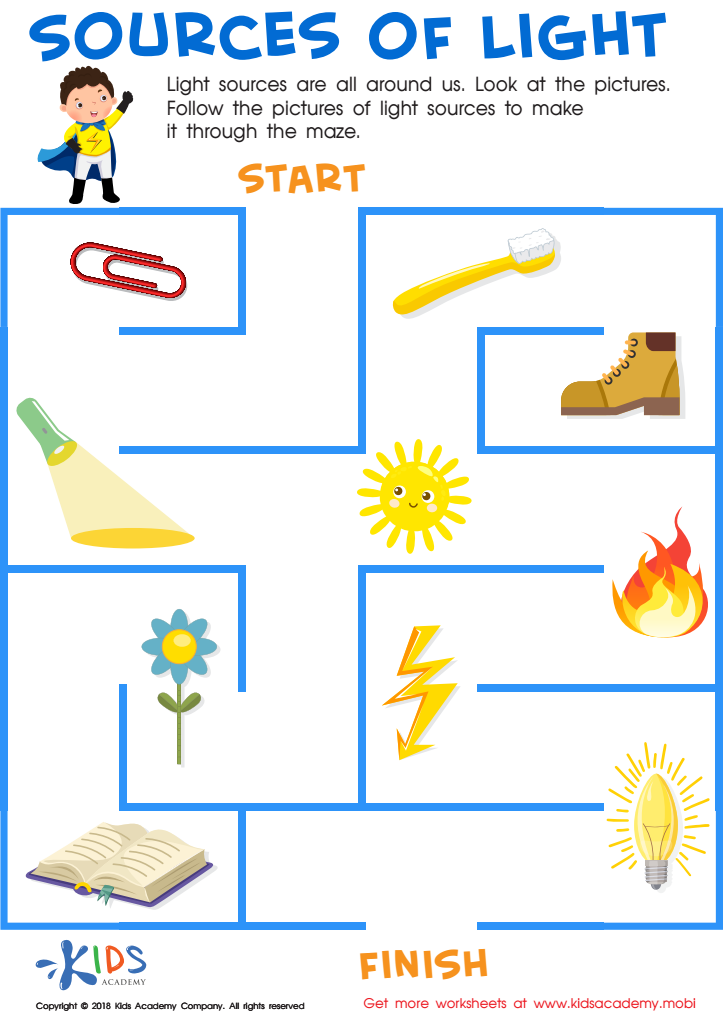
Sources of Light Worksheet
 Assign to My Students
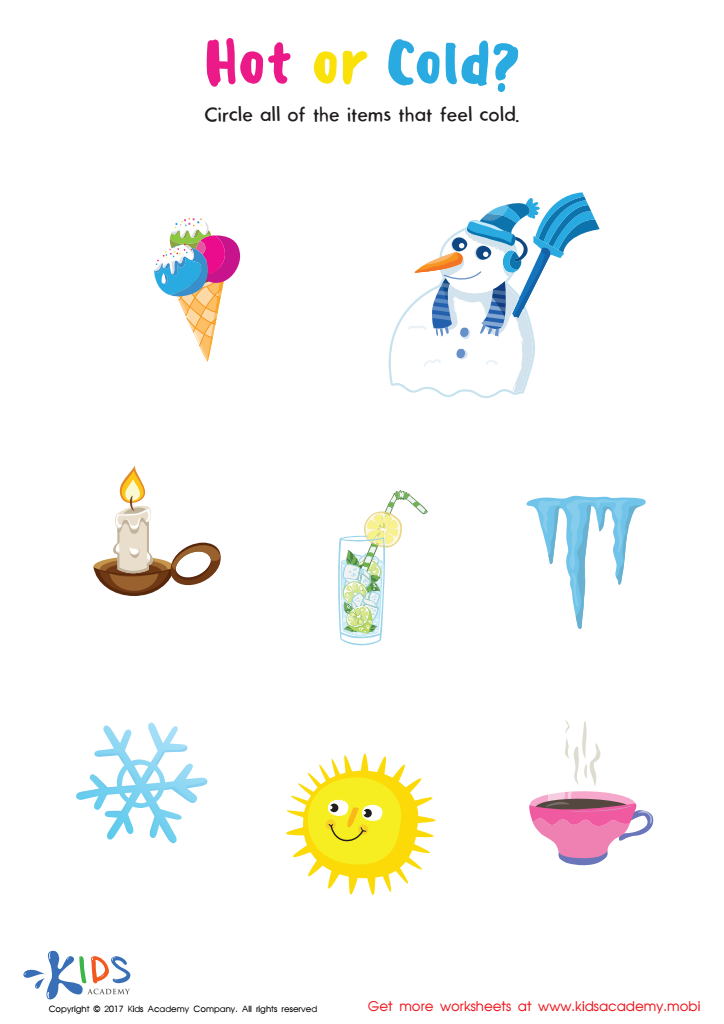
Hot or Cold Printable
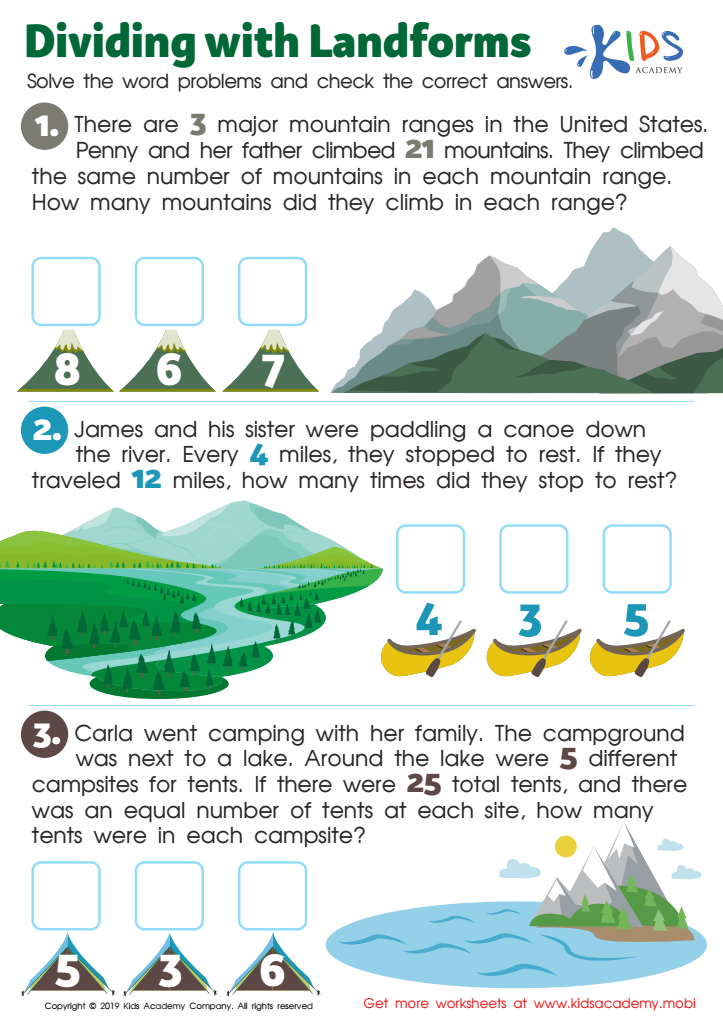
Dividing with Landforms



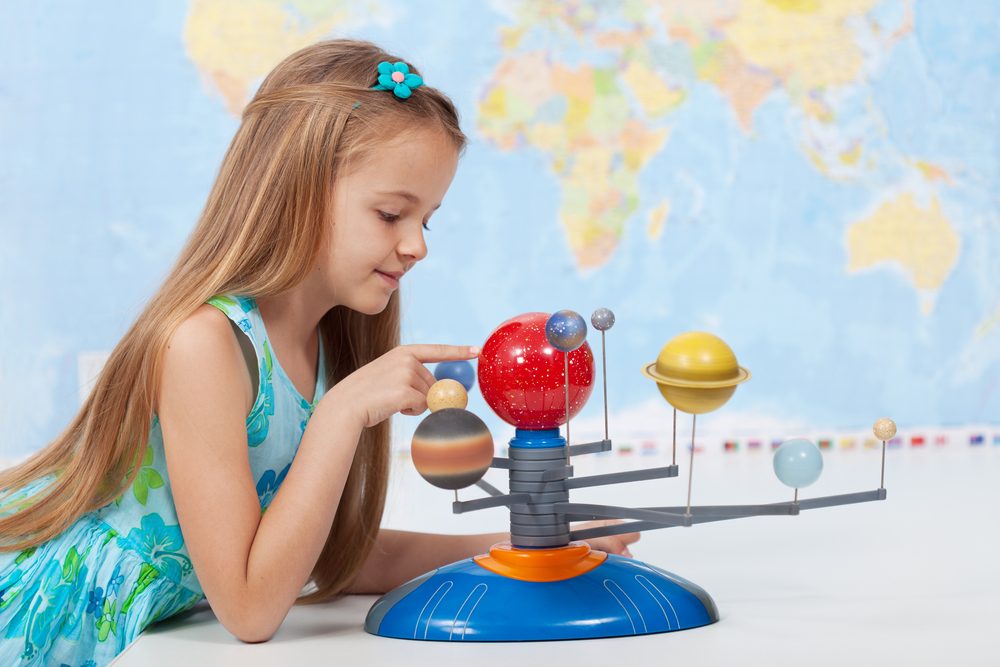



.jpg)
Enhancing categorization skills in 6-year-olds is crucial for their cognitive development and overall learning processes, and parents and teachers play a vital role in this. At this age, children are developing their ability to recognize and differentiate between various objects, ideas, and concepts. Strong categorization skills enable them to organize information, which is foundational for problem-solving and critical thinking.
When children can categorize effectively, they learn to group similar items and distinguish differences, fostering better comprehension in subjects such as math and science. For example, they can sort animals by habitat, recognize shapes, or classify plants, which builds the groundwork for scientific inquiry. Additionally, these skills enhance language development by expanding vocabulary as children learn labels and descriptors for categories.
Moreover, engaging in categorization activities can promote social-emotional skills. Grouping games encourage cooperation and communication among peers, while discussions about categories allow children to express their thoughts and gain a sense of belonging in their learning environment. By prioritizing categorization skill development, parents and teachers invest in the intellectual growth and social capabilities of children, empowering them to navigate an increasingly complex world with confidence.







