Science knowledge Normal Science Worksheets for 6-Year-Olds
3 filtered results
-
From - To
Explore our collection of engaging Normal Science Worksheets designed specifically for 6-year-olds! These fun and interactive worksheets promote essential science knowledge, making learning enjoyable and effective. Your child will dive into various topics, including earth science, biology, and physics, through colorful images and relatable activities. Each worksheet encourages critical thinking, problem-solving, and observational skills, helping young learners grasp fundamental scientific concepts. Perfect for classroom use or at-home practice, our worksheets support the development of curious minds and foster a lifelong love for science. Empower your child’s educational journey with our thoughtfully crafted Science knowledge worksheets today!
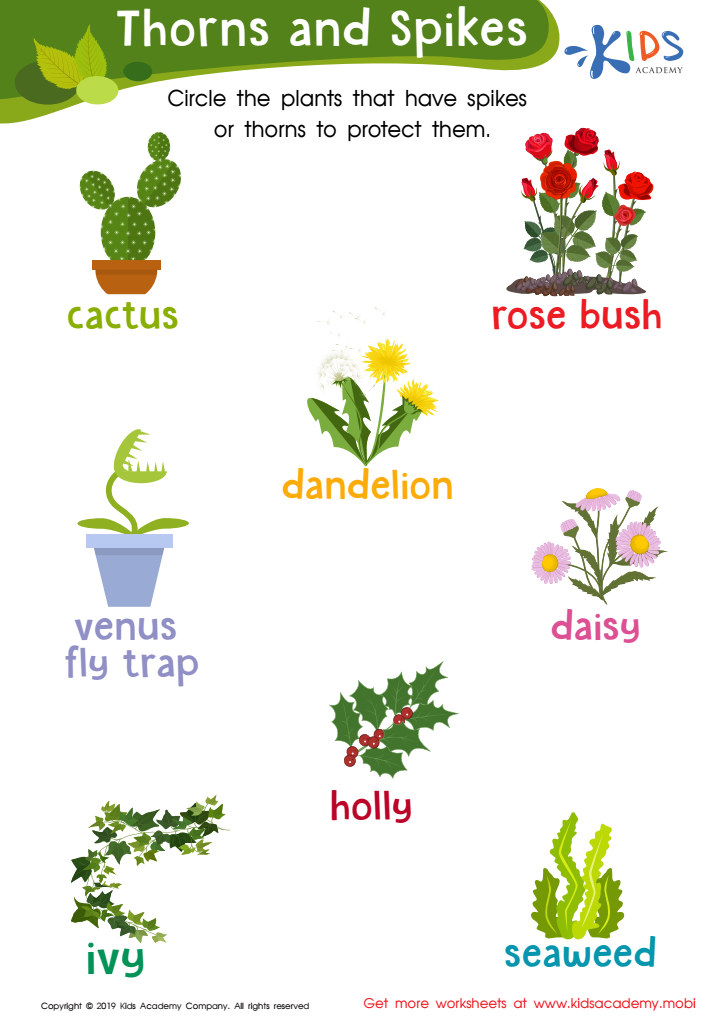
Thorns and Spikes Worksheet
 Assign to My Students
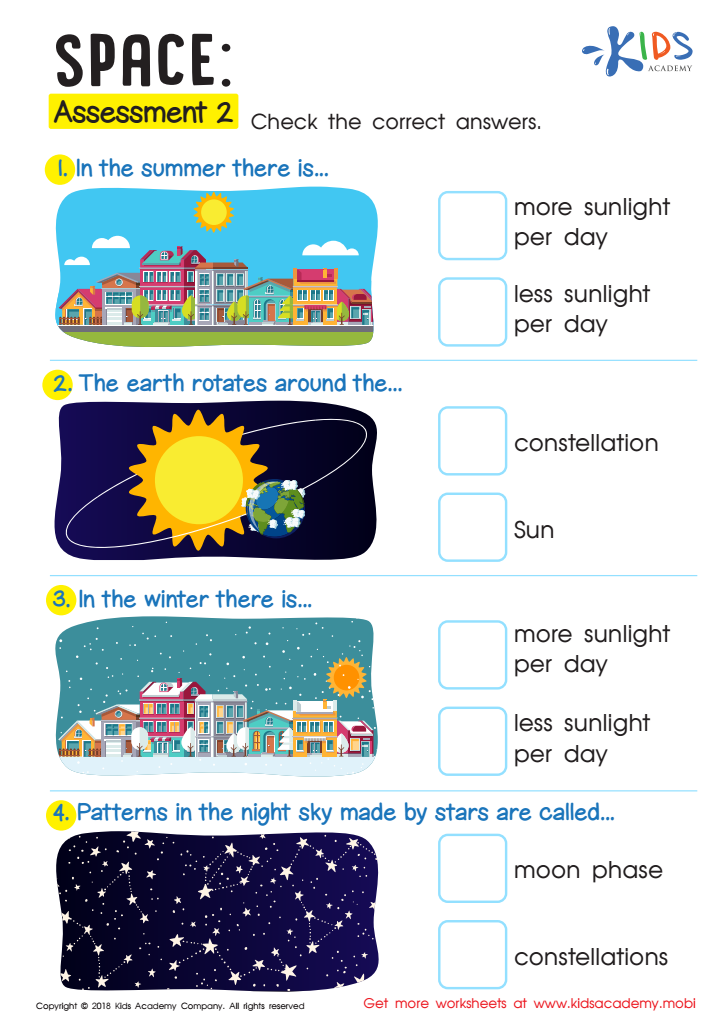
Space: Assessment 2 Worksheet


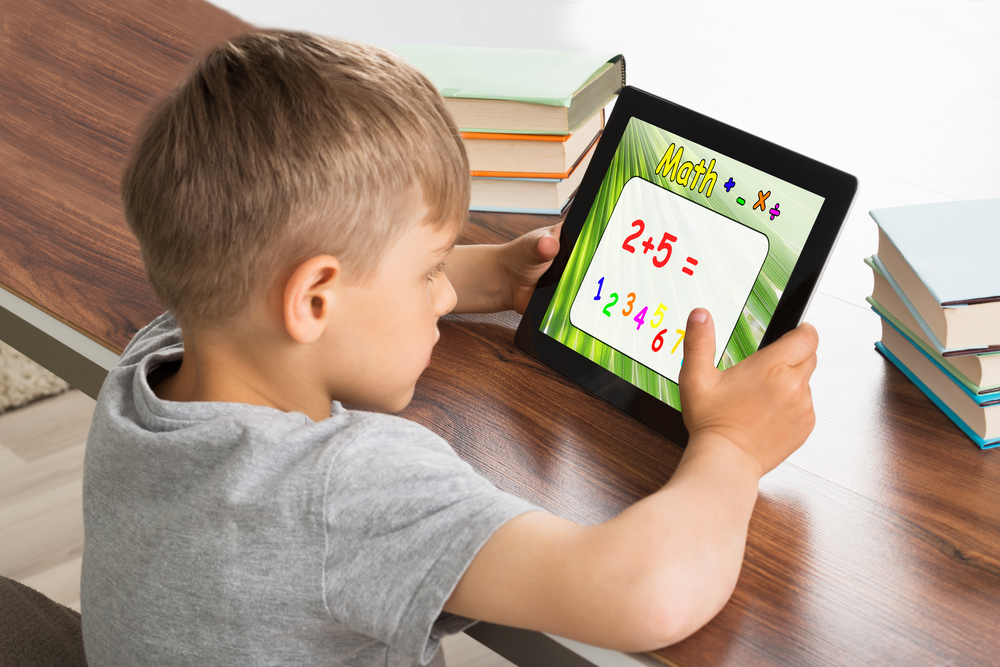




Parents and teachers should prioritize Science knowledge, especially concepts related to "Normal Science," for 6-year-olds because it lays the foundational understanding of the world around them. At this age, children are inherently curious and eager to explore, making it the perfect opportunity to nurture a love for learning and discovery. Engaging with scientific concepts helps develop critical thinking, problem-solving skills, and the ability to ask questions—traits that are essential throughout life.
Normal Science, often defined as the recognized science of a given time, can introduce children to basic principles through engaging activities and relatable examples. Understanding concepts such as properties of materials, the natural environment, and simple life cycles fosters a sense of observation and inquiry. Additionally, early exposure to science can spark an interest in future scientific studies, potentially influencing career choices.
Moreover, integrating Science with everyday life encourages parents and teachers to draw connections between lessons and real-world applications, thereby making learning meaningful. This early investment in Science knowledge equips children with essential skills, enabling them to navigate and interpret the complexities of the world as they grow. Overall, nurturing scientific curiosity in young learners is crucial for building informed, capable, and inquisitive future generations.







