Logical Reasoning Normal Plants and Animals Worksheets for 6-Year-Olds
4 filtered results
-
From - To
Introducing our engaging "Logical Reasoning Normal Plants and Animals Worksheets" for 6-year-olds! Designed to enhance young learners' critical thinking skills, these worksheets explore the fascinating world of plants and animals. Children will engage in fun activities that encourage them to compare, categorize, and analyze various aspects of nature. Our materials promote curiosity and help develop essential reasoning skills through stimulating questions and interactive tasks. Perfect for home or classroom use, these worksheets make learning about biology both enjoyable and educational. Equip your child with the logical reasoning skills needed for academic success and a love for the natural world!
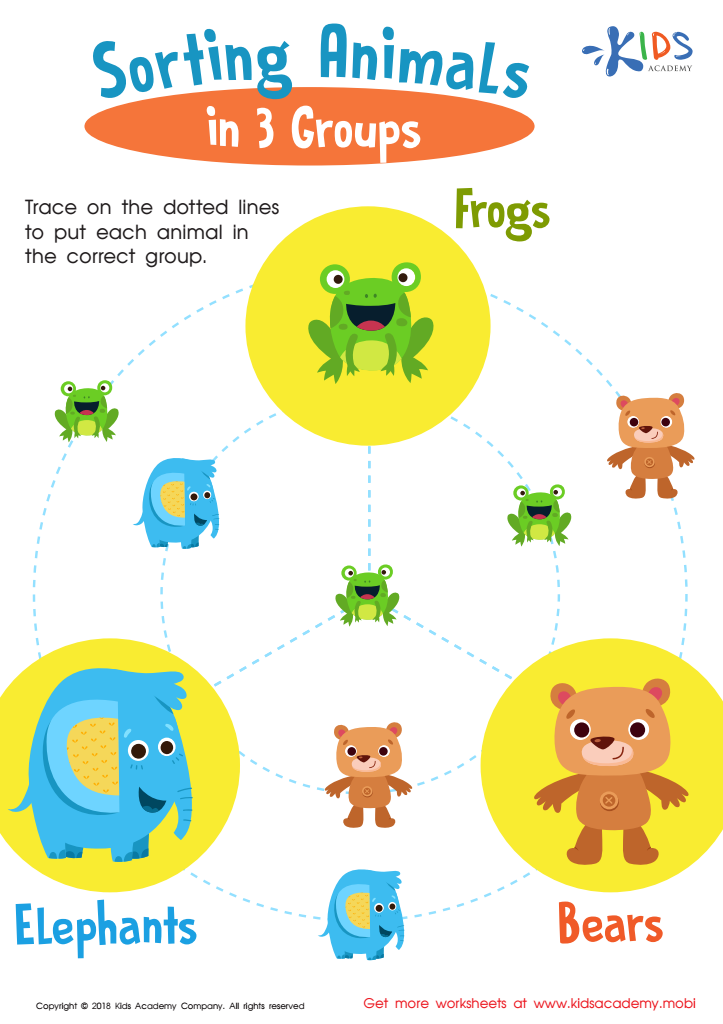
Sorting Animals in 3 Groups Worksheet
 Assign to My Students











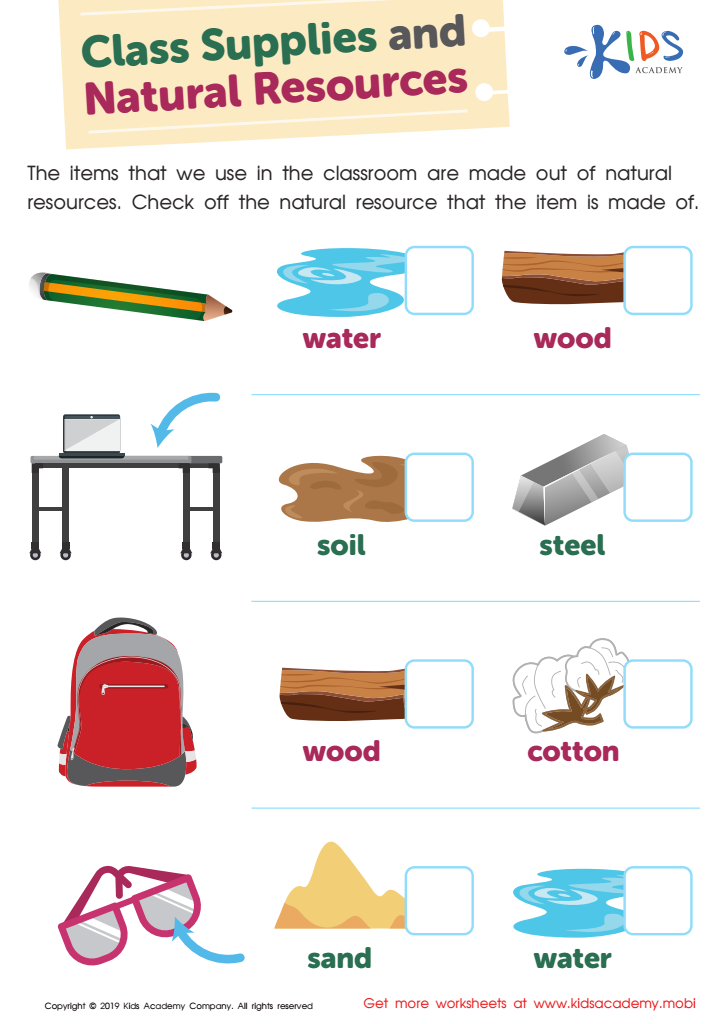
Class Supplies and Natural Resources Worksheet
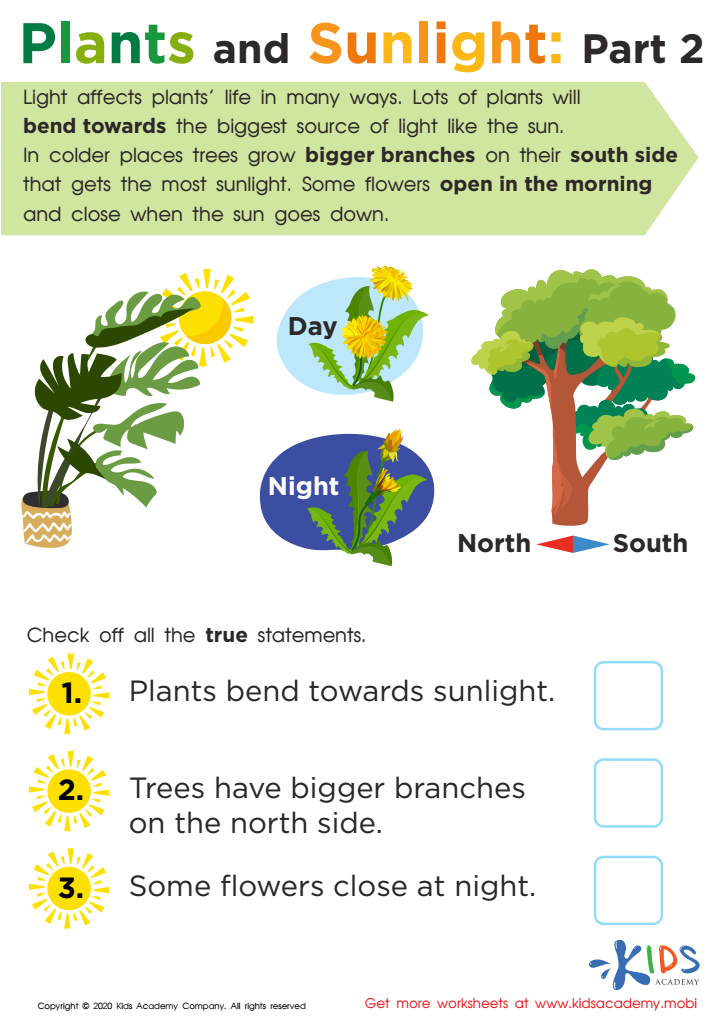
Plants and Sunlight: Part 2 Worksheet
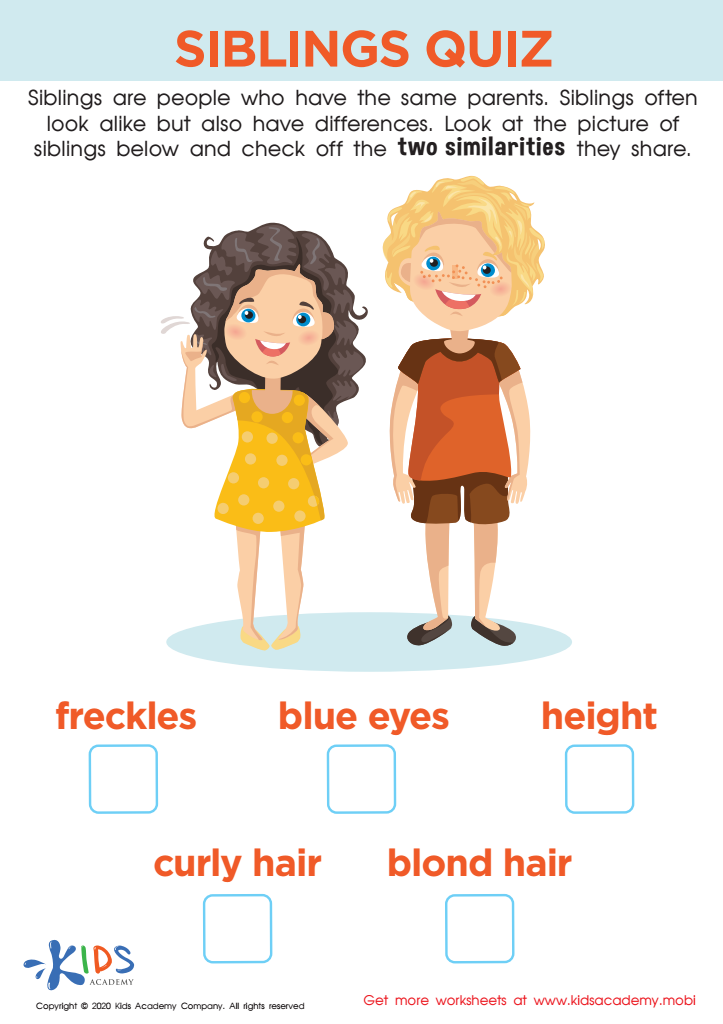
Siblings Quiz Worksheet








Logical reasoning is crucial for young children, particularly when exploring concepts like "normal" plants and animals. For parents and teachers, fostering this skill at the age of 6 can enhance cognitive development and critical thinking. Engaging kids in reasoning activities related to plants and animals helps them connect knowledge and apply it in real-world situations.
Understanding the characteristics that define what is "normal" for different species can encourage curiosity and observation. For example, discussing how certain plants require specific environments, or how animals adapt to their habitats, cultivates an appreciation for nature and strengthens cognitive links. This inquisitive approach stimulates analytical thinking, essential for problem-solving across various academic subjects.
Moreover, learning logical reasoning through nature-related content fosters communication skills, as children express their thoughts and theories with peers and adults. By integrating discussions of plants and animals into logic activities, teachers and parents can create a rich educational experience that encourages teamwork and collaboration.
Additionally, children will develop a foundational understanding of biological concepts, laying the groundwork for future science learning. Prioritizing logical reasoning in this context not only enriches children’s knowledge but also nurtures their overall intellectual growth.







