Spelling practice Normal Writing Worksheets for 6-Year-Olds
24 filtered results
-
From - To
Discover engaging Spelling Practice Normal Writing Worksheets designed specifically for 6-year-olds! These worksheets provide young learners with essential tools to enhance their spelling skills through fun activities tailored to their developmental stage. With colorful visuals and age-appropriate vocabulary, children will enjoy practicing letter formation, sight words, and phonetic sounds. Our structured exercises allow for repetition and reinforcement, making learning both effective and enjoyable. Ideal for classroom use or at-home practice, these worksheets support literacy development while nurturing a love for learning. Explore our collection today and help your child build a strong foundation in spelling and writing!
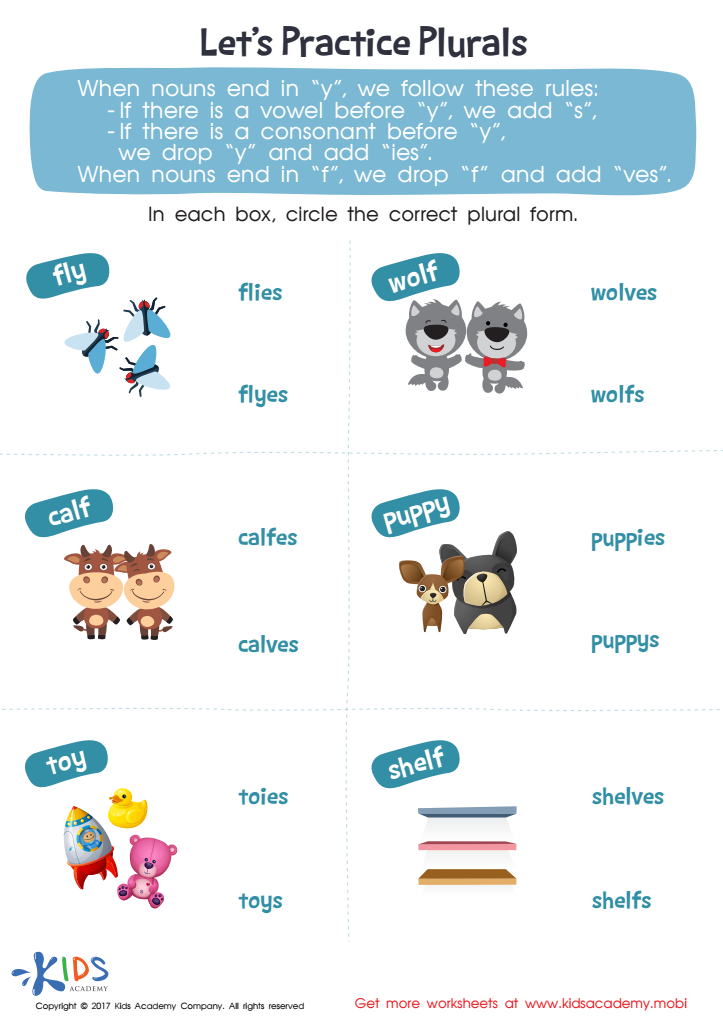
Let's Practice Plurals Word Structure Worksheet
 Assign to My Students
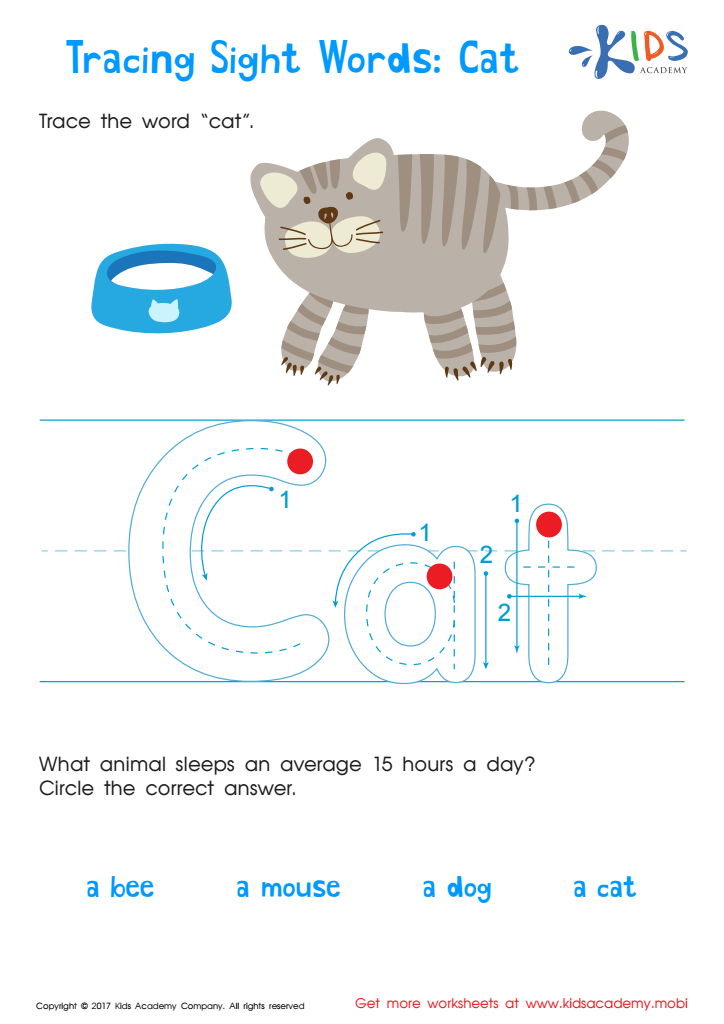
Cat Printable Sight Words Worksheet
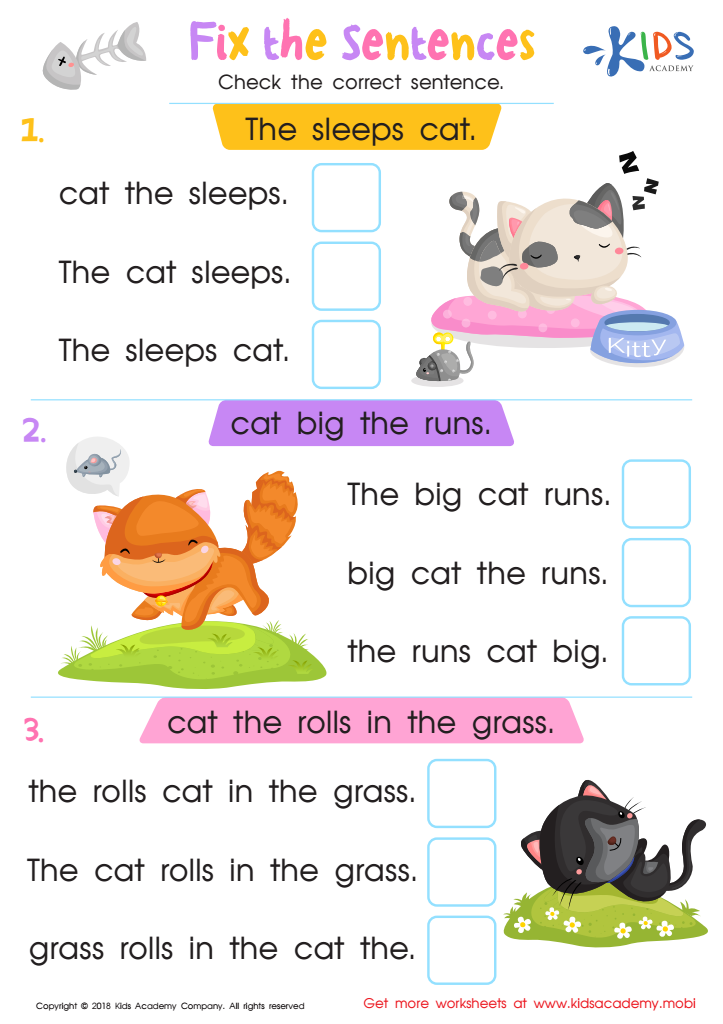
Fix the Sentences Worksheet
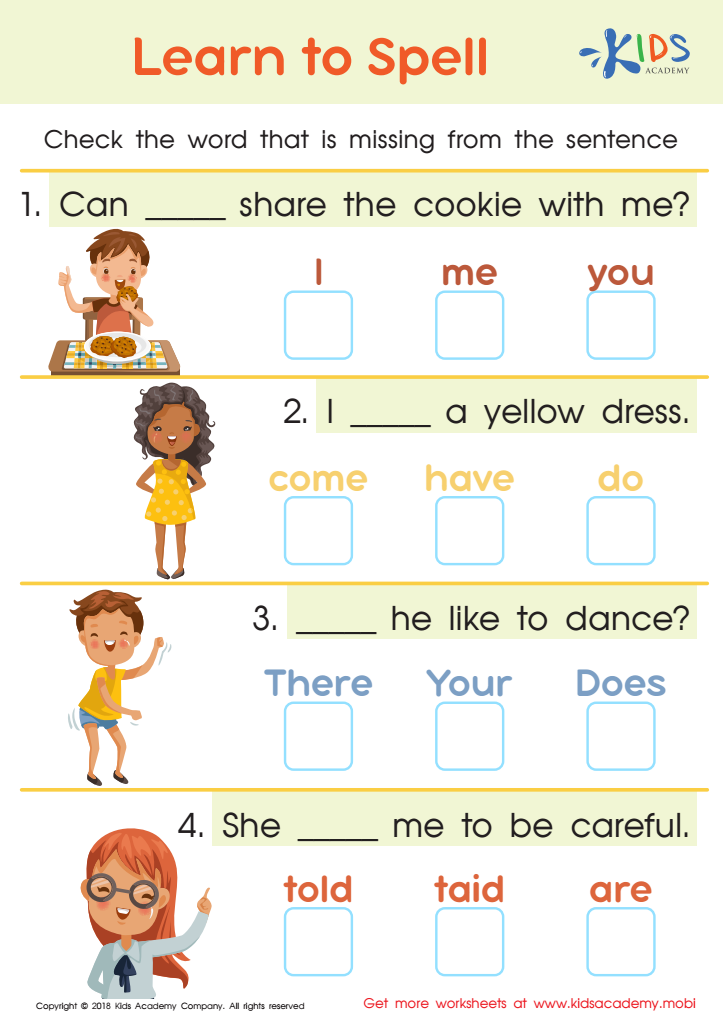
Learn to Spell Worksheet
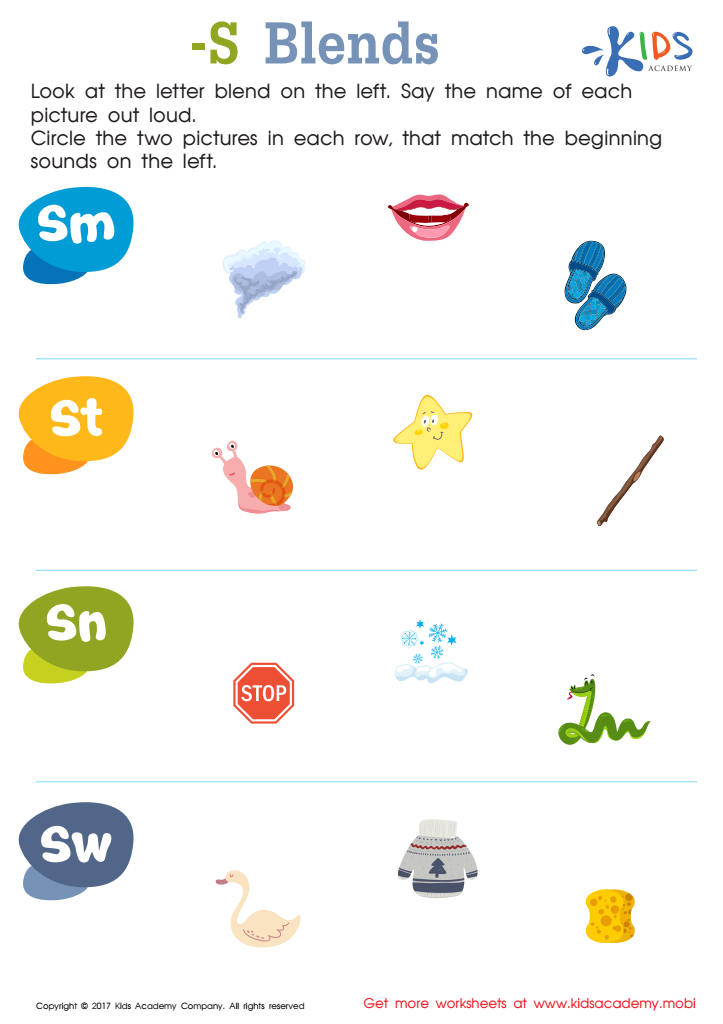
"s" Blends Spelling Printable
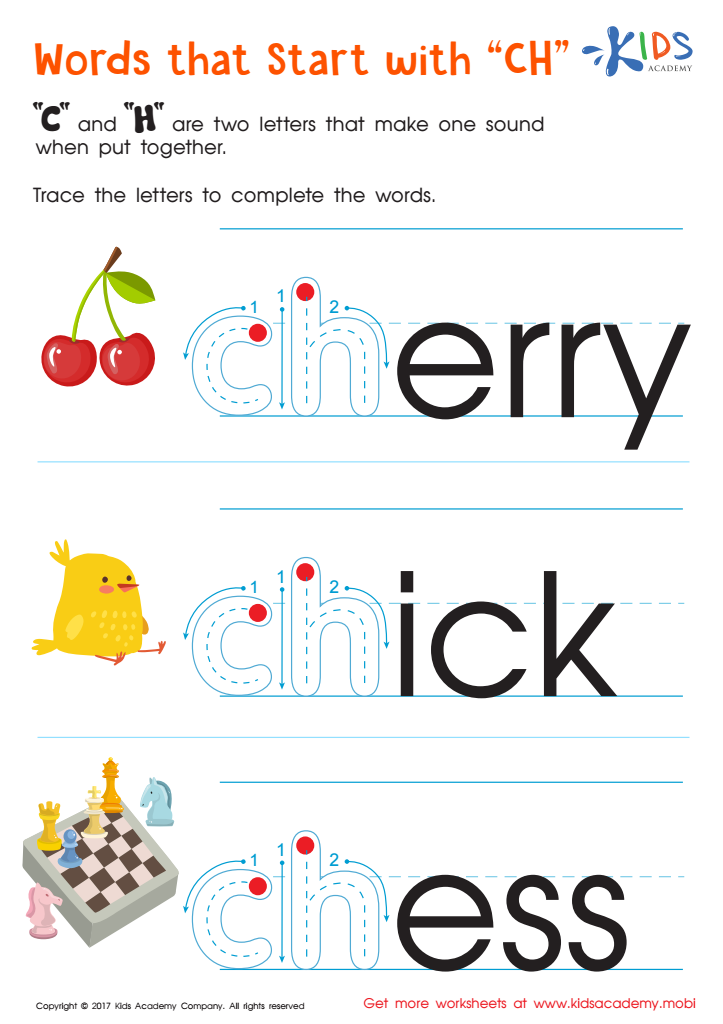
Words That Start with "ch" Spelling Worksheet
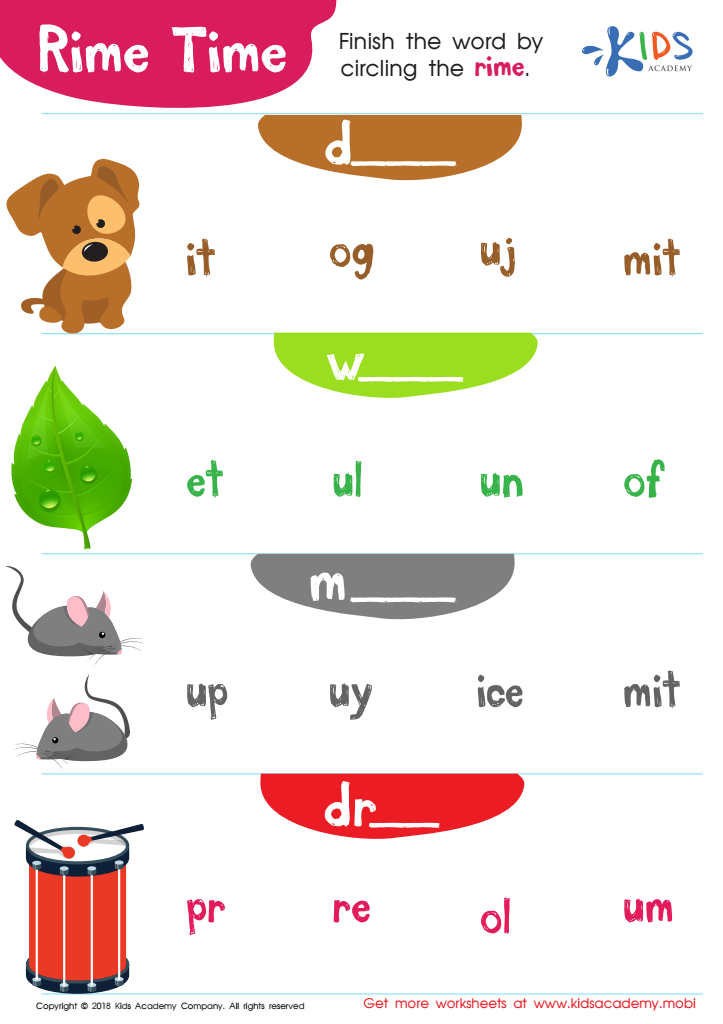
Rime Time Worksheet
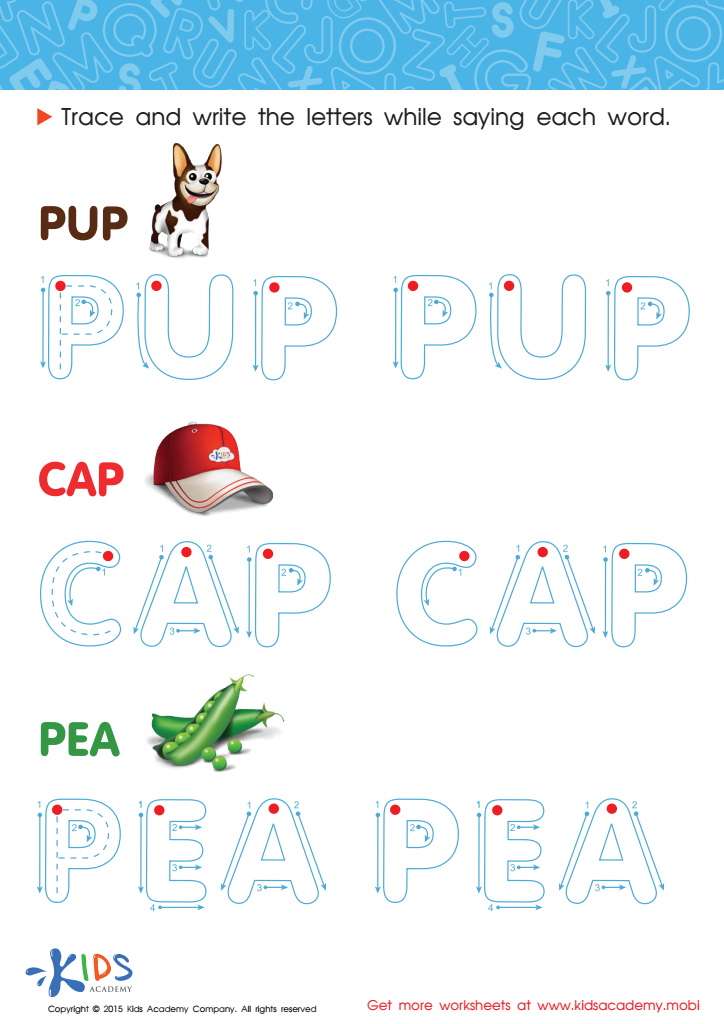
A Pup, a Cap and a Pea Spelling Worksheet
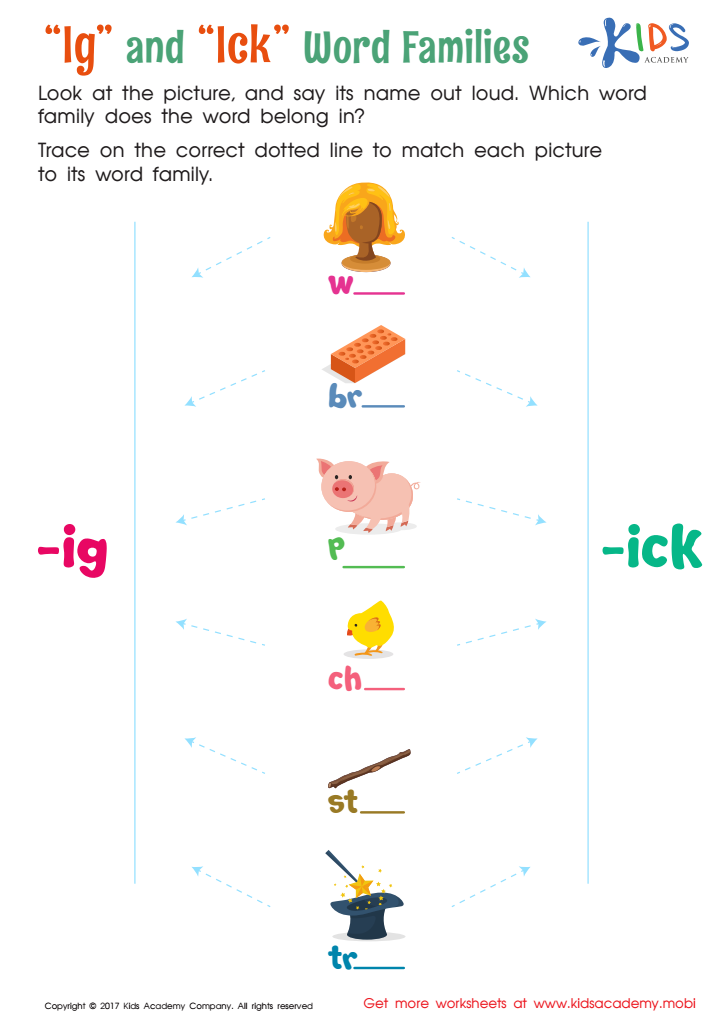
Words Families "ig" and "ick" Spelling Worksheet
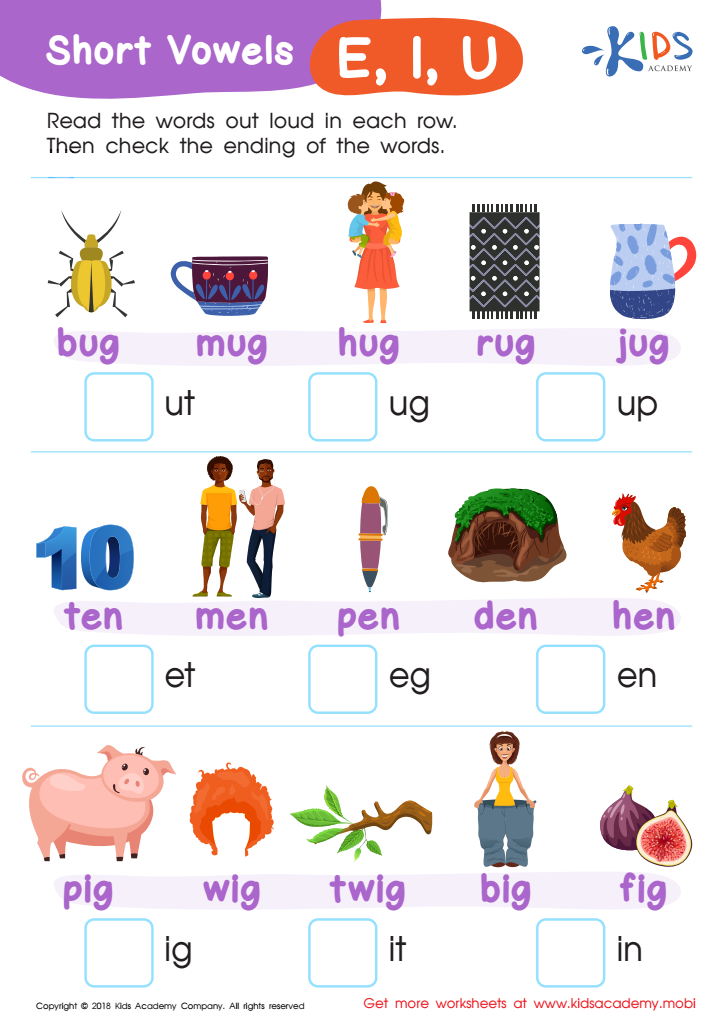
Short Vowels /e/, /i/, and /u/ Worksheet
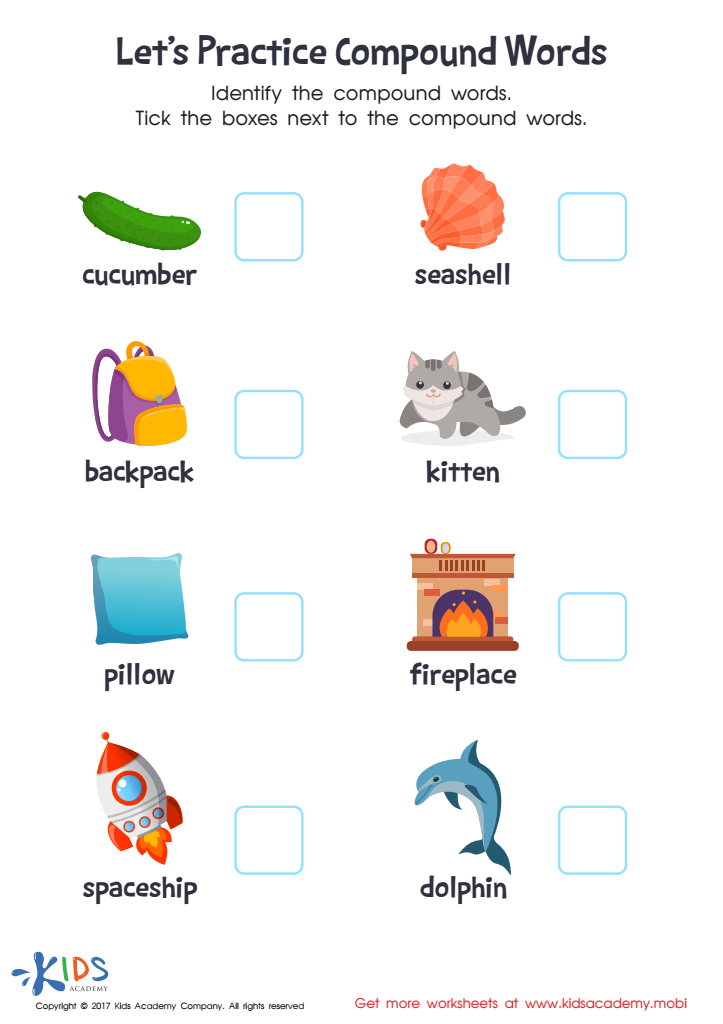
Let's Practice Compound Words Word Structure Worksheet
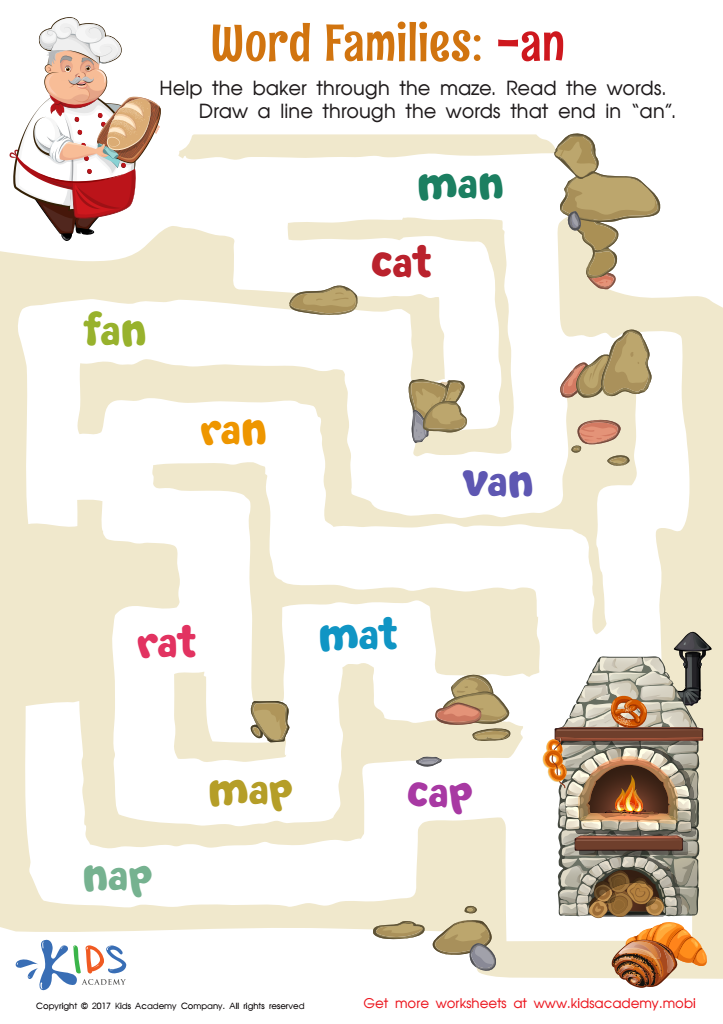
Words Families "an" Spelling Worksheet
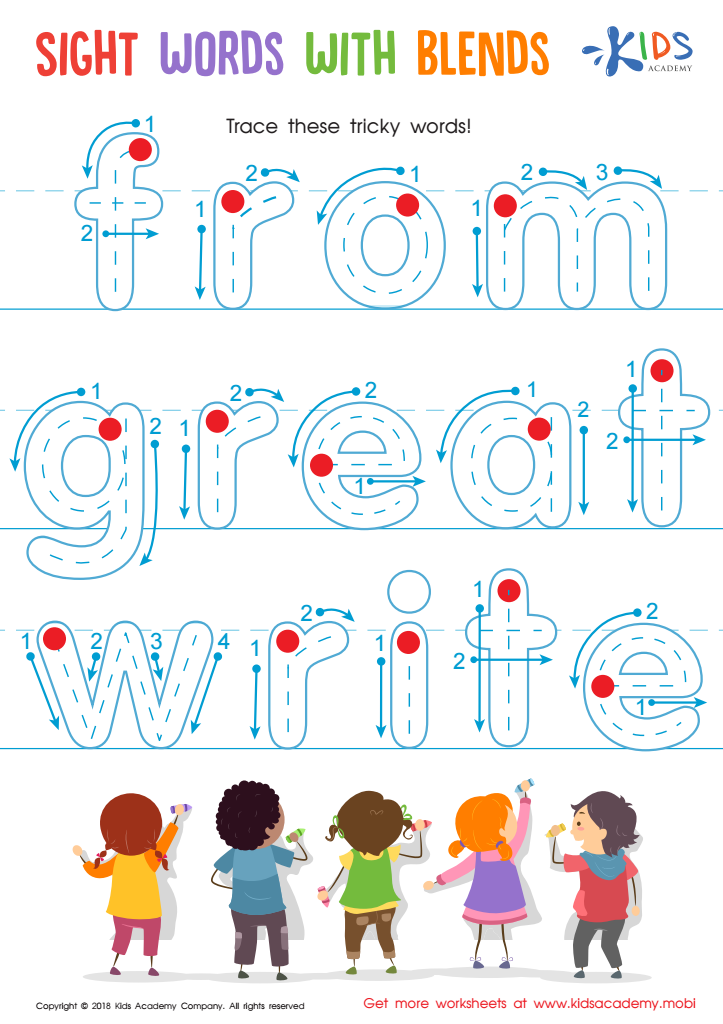
Sight Words with Blends Worksheet
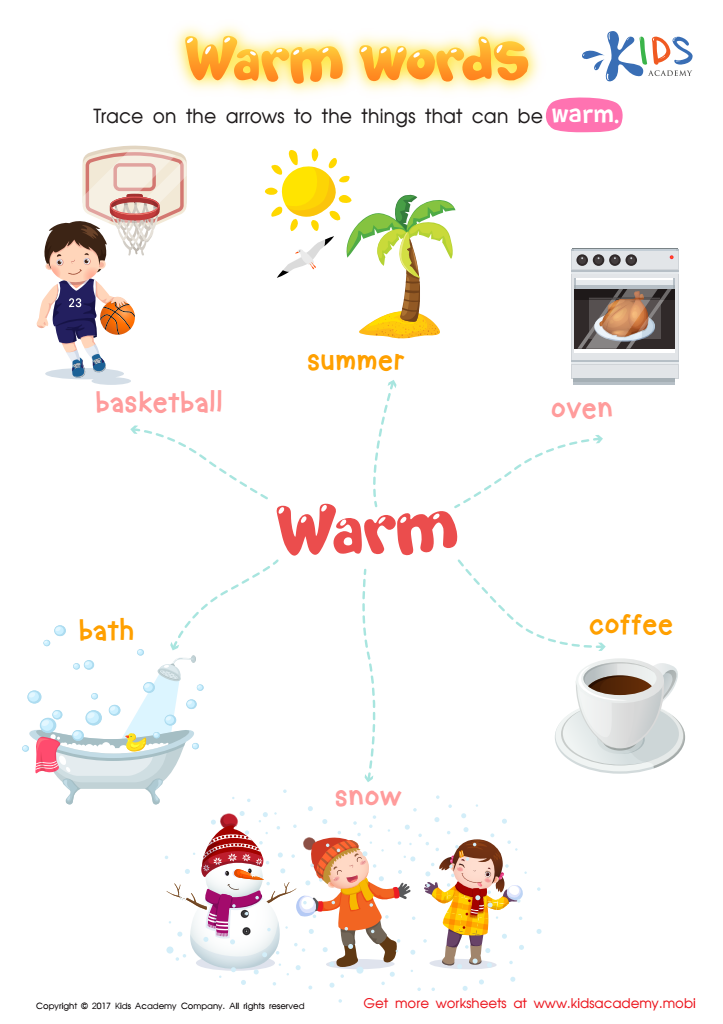
Warm Words Worksheet
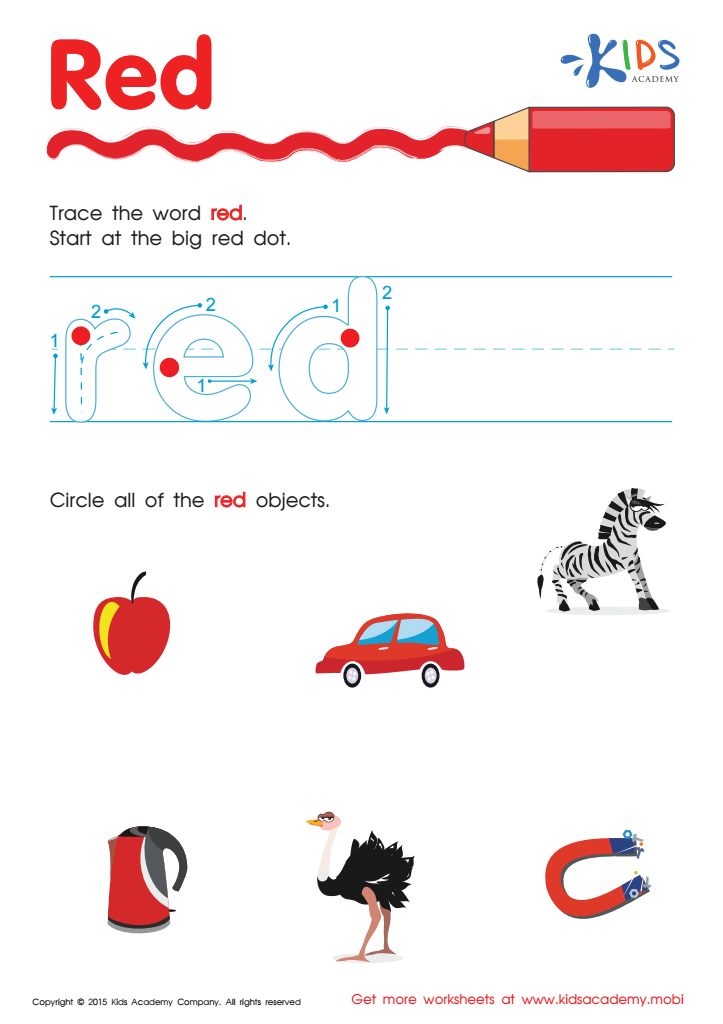
Red Tracing Color Words Printable
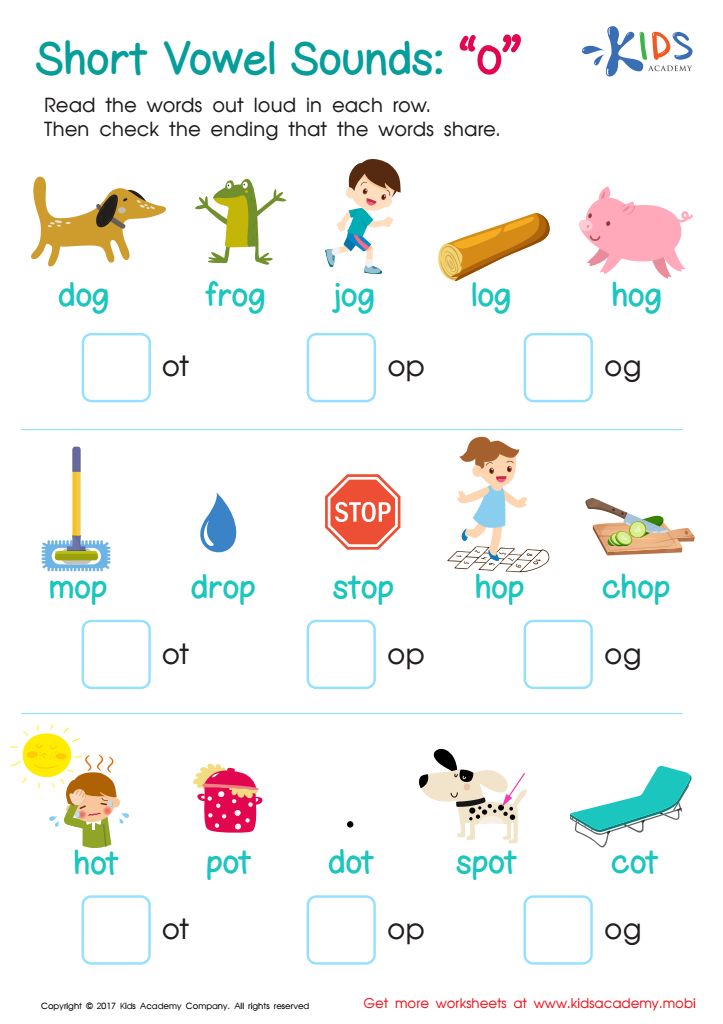
Short vowel Sounds "o" Spelling Worksheet
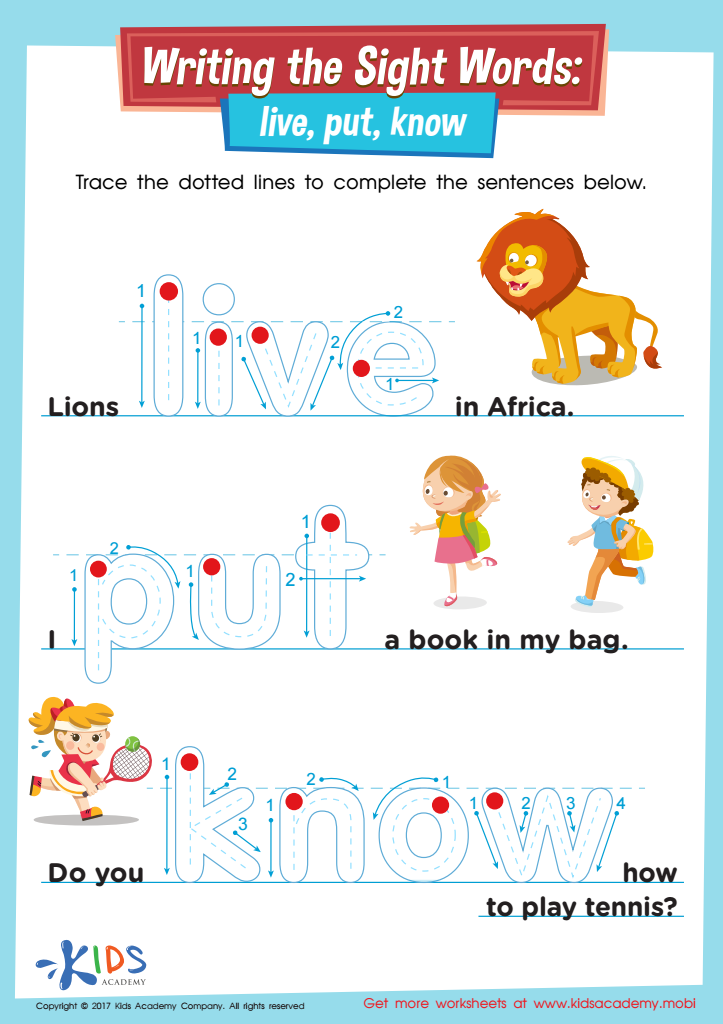
Live, Put, Know Printable Sight Words Worksheet
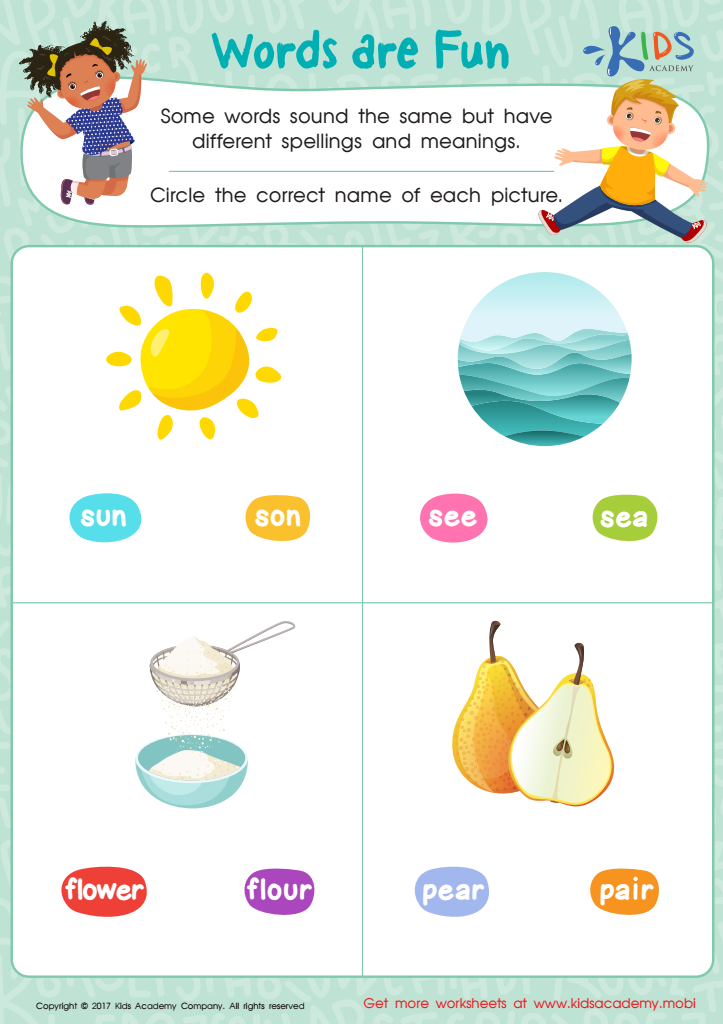
Words Are Fun Worksheet
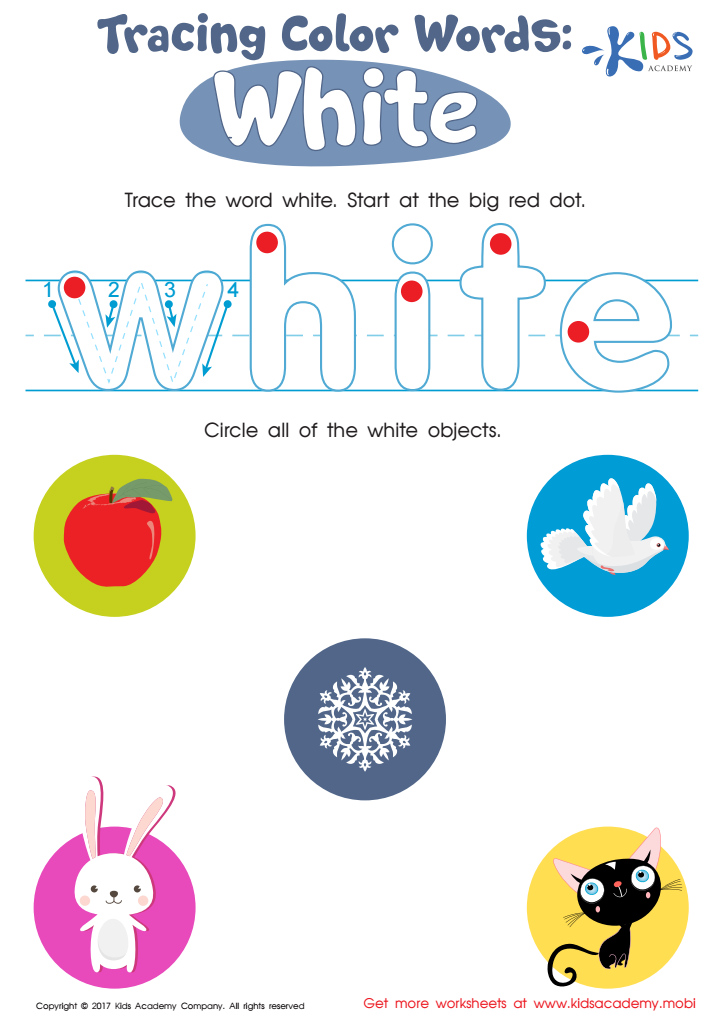
White Tracing Color Words Worksheet
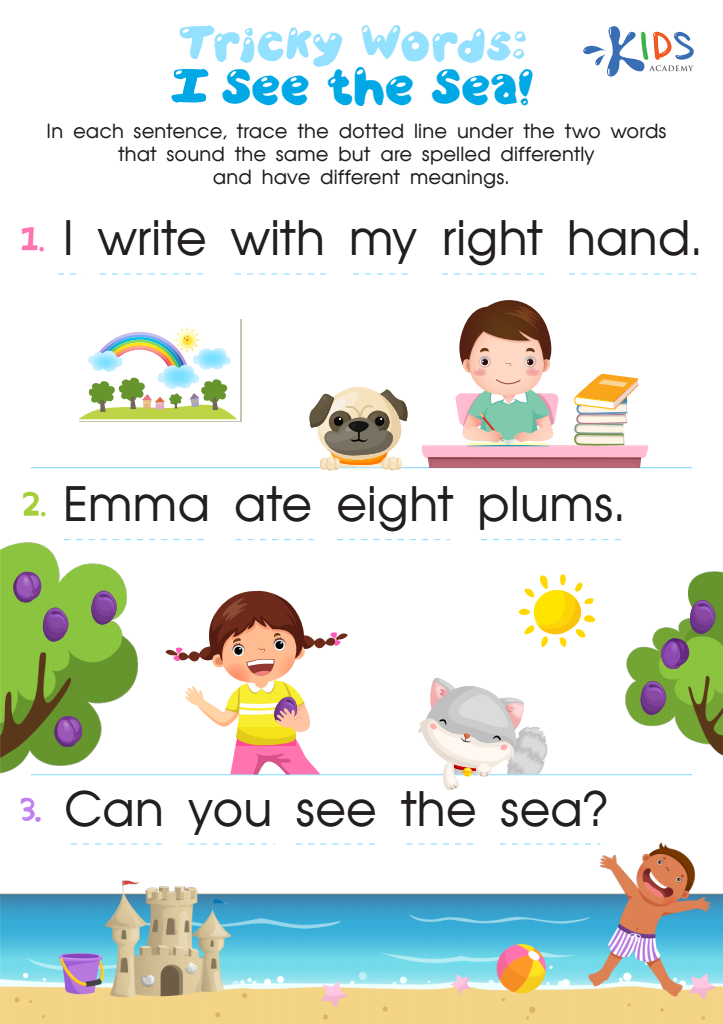
Tricky Words Worksheet
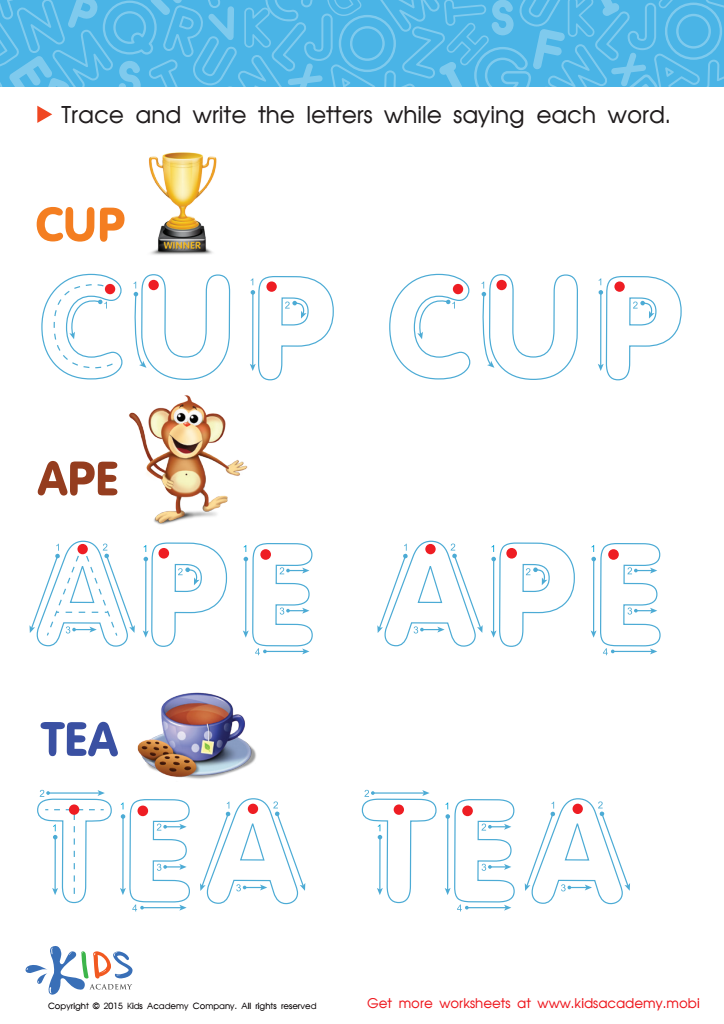
A Cup, an Ape and Tea Spelling Worksheet
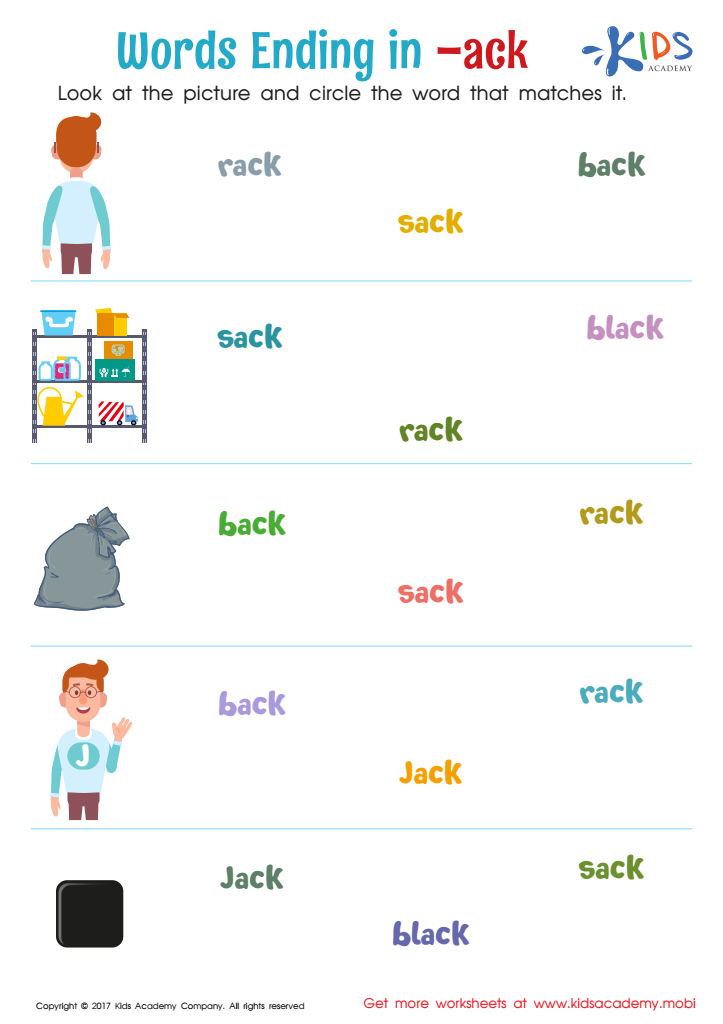
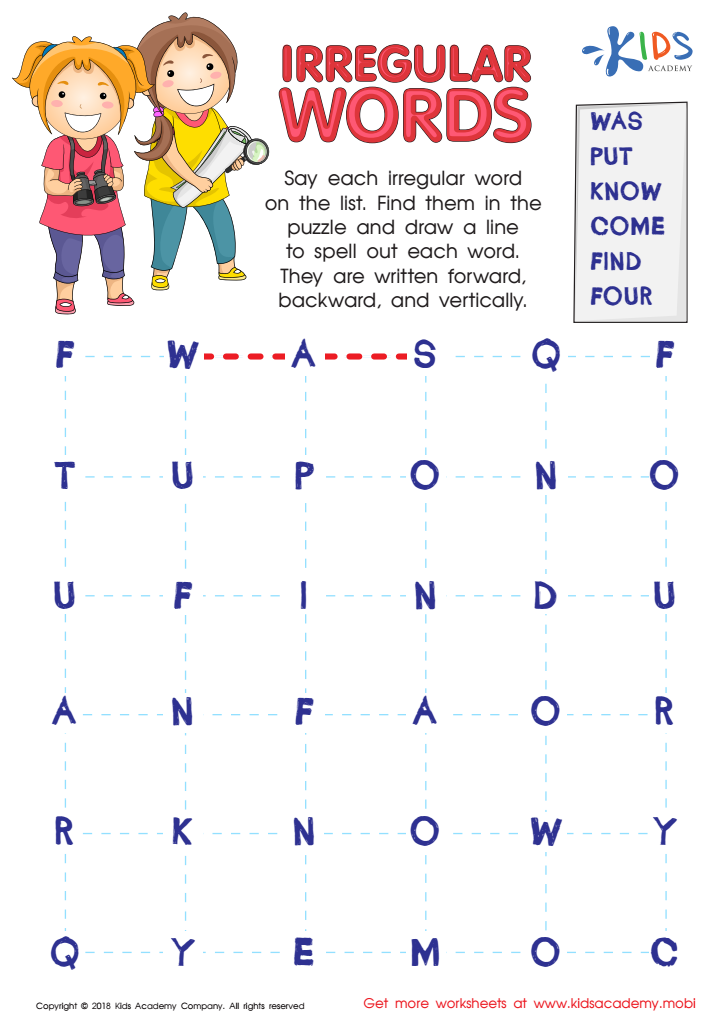
Irregular Words Worksheet
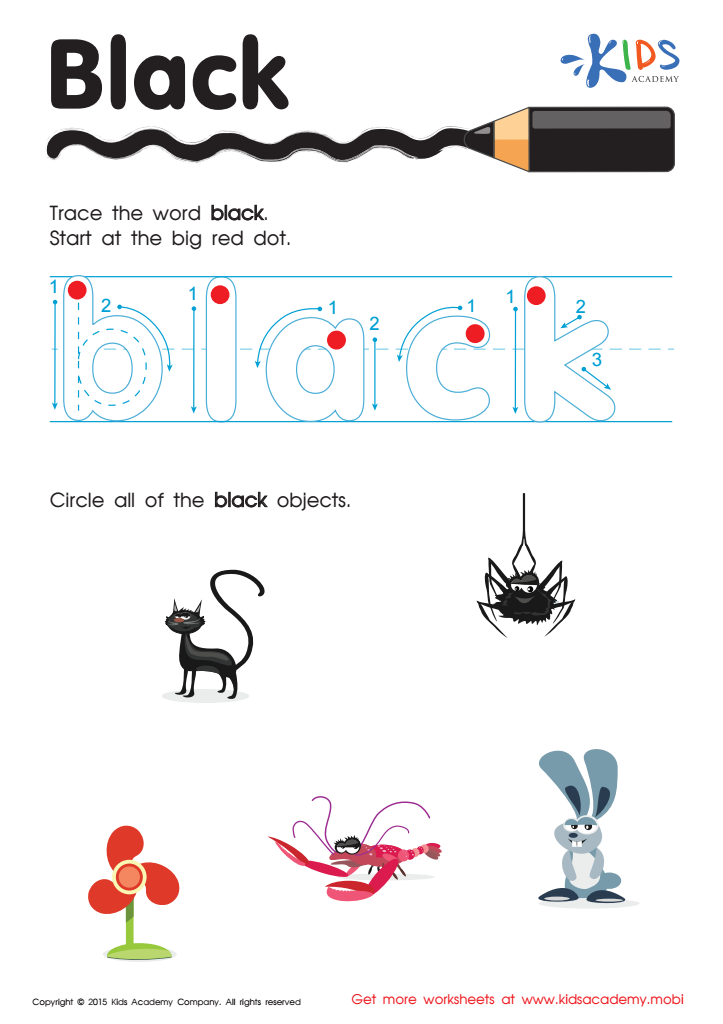
Black Tracing Color Words Printable








Spelling practice is vital for 6-year-olds, as it lays the foundation for their reading and writing skills. At this age, children are developing phonemic awareness, which is the ability to identify and manipulate sounds in words. Consistent spelling practice helps them connect sounds to letters, enhancing their ability to decode words while reading and construct sentences while writing. This foundational skill boosts their confidence in literacy and academic success overall.
Additionally, spelling extends beyond mere memorization; it involves understanding word patterns, structure, and meaning. Familiarity with spelling patterns assists children in deciphering new words independently, thus promoting lifelong learning. Furthermore, practicing spelling in a fun and engaging manner fosters a positive attitude toward reading and writing, encouraging a love for literacy.
Parents and teachers play a pivotal role in guiding this developmental journey. Their support in spelling practice not only helps children excel academically but also cultivates essential skills such as persistence, focus, and effective communication. Emphasizing normal writing in conjunction with spelling enforces correct grammar and punctuation, making students more effective writers. By prioritizing spelling practice, caregivers and educators can significantly impact a child’s literacy development, paving the way for future learning and self-expression.