Discover our engaging Alphabet Recognition Normal ABC Order Worksheets tailored for ages 7-8! Perfectly designed to enhance your child's understanding of alphabetical order, these worksheets focus on fun and interactive ways to boost their recognition skills. With a variety of activities, students will practice ordering letters and sharpen their proficiency in alphabet sequencing. Our carefully crafted exercises aim to build a strong foundation in early literacy, making learning both enjoyable and effective. Ideal for classrooms or at-home learning, our worksheets help foster confidence and academic growth in young learners. Browse our collection and watch your child master the alphabet with ease!

Check out this FREE Trial Lesson on ABC Order for age 7-8!

C

Favorites
With answer key
Interactive
  • 7-8
  • Alphabet Recognition
  • ABC Order
  • Normal
Letter O worksheets
Letter O worksheets

Letter O Tracing Page

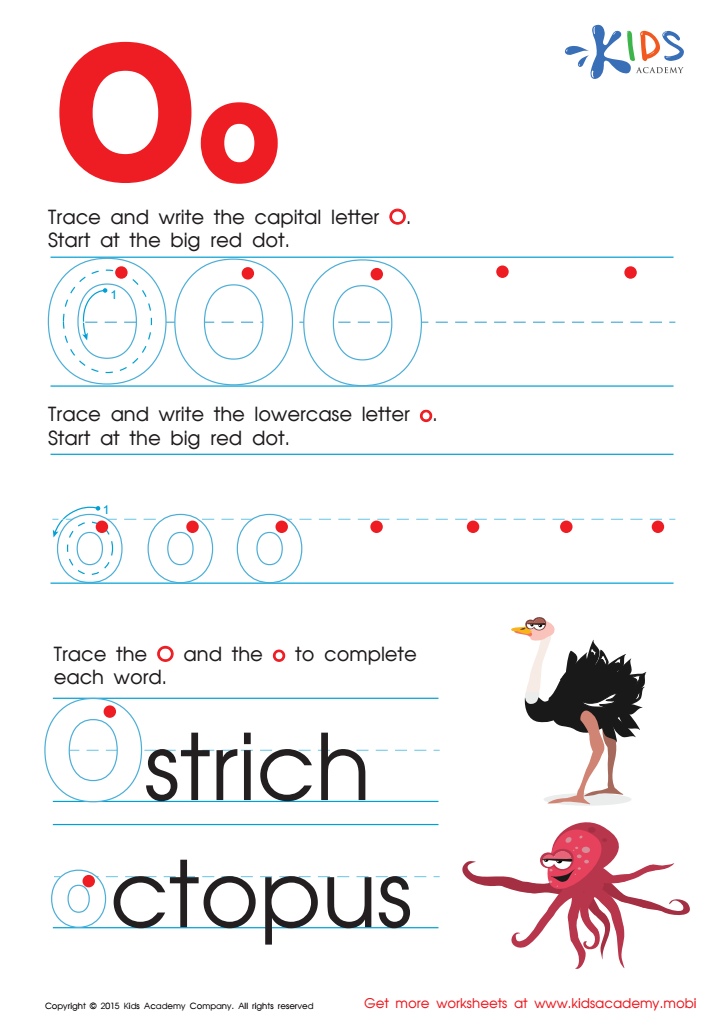
Practice writing the letter "O" with our new worksheet. Trace and write the letter several times, starting at the red dot. First do the uppercase letter, then the lowercase. Use the pictures to complete the words "Ostrich" and "octopus". Kids Academy offers more fun alphabet worksheets.
Letter O Tracing Page
Worksheet
Letter I worksheets
Letter I worksheets

Letter I Tracing Page

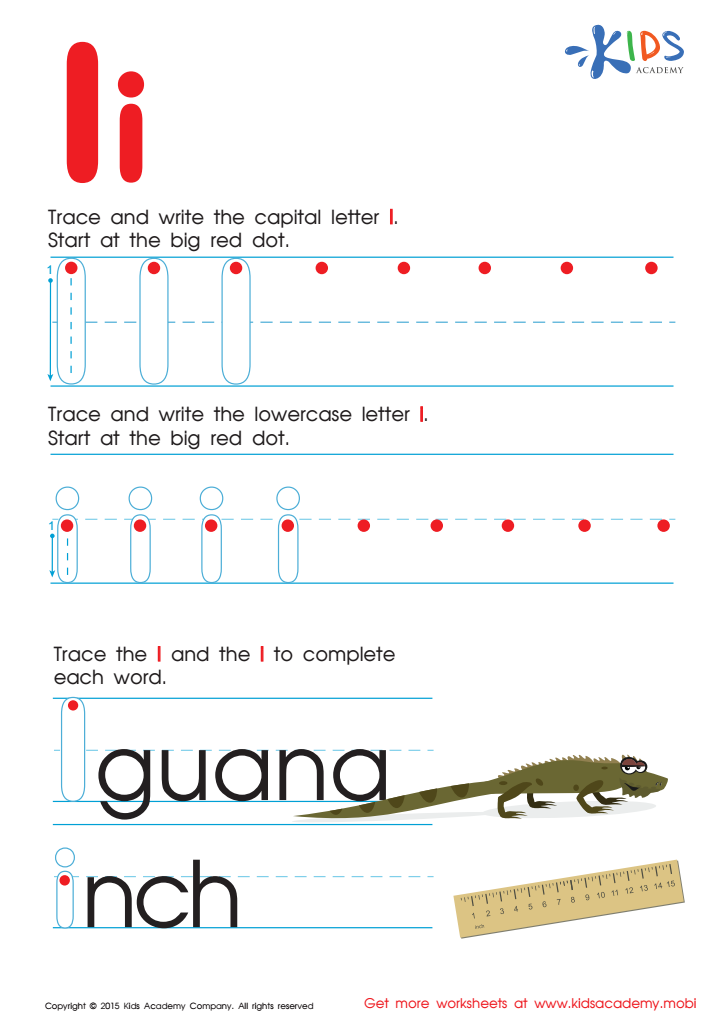
Trace and write "I" uppercase and lowercase. An iguana's tail looks like the uppercase "I" and the lowercase "i" is as small as an inch. Make learning fun with Kids Academy worksheets.
Letter I Tracing Page
Worksheet
letter C worksheets
letter C worksheets

Letter C Tracing Page

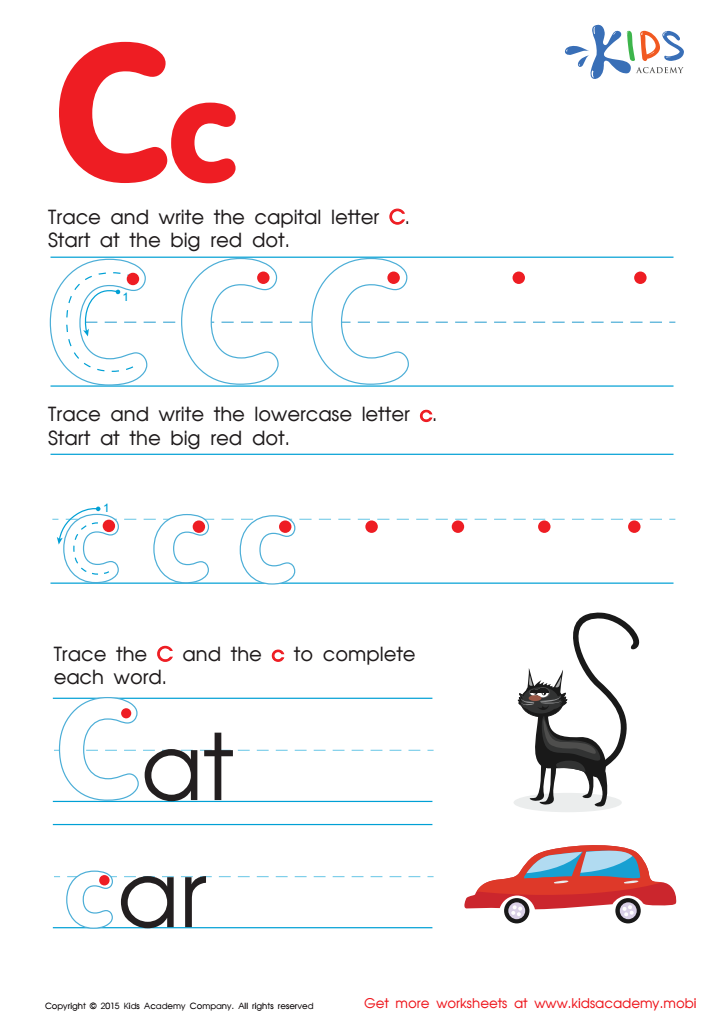
Trace and write the letter 'C'! Put the pencil at the red dot then follow the lines – the capital letter first then the lowercase one. Cats love it and so will you! Get more free printables to practice tracing and writing.
Letter C Tracing Page
Worksheet
Letter М worksheets
Letter М worksheets

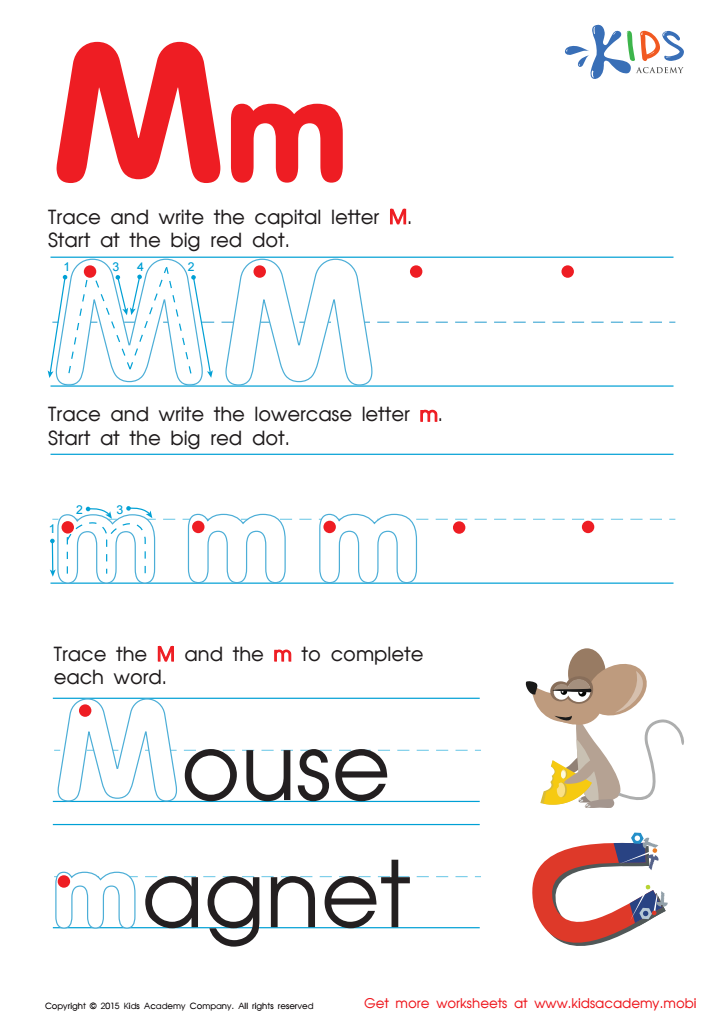
Letter M Tracing Page

Trace and write the letter "M" to help kids learn the alphabet. Start at the red dot and practice several times. Trace the capital letter first, then move on to the lowercase. Complete words like "mouse" and "magnet" in the further exercise. Get more free printables here.
Letter M Tracing Page
Worksheet
Letter J worksheets
Letter J worksheets

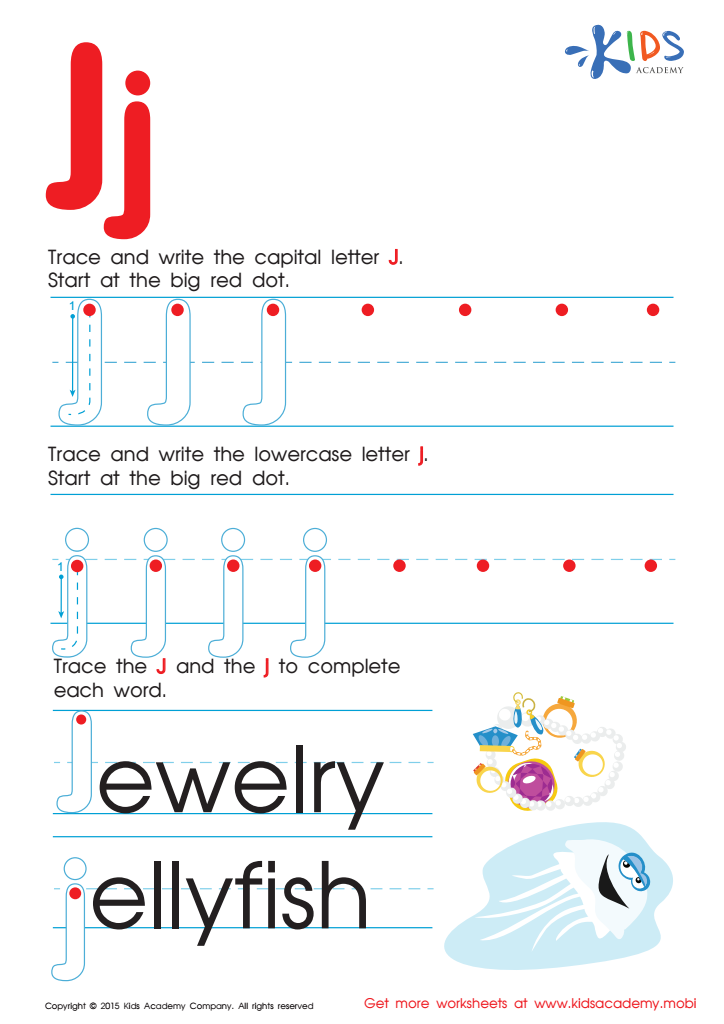
Letter J Tracing Page

Trace and write the letter "J" with our ABC worksheet - start at the big red dot! Have fun completing words like jewelry, jellyfish and more. Check out our kindergarten activities for more alphabet practice.
Letter J Tracing Page
Worksheet
Letter N worksheets
Letter N worksheets

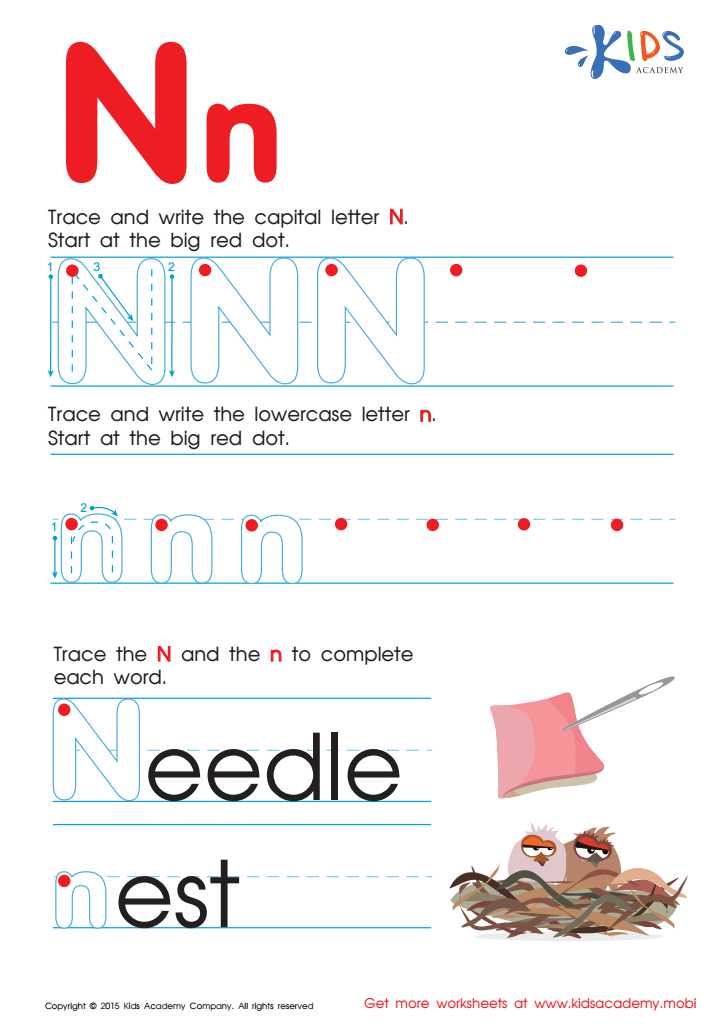
Letter N Tracing Page

Trace and write capital "N" and lowercase "n" several times. Then try forming words like "needle" and "nest". Master letter writing with Kids Academy's collection of ABC worksheets for kindergarten.
Letter N Tracing Page
Worksheet
letter b worksheets
letter b worksheets

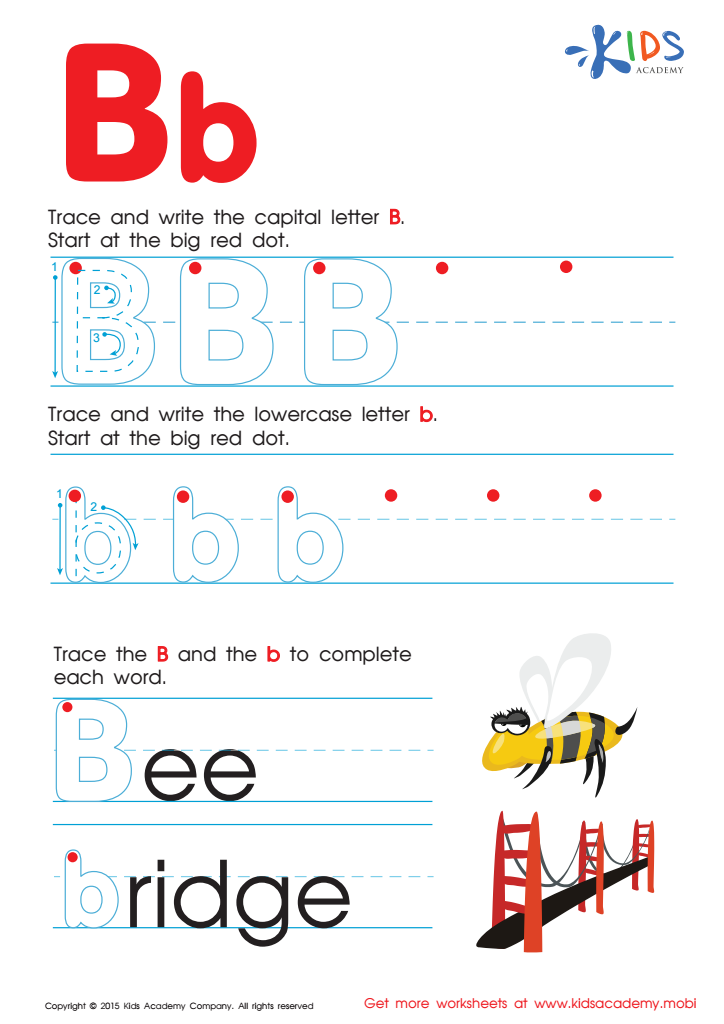
Letter B Tracing Page

Ready to learn the Alphabet? Put your pencil on the red dot and trace & write both capital & lowercase "B". Then have a look at the pictures. Catch the bee, cross the bridge & write the letters to complete the words. More ABC worksheets for kindergarten available!
Letter B Tracing Page
Worksheet
letter e worksheets
letter e worksheets

Letter E Tracing Page

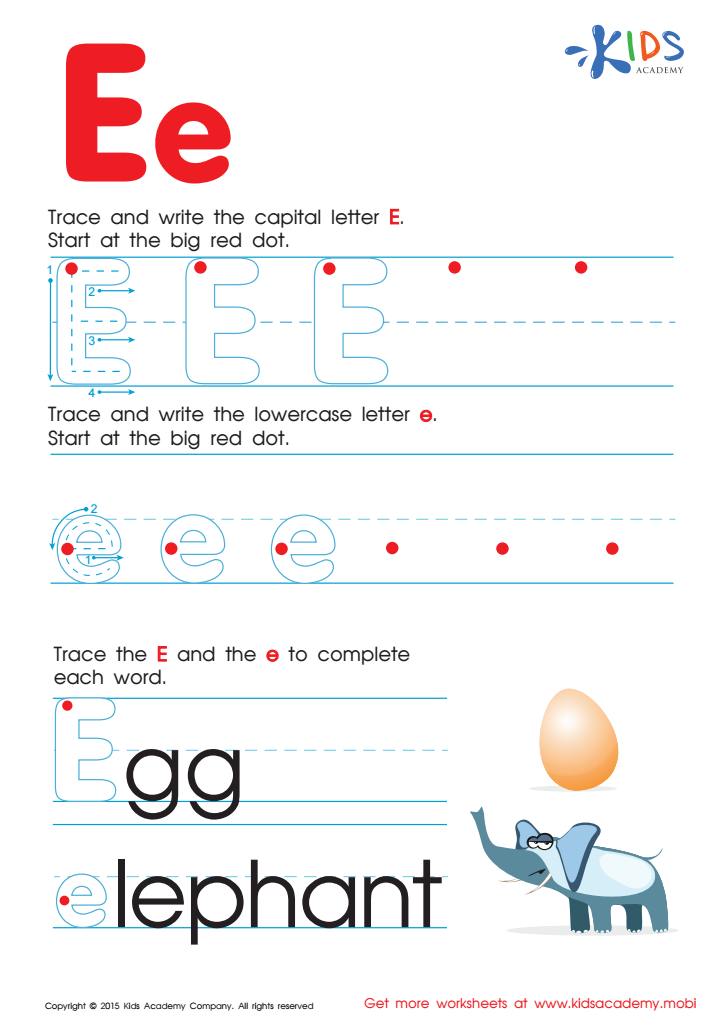
Trace and write the uppercase and lowercase "E" starting at the big red dot. Complete words to perfect letter writing. Egg and Elephant must be written carefully. More alphabet worksheets for kindergarten are available for download to spend more time with your children learning.
Letter E Tracing Page
Worksheet


Alphabet recognition in the normal ABC order is a key foundational skill for children aged 7-8 as it directly impacts their reading and writing development. Understanding the order of the alphabet helps children to organize information alphabetically, a skill that is not only crucial for tasks in the classroom but also for functioning in daily life. For instance, recognizing and sequencing letters correctly aids in using dictionaries, understanding indices, and navigating something as common as alphabetical lists, which are present in many contexts.

Moreover, alphabet recognition supports phonemic awareness, an essential component of learning to read. If a child can fluently name and sequence letters, they are better prepared to map sounds to symbols, which is the basis for decoding words. This fluency also aids in the retrieval of stored words during reading and writing tasks, making the process more automatic and less frustrating for young learners.

Caring about and actively supporting alphabet recognition builds a strong literacy foundation, empowers children to engage more confidently with learning materials, and encourages a lifelong love of reading. Engaged parents and teachers can employ creative methods like songs, games, and hands-on activities to make this learning process enjoyable, ensuring academic success and boosting the child's self-esteem.