Cognitive Development Normal Phonics Worksheets for Ages 7-8
3 filtered results
-
From - To
Unlock your child's potential with our "Cognitive Development Normal Phonics Worksheets for Ages 7-8." These expertly designed materials enhance phonics and literacy skills, fostering critical cognitive growth during crucial developmental years. Each worksheet, crafted by educational professionals, offers engaging activities that reinforce phonemic awareness, letter-sound relationships, and reading proficiency. Ensuring a balanced blend of fun and learning, our resources help children confidently progress in recognizing words, spelling, and reading comprehension. Ideal for classroom use or at-home practice, our worksheets support every child's journey toward mastering phonics and developing strong cognitive abilities. Explore our concise, effective solutions today!
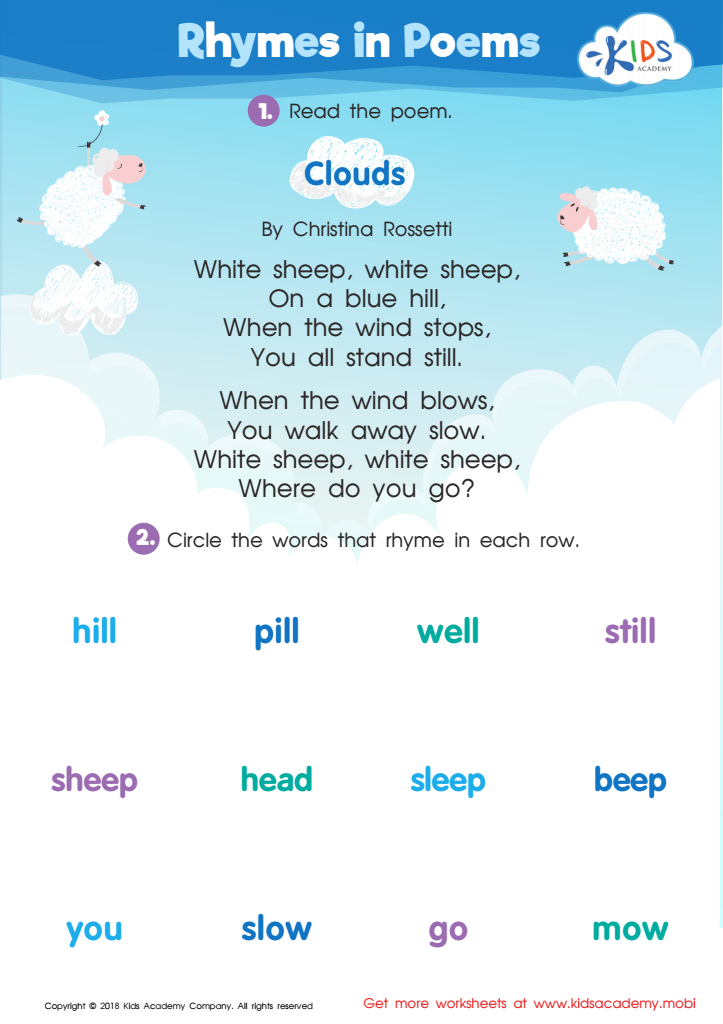
Rhymes in Poems Worksheet
 Assign to My Students
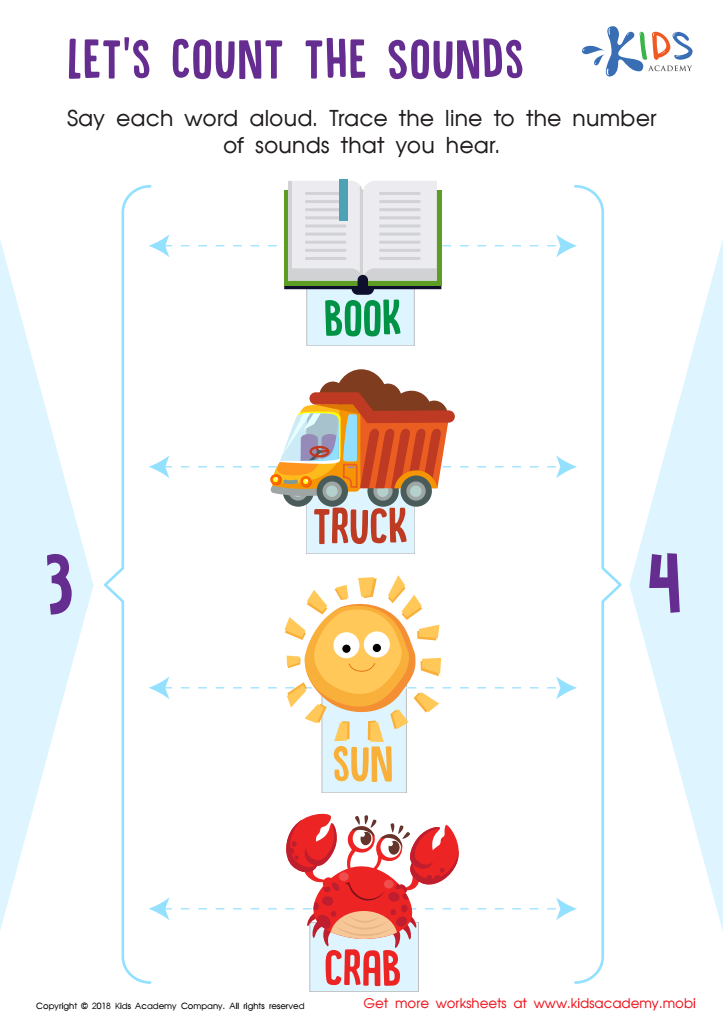
Let's Count the Sounds Worksheet
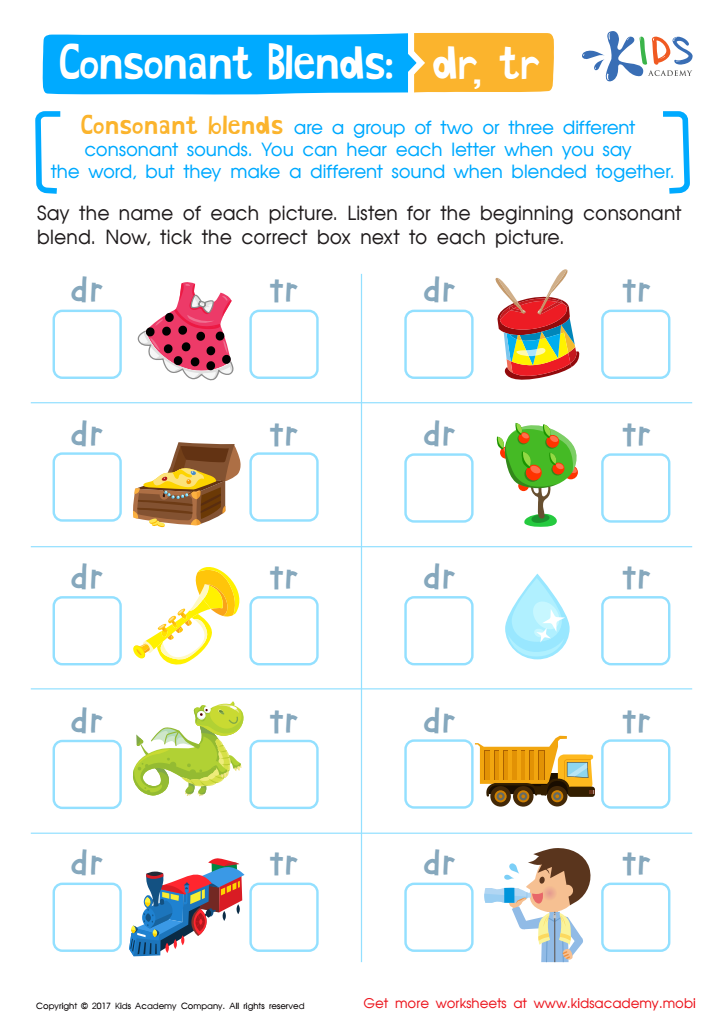
Consonant Blends: "Dr" and "Tr" Printable








Parents and teachers should care deeply about Cognitive Development and Normal Phonics for children aged 7-8 because these formative years are crucial for setting the foundation for future academic success and overall cognitive growth. At this age, children typically transition from "learning to read" to "reading to learn." Phonics, the understanding of the relationship between letters and their corresponding sounds, is central to this developmental stage. Proficient phonics skills enable children to decode new words independently, facilitating smoother, more fluent reading.
Cognitive development at this age also encompasses critical thinking, problem-solving, and memory skills. Phonics instruction directly supports these cognitive processes by encouraging children to recognize patterns and make connections between sounds and letters—skills that contribute to stronger reading comprehension and verbal proficiency. Without a solid grasp of phonics, children may struggle with reading, leading to potential difficulties across other subjects, as reading is fundamental to most learning activities.
Furthermore, early success in reading boosts children's confidence and motivation, encouraging a lifelong love of learning. Parents and teachers play a vital role in nurturing this development through engaging activities, reading together, and providing a phonics-rich environment. Such support ensures children develop essential literacy skills, laying the groundwork for continued educational and personal growth.







