Phonics Skills Normal Short Vowels Worksheets for Ages 7-8
5 filtered results
-
From - To
Enhance your child’s reading skills with our engaging Normal Short Vowels Worksheets designed for ages 7-8. This collection focuses on phonics skills, providing interactive activities that help young learners master short vowel sounds in a fun and engaging way. Each worksheet includes vibrant illustrations and a variety of exercises, ensuring that children can practice identifying, using, and manipulating short vowels effectively. With a focus on building essential literacy skills, these worksheets are perfect for at-home learning or supplemental classroom activities. Foster confidence and a love for reading as your child explores the world of short vowels through our thoughtfully crafted materials!
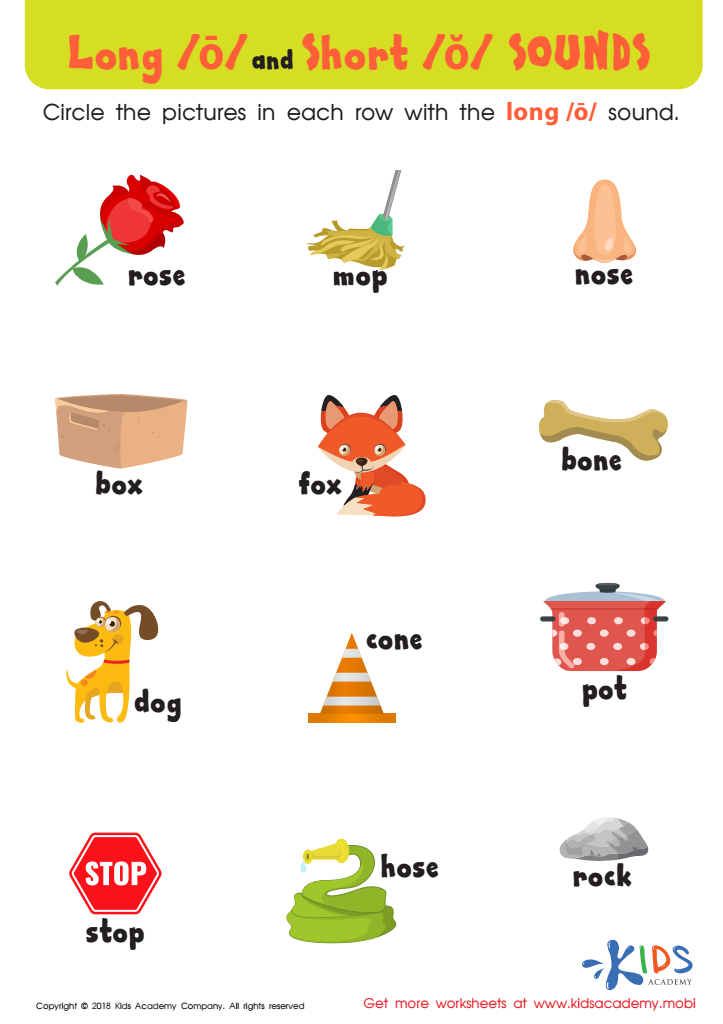
Reading: Long O and Short O Sounds Worksheet
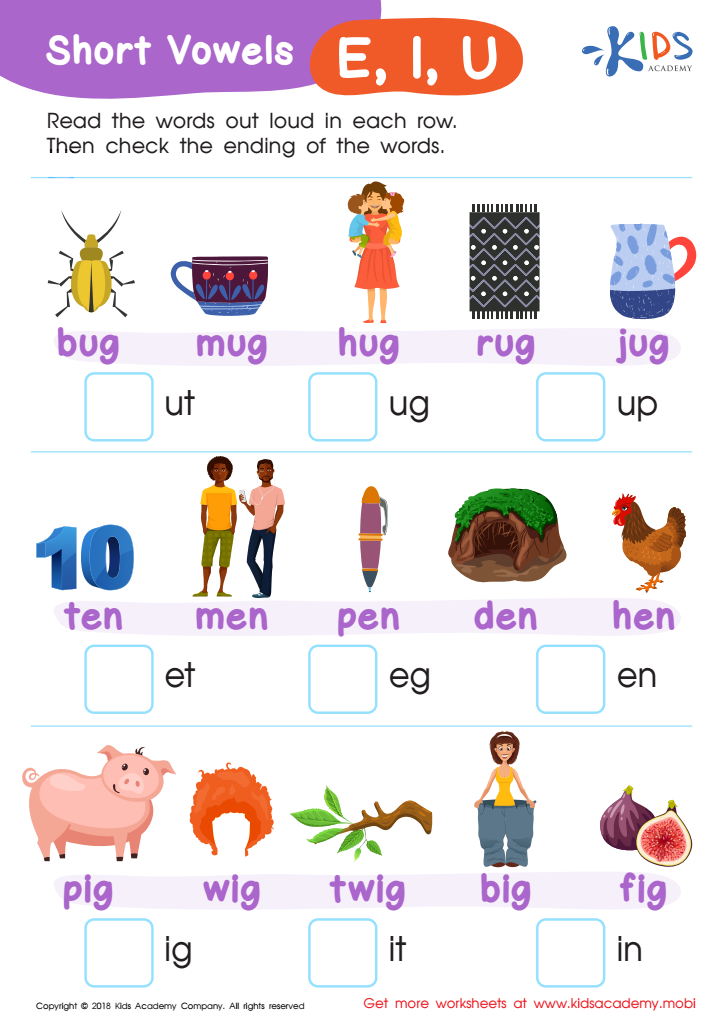
Short Vowels /e/, /i/, and /u/ Worksheet
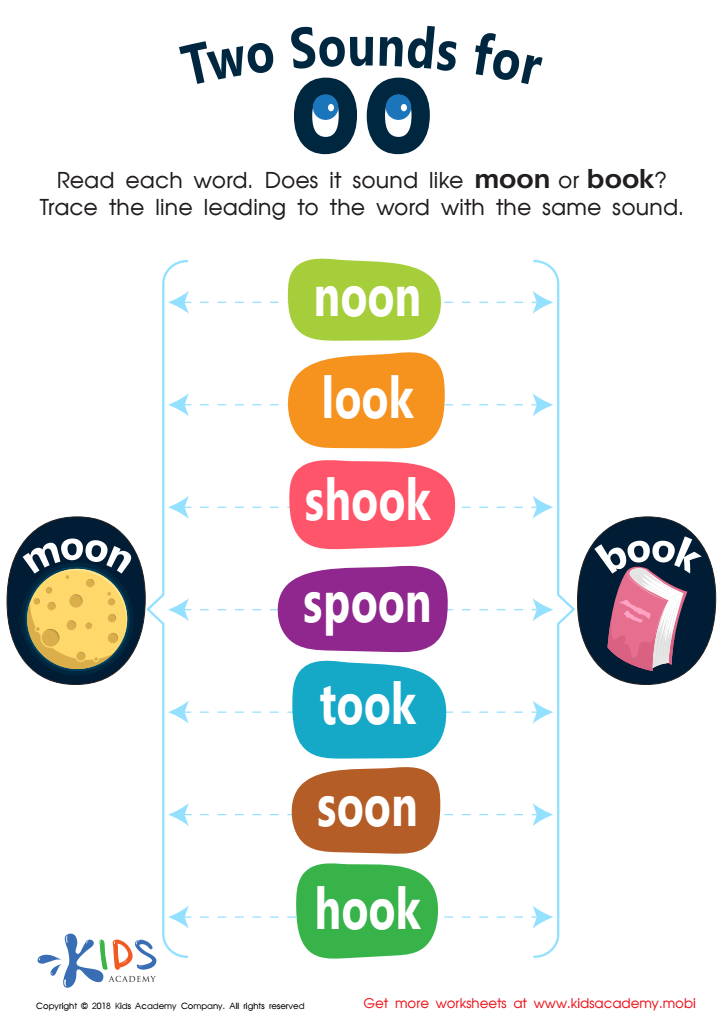
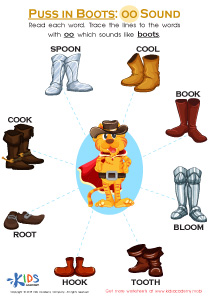
Two Sounds for OO Worksheet
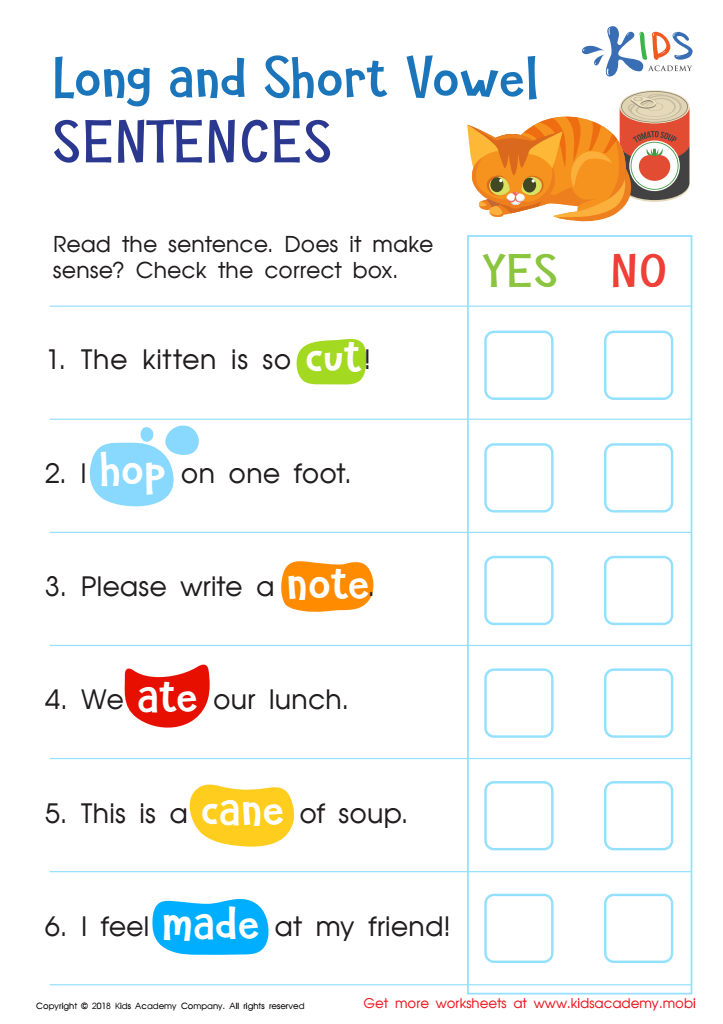
Long and Short Vowel Sentences: Assessment Worksheet
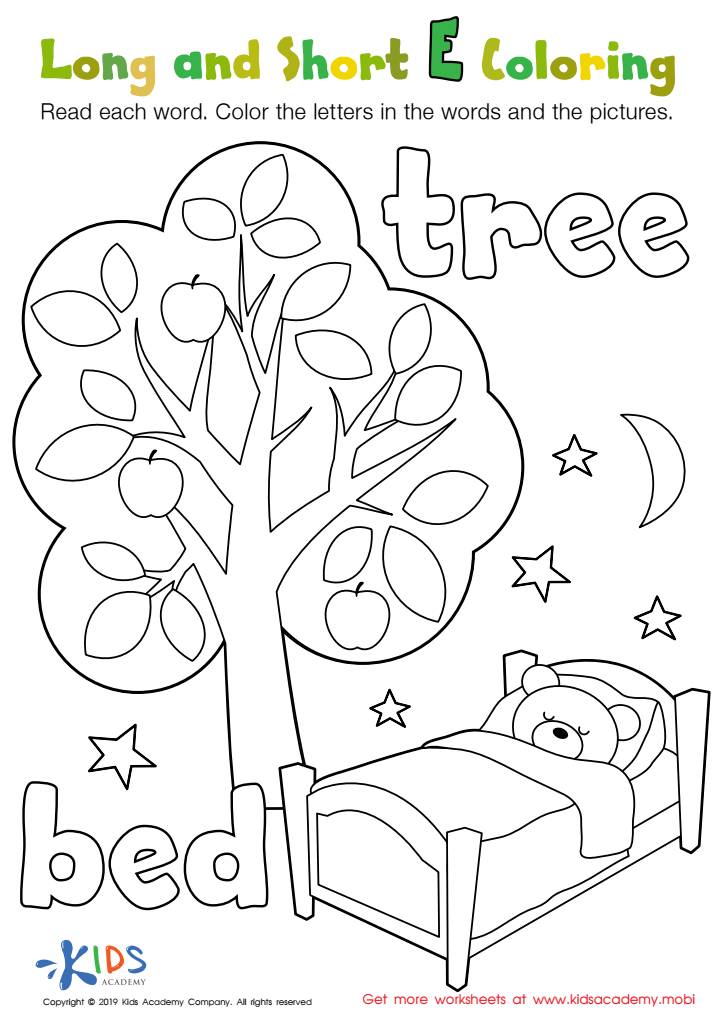
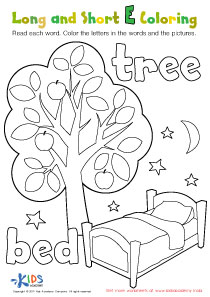
Long and Short E Worksheet
 Assign to My Students



Phonics skills, particularly mastering normal short vowels, are crucial for children aged 7-8 as they lay the foundation for successful reading and writing. At this age, children are transitioning from "learning to read" to "reading to learn," making strong phonics skills vital for comprehension and academic progress.
Short vowels—such as /a/ in "cat," /e/ in "bed," /i/ in "sit," /o/ in "pot," and /u/ in "sun"—are foundational sounds that appear frequently in English. Familiarity with these sounds enhances decoding skills, enabling students to read unfamiliar words confidently. When parents and teachers prioritize phonics, they help improve not only reading fluency but also overall literacy, which is essential for future learning.
Moreover, understanding short vowels supports writing skills; children who master these sounds can more easily spell common words, reducing frustration and bolstering confidence. Phonics instruction also fosters a positive attitude towards literacy, as children experience success in reading.
In summary, a strong grasp of phonics and normal short vowels equips young learners with important skills for academic achievement, boosting their confidence and joy in reading, which are vital for their lifelong love of learning.