Alphabet Recognition Normal Tracing Letters Worksheets for Ages 7-8
9 filtered results
-
From - To
Enhance your child's alphabet recognition with our engaging Normal Tracing Letters Worksheets, specially designed for ages 7-8. These worksheets offer fun and interactive activities that help young learners master their letters through tracing and repetition. Each page is crafted to boost fine motor skills and reinforce letter recognition, ensuring kids can confidently identify and write each letter of the alphabet. With thoughtfully designed exercises, children will practice both uppercase and lowercase letters, making learning enjoyable and effective. Foster a love for learning and set the foundation for reading success with our comprehensive tracing worksheets today! Download now and watch their skills flourish!
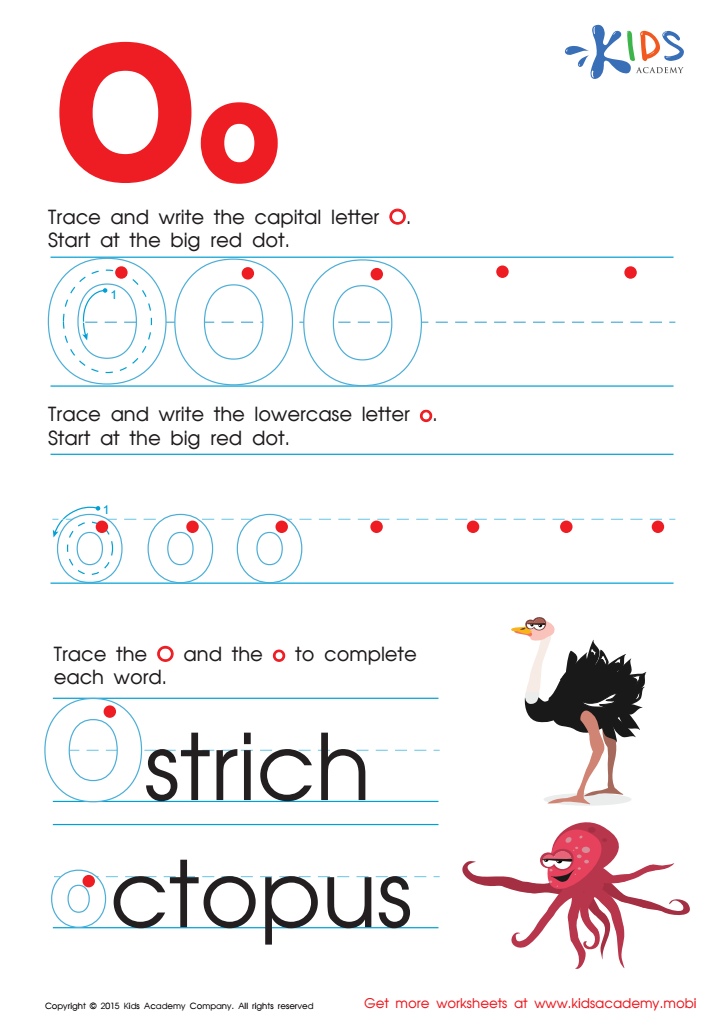
Letter O Tracing Page
 Assign to My Students
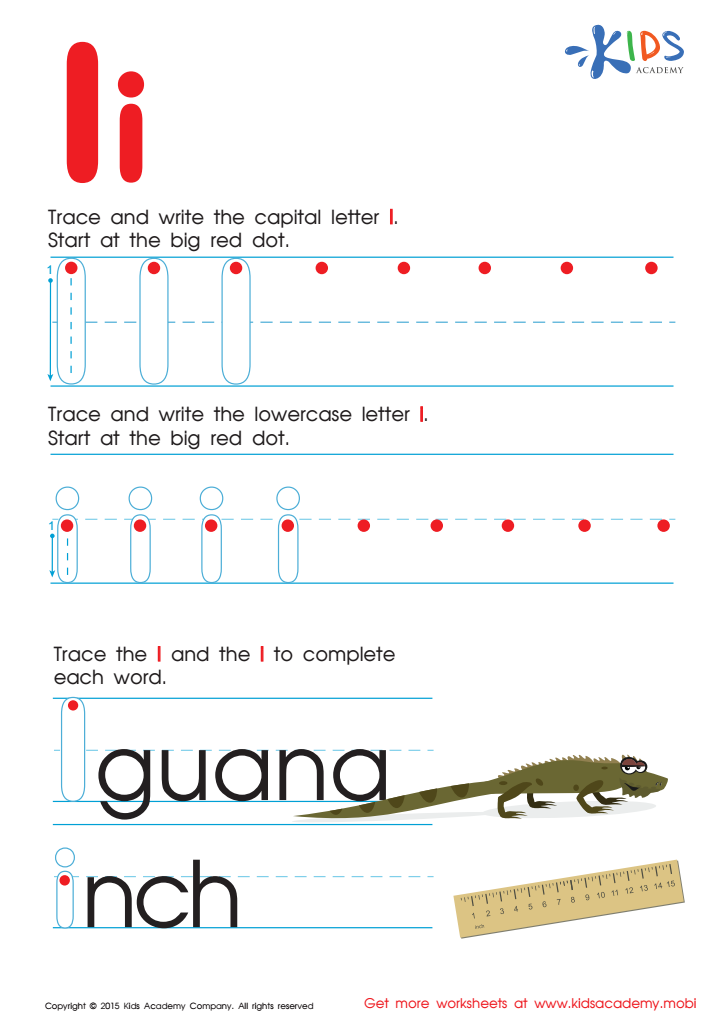
Letter I Tracing Page
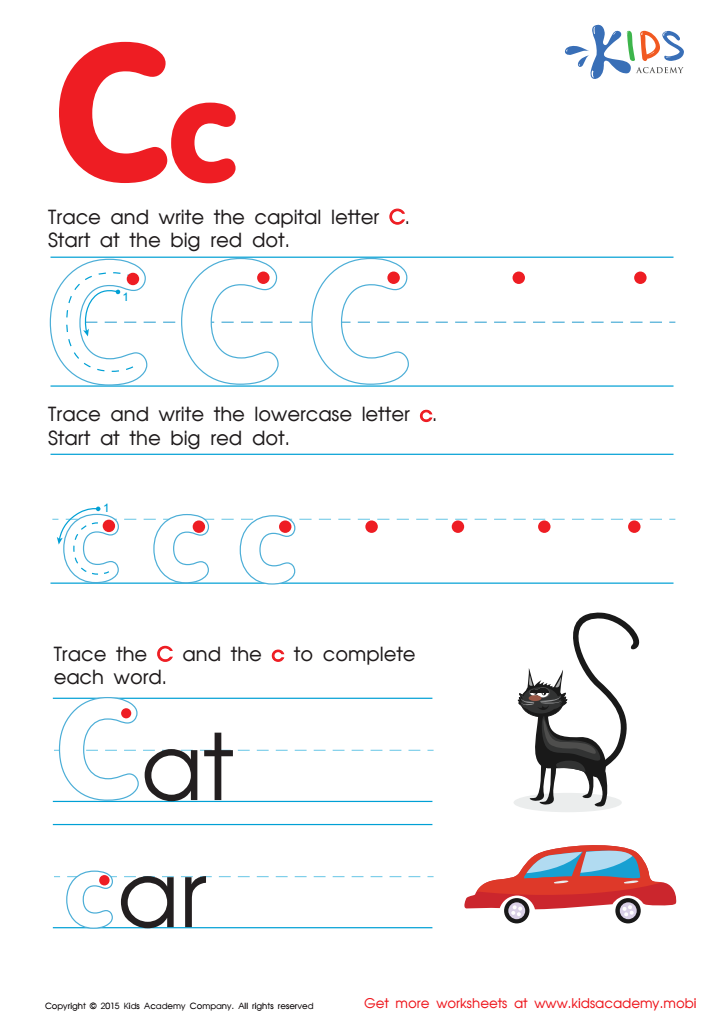
Letter C Tracing Page
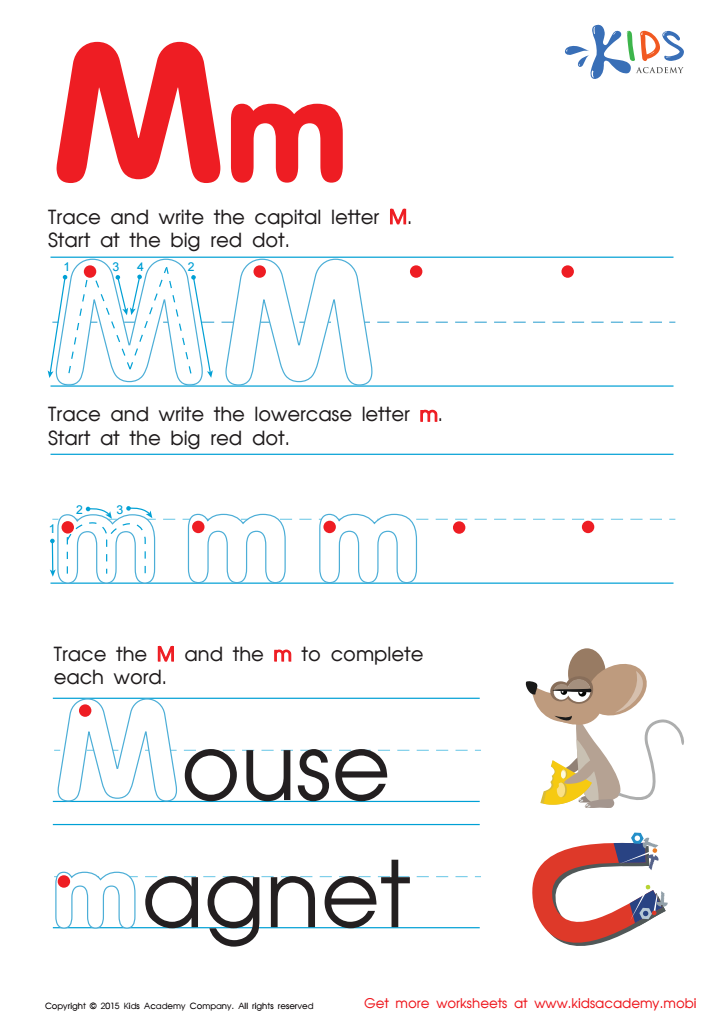
Letter M Tracing Page
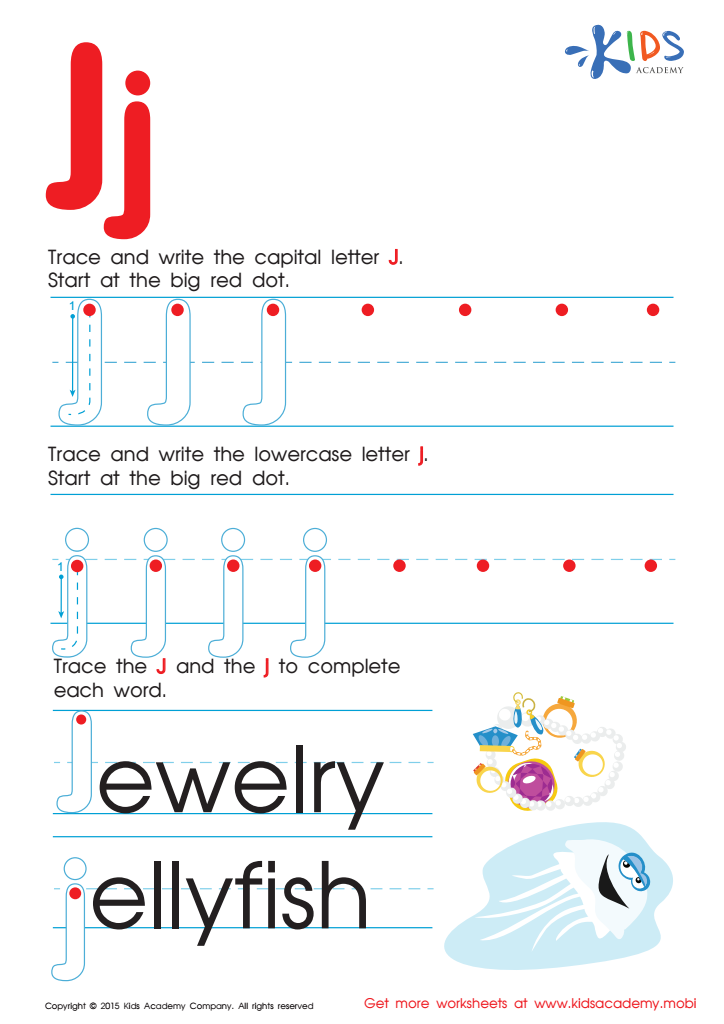
Letter J Tracing Page
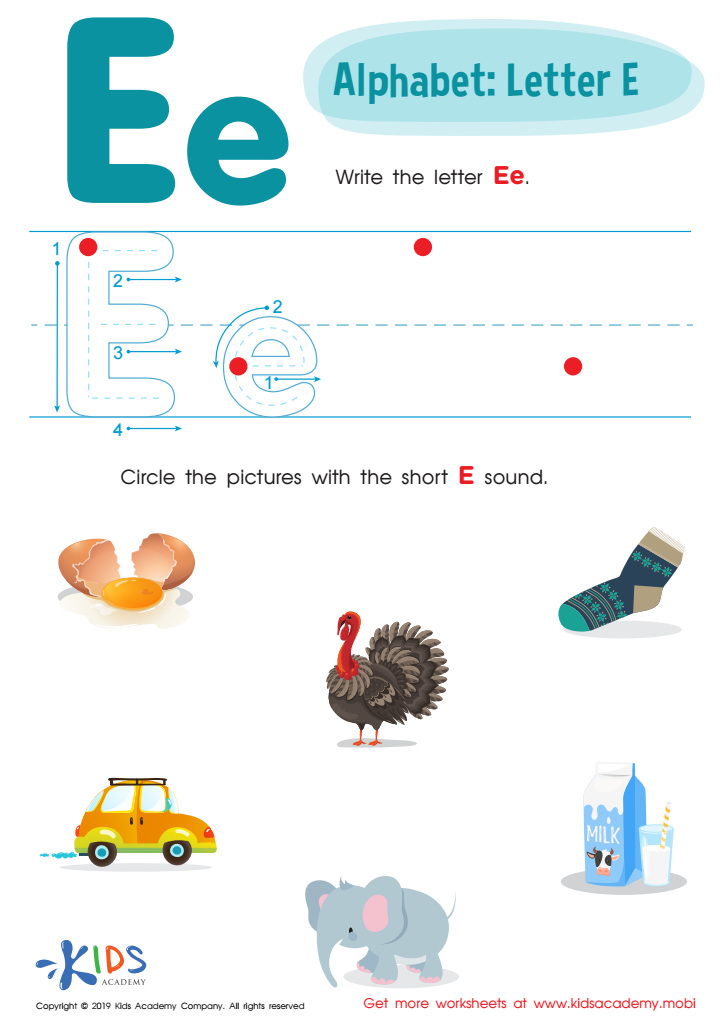
Letter E Tracing Worksheet
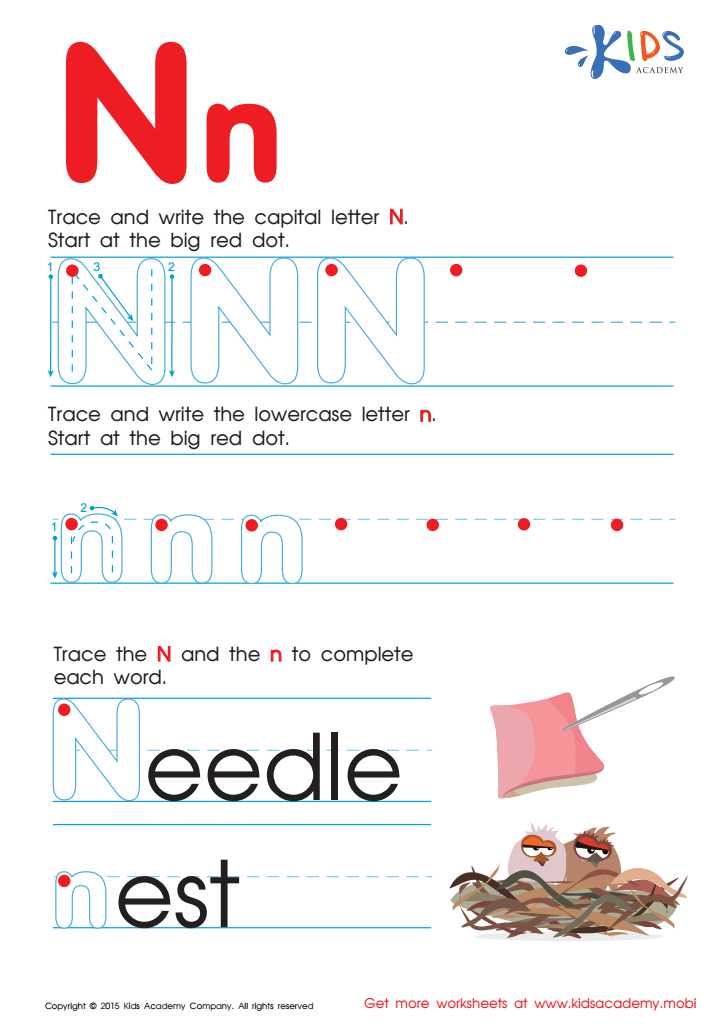
Letter N Tracing Page
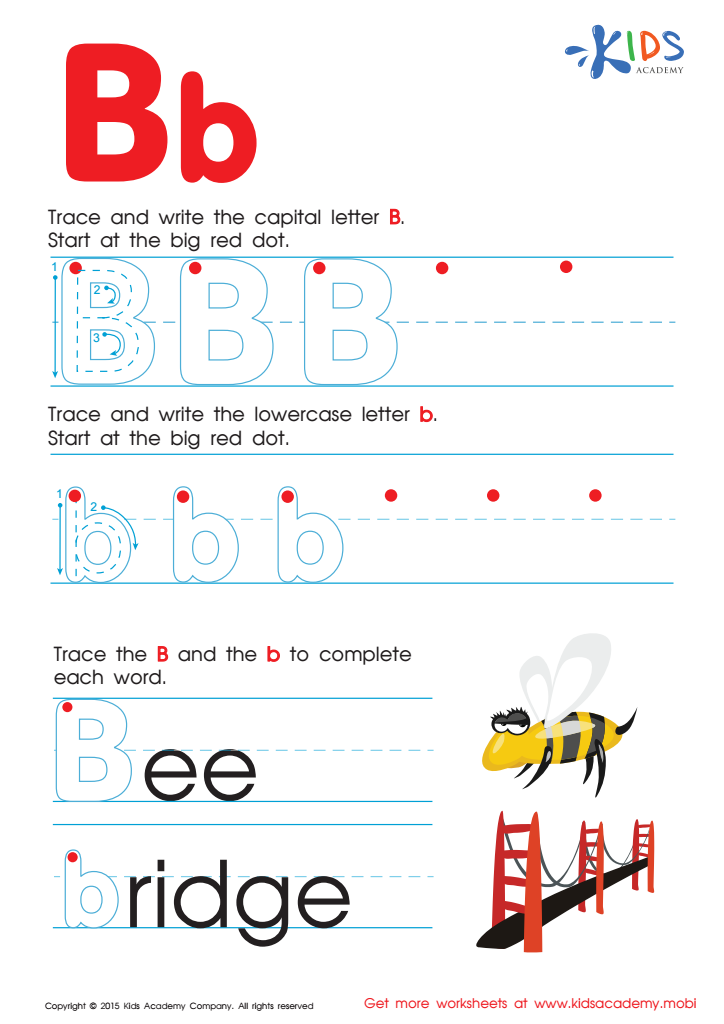
Letter B Tracing Page
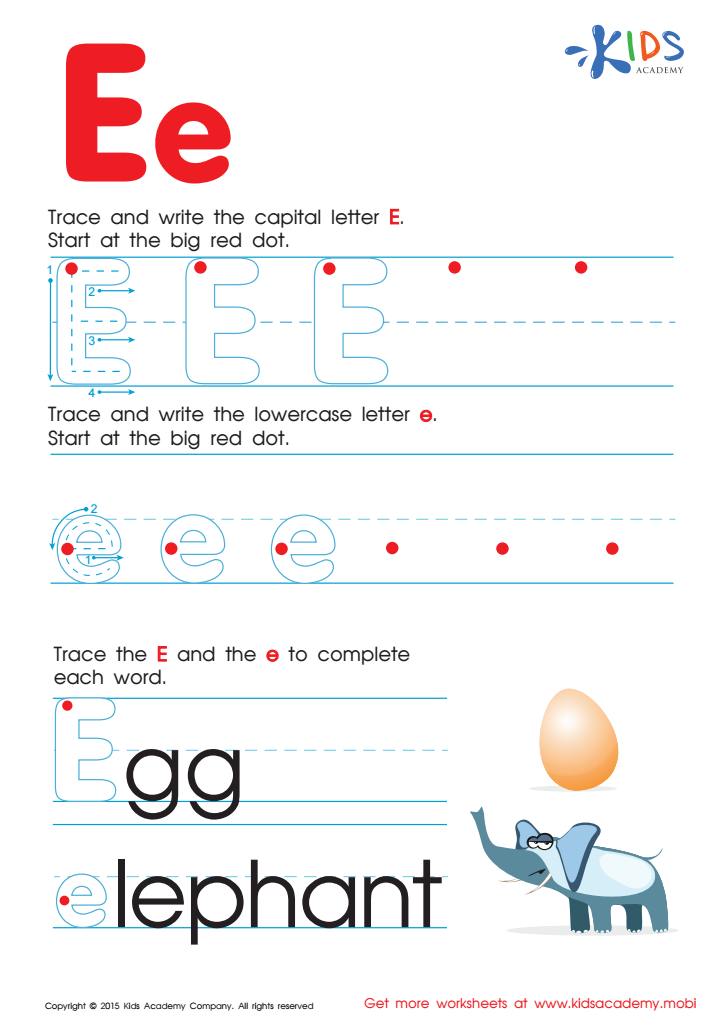
Letter E Tracing Page








Alphabet recognition and letter tracing are crucial developmental skills for children aged 7-8, and both parents and teachers should prioritize them. At this age, students are transitioning from learning to read to reading to learn, making a strong foundation in letter recognition essential. Mastery of the alphabet not only aids in decoding words but also supports writing proficiency. When children can recognize and accurately trace letters, they develop better fine motor skills necessary for writing, which is vital for their overall academic success.
Additionally, strong letter recognition fosters confidence in literacy, encouraging students to engage more actively in reading and writing activities. Engaged learners are more likely to explore new vocabulary and concepts. Moreover, as children advance in their education, they will encounter increasingly complex texts, so a solid grasp of letter shapes and sounds becomes paramount.
Furthermore, consistent practice through tracing reinforces memory retention, aiding in long-term learning. Schools often use tracing and recognition as part of their curriculum, and parents can reinforce this at home through fun, interactive games and activities. By prioritizing these skills, parents and teachers work collaboratively to ensure children are equipped for future learning challenges, setting the stage for lifelong literacy and academic achievement.








