Filters

6 filtered results

Clear all filters
Favorites
With answer key
Interactive

6 filtered results

Difficulty Level

Grade


Enhance your child's reading skills with our engaging Normal Vowel Team Worksheets designed for ages 7-8. These interactive worksheets focus on vowel teams, helping young learners recognize patterns and improve their reading comprehension. Each worksheet features fun activities that encourage critical thinking and boosts vocabulary, making reading an enjoyable experience. Ideal for reinforcing classroom learning or as supplemental home practice, our worksheets promote language development in a structured manner. Explore our variety of exercises that cater to different learning styles and paves the way for confident readers. Dive into the world of vowel teams and watch your child's comprehension skills flourish!

Check out this FREE Trial Lesson on Vowel Team for age 7-8!

Distinguish between Long U and Short U

Favorites
With answer key
Interactive
  • 7-8
  • Reading comprehension
  • Vowel Team
  • Normal
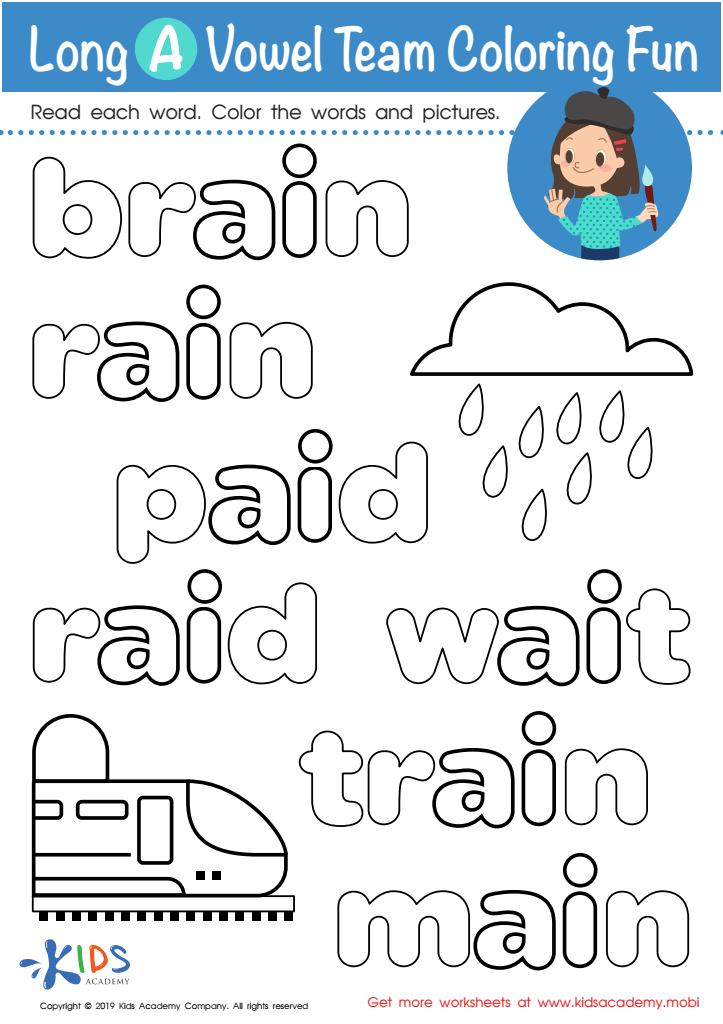
Long A Vowel Team Coloring Fun Worksheet

Long A Vowel Team Coloring Fun Worksheet

Divide your class into teams, give each a printout, then have them read aloud words with a long "A" sound (e.g. brain, paid). As they listen, let them reinforce this lesson by coloring in the words and pictures. Make phonics fun and interactive with this great coloring page!
Download (PDF)
Assign to My Students
Long A Vowel Team Coloring Fun Worksheet
Worksheet
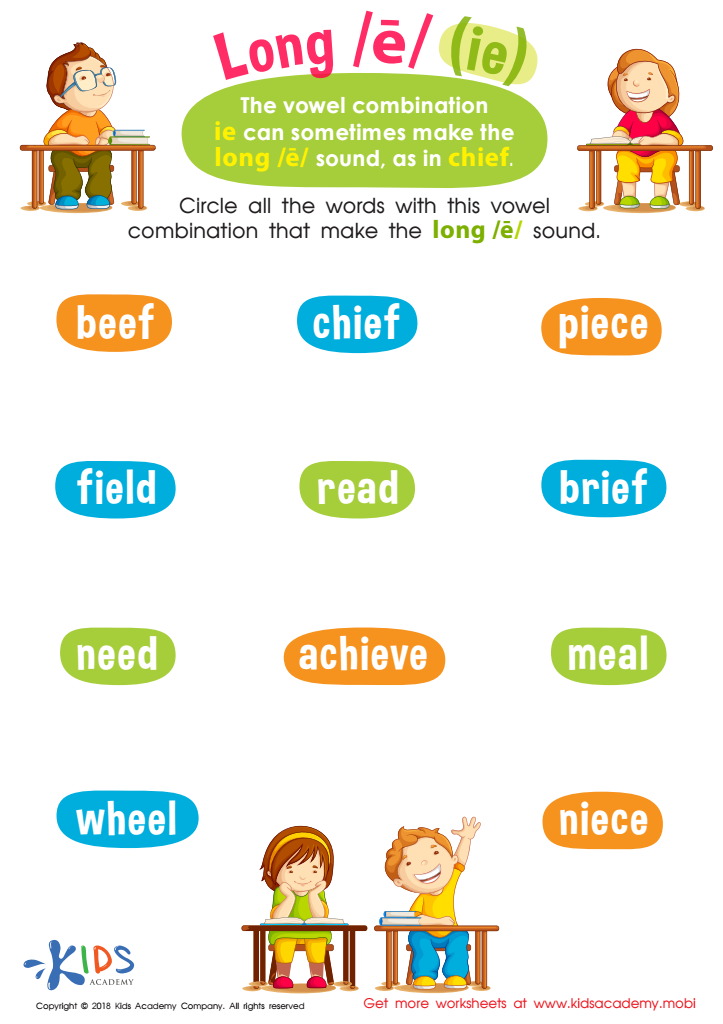
Reading: Long E and IE Worksheet

Reading: Long E and IE Worksheet

Ask your child to name some words with the long /e/ sound they hear every day. Then, read aloud all the words in the worksheet with them. Ask them to circle the words containing ie that make this sound.
Reading: Long E and IE Worksheet
Worksheet
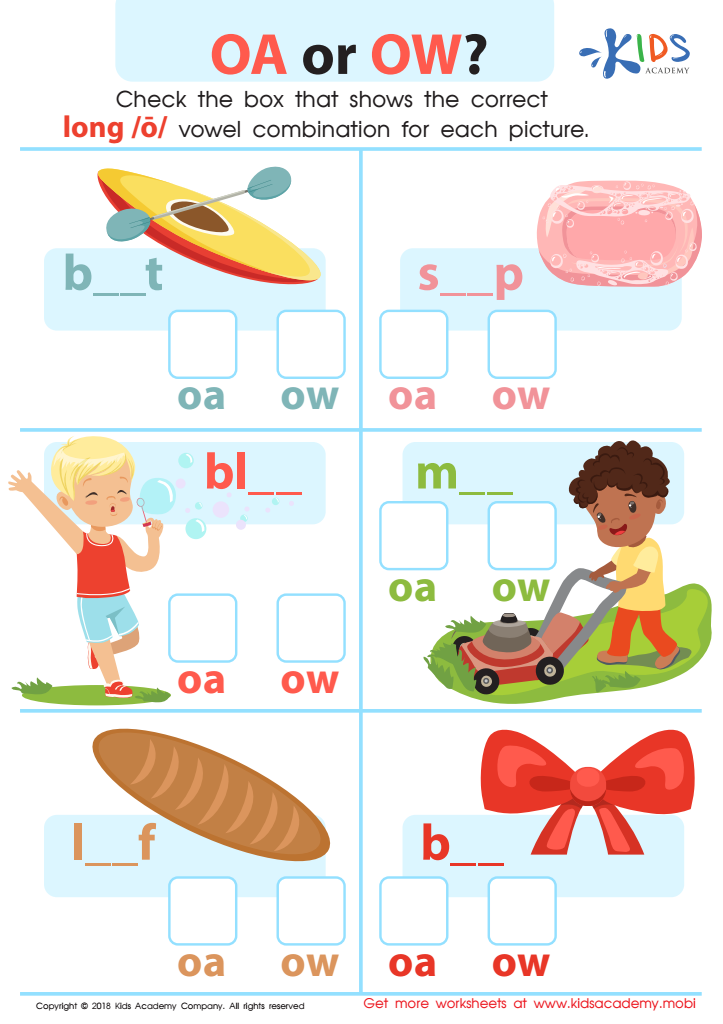
Reading: OA or OW Worksheet

Reading: OA or OW Worksheet

This printable worksheet helps young and emergent readers with decoding words and understanding digraphs (two letters with one sound). It requires students to complete the spelling for each word based on the picture, focusing on /oa/ and /ow/ spellings. It's ideal for a reading classroom and for spelling practice.
Reading: OA or OW Worksheet
Worksheet
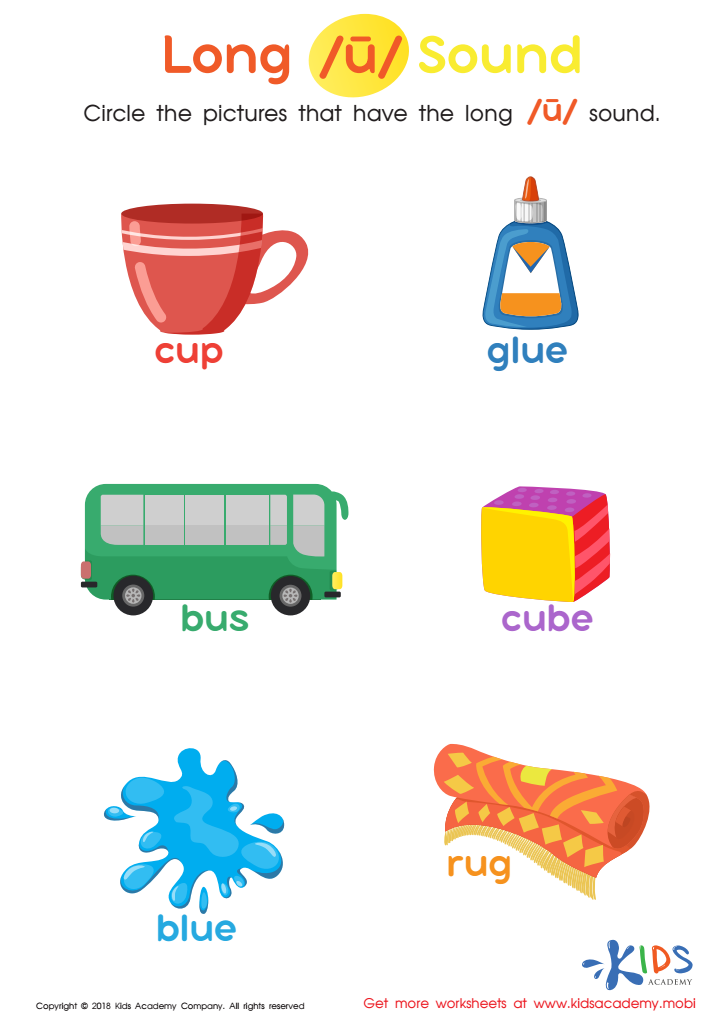
Long «u» Sound Worksheet

Long «u» Sound Worksheet

This fun and engaging free PDF worksheet teaches kids to differentiate between long and short «u» sounds. Through tracing circles around the correct words, they'll practice their fine motor skills while also recognizing patterns (silent-e for «ū» sound) in closed-syllable words. Bright and cheery pictures make it a great confidence booster for new readers!
Long «u» Sound Worksheet
Worksheet
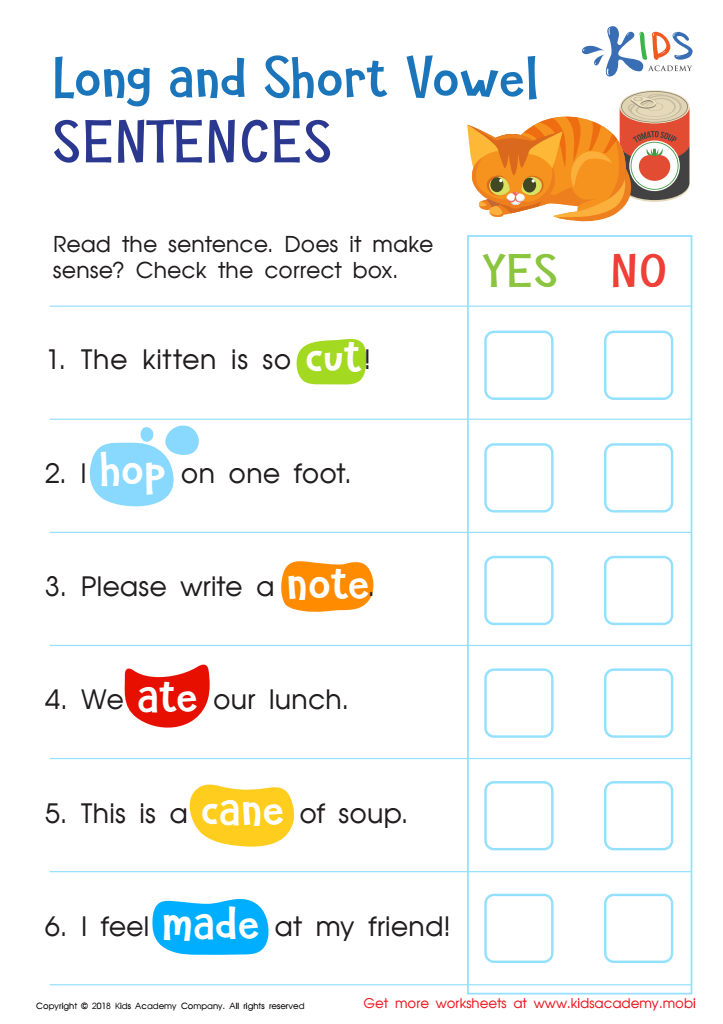
Long and Short Vowel Sentences: Assessment Worksheet

Long and Short Vowel Sentences: Assessment Worksheet

This printable worksheet helps kids practice differentiating between short and long vowel sounds. They'll use context clues to figure out which words make sense in simple sentences. A great way to build reading and writing skills!
Long and Short Vowel Sentences: Assessment Worksheet
Worksheet
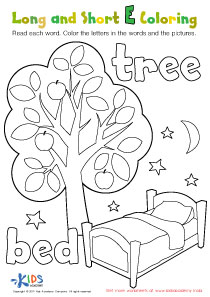
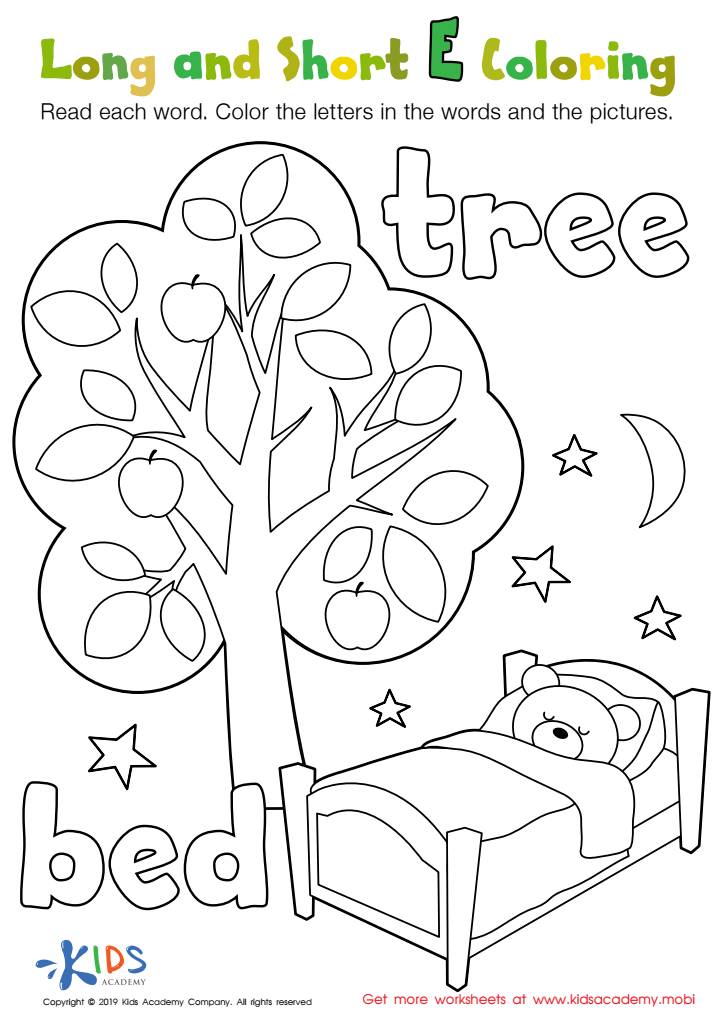
Long and Short E Worksheet

Long and Short E Worksheet

This fun printout makes learning phonics enjoyable for Grade 3 students. Get them to read the words “tree” and “bed” to recognize the different sounds of the letter “E”. After hearing the words they can color the words and the pictures to understand differences between long and short vowels.
Download (PDF)
Assign to My Students
Long and Short E Worksheet
Worksheet


Reading comprehension, particularly concerning Normal Vowel Teams for ages 7-8, is crucial for children's literacy development. Masters of vowel teams—combinations like "ai," "ee," or "oa"—help children decode new words more easily. As they develop these skills, they gain confidence in their reading abilities, which boosts their overall engagement with books.

For parents and teachers, understanding and supporting this phase of literacy is essential because it lays the groundwork for more advanced reading skills. Children at this age start transitioning from learning-to-read to reading-to-learn. Without a solid grasp of vowel teams and comprehension, they may struggle with understanding content in both academic and everyday contexts.

Moreover, comprehension is linked to critical thinking skills; when children can grasp what they read, they are better equipped to discuss ideas, answer questions, and foster creativity. Encouraging proficiency in vowel teams through engaging activities can make learning enjoyable and effective. This intervention benefits not only immediate learning outcomes but also long-term academic success. Therefore, actively nurturing these skills is beneficial for parents and educators aiming to support a child’s journey to becoming a proficient reader and thinker.