Basic Mathematics Normal Worksheets for Ages 7-8
4 filtered results
-
From - To
Discover our collection of Basic Mathematics Normal Worksheets designed specifically for children aged 7-8. These engaging, printable resources cover essential mathematical concepts, including addition, subtraction, multiplication, and division. Our worksheets are crafted to enhance problem-solving skills and boost confidence in young learners. Each activity is designed to be visually appealing and easy to understand, ensuring an enjoyable learning experience. Ideal for home use or in the classroom, these worksheets provide a great way for parents and teachers to support a child's mathematical development. Explore our variety of exercises and make mathematics fun and interactive for your child today!
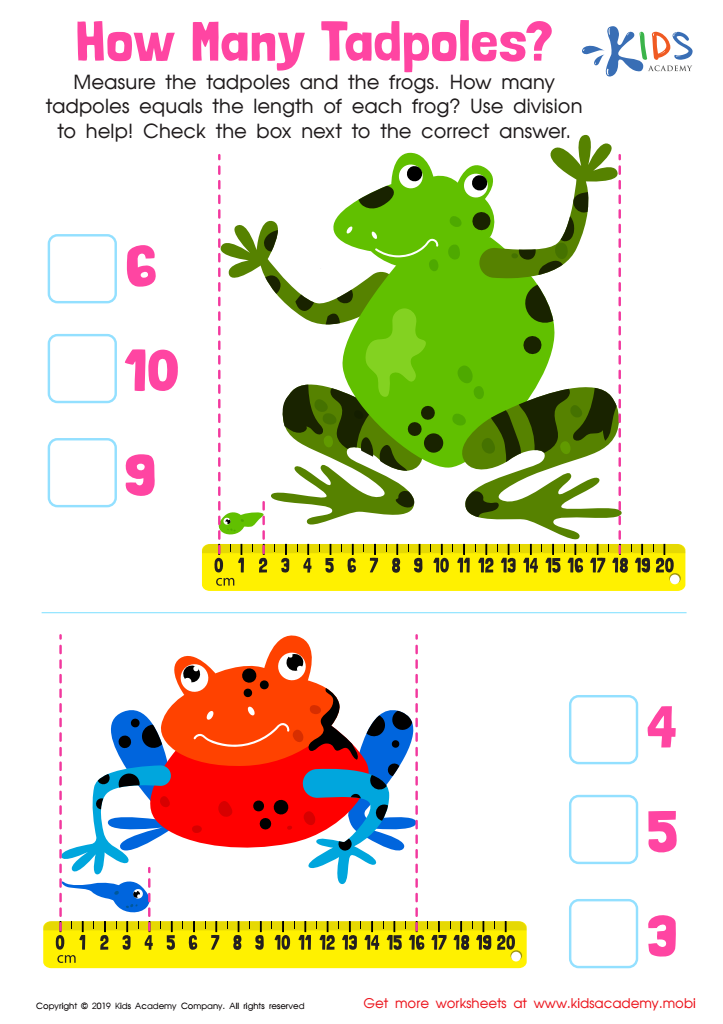
How Many Tadpoles Worksheet
 Assign to My Students
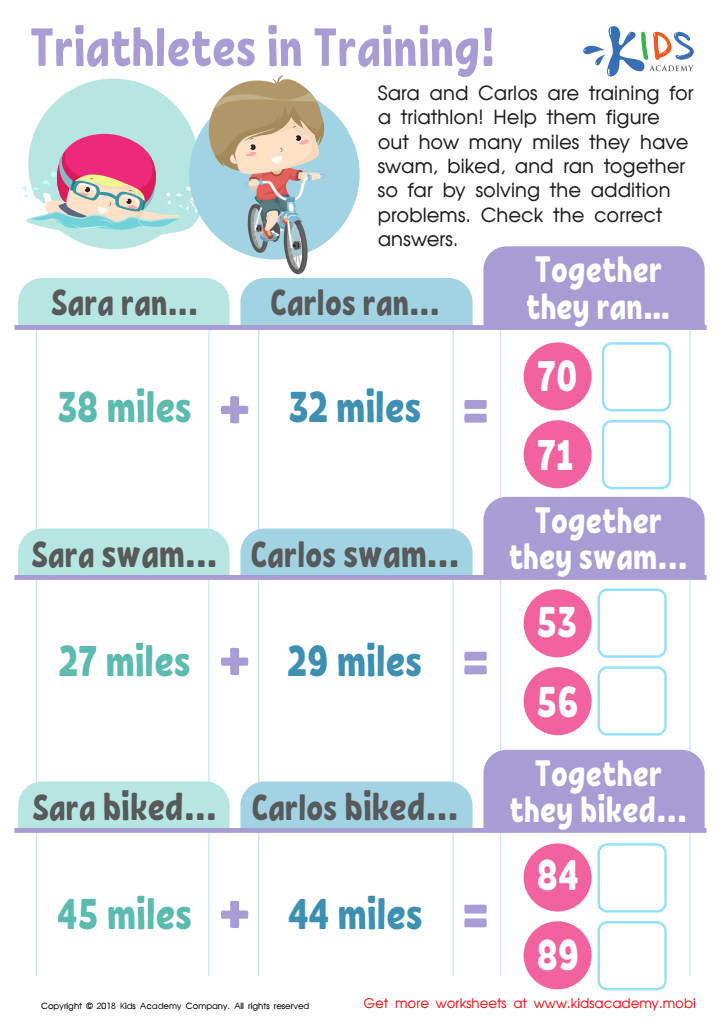
Triathletes in Training Worksheet
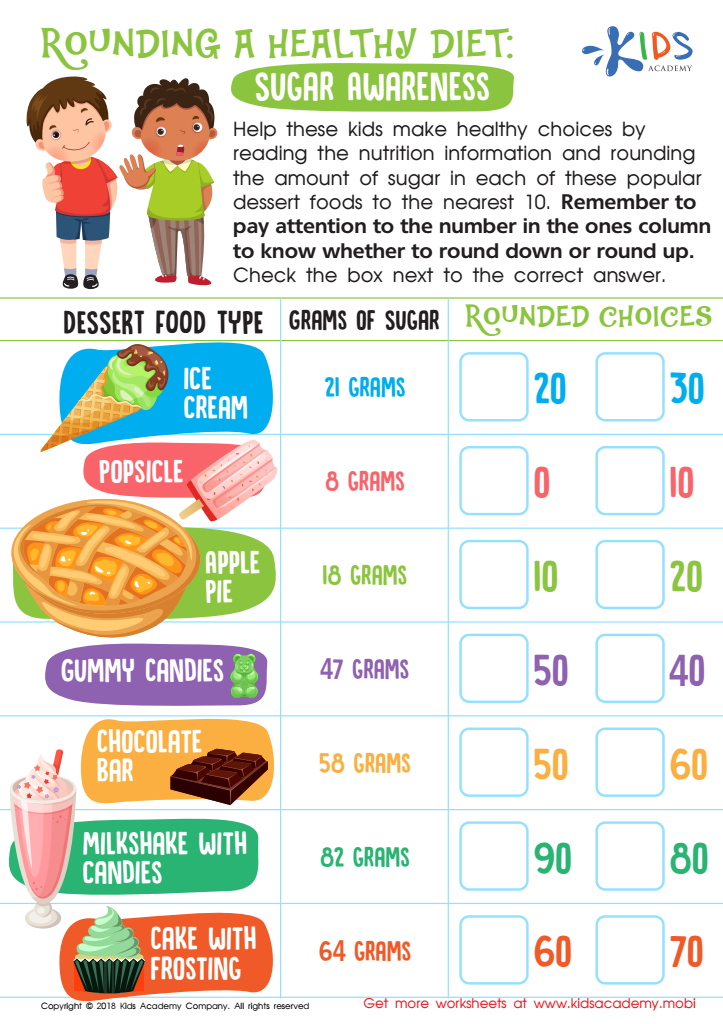
Rounding Healthy Diet Worksheet
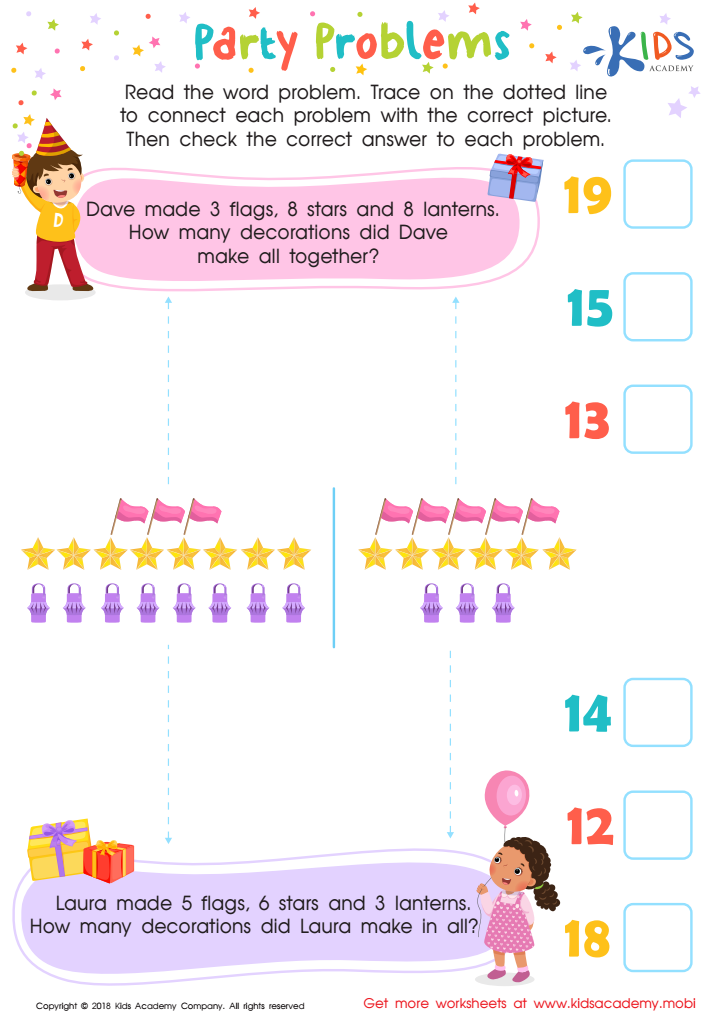
Party Problems Worksheet








Basic mathematics for ages 7-8 is crucial for a child's cognitive development and foundational skills. During this age, children begin to grasp essential concepts such as addition, subtraction, and the understanding of numbers, which form the backbone of more complex mathematical ideas in later years. Parental and teacher engagement in this phase is vital, as it nurtures a child's confidence and enthusiasm towards math.
At this stage, children are naturally curious and eager to learn; cultivating this interest can foster a positive attitude towards mathematics that lasts a lifetime. Support from parents and teachers promotes better retention and understanding of these key concepts. Moreover, mastering basic mathematics enhances critical thinking and problem-solving skills, essential in everyday life.
Additionally, supporting mathematics education can bridge potential learning gaps, ensuring that all children, regardless of their background, have equal opportunities to succeed. Engaging in math-related activities, such as games or real-world problem-solving, creates a fun environment that makes learning interactive and enjoyable. As both parents and teachers model positive attitudes towards math, they contribute significantly to building a strong educational foundation that positively impacts the child's future academic performance. Thus, investing time and effort into mathematics at this age is paramount for lifelong learning.








